Mutton Dopiaza Recipe
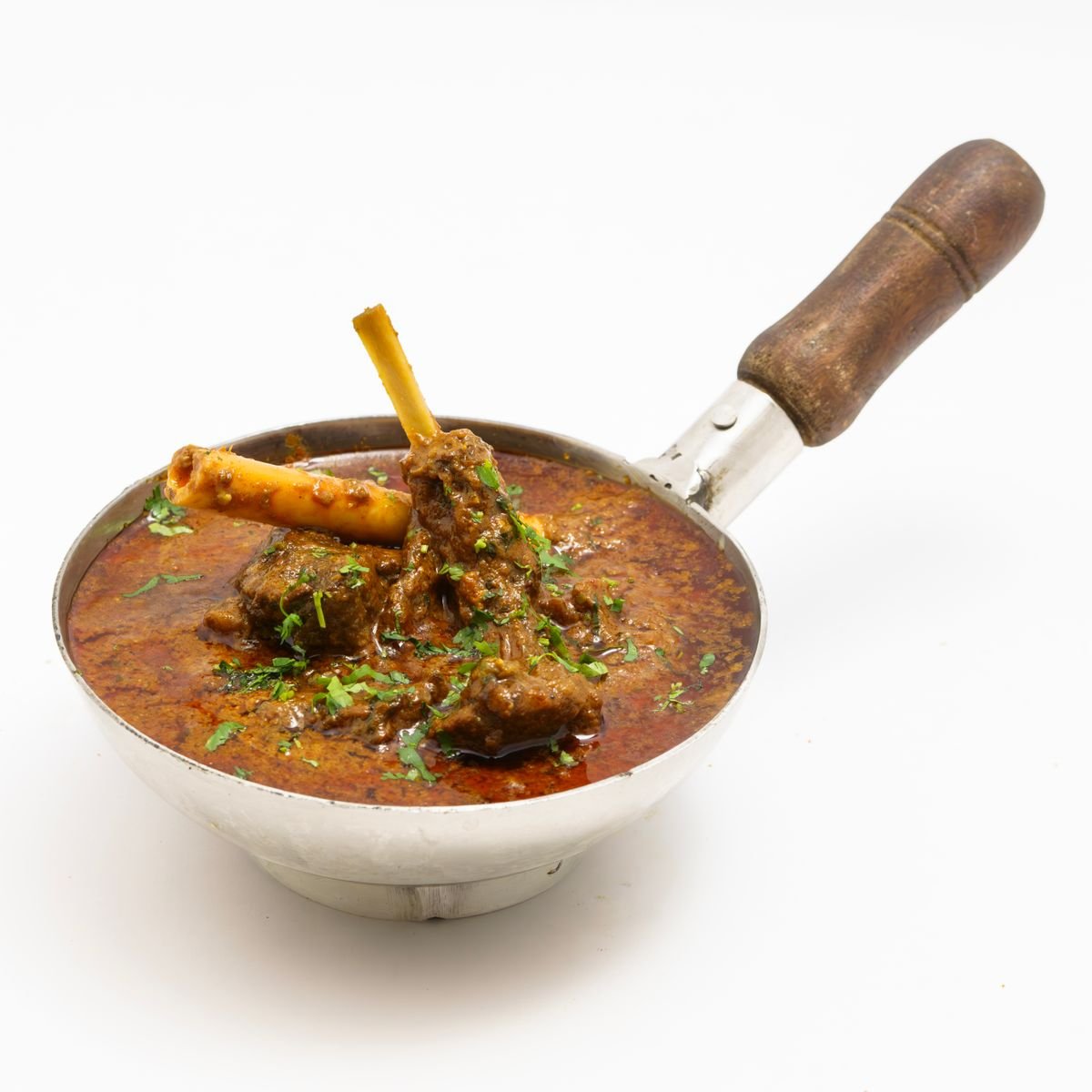
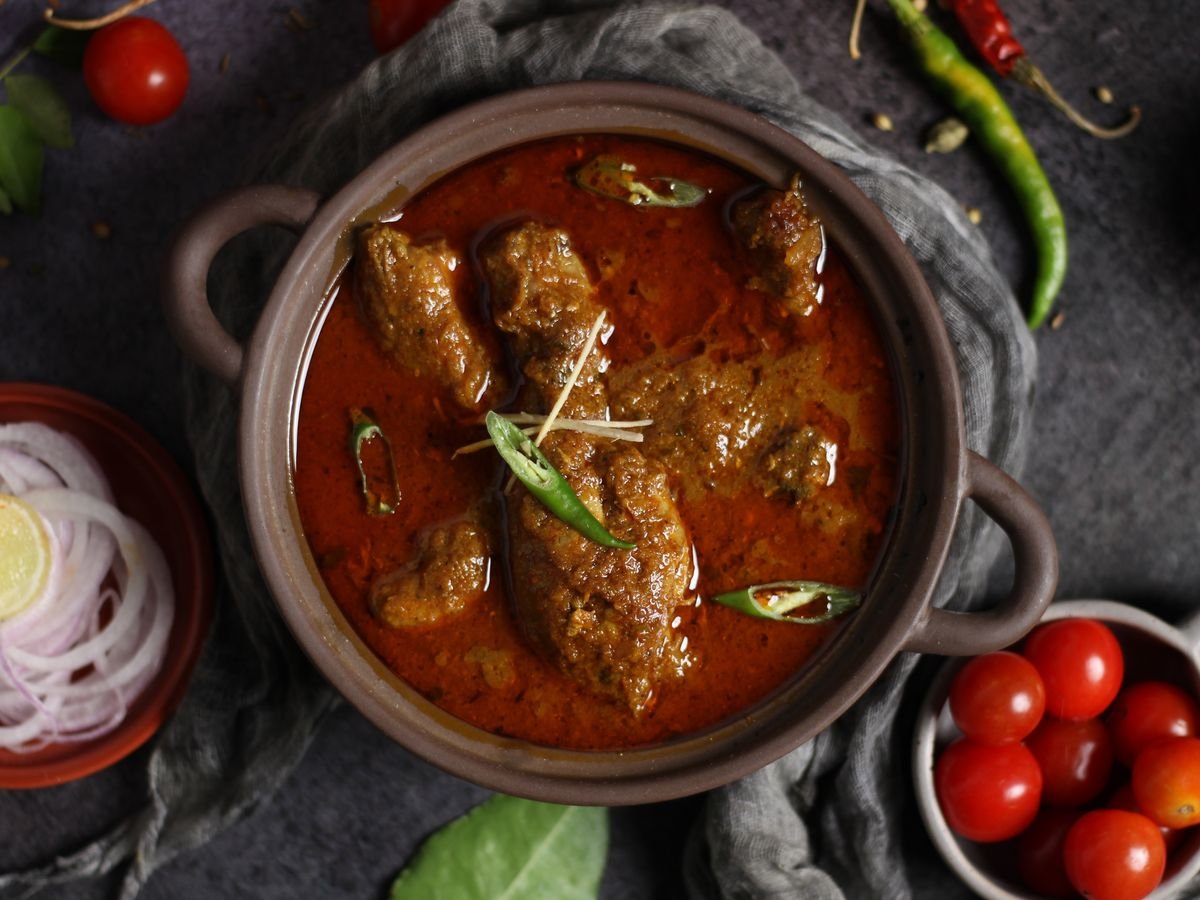
Mutton Dopiaza is a slow-cooked Mughlai curry where onions do the heavy lifting, twice over. Tender pieces of mutton simmer in a thick, dark gravy of browned and fresh onions, whole spices and yoghurt, until the meat falls from the bone. It is rich, warming and deeply savoury, the kind of dish that makes a weekend lunch feel like an occasion.
The story behind Mutton Dopiaza
The name tells the story. Dopi'aza means two onions in Persian, and this dish was built around the idea of using onions in two different ways: some fried slowly until dark and sweet, and some added later, still crisp and sharp. It comes from the Mughal kitchens of northern India, where cooks layered flavour by cooking the same ingredient at different stages, so a single vegetable could give sweetness, body and bite all at once. The onions cook down slowly, and their sweetness deepens as they brown, giving the gravy a rich colour that no shortcut can copy.
In Mughal cooking, the onion was never just a base. Court cooks treated it as a main ingredient, frying it in ghee until it turned the colour of old copper, then grinding it into the gravy to give body and sweetness. The second batch of onions went in near the end, sliced thick and cooked just long enough to soften, so the finished curry had two textures: a smooth, dark sauce and soft, sweet onion pieces you could pick out with a piece of bread. Ghee was the cooking fat of choice, and the long, slow frying in it gave the onions a nutty depth that oil alone cannot match.
What makes it special is that double layer of onion. The browned onions melt into the gravy and give it a deep, almost caramel flavour that no amount of spice can fake. The late onions stay distinct, adding a gentle crunch and a fresh, sweet sharpness that keeps the richness from turning heavy. The mutton, cooked low and slow, soaks up all of it, and the yoghurt at the end brings a mild tang that rounds the edges. The yoghurt goes in late, so its mild tang lifts the gravy instead of turning sharp, and it keeps the finished dish smooth and glossy.
Cook it when you have time to spare and people worth cooking for. It suits a Sunday family lunch, a dinner with guests, or any cold evening when a slow curry on the stove makes the whole house smell wonderful. Serve it with naan or steamed rice, a simple salad, and a bowl of raita, and let the gravy do the talking. A pot of dopiaza on the stove fills the house with the smell of fried onion and warm spice, and that smell alone brings everyone to the table.
- Prep time
- 20 mins
- Cook time
- 70 mins
- Total time
- 90 mins
- Servings
- 4 servings
- Calories
- 520
Ingredients
- 750 g mutton, bone-in pieces, washed and drained
- 4 medium onions (about 500 g), thinly sliced
- 2 medium onions (about 250 g), cut into thick wedges
- 200 g full-fat yoghurt, whisked smooth
- 3 tablespoons ghee or cooking oil
- 2 tablespoons ginger-garlic paste
- 2 medium tomatoes, finely chopped
- 2 teaspoons red chilli powder
- 1 teaspoon turmeric powder
- 2 teaspoons coriander powder
- 1 teaspoon garam masala
- 2 bay leaves
- 4 green cardamoms, 1 black cardamom and 1-inch cinnamon stick
- Salt to taste, and fresh coriander to garnish
Instructions
- Heat the ghee in a heavy pot over medium heat and add half the sliced onions. Fry for 12 to 15 minutes, stirring often, until they turn a deep golden brown and smell sweet and nutty. Lift them out with a slotted spoon and set aside; these browned onions will go back into the gravy later.
- Add the whole spices to the same pot and let them sizzle for 30 seconds until they crackle and release their fragrance. Add the remaining sliced onions and cook for 6 to 8 minutes, until they turn soft and pale gold, then stir in the ginger-garlic paste and cook for 2 minutes more until the raw smell fades.
- Add the tomatoes, chilli powder, turmeric and coriander powder. Cook on medium heat for 6 to 8 minutes, stirring and pressing the tomatoes with the back of the spoon, until the oil starts to separate at the edges and the mixture looks dark and glossy.
- Add the mutton pieces and turn the heat up to medium-high. Fry for 8 to 10 minutes, turning the pieces often, until they are browned on the outside and the masala clings to them in a thick coat. You should hear a steady sizzle and smell the spices toasting.
- Turn the heat to low and add the whisked yoghurt one spoonful at a time, stirring constantly so it blends in smoothly and does not split. Cook for 5 minutes, then add the browned onions you set aside and pour in 500 ml of hot water.
- Cover the pot with a tight lid and cook on the lowest heat for 50 to 60 minutes, stirring every 15 minutes, until the mutton is tender enough to pull apart with a fork and the gravy has thickened. Add a splash of hot water if the pot looks dry at any point.
- Add the thick onion wedges and cook for a further 10 minutes, covered, until the wedges are soft but still hold their shape. They should be sweet and slightly crisp at the centre, not mushy.
- Stir in the garam masala and check the salt. The gravy should be thick enough to coat the back of a spoon, dark and glossy, with a layer of oil glistening on top. If it is too thin, cook uncovered for 5 more minutes.
- Rest the curry off the heat for 10 minutes, then garnish with fresh coriander and serve hot with naan, roti or steamed rice. The rest lets the flavours settle and the meat relax, so do not skip it.
Pro tips
- Brown the first batch of onions properly. Pale onions will not give the gravy its deep colour or sweet, caramel flavour, so be patient and keep stirring until they are a rich golden brown. so take your time.
- Whisk the yoghurt smooth before it goes in, and add it on low heat a spoonful at a time. Cold or lumpy yoghurt hitting a hot pot will split into grains, and no amount of stirring will bring it back together. and stir gently.
- Use bone-in mutton if you can. The bones release flavour and gelatine as they cook, which gives the gravy body and makes the meat taste richer than boneless cuts ever will. for the best flavour.
- Keep the heat low during the long simmer. A gentle bubble, not a rolling boil, is what makes mutton tender. High heat toughens the meat and dries out the gravy. every single time.
- Rest the curry for 10 minutes before serving. The meat relaxes, the oil rises to the top, and the flavours settle into each other, so the first spoonful tastes noticeably better. before you serve.
Variations & serving ideas
For a lighter version, use cooking oil instead of ghee and cut the yoghurt to 150 g. The flavour stays rich, though the gravy will be a little less silky. You can also use chicken instead of mutton; it cooks in 25 to 30 minutes, so add the onion wedges after 15 minutes and skip the long simmer entirely. You can also stir in a handful of peas with the onion wedges, which add little pops of sweetness and a touch of green, and they cook in the same ten minutes, so nothing else in the method changes at all.
If you like heat, add 2 to 3 slit green chillies with the onion wedges. They add a fresh, sharp heat that suits the sweet onions. A spoonful of tomato paste stirred in with the chopped tomatoes will deepen the colour if your tomatoes are pale or out of season. If you like heat, add two or three slit green chillies with the onion wedges, because they bring a fresh, sharp warmth that suits the sweet onions and cuts through the richness of the ghee.
Swap the mutton for beef if you prefer, but allow an extra 20 to 30 minutes of simmering, as beef takes longer to turn tender. Goat meat works the same way as mutton and is the traditional choice in many homes. Keep the two-onion method whatever meat you use, as that is what makes the dish what it is. Swap the mutton for beef if you prefer, but allow an extra twenty to thirty minutes of simmering, since beef takes longer to turn tender, and keep the two-onion method whatever meat you use.
Serve it with plain naan, tandoori roti or steamed basmati rice, and a bowl of cucumber raita to cool the palate. A simple kachumber salad of onion, tomato and lemon on the side adds freshness. Pair it with a glass of salted lassi or plain water with lemon, and keep the rest of the meal simple. Serve it with plain naan, tandoori roti or steamed basmati rice, and a bowl of cucumber raita to cool the palate, because the raita's freshness balances the deep, dark gravy beautifully.
Getting it right
The key technique is frying the first batch of onions until they are properly dark. This takes 12 to 15 minutes of steady stirring over medium heat, and the onions will go through stages: soft, pale gold, then deep amber. Pull them out at deep amber, just before they turn bitter. They go back into the pot later and melt into the gravy, giving it colour, sweetness and body. Pull the onions out at deep amber, just before they turn bitter, because a minute too long on the heat will spoil the whole pot.
Heat and timing matter most during the long simmer. Once the water goes in, the pot should sit on the lowest heat with a lid on, bubbling gently. Stir every 15 minutes so nothing catches on the bottom. If the gravy reduces too fast, add hot water a little at a time. Cold water shocks the meat and can make it tough, so always use hot. If the gravy reduces too fast, add hot water a little at a time, and never cold water, which shocks the meat and can make it tough.
The common mistake is rushing the mutton. Bone-in mutton needs a full 50 to 60 minutes to turn tender, and there is no shortcut that keeps it soft. If the meat is still firm after an hour, add a splash of hot water and give it another 15 minutes. Taste a piece before you add the onion wedges, because once the wedges go in, the clock is ticking on their texture. Taste a piece before you add the onion wedges, because once the wedges go in, the clock is ticking on their texture and you cannot take them out.
Storing & reheating
Leftovers keep well in a sealed container in the fridge for up to 3 days, and the flavour actually improves overnight as the onions and spices settle. Reheat gently in a pot over low heat, adding a splash of hot water to loosen the gravy, and stir often so it does not catch. Warm it slowly and stir often so the gravy does not catch.
You can freeze the curry for up to 2 months in a sealed container. Thaw it overnight in the fridge and reheat slowly, adding a little water if needed. The onion wedges may soften further after freezing, but the gravy and meat hold up well. Garnish with fresh coriander after reheating. Add fresh coriander after reheating to bring back the bright flavour.
Frequently asked questions
What does dopiaza mean?
Dopiaza means two onions in Persian. The dish uses onions in two ways: one batch fried until dark and browned, and a second batch added near the end in thick wedges, so the curry has two onion flavours and textures. The name is the whole idea of the dish.
Can I make mutton dopiaza in a pressure cooker?
Yes. Cook the masala and mutton as described, then pressure cook for 4 to 5 whistles, about 20 minutes. Add the onion wedges after opening the cooker and simmer for 10 minutes so they stay firm. Four to five whistles is enough.
Why is my gravy thin?
The gravy needs time to reduce and the browned onions to melt into it. Cook uncovered for 5 to 10 minutes at the end, and make sure the first batch of onions was browned well, as they thicken the sauce. The browned onions do most of the thickening.
Can I use chicken instead of mutton?
Yes, chicken dopiaza is common and cooks much faster. Use bone-in chicken pieces and simmer for 25 to 30 minutes. Add the onion wedges after 15 minutes so they do not turn mushy. It cooks in half the time, about thirty minutes.
How do I stop the yoghurt from splitting?
Whisk the yoghurt until completely smooth, bring it to room temperature, and add it on low heat one spoonful at a time while stirring. Never add cold yoghurt to a boiling pot. Room temperature yoghurt works best, so take it out early.
Is mutton dopiaza spicy?
It is mildly spiced and more savoury than hot. The heat comes from chilli powder and green chillies, so you can adjust both. The onions give it sweetness, which balances the spice well. The onions give it natural sweetness, which balances the spice well.