Mutton Handi Recipe
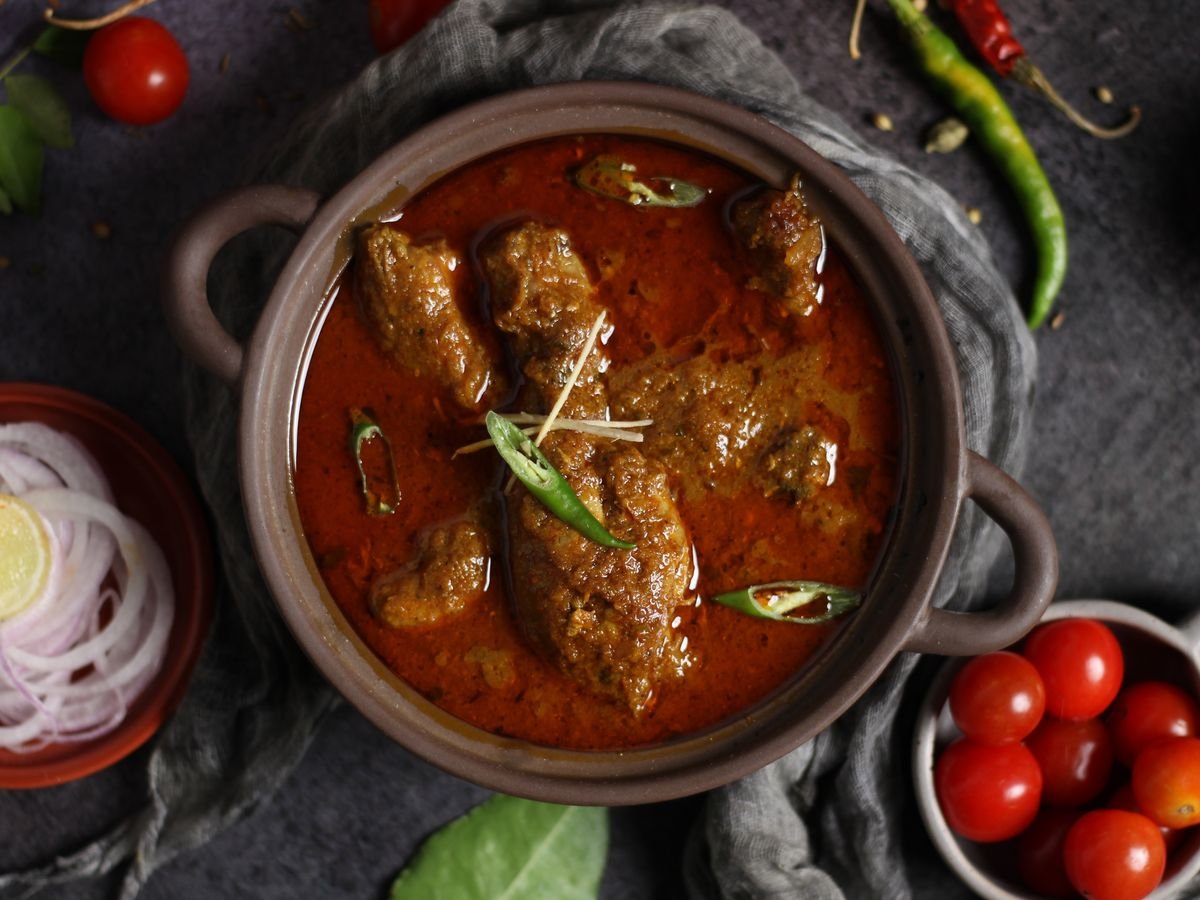
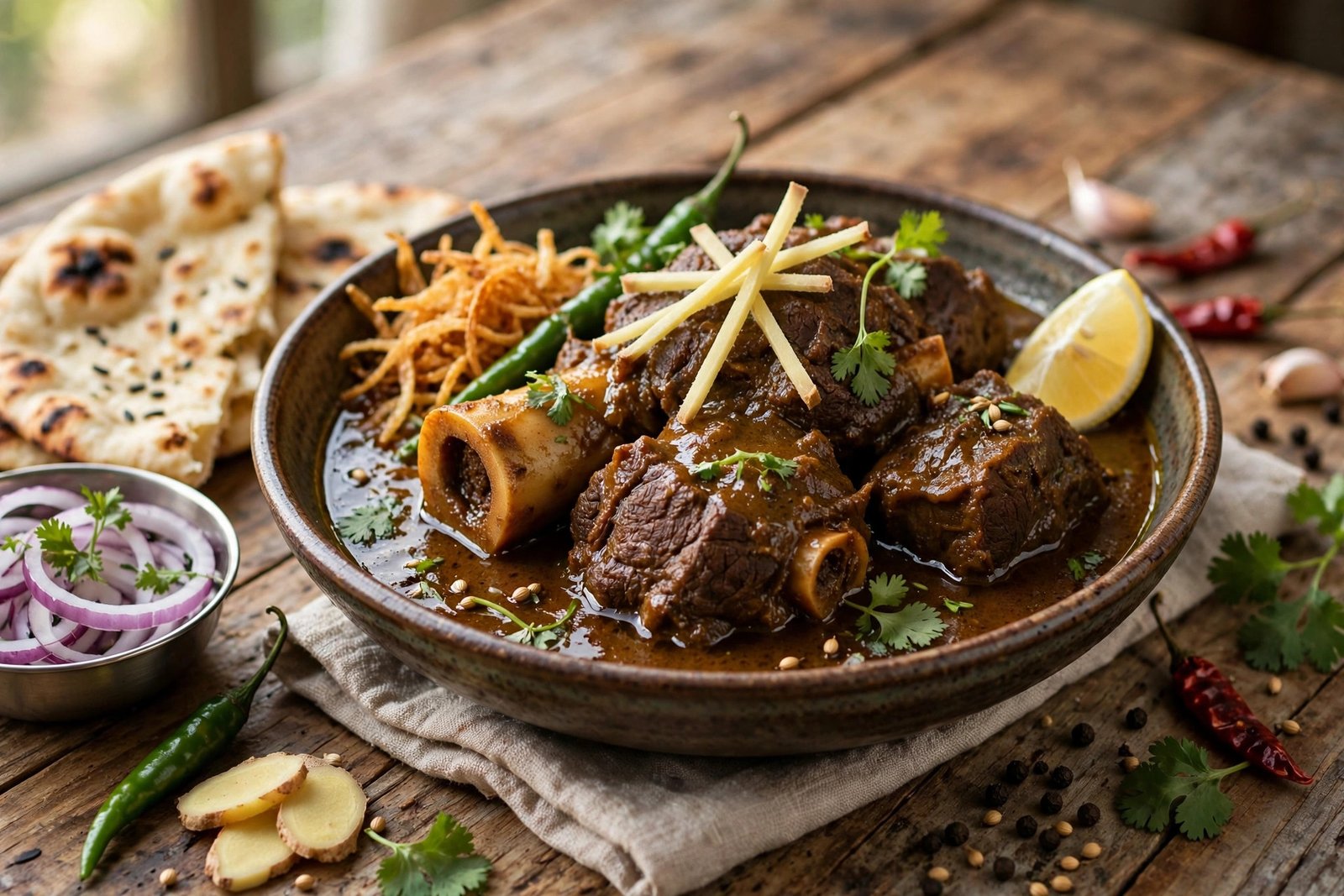
Mutton Handi is the dish that made the clay pot famous. Tender mutton simmers slowly in a handi with tomatoes, ginger, green chillies and a touch of cream, until the meat is soft enough to pull apart and the gravy is thick, glossy and full of flavour. It is a celebration dish, and it tastes like one. Serve it straight from the pot with hot naan.
The story behind Mutton Handi
The handi is one of the oldest cooking vessels in South Asia, a deep, round clay pot with a narrow mouth that holds heat and moisture like nothing else. Cooks have used it for centuries to make slow dishes, because the thick clay walls spread heat gently and the lid traps steam, so meat cooks in its own juices. The dish took its name from the pot, and the pot is still part of the flavour. The clay walls hold heat so gently that the meat cooks evenly from all sides, and the lid traps the steam, so nothing dries out even over a long cook.
In the Punjab and across Pakistan, handi cooking became the centre of family gatherings and wedding feasts. A handi of mutton would sit on a low flame for hours while guests arrived, the smell drifting through the house, and the cook would lift the lid only to stir and check the meat. The clay pot gave the dish a faint earthy note and a slow, even heat that a metal pot struggles to match, and the tradition stuck. A handi of mutton would sit on a low flame for hours while guests arrived, the smell drifting through the house, and the cook would lift the lid only to stir.
What makes it special is the slow, sealed cooking. The mutton steams in tomato and its own juices, so it turns soft without drying out, and the gravy reduces into something thick and glossy. Ginger and green chillies give it a fresh, sharp heat, while the cream at the end smooths everything out. The result is a curry that tastes rich without being heavy. The ginger and green chillies give it a fresh, sharp heat, while the cream at the end smooths everything out, so the result tastes rich without being heavy.
Cook it when you want a showpiece for a family dinner or a gathering of friends. It suits winter evenings, Eid lunches, or any occasion when a pot on the table matters more than a plate. Serve it straight from the handi if you have one, with naan to scoop up the gravy. Serve it straight from the handi if you have one, with naan to scoop up the gravy, and let the pot sit in the middle of the table.
- Prep time
- 20 mins
- Cook time
- 60 mins
- Total time
- 80 mins
- Servings
- 4 servings
- Calories
- 580
Ingredients
- 750 g mutton, bone-in pieces, washed and drained
- 4 medium tomatoes, finely chopped
- 1 large onion, finely chopped
- 3 tablespoons ghee or cooking oil
- 2 tablespoons ginger-garlic paste
- 2 tablespoons julienned fresh ginger
- 4 green chillies, slit lengthwise
- 2 teaspoons red chilli powder
- 1 teaspoon turmeric powder
- 2 teaspoons coriander powder
- 100 ml fresh cream
- 1 teaspoon garam masala
- 1 teaspoon dried fenugreek leaves (kasuri methi)
- Salt to taste, and fresh coriander to garnish
Instructions
- Heat the ghee in a handi or heavy pot over medium heat and add the chopped onion. Cook for 7 to 8 minutes, stirring often, until the onion turns soft and pale gold and smells sweet. Do not brown it deeply, as the handi gravy should stay bright and tomato-led.
- Add the ginger-garlic paste and cook for 2 minutes until the raw smell fades and the paste turns a shade darker. Stir in the chopped tomatoes, chilli powder, turmeric and coriander powder, and cook for 8 to 10 minutes, pressing the tomatoes with a spoon, until the oil separates at the edges.
- Add the mutton pieces and turn the heat to medium-high. Fry for 8 minutes, turning the pieces so they brown lightly on all sides and the masala coats them evenly. You should hear a steady sizzle and see the masala clinging to the meat.
- Pour in 400 ml of hot water and bring the pot to a gentle boil. Cover with a tight lid, turn the heat to the lowest setting, and cook for 45 to 50 minutes, stirring every 15 minutes, until the mutton is tender and the gravy has thickened.
- Add the julienned ginger and slit green chillies, then cook uncovered for 5 minutes so the gravy reduces further and the chillies soften slightly. The gravy should be thick enough to coat the meat in a glossy layer.
- Stir in the cream and cook for 2 minutes on low heat, just until it blends in and the gravy turns a warm orange colour. Do not let it boil hard, or the cream may split and the gravy will lose its smooth finish.
- Crush the dried fenugreek leaves between your palms over the pot and stir in the garam masala. Taste and adjust the salt. The fenugreek adds a warm, slightly bitter note that lifts the whole dish.
- Taste the gravy once more and adjust the chilli and salt, adding a pinch more garam masala if the flavour feels flat. The gravy should taste bold and balanced now, as the cream has softened the heat and the fenugreek has added its warm, savoury note.
- Sprinkle a little extra julienned ginger and a few fresh coriander leaves over the top, then put the lid back on for 2 minutes so the fresh ginger warms through and releases its scent into the gravy.
- Rest the handi off the heat for 10 minutes with the lid on. Garnish with fresh coriander and a few extra ginger juliennes, then serve hot straight from the pot with naan or roti.
Pro tips
- Use a heavy pot or a real clay handi if you have one. The thick walls hold heat evenly and keep the simmer gentle, which is what makes the meat turn soft instead of tough. for the best result.
- Do not rush the tomato masala. Cooking the tomatoes until the oil separates is what gives the gravy its rich colour and depth, and a pale, undercooked masala will make the whole dish taste raw. and never rush it.
- Add the cream at the very end, on low heat. Cream added too early or boiled hard can split into grains, so stir it in gently and take the pot off the heat within 2 minutes. or it may split.
- Crush the kasuri methi between your palms before adding it. The warmth of your hands wakes up the oils in the leaves, and the flavour is far stronger than if you sprinkle them in whole. before you serve.
- Taste the mutton before you add the cream. Once the cream goes in, the heat softens, so check the chilli and salt while the gravy is still sharp and adjust to your liking. while the gravy is still sharp.
Variations & serving ideas
For a richer version, add a spoonful of butter along with the cream at the end. It gives the gravy a silky shine and a rounder flavour. A few spoonfuls of browned onion paste stirred in with the tomatoes will deepen the colour and sweetness if you like a darker gravy. A few spoonfuls of browned onion paste stirred in with the tomatoes will deepen the colour and sweetness, and the gravy will turn a darker, richer shade that suits the mutton well. Brown the onions first, grind them smooth, and stir the paste in before the meat goes in.
Swap the mutton for chicken if you want a faster meal. Bone-in chicken cooks in 25 to 30 minutes, so cut the simmer time and add the ginger and chillies after 20 minutes. The rest of the method stays the same, and the dish is just as satisfying. Swap the mutton for chicken if you want a faster meal, because bone-in chicken cooks in twenty-five to thirty minutes, so cut the simmer time and add the ginger and chillies after twenty minutes.
If you cannot find fresh cream, use 100 ml of full-fat yoghurt whisked smooth, added on very low heat. It gives a gentle tang instead of the cream's richness, and it suits the tomato gravy well. Stir it in slowly and do not let the pot boil after adding it. If you cannot find fresh cream, use a hundred millilitres of full-fat yoghurt whisked smooth, added on very low heat, because it gives a gentle tang instead of the cream's richness.
Serve it with plain naan, garlic naan or tandoori roti, and a bowl of raita on the side. A simple salad of onion rings and lemon wedges adds freshness. Pair it with salted lassi or a glass of chilled water, and keep the rest of the meal simple so the handi stays the star. Serve it with plain naan, garlic naan or tandoori roti, and a bowl of raita on the side, because a simple salad of onion rings and lemon wedges adds freshness to the rich gravy.
Getting it right
The key technique is the slow, covered simmer. Once the water goes in, the lid stays on and the heat stays low, so the mutton cooks in trapped steam and its own juices. This gentle heat breaks down the tough fibres slowly, which is what turns bone-in mutton soft and juicy instead of chewy and dry. The clay walls spread heat gently and the lid traps steam, so meat cooks in its own juices and turns soft without drying out.
Heat and timing matter most at two points: the tomato masala and the final simmer. The masala needs 8 to 10 minutes of steady medium heat until the oil separates, which tells you the tomatoes are fully cooked. The simmer needs 45 to 50 minutes of low heat, with a stir every 15 minutes so nothing catches. If the gravy dries out, add hot water a little at a time. If the gravy dries out, add hot water a little at a time, and stir well so nothing sticks to the bottom of the pot.
The common mistake is cooking on too high a heat. A rolling boil will toughen the meat and thin the gravy, while a gentle bubble does the opposite. If your stove runs hot, use a flame tamer or the smallest burner. And do not skip the rest at the end: 10 minutes with the lid on lets the meat relax and the gravy settle. If your stove runs hot, use a flame tamer or the smallest burner, because a rolling boil will toughen the meat and thin the gravy.
Storing & reheating
Leftovers keep in a sealed container in the fridge for up to 3 days, and the flavour improves overnight as the spices settle into the gravy. Reheat gently in a pot over low heat, adding a splash of hot water to loosen the gravy, and stir often so the cream does not catch. Warm it in a pot over low heat, adding a splash of hot water to loosen the gravy, and stir often so the cream does not catch.
You can freeze the handi for up to 2 months, though the cream may separate slightly on thawing. Thaw overnight in the fridge, reheat slowly, and stir in a spoonful of fresh cream at the end to bring the gravy back together. Garnish fresh after reheating. Thaw overnight in the fridge, reheat slowly, and stir in a spoonful of fresh cream at the end to bring the gravy back together.
Frequently asked questions
What is a handi?
A handi is a deep, round clay or metal cooking pot with a narrow mouth, used across South Asia for slow-cooked curries. Its thick walls spread heat gently and the lid traps steam, so meat cooks slowly in its own juices. The pot gives the dish its name.
Can I make mutton handi without a clay pot?
Yes. A heavy steel or cast-iron pot works well. The key is a tight lid and low, steady heat. Use the smallest burner and keep the simmer gentle, and the result will be very close to a clay handi. A tight lid matters more than the pot.
How long does mutton take to cook?
Bone-in mutton needs 45 to 60 minutes of gentle simmering to turn tender. Young mutton may cook faster, while older meat can need an extra 15 minutes. Always taste a piece before finishing the dish. Taste a piece before finishing the dish.
Can I use a pressure cooker?
Yes. After frying the mutton in the masala, pressure cook for 4 to 5 whistles, about 20 minutes. Then open the cooker, add the ginger and chillies, and finish with cream on open heat as described. Finish with cream on open heat afterwards.
What is kasuri methi?
Kasuri methi is dried fenugreek leaves, a common spice in Pakistani and Indian cooking. It adds a warm, slightly bitter, savoury note. Crush it between your palms before adding to release its flavour. Crush it between your palms first to release its flavour.
Is mutton handi very spicy?
It has a medium heat from green chillies and red chilli powder, balanced by tomatoes and cream. You can reduce the chillies to 2 for a milder dish, or add more if you like it hotter. Reduce the chillies to two for mild.