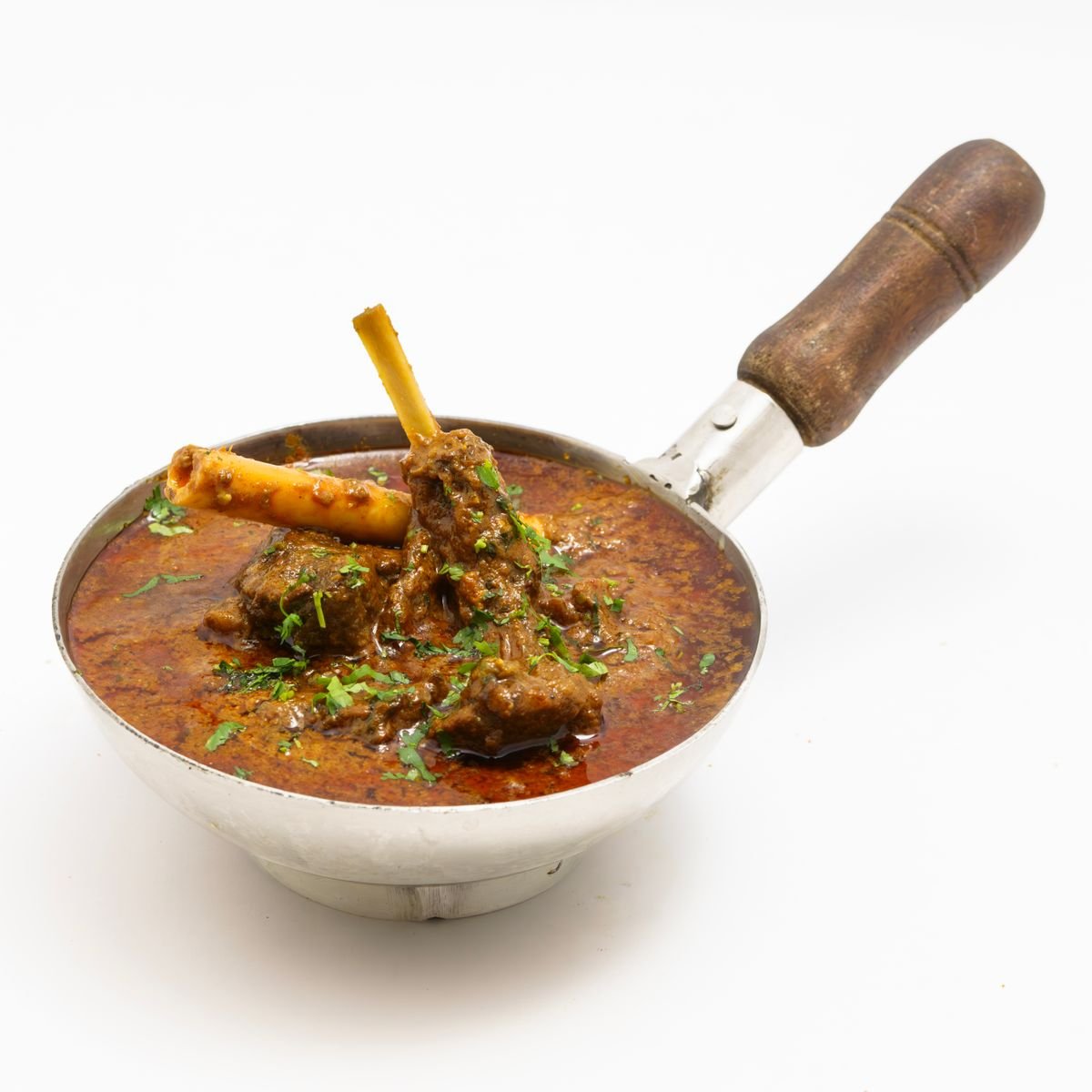
Moong Daal Recipe
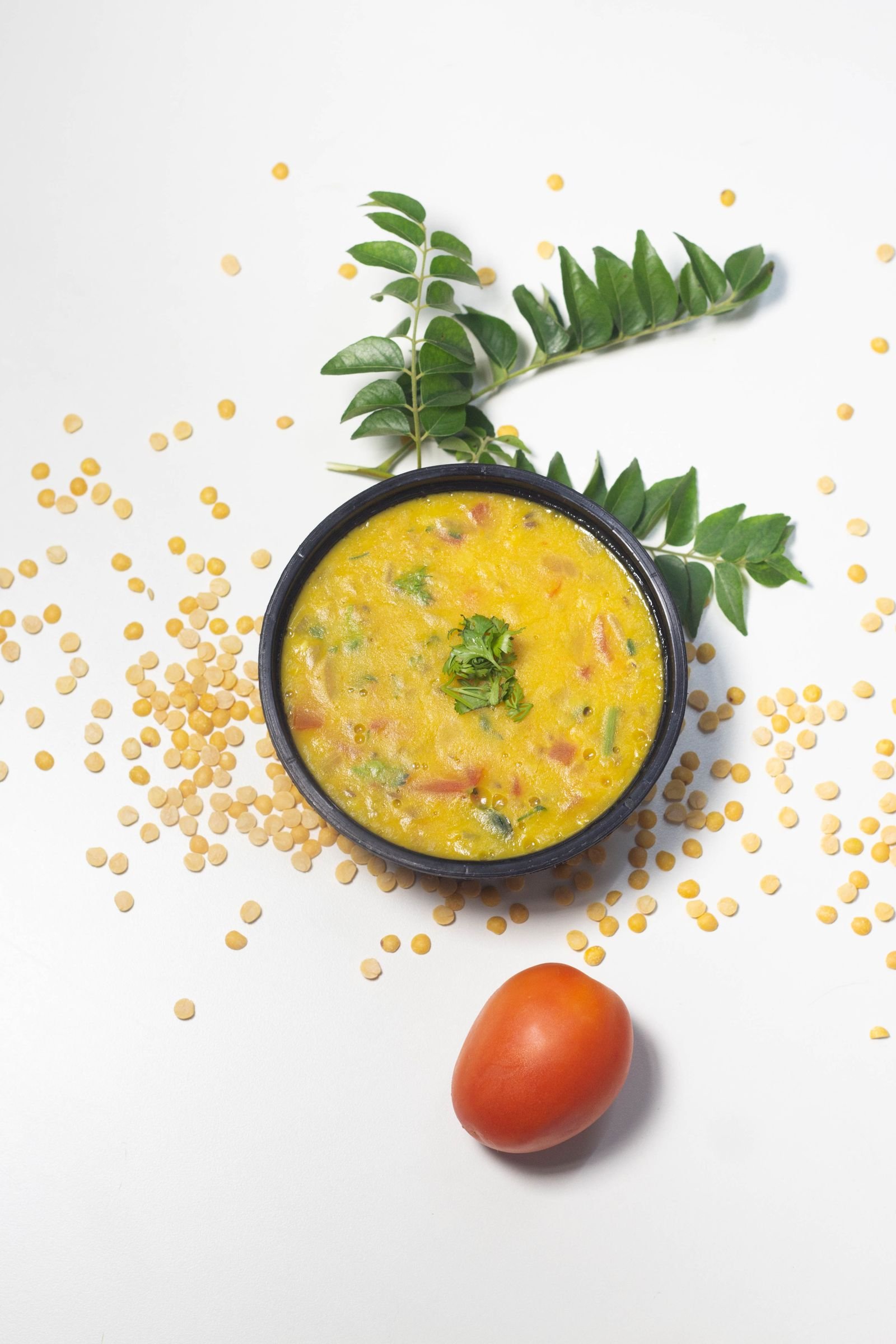
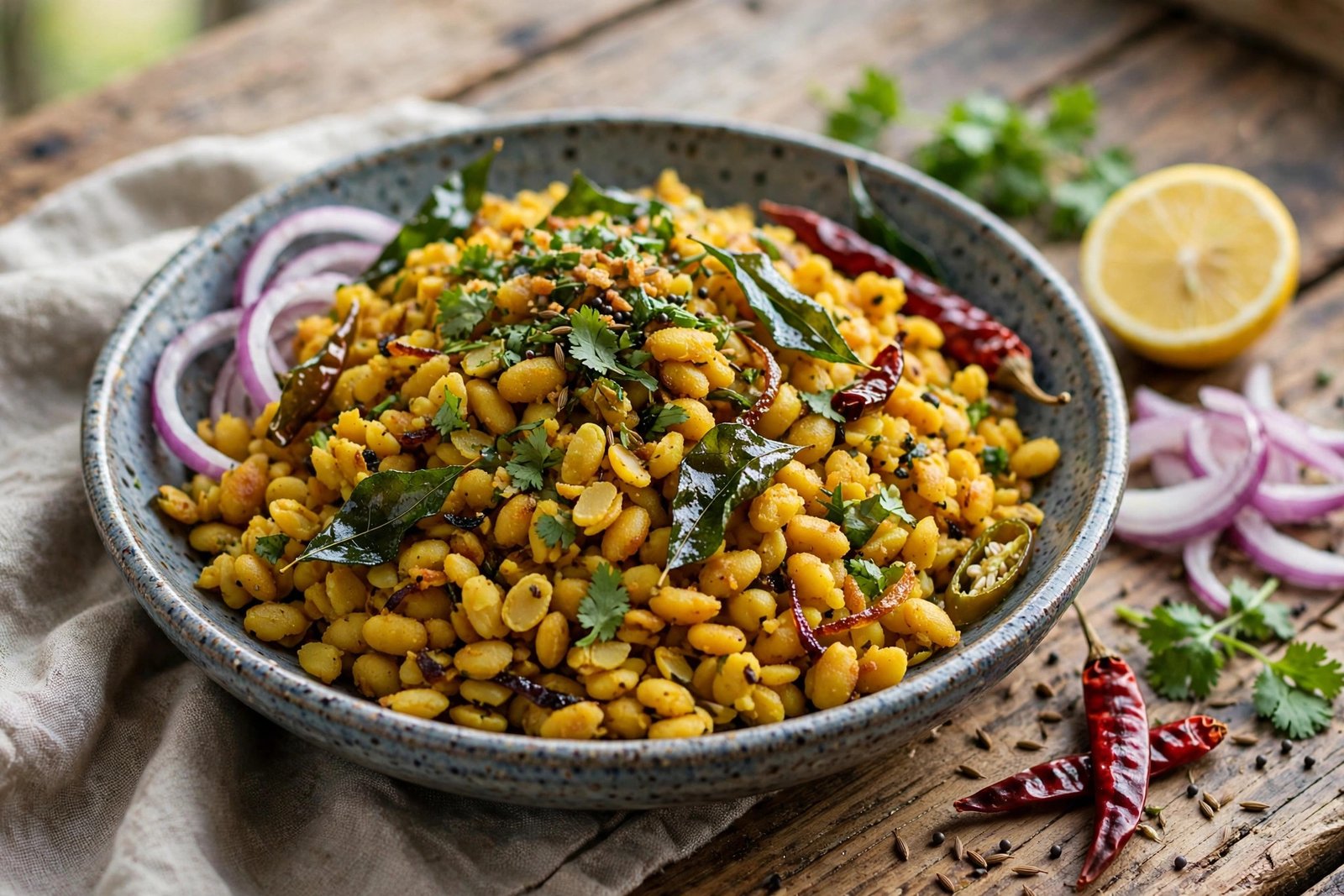
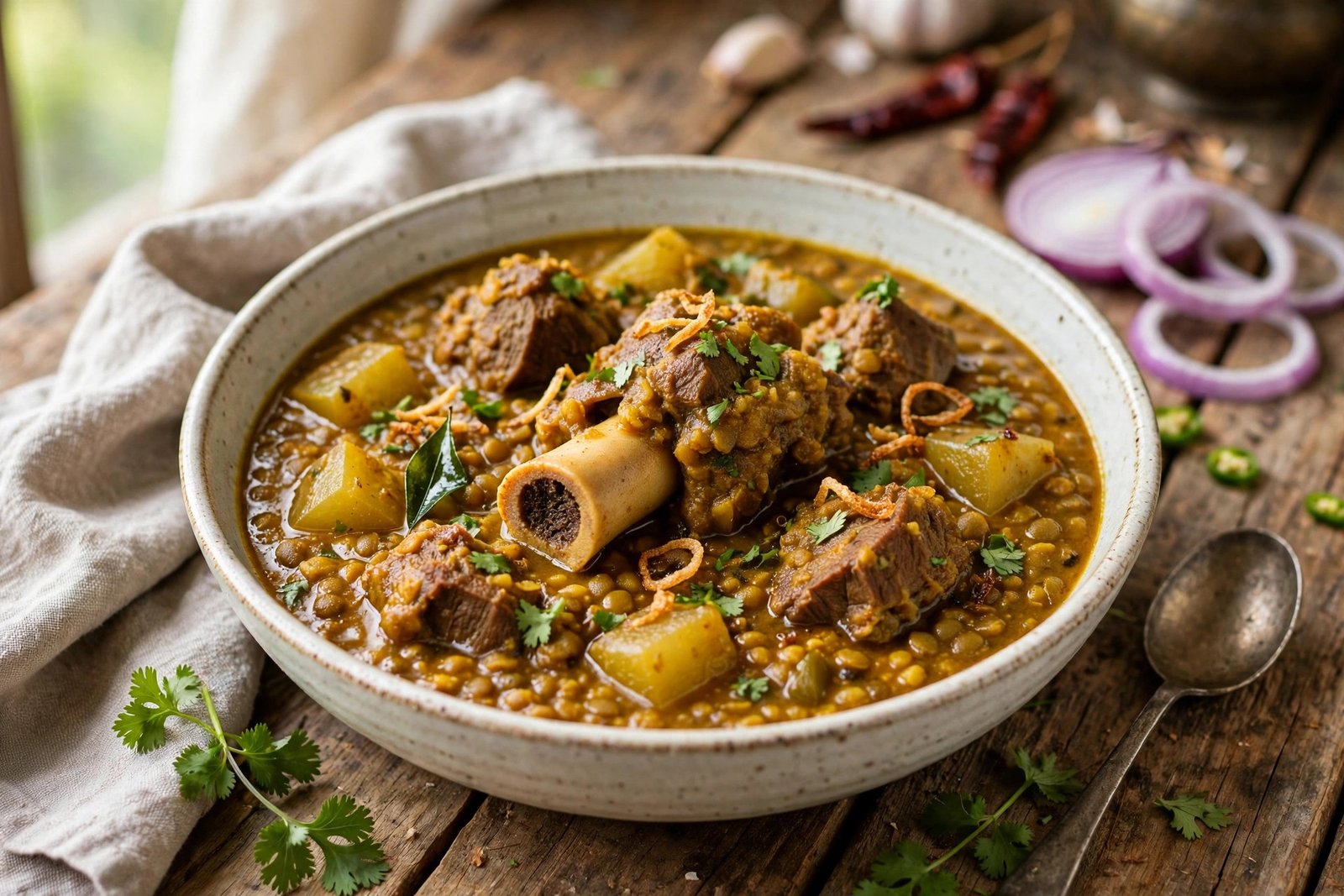
Soft yellow moong lentils cooked until creamy, with tomato, green chilli and a crackling cumin tadka. Moong daal is the gentlest dal in the desi kitchen: light, soothing and full of quiet flavour. Serve it with steamed rice, a spoon of ghee and a wedge of lemon for a simple one-pot family meal.
The story behind Moong Daal
Moong daal is one of the oldest and most loved lentils in South Asia, made from split mung beans that have been grown in the region for thousands of years. It appears in Ayurvedic cooking as a light, balancing food, and it is the dal that most desi families cook when they want something simple, nourishing and easy on the stomach. The split yellow dal cooks faster than any other lentil, which made it a practical choice long before pressure cookers existed.
In desi homes moong daal is the everyday dal. It is cooked for lunch with rice, for supper with chapati, and for anyone who is unwell, because it is gentle and easy to digest. It is also the first dal many children taste, and the one that new cooks learn first, because it is forgiving: it is hard to spoil, and it takes flavour well. The same pot can feed a toddler, a grandparent and a hungry worker.
What makes moong daal special is its softness. The lentils break down as they cook into a smooth, creamy dal that needs no blending and no cream. The flavour is mild and slightly sweet, which lets the tadka shine: hot ghee, crackling cumin and a dried red chilli poured over the top at the last moment. A squeeze of lemon at the end lifts the whole bowl, turning a plain dal into something bright and fresh.
Cook moong daal when you want a light, wholesome meal that still feels satisfying. It works as a one-pot family meal in Nigeria, served with rice and a spicy pepper sauce for those who want more heat. Make it on a busy weeknight, when there is little time but everyone still needs a proper dinner. A bowl of moong daal with rice and pickle is a complete meal on its own.
- Prep time
- 25 mins
- Cook time
- 30 mins
- Total time
- 55 mins
- Servings
- 4 servings
- Calories
- 290
Ingredients
- 1 cup split yellow moong dal, rinsed
- 3 cups water
- 1/2 teaspoon turmeric powder, 1 teaspoon cumin seeds and 1 teaspoon coriander powder
- 1 onion, finely chopped
- 2 tomatoes, finely chopped
- 2 green chillies, slit
- 1 teaspoon ginger, grated
- 1/2 teaspoon red chilli powder
- Salt to taste
- 2 tablespoons ghee or oil and 1 dried red chilli
- 1/4 teaspoon asafoetida (hing)
- Fresh coriander leaves, chopped
- 1 lemon, cut into wedges
Instructions
- Rinse the moong dal in several changes of water until the water runs clear. Put the dal in a pot with 3 cups of water and the turmeric. Bring to a boil over high heat, then skim off any foam that rises. Turn the heat down to low and simmer for 15 to 20 minutes, until the dal is soft and broken down. It should look creamy and pale yellow, with no hard grains left.
- While the dal simmers, heat a tablespoon of ghee in a separate pan over medium heat. Add half the cumin seeds and let them crackle for 20 seconds until they smell warm and nutty. Stir in the onion and cook for 4 to 5 minutes until soft and golden at the edges, stirring so it does not catch.
- Add the ginger and green chillies and cook for one minute until the raw ginger smell fades. Stir in the tomatoes, coriander powder and red chilli powder. Cook for 5 to 6 minutes, stirring often, until the tomatoes soften into a thick paste and the oil starts to glisten at the edges of the pan.
- Tip the tomato masala into the cooked dal and stir well. Simmer together for 8 to 10 minutes on low heat so the flavours come together. Whisk the dal well so the lentils break down into a smooth, creamy texture. If it is too thick, add hot water a splash at a time until it flows like a thick soup.
- Season with salt and taste. The dal should be mild, warm and savoury, with a gentle heat from the green chilli. Stir in half the chopped coriander and squeeze in a little lemon juice, which brightens the flavour at once. Keep the dal hot on the lowest heat while you make the final tadka.
- Now make the tadka. Heat the remaining tablespoon of ghee in a small pan over medium heat. When the ghee shimmers, add the rest of the cumin seeds and the dried red chilli. Let them crackle for 20 seconds, then add the asafoetida and swirl the pan. The kitchen should smell of toasted cumin and warm spice.
- Pour the sizzling tadka straight over the hot dal. You will hear a sharp hiss as the hot ghee meets the surface, and the smell of cumin will rise at once. Stir the tadka through the dal, or leave it on top for the table to see. Serve at once, while the tadka is still bright.
- Ladle the dal into bowls and scatter the rest of the coriander over the top. Serve with steamed rice or warm chapati, a spoon of pickle and a lemon wedge on the side. The dal should be creamy and smooth, with the tadka giving each spoonful a warm, toasty finish.
Pro tips
- Rinse the dal until the water runs clear. The rinse removes dust and loose starch, which keeps the dal from turning cloudy and gives it a cleaner, brighter flavour.
- Skim the foam as the dal comes to a boil. The white foam is harmless, but removing it keeps the dal clear and stops the pot from boiling over onto the stove.
- Whisk the dal well once it is cooked. A good whisk breaks down the soft lentils into a smooth, creamy texture without needing a blender. If you like it extra smooth, use a hand blender for a few seconds.
- Add salt at the end, not the start. Salt added too early slows the cooking of lentils. Season once the dal is soft, then simmer for a few minutes so the salt spreads through the pot.
- Make the tadka fresh and pour it on at the last moment. The sizzle and smell fade fast, so time it for when everyone is about to sit down. A fresh tadka also revives leftover dal the next day.
Variations & serving ideas
The classic version is mild and simple, but you can bend it in several directions. Add a handful of spinach or chopped tomato while the dal simmers for extra colour and fibre. Diced carrot, pumpkin or bottle gourd all work well and cook in the same time as the dal. For a richer version, stir in a spoon of cream or butter at the end, which is how some dhabas serve it.
If you want more heat, add an extra green chilli or a pinch of red chilli flakes to the tadka. A spoon of pickle stirred into your own bowl gives a sharp, spicy kick without changing the pot for everyone else. For a lighter version, use oil instead of ghee and keep the tadka small, though the flavour will be less round.
Serve moong daal with steamed basmati rice and a spoon of pickle, which is the classic pairing. It also works with chapati, naan or a slice of bread for scooping. A simple salad of onion, tomato and cucumber on the side adds crunch, and a glass of lassi or buttermilk cools the meal down.
This dal pairs well with other desi dishes. Serve it beside a dry vegetable sabzi and rice for a full vegetarian thali, or next to a chicken or fish curry when you want a mixed table. Leftover moong daal makes a good soup, thinned with hot water and finished with lemon, and it works well as a base for khichdi when cooked with rice. A spoon of ghee on top of each bowl just before serving gives the dal a rich, nutty finish that brings the whole meal together.
Getting it right
The skill in moong daal is cooking the lentils until they are truly soft. Rinse the dal well first, because the rinse removes dust and loose starch that makes the dal cloudy. Simmer it gently on low heat rather than boiling it hard, and skim the foam as it rises. The dal is ready when the grains have broken down and the mix looks creamy, which takes about 15 to 20 minutes in a pot.
Heat control matters in the tadka. The ghee must be hot enough for the cumin seeds to crackle the moment they hit the pan, but not so hot that they burn. Burnt cumin tastes bitter and will spoil the whole pot. Add the dried red chilli last, swirl the pan for a few seconds, and pour the tadka over the dal straight away. The hiss tells you it worked.
The most common mistake is under-seasoning. Lentils need a fair amount of salt, and the flavour fades as the dal cools, so taste it hot and season boldly. Another common fault is a thin, watery dal, which happens when too much water goes in at the start. Add water in stages and whisk the dal well at the end to break down the lentils. If the tadka tastes flat, the ghee was not hot enough, so wait until it shimmers before the seeds go in.
Storing & reheating
Moong daal keeps well in the fridge for up to 3 days in a sealed container, and it freezes well for up to 2 months. It thickens a lot as it cools, which is normal for moong dal, so do not worry if it looks almost solid when you open the box. Pack it in portions so you only reheat what you need.
Reheat gently in a pan over low heat with a splash of water, stirring often so the dal does not stick or catch on the bottom of the pan. Taste for salt before serving, since the flavour concentrates as the dal sits. A fresh tadka of ghee, cumin and dried chilli poured over the reheated dal brings back the smell and flavour of a just-cooked pot, and a squeeze of lemon wakes it up.
Frequently asked questions
Does moong daal cook quickly?
Yes. Moong dal cooks fast: about 15 minutes in a pot, or 2 whistles in a pressure cooker. It is one of the quickest dals to make from scratch, which is why it is a weeknight favourite in desi homes.
Is moong daal good for digestion?
Yes, it is one of the easiest lentils to digest. It is light, high in protein and fibre, and gentle on the stomach. It is often the first dal given to children and to anyone recovering from illness.
What is the difference between moong dal and whole moong?
Moong dal is split and skinned mung beans, which cook into a soft yellow dal. Whole green moong is the same bean with its skin on, and it takes longer to cook. For this recipe, use the split yellow moong dal, which is sold as moong dal in most shops.
Can I make moong daal ahead of time?
Yes, it keeps for 3 days in the fridge and freezes for up to 2 months. Add a splash of water when reheating, because it thickens a lot as it cools. A fresh tadka poured over the reheated dal brings it back to life.
Why is my moong daal watery?
It is usually too much water, or the dal was not cooked long enough. Simmer it uncovered for a few more minutes until it thickens, and whisk it well so the lentils break down. A good moong daal should coat the back of a spoon.
Can I add vegetables to moong daal?
Yes. Add spinach, chopped tomato, diced carrot or grated bottle gourd while the dal simmers. Vegetables add colour, fibre and flavour without changing the method. Add leafy greens in the last 5 minutes so they stay bright.