Chargha Recipe
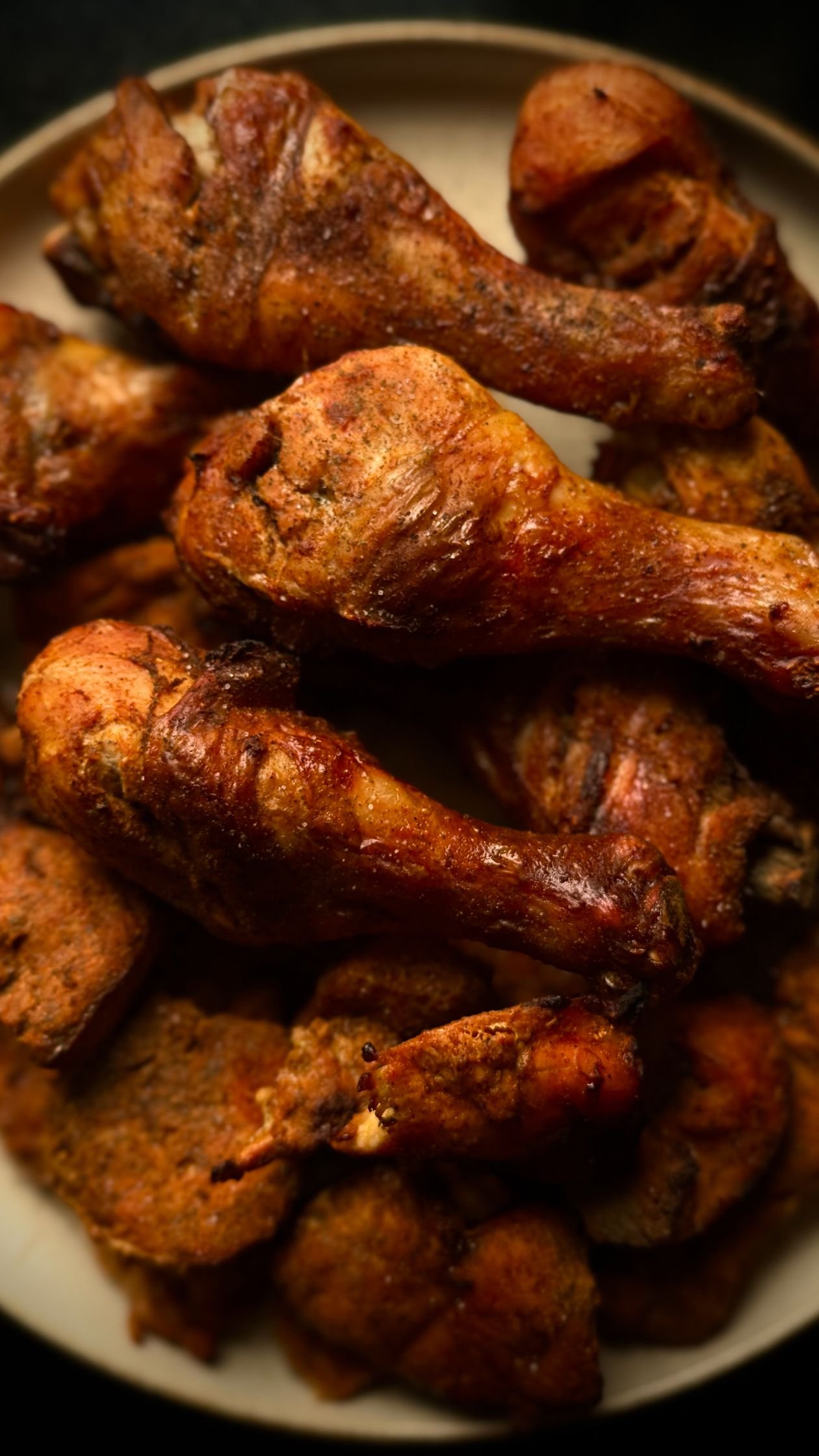
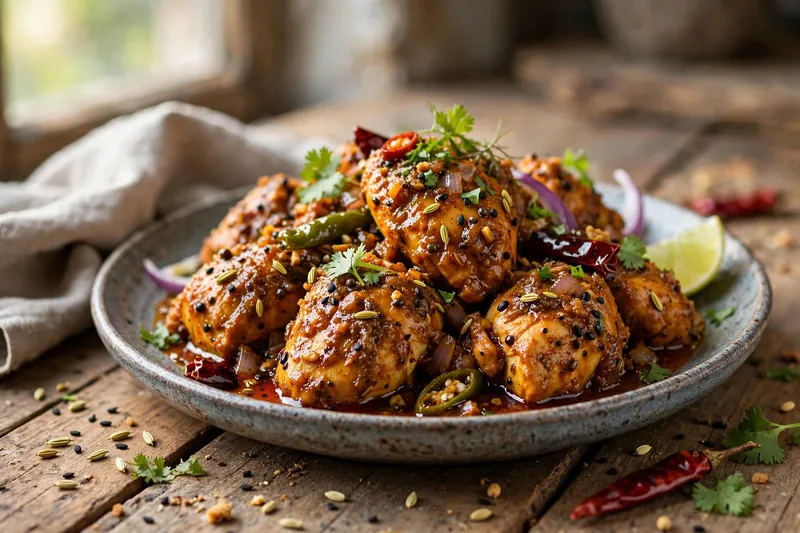
Chargha is a whole chicken steeped in a yogurt and spice marinade, then deep-fried until the skin turns deep golden and crackly while the meat inside stays tender and juicy. It is one of Lahore's great street foods: bold, fragrant and made for tearing apart with your hands. Serve it hot with naan, fries, lemon wedges and a sharp green chutney, and do not expect leftovers.
The story behind Chargha
Chargha belongs to Lahore, a city where food is taken seriously and the best dishes are the ones people argue about. It began as a whole chicken marinated in yogurt and spices, steamed until tender and then fried in hot oil until the skin crackled. Street vendors and small restaurants made it their own, each one guarding a slightly different spice mix, and it became a dish people crossed the city for. Today it is a fixture at family dinners, wedding menus and late-night food streets, and a good chargha shop is judged by the queue outside it.
In Lahori homes, chargha is celebration food. It is the dish that appears when guests come for dinner, when a son comes home after a long time away, or when the family simply wants a treat at the weekend. The whole bird is set down in the middle of the table and pulled apart by hand, piece by piece, with naan and chutney passed around. Children fight over the crispy wings, the elders take the legs, and nobody is in a hurry. The meal is as much about sitting together as it is about the chicken.
What makes chargha special is the contrast in every bite. The outside is crisp, deeply golden and edged with spice, while the inside is soft, juicy and flavoured all the way to the bone by the long marinade. Yogurt tenderises the meat and helps the spices cling, lemon brightens the richness, and the hot oil finishes the job by sealing everything in a crackling crust. Unlike a roast, where the flavour sits mostly on the skin, a chargha carries its spice deep inside, because the marinade has had hours to work through the cuts scored into the meat.
Cook chargha when you want a showpiece for a weekend dinner or a gathering of friends. Start the marinade the night before or first thing in the morning, because the hours in the fridge are what make the flavour reach the bone. Fry it just before serving, so it comes to the table hot, crisp and glistening, and have the naan warm, the fries ready and the chutney on the table before the chicken leaves the oil.
- Prep time
- 1 hr 20 mins
- Cook time
- 45 mins
- Total time
- 2 hrs 5 mins
- Servings
- 4 servings
- Calories
- 620
Ingredients
- 1 whole chicken (about 1.2 kg), giblets removed
- 1 cup (240 g) full-fat yogurt, whisked smooth
- 2 tablespoons ginger-garlic paste
- 2 teaspoons red chilli powder
- 1 teaspoon turmeric powder
- 1 teaspoon garam masala
- 1 teaspoon ground cumin
- 2 tablespoons lemon juice
- 1 tablespoon salt, plus more to taste
- 1 litre oil, for deep frying
- 1 teaspoon chaat masala, to serve
- 2 lemons, cut into wedges, and fresh coriander, to serve
Instructions
- Rinse the chicken inside and out under cold running water and pat it completely dry with kitchen paper. Make 3 deep slashes on each breast, 2 on each thigh and 2 on each drumstick, cutting to the bone so the marinade reaches the meat.
- Whisk the yogurt in a large bowl until smooth, then stir in the ginger-garlic paste, red chilli powder, turmeric, garam masala, cumin, lemon juice and salt. It should be thick enough to coat a spoon and a warm, rusty red. Taste a little: it should be salty, sour and warm with chilli.
- Rub the marinade all over the chicken, deep into every slash and under the breast skin. Spoon some inside the cavity too, leaving no patch of skin bare. Cover tightly and leave in the fridge for at least 1 hour, though 4 hours or overnight is better.
- Take the chicken out 30 minutes before cooking so it is not cold when it meets the heat. Set a steamer over a pot of boiling water, place the chicken on the rack, cover with a tight lid and steam for 15 minutes. The meat near the bone starts to cook, so the frying can focus on crisping the skin.
- Lift the steamed chicken out and set it on a rack over a tray. Cool for 10 minutes, then pat the skin dry, wiping off thick clumps of marinade, because wet marinade spits in hot oil and stops the skin crisping.
- Heat the oil in a deep pot or karahi over medium heat to 170 to 175C. Test with a drop of marinade: it should sizzle at once and rise, but not spit violently. Keep a lid nearby in case of any flare-up.
- Lower the chicken in very slowly, breast side down, with two long spoons or tongs. It will bubble fiercely at first, so keep your hands and face well back. Fry 8 minutes, turn carefully, then fry 8 more minutes, spooning hot oil over the top.
- Turn once more and fry 5 to 7 minutes more, until the skin is dark golden and crackling and the thigh juices run clear when pierced. If the skin darkens too fast, turn the heat down a little. A thermometer in the thigh should read 74C.
- Set the chargha on a wire rack, not a plate, and rest for 10 minutes. A rack keeps air moving underneath, so the bottom stays crisp instead of steaming soft. Sprinkle chaat masala over the top, tuck lemon wedges around it, scatter the coriander, then serve hot with naan, fries and chutney.
Pro tips
- Score the chicken deeply, right down to the bone. Shallow cuts leave the meat near the bone bland, while deep cuts let the marinade and the heat reach every part of the bird.
- Marinate for at least 4 hours if you can, and overnight if you have the time. A short marinade flavours only the skin, while a long one seasons the meat all the way through.
- Steam the chicken before frying. This one step cooks the meat near the bone gently, so the frying stage only has to crisp the skin, and the bird never comes out raw in the middle.
- Keep the oil at 170 to 175C and do not crowd the pot. Oil that is too hot burns the spice coating, oil that is too cool soaks into the skin and makes it greasy. A thermometer takes the guesswork out of it, and it is worth owning one.
- Rest the chargha on a wire rack, never on a flat plate. A plate traps steam under the bird and turns the crisp bottom soggy within minutes, undoing all your frying work.
Variations & serving ideas
For a lighter chargha, skip the deep frying and roast the marinated bird instead. Steam it for 15 minutes as usual, then roast at 200C for 35 to 40 minutes, brushing it with oil twice as it cooks. The skin will not be quite as crackly, but the meat will be just as well flavoured and the dish will be far less oily. An air fryer works the same way: cook at 190C for 25 to 30 minutes, turning once, until the skin is crisp and golden.
A spicier chargha suits those who like real heat. Add 1 extra teaspoon of red chilli powder and 2 finely chopped green chillies to the marinade, plus a pinch of crushed dried red chilli flakes on the skin before frying. The heat builds slowly and sits warmly at the back of the throat rather than hitting all at once. Serve it with a cooling yogurt raita and plenty of lemon, because the sourness tames the chilli and keeps the dish balanced.
Some Lahori cooks add a pinch of orange or red food colour to the marinade for the bright, restaurant-style look. It changes nothing about the flavour, so it is entirely optional, and the turmeric already gives the chicken a warm golden colour. Another popular twist is a tikka-style marinade with extra yogurt and a spoonful of mustard oil, which adds a sharp, pungent note to the crust. Try the plain version first, then adjust the spice mix to your own taste.
Serve chargha with warm naan, a pile of crisp fries and a sharp green chutney of coriander, mint and green chilli. A fresh salad of onion, tomato and cucumber cuts through the richness, and a bowl of plain yogurt or raita cools the spice. For a bigger spread, add a simple daal or a pulao, but keep the sides light, because the chicken is rich and filling. Cold drinks suit the meal, and the leftovers, if there are any, make excellent sandwiches the next day. A pot of green tea after the meal is the traditional way to finish, and it settles the richness.
Getting it right
The key technique in chargha is the two-stage cook: steam first, then fry. Steaming cooks the meat gently from the inside, so the thickest parts near the bone are already done before the bird meets the oil. Frying then has one job only, which is to crisp the skin and set the spice crust. Cooks who skip the steaming often end up with a bird that is burnt outside and pink inside, because frying alone cannot get heat to the bone fast enough without scorching the coating.
Oil temperature is the second thing to control. At 170 to 175C, the skin crisps quickly and the oil stays out of the meat. Hotter than that and the spice coating burns black before the skin has crisped; cooler and the chicken sits in the oil, soaking it up like a sponge, and comes out heavy and greasy. Use a thermometer if you have one, and if you do not, test with a drop of marinade: it should sizzle hard and rise at once. Fry the bird on its own, never with anything else in the pot.
The most common mistake is frying a cold, wet chicken straight from the fridge, which drops the oil temperature and makes the coating steam instead of crisp. Always bring the bird to room temperature, steam it, and pat the skin dry before it goes into the oil. The second mistake is using too little oil: the chicken must be mostly covered, or the parts above the oil will cook unevenly and stay pale. The third is cutting into the bird the moment it leaves the pot, which lets the juices run out. Rest it on a rack for 10 minutes.
Storing & reheating
Leftover chargha keeps in the fridge for 2 to 3 days. Let it cool completely, then store the pieces in a covered container. The skin will soften in the fridge, which is normal, and the meat stays moist if you keep the pieces together. It also freezes well for up to 2 months; wrap the pieces in foil and seal them in a freezer bag.
Reheat in the oven or an air fryer, never in the microwave if you want the skin back. Heat the oven to 190C, set the pieces on a rack over a tray and warm them for 12 to 15 minutes until hot through and crisp again. The air fryer does the same job in 8 to 10 minutes at 180C. A microwave will warm the meat but leaves the skin soft and chewy, so use it only when there is no other option.
Frequently asked questions
What is chargha and where does it come from?
Chargha is a whole chicken marinated in yogurt and spices, then deep-fried until crisp, from Lahore. The bird is usually steamed first so the meat cooks through, then fried so the skin turns deep golden and crackly. The yogurt marinade keeps the meat tender while the spices work deep into the cuts.
Do I have to steam the chicken before frying?
Steaming is strongly recommended. It cooks the meat near the bone gently, so the frying stage only has to crisp the skin. Without it, the outside often burns before the inside is done, especially with a large bird. It also shortens the frying time, so the skin has less chance to burn.
How long should I marinate chargha?
At least 1 hour, but 4 hours or overnight is much better. The yogurt and spices need time to work through the cuts into the meat. A short marinade flavours only the skin, so plan ahead when you can. Overnight in the fridge gives the deepest flavour of all.
What oil temperature should I fry chargha at?
Between 170 and 175C. Hotter oil burns the spice coating, while cooler oil soaks into the skin and makes it greasy. Use a thermometer if you have one, or test with a drop of marinade that should sizzle at once.
Can I make chargha in the oven or air fryer?
Yes. Steam the bird first, then roast at 200C for 35 to 40 minutes, brushing with oil twice, or air fry at 190C for 25 to 30 minutes. The skin will not be quite as crackly as the fried version, but the flavour is the same.
Why did my chargha turn out greasy?
The oil was probably too cool, or the chicken went in cold and wet. Always bring the bird to room temperature, pat the skin dry after steaming, and keep the oil at 170 to 175C so the skin crisps instead of soaking up oil.