Sichuan Green Beans Recipe
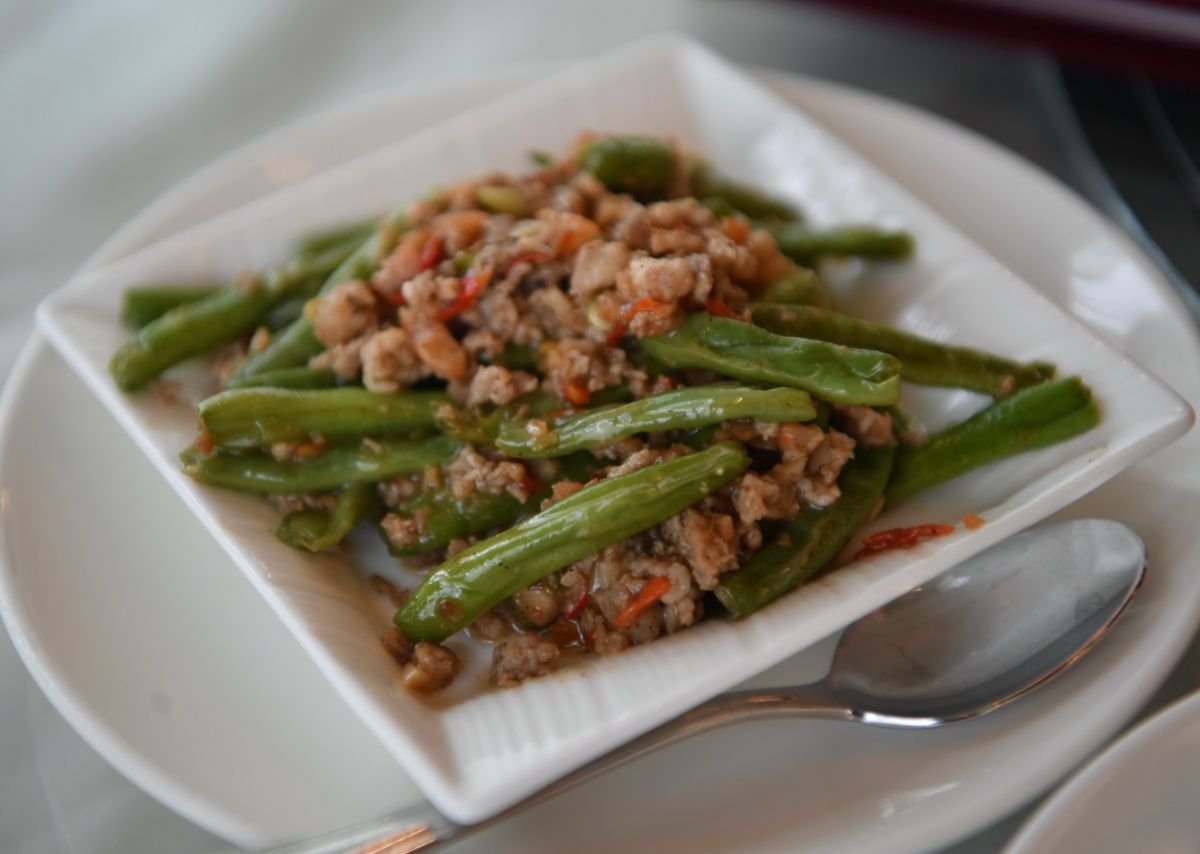
Sichuan green beans are blistered in a hot wok until they wrinkle and char at the edges, then tossed with garlic, chilli and preserved mustard greens. The beans stay crisp inside while the outside turns smoky and savoury, with a tingle of Sichuan pepper that wakes your tongue. Serve them as a bold side dish or a light main with rice for a UK Sunday lunch with a bit of fire.
The story behind Sichuan Green Beans
Green beans dry-fried in a wok are a classic of Sichuan cooking, a region of China famous for bold, spicy food. The dish began as a way to cook beans with very little oil in a hot wok, letting the fierce heat wrinkle and blister the pods while keeping the inside crisp. Cooks in Sichuan have used this dry-frying method for generations, and it spread from home kitchens to restaurants across China and then around the world. The method grew out of home cooking, where a wok and a fierce flame were the fastest way to turn a basket of beans into dinner.
In Sichuan, the dish is often served as part of a family meal with rice and several other dishes on the table, from mapo tofu to twice-cooked pork. The beans bring crunch and heat to a spread that might otherwise feel heavy, and their tingling Sichuan pepper is a signature of the region. Meals in Sichuan are shared from the centre of the table, and everyone reaches for the beans between bites of rice. A good Sichuan meal always has contrast on the table, with something hot and tingly next to something mild, so the palate never gets tired.
What makes this dish special is the contrast in every bite. The beans are crisp inside and charred outside, the pork adds savoury richness, and the Sichuan peppercorns give a tingling, almost electric warmth that is unlike any other spice. The preserved mustard greens add a deep, salty note that ties the whole dish together. It is a side dish that often steals the show from the main course. The preserved mustard greens are the quiet hero of the dish, adding a deep, salty flavour that no fresh ingredient can replace.
Cook this when you want a side dish with real character, or when the meal needs something bold and crunchy. It suits a UK Sunday lunch with a bit of fire, when the table is full and everyone wants something to pick at, or a quick weeknight dinner with rice and a fried egg. The beans cook fast, so have everything ready before the wok gets hot. Once the wok is hot and the ingredients are chopped, the whole dish cooks in about ten minutes, which makes it a reliable choice for busy evenings.
- Prep time
- 15 mins
- Cook time
- 15 mins
- Total time
- 30 mins
- Servings
- 4 servings
- Calories
- 320
Ingredients
- 500 g green beans, trimmed
- 3 tablespoons vegetable oil
- 150 g minced pork
- 4 garlic cloves, finely chopped
- 1 tablespoon fresh ginger, finely grated
- 4 dried red chillies, snipped in half
- 1 teaspoon Sichuan peppercorns
- 3 tablespoons ya cai preserved mustard greens, rinsed
- 2 tablespoons soy sauce
- 1 tablespoon Shaoxing wine
- 1 teaspoon sugar
- 1 teaspoon sesame oil
- 2 spring onions, thinly sliced
- 1 teaspoon chilli flakes, to serve
Instructions
- Wash the green beans and dry them thoroughly with a clean tea towel, then again with paper towels until no water remains. Wet beans steam in the pan instead of blistering, so this step matters more than it looks. Trim the ends and set the beans aside in a bowl near the stove.
- Heat the oil in a large wok or wide frying pan over high heat until it shimmers and a wisp of smoke rises from the surface. The pan must be very hot, since the beans need fierce heat to wrinkle and char. Add the beans in a single layer and let them sit for 1 minute without moving them. If the pan is not hot enough, the beans will soften before they char, so wait for the oil to shimmer and a thin wisp of smoke to rise.
- Toss the beans and cook for 5 to 6 minutes, stirring every 30 seconds, until they are wrinkled and blistered with dark charred spots in places. You will hear them sizzle hard and smell a faint smokiness. Lift them out with a slotted spoon and set them aside on a plate.
- Lower the heat to medium and add the minced pork to the same wok, breaking it up with a spoon. Cook for 3 to 4 minutes, stirring often, until the pork is browned and crumbly and smells savoury. The pork should be broken into small pieces, not left in large clumps.
- Push the pork to one side and add the garlic, ginger, dried chillies and Sichuan peppercorns to the empty space. Fry for 30 seconds, stirring constantly, until the garlic smells fragrant and the chillies darken slightly. The peppercorns will start to pop and release their tingling, citrusy scent.
- Stir in the preserved mustard greens and cook for 1 minute, then return the green beans to the wok. Toss everything together so the beans pick up the pork and the aromatics. The wok should smell rich, spicy and savoury all at once.
- Pour in the soy sauce, Shaoxing wine and sugar, and toss for 1 minute more so the sauce coats every bean. The liquid will sizzle and reduce quickly in the hot wok. Taste a bean and add a little more soy sauce if it needs salt. The sauce should hiss loudly when it hits the pan and reduce almost at once, leaving the beans glossy rather than wet.
- Drizzle over the sesame oil and scatter the spring onions over the top, then give the wok one last toss. The beans should look glossy and flecked with chilli and pork, with a few dark blistered patches. Serve at once while the beans are still hot and crisp, with the chilli flakes on the side.
Pro tips
- Dry the beans completely with paper towels before cooking, since any water left on them will steam in the pan and stop them from blistering properly, and wet beans also spit hot oil.
- Use a wok or the widest pan you own and cook the beans in a single layer, so every bean touches the hot metal and chars evenly.
- Keep the heat very high for the beans and drop it to medium for the garlic and chillies, since both burn in seconds and turn bitter if the pan is too hot, so watch them closely.
- Do not crowd the pan; cook the beans in two batches if needed, because a crowded wok drops in temperature and the beans turn soft instead of wrinkled.
- Taste a bean before you serve and adjust the salt with a little more soy sauce, since the preserved greens vary in saltiness and the dish needs a final check before it leaves the pan.
Variations & serving ideas
You can make this dish vegetarian by leaving out the pork and adding crumbled firm tofu or a handful of sliced mushrooms for body. The preserved mustard greens carry plenty of savoury flavour on their own, so the dish does not feel thin without meat. A spoonful of black bean sauce adds extra depth if you have it in the cupboard. A spoonful of black bean sauce adds extra depth if you have it in the cupboard, and a few drops of sesame oil at the end give a warm, nutty finish.
For a milder version, use fewer dried chillies and leave out the chilli flakes, keeping the Sichuan peppercorns for their tingling warmth rather than pure heat. For more fire, add a spoonful of chilli bean paste with the garlic, which gives a deeper, richer heat that builds slowly. The dish is easy to adjust, so taste and season to your own comfort. For more fire, add a spoonful of chilli bean paste with the garlic, which gives a deeper, richer heat that builds slowly rather than hitting all at once.
Serve the beans as a side dish with steamed rice and a main course such as braised pork or steamed fish, or make them the star of a light meal with rice and a fried egg. For a UK Sunday lunch, a bowl of these beans alongside roast chicken brings a welcome bit of spice to the table. They are also good cold the next day in a lunchbox. For a UK Sunday lunch, a bowl of these beans alongside roast chicken brings a welcome bit of spice to the table, and they are also good cold the next day in a lunchbox.
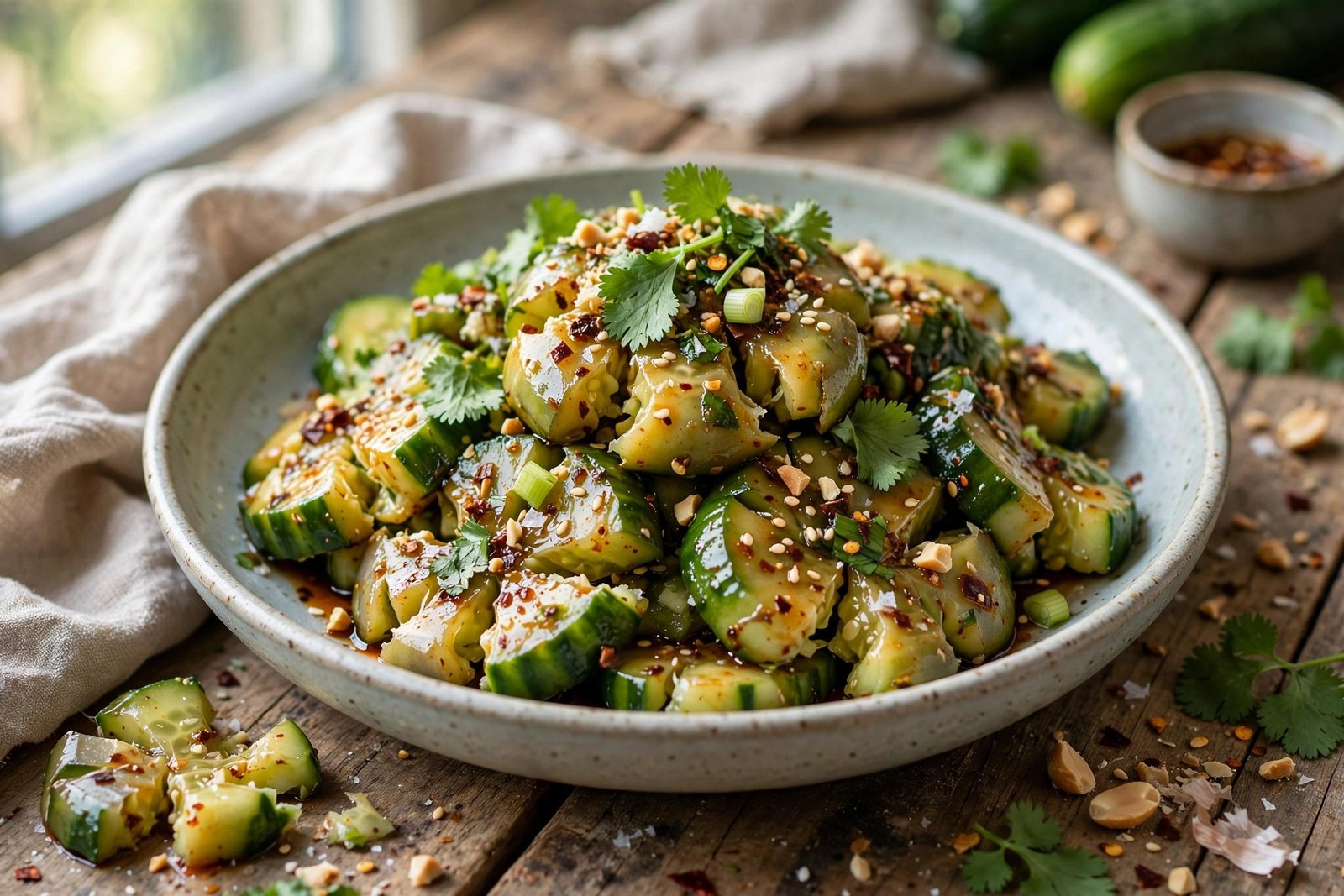
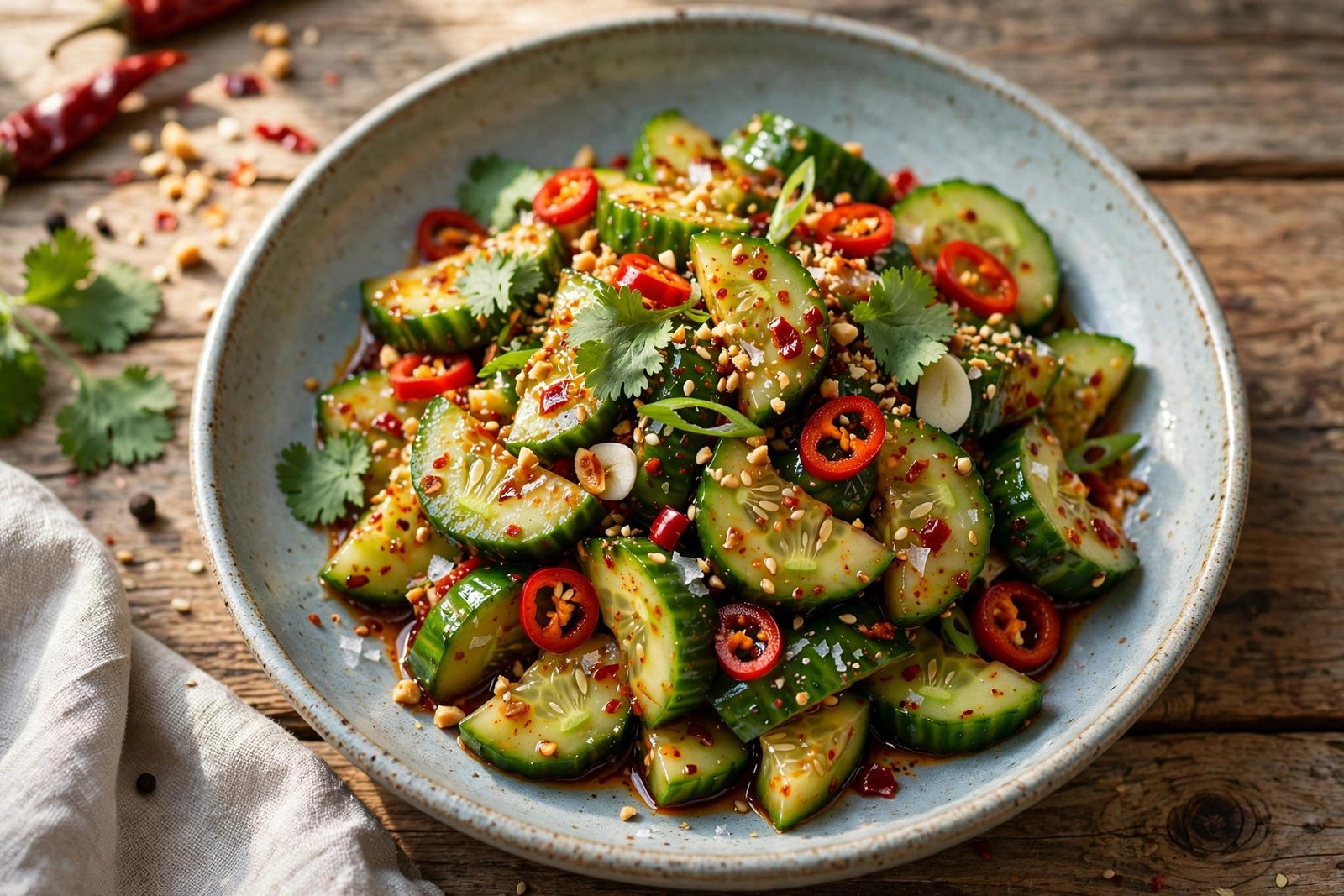
Pair the dish with a cold lager, a glass of iced green tea, or sparkling water with lemon. Keep the drinks cold and refreshing, since the heat of the dish builds as you eat. A simple cucumber salad on the side cools the palate between bites and adds a fresh crunch. A simple cucumber salad on the side cools the palate between bites and adds a fresh crunch that balances the heat of the beans.
Getting it right
The key technique is dry-frying the beans in a very hot wok with just enough oil to coat the pan. The beans need fierce heat and room to move, so cook them in a single layer and let them sit still for a minute before tossing. The blistering happens when the surface of the bean dries out and chars, which is why the beans must be completely dry before they go in. Let the beans sit still in the pan for a full minute at first, since the contact with the hot metal is what builds the blistered, wrinkled skin.
Heat control matters twice in this dish. First, the wok must be smoking hot before the beans go in, or they will steam and turn soft instead of wrinkling. Second, the heat must come down to medium when the garlic and chillies go in, since both burn in seconds at high heat and turn bitter. Keep the aromatics moving and work fast once they hit the pan. If the garlic starts to turn brown, add the sauce at once, since a few seconds of extra heat is all it takes for garlic to go from fragrant to bitter.
The most common mistake is crowding the wok, which drops the temperature and makes the beans steam instead of blister. Cook in two batches if your pan is small, and let each batch get properly wrinkled before you take it out. The other common slip is adding the soy sauce too early, which steams the beans and washes away the char you just built. Season at the very end, when the beans are already blistered. Season at the very end, when the beans are already blistered, so the soy sauce coats the outside instead of steaming away the char you just built.
Storing & reheating
Leftover Sichuan green beans keep in the fridge for up to two days in a sealed container, though they lose some of their crispness overnight. The flavour actually deepens as the beans sit in the sauce, so they make a good next-day side. Reheat them in a hot wok for 2 minutes to bring back some of the texture.
To reheat, warm a little oil in a wok over high heat and toss the beans for 2 minutes until hot through. Avoid the microwave, which steams the beans and turns them soft and limp. The beans do not freeze well, since freezing ruins their crisp bite, so cook only what you need for the meal and enjoy the leftovers within two days.
Frequently asked questions
What green beans are best for this dish?
Fresh green beans should snap cleanly when you bend them and feel firm, not bendy or soft. Look for bright green pods with no brown spots or wrinkled skin. Thinner beans blister faster and taste better than thick, tough ones.
Can I make this without deep frying?
Yes, a dry-frying method in a hot wok with a little oil gives the same blistered, wrinkled result as deep frying, with far less oil. Keep the beans moving so they char evenly, and let them sit still for a few seconds at a time to build up colour. The pan needs to be properly hot.
Is this dish vegetarian?
Yes, the dish is naturally vegetarian if you leave out the pork mince, and the preserved mustard greens give plenty of savoury depth on their own. Add crumbled firm tofu or a handful of mushrooms for extra body if you want a heartier version.
How do I know when the beans are done?
The beans should be wrinkled and blistered on the outside with a few dark charred spots, but still bright green and crisp when you bite into one. If they look pale and smooth, they need more time in the hot pan. If they turn limp and olive green, they have gone too far.
How spicy is this dish?
The heat comes mainly from the dried chillies and the Sichuan peppercorns, so use fewer chillies for a milder version and leave the seeds in for more fire. The Sichuan pepper gives a tingling, numbing warmth rather than pure heat, so a little goes a long way.
Can I use frozen green beans?
Yes, you can use frozen green beans, though they will never blister quite as well as fresh ones. Thaw them fully and pat them very dry with paper towels before they go into the wok, since wet beans steam instead of charring and turn soft.