Sichuan Noodles Recipe
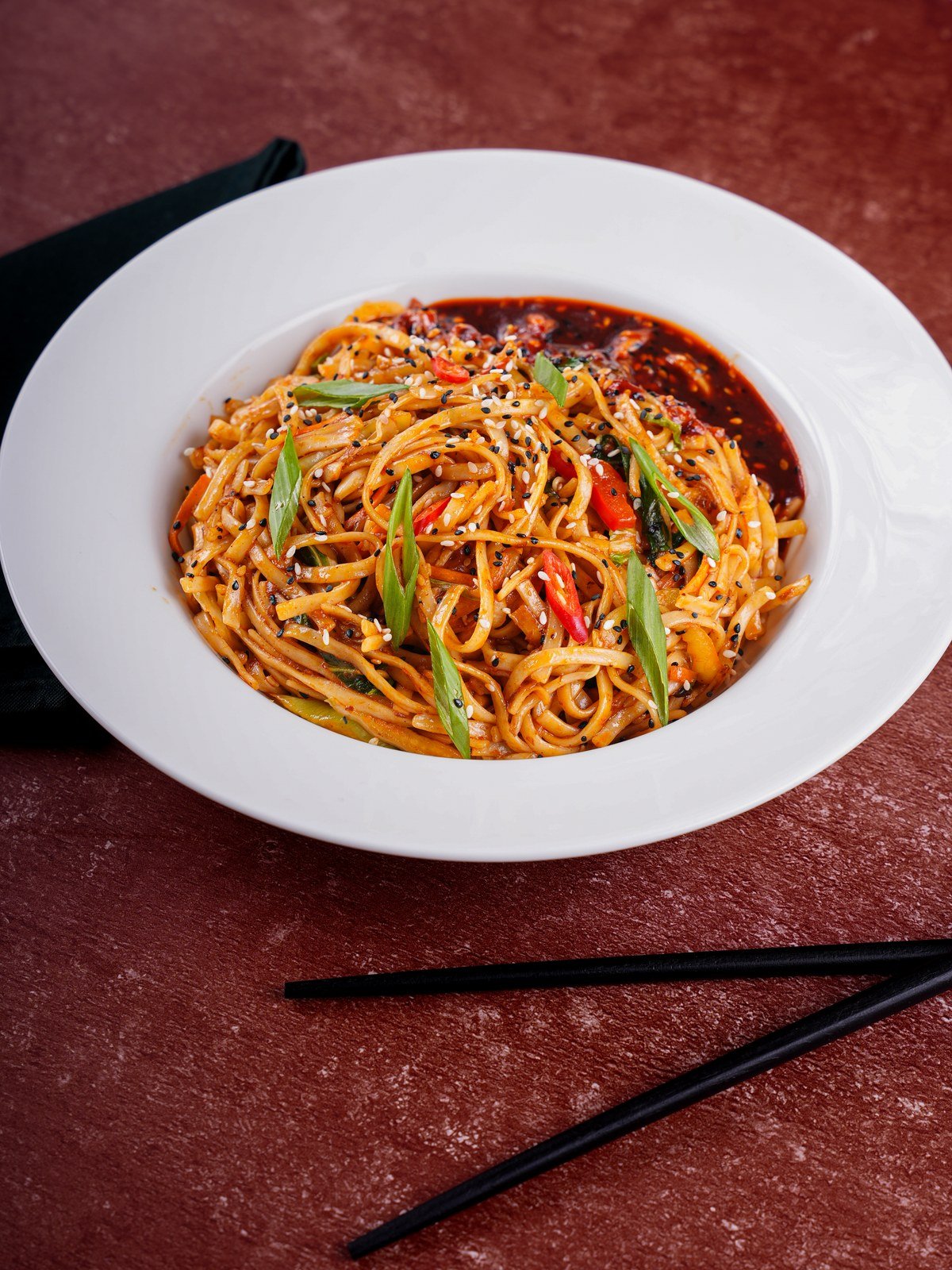
Sichuan noodles are the bowl you reach for when you want heat, comfort and big flavour all at once. Wheat noodles are tossed in a sauce of chilli oil, sesame paste, soy and black vinegar, then topped with savoury pork mince and spring onions. The first bite is rich and nutty, then the chilli and the tingling Sichuan pepper arrive, and you keep going back for more. A bowl that turns an ordinary evening into something special.
The story behind Sichuan Noodles
Sichuan cooking comes from the south-west of China, a province famous for food that is bold, spicy and deeply seasoned. Its signature is mala, the combination of chilli heat and the strange, mouth-tingling numbness of Sichuan peppercorns. Noodle dishes are at the heart of the region's street food, sold from small shops and market stalls where cooks work fast over fierce flames. The food of Sichuan is shaped by its damp climate and its history as a trading hub, where chillies arrived from the Americas and peppercorns grew in the hills, and cooks learned to use both to keep food safe and appetising in the heat.
Dan dan noodles are the most famous Sichuan noodle dish, named for the carrying pole, or dan dan, that street vendors once used to balance a pot of noodles on one end and a pot of sauce on the other. The original was a small snack bowl, mostly noodles and sauce with just a little pork on top, eaten standing in the street. Over time it grew into a full meal, with more toppings and a richer sauce. Some shops still serve it the old way, in a small bowl with just enough noodles for a snack, while others pile it high as a full meal with egg, greens and extra pork.
What makes these noodles special is the balance of the sauce. Sesame paste gives body and a nutty depth, chilli oil brings heat and colour, black vinegar adds a sour edge that cuts through the richness, and soy sauce ties it together with salt. The Sichuan pepper is the quiet star: it does not taste hot, but it makes your lips buzz in a way that makes the chilli feel brighter. A little sugar softens the edges, and the black vinegar adds a sour note that keeps the richness from becoming heavy, so each mouthful stays balanced.
Cook it on a cold evening, or any night when you want a meal that wakes you up. It suits a quick dinner for two, a casual meal with friends, or a solo bowl at the kitchen counter. Serve it with a cold drink and a pile of napkins, and eat it while the noodles are still hot and the sauce is slick.
- Prep time
- 15 mins
- Cook time
- 15 mins
- Total time
- 30 mins
- Servings
- 4 servings
- Calories
- 540
Ingredients
- 400 g fresh wheat noodles or dried egg noodles
- 250 g pork mince
- 3 tablespoons chilli oil, plus extra to serve
- 3 tablespoons Chinese sesame paste (or tahini)
- 2 tablespoons light soy sauce
- 1 tablespoon black rice vinegar
- 1 tablespoon Shaoxing wine
- 1 teaspoon sugar
- 1 teaspoon Sichuan peppercorns, toasted and ground
- 3 garlic cloves, finely chopped
- 1 tablespoon grated fresh ginger
- 4 spring onions, finely sliced
- 1 tablespoon vegetable oil
- 60 g roasted peanuts, roughly chopped
Instructions
- Toast the Sichuan peppercorns in a dry frying pan over medium heat for 1 to 2 minutes, until they smell warm and floral and start to pop faintly. Tip them into a mortar and grind to a fine powder. This fresh grind is much stronger than shop-bought ground pepper. Shake the pan often so the peppercorns toast evenly and do not scorch on one side.
- Whisk the sesame paste, chilli oil, soy sauce, black vinegar, sugar and half the ground Sichuan pepper in a bowl. Add 3 tablespoons of warm water a spoonful at a time, whisking until the sauce turns smooth, loose and pourable. Taste and add more chilli oil if you want it hotter.
- Heat the vegetable oil in a wok or wide frying pan over high heat. Add the pork mince and break it up with a spatula, spreading it flat so it browns. Cook for 4 to 5 minutes, until the meat is browned and crisp at the edges and the fat has rendered out.
- Add the garlic and ginger to the pork and cook for 1 minute, stirring, until the pan smells warm and fragrant. Pour in the Shaoxing wine and let it bubble away for 30 seconds, scraping up any browned bits from the bottom of the pan.
- Season the pork with a pinch of salt and the rest of the ground Sichuan pepper. Cook for 1 minute more, then take the pan off the heat and set it aside. The mince should be dark, crumbly and full of flavour.
- Bring a large pot of water to a rolling boil and cook the noodles as the packet directs, usually 3 to 5 minutes for fresh noodles. Fresh noodles cook fast, so taste one a minute early. Drain well, shaking the colander to get rid of as much water as you can.
- Divide the noodles between 4 warm bowls and spoon the sauce over the top. Toss with chopsticks or tongs until every strand is coated in a glossy, reddish-brown layer. The noodles should look slick and smell of sesame and chilli. Use tongs or chopsticks and lift the noodles high so the sauce falls through every strand.
- Top each bowl with a generous spoonful of the pork mince, a scatter of spring onions and the chopped peanuts. The peanuts add crunch and a roasted note that balances the soft noodles.
- Serve at once, with extra chilli oil and black vinegar on the table so everyone can adjust their own bowl. Toss everything together before eating, so the pork and sauce mix through the noodles.
Pro tips
- Toast and grind the Sichuan peppercorns yourself. Shop-bought ground pepper loses its tingle fast, while a fresh grind makes your lips buzz properly. Toast them gently and grind just before cooking. Store any leftover ground pepper in a small sealed jar, as it loses its tingle within a few days once ground.
- Loosen the sesame paste with warm water a spoonful at a time. It will seize up and look grainy at first, then suddenly turn smooth. Keep whisking through that stage and it will come together.
- Brown the pork properly. Spread it flat in a hot pan and leave it alone for a minute before you stir, so it crisps at the edges. Grey, steamed mince makes a flat topping. A cast iron pan holds its heat well for this step, but any wide, heavy pan will do.
- Drain the noodles well. Water clinging to the strands thins the sauce and makes the bowl taste washed out, so shake the colander hard and toss the noodles in the sauce straight away.
- Taste the sauce before the noodles go in. It should be bold, salty, sour and hot on its own, because the plain noodles will soften it. Adjust the vinegar or chilli oil now, not after serving.
Variations & serving ideas
For a vegetarian version, swap the pork for finely chopped mushrooms or crumbled firm tofu. Fry the mushrooms until their edges crisp and they smell roasted, then season them the same way. The dish stays rich and savoury, and the mushrooms soak up the sauce well. A spoonful of peanut butter stirred into the sauce makes it richer and slightly sweeter, though you should cut the sugar back if you try it.
Add a soft-boiled egg on top for a richer bowl. Boil the egg for 6 and a half minutes, cool it in cold water, peel and halve it. The runny yolk mixes into the sauce and softens the heat. Slice the egg thinly and lay the strips on top, which looks pretty and lets the yolk mix through the noodles as you eat. Pickled mustard greens, chopped fine and scattered on top, add a sharp, salty crunch that cuts through the sesame and wakes the whole bowl up. A handful of blanched bok choy or bean sprouts adds freshness and crunch.
If you cannot find Chinese sesame paste, use tahini with a teaspoon of sesame oil stirred in. The flavour is close, though a little less roasted. Peanut butter works in a pinch, but it makes the sauce sweeter, so cut the sugar and add an extra splash of vinegar. Fresh wheat noodles are the best choice, but dried egg noodles or even spaghetti will carry the sauce in a pinch, though the texture will be softer.
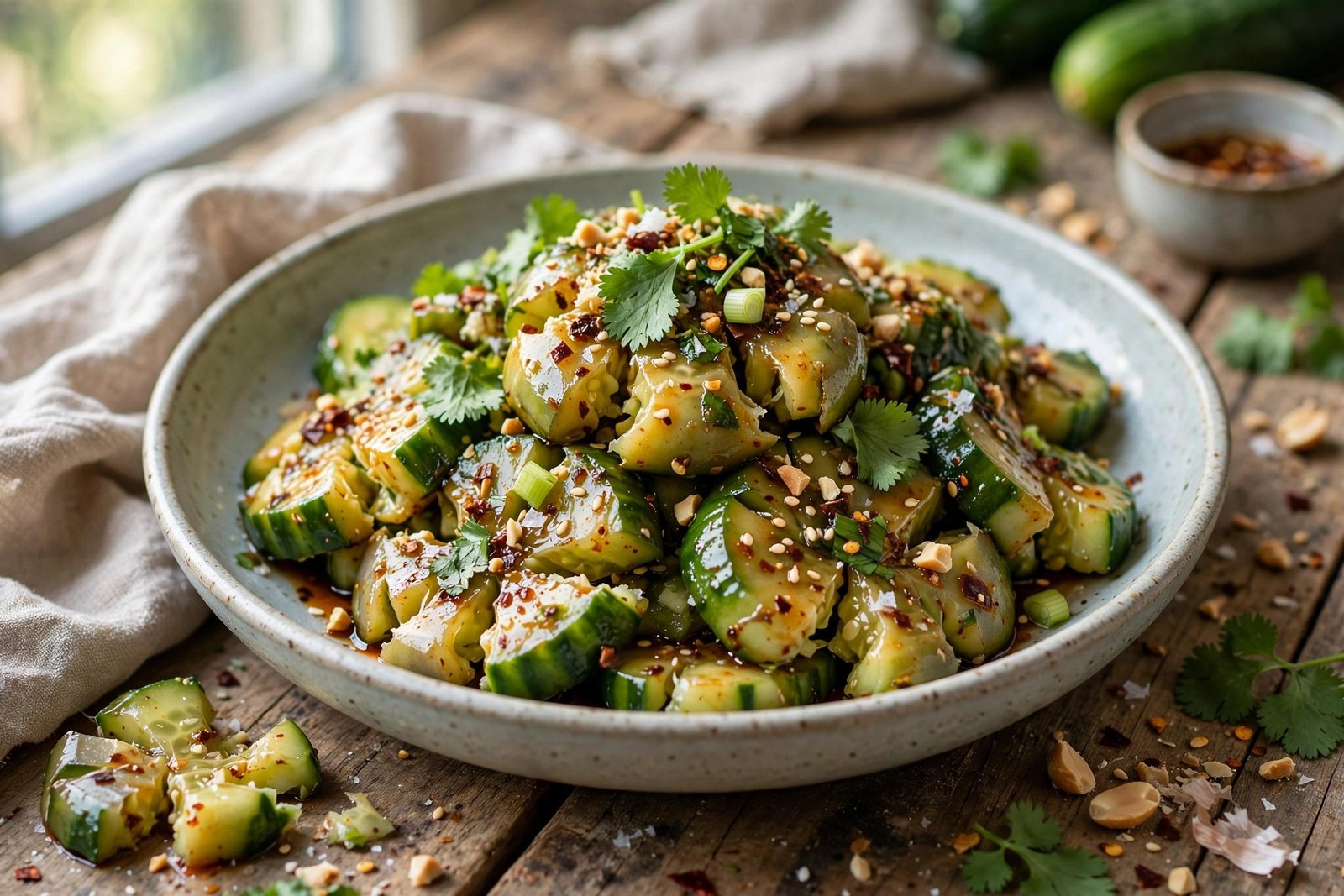
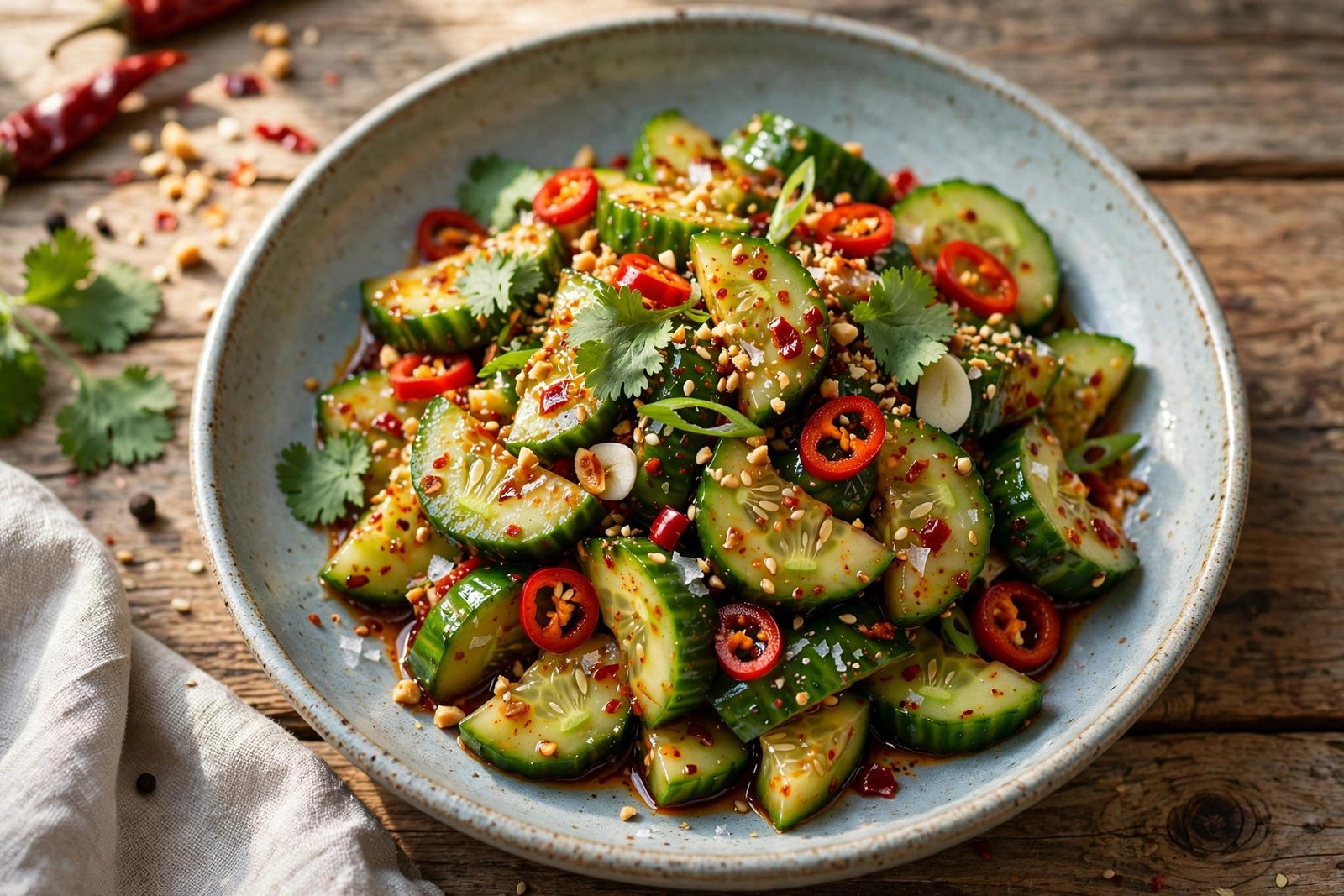
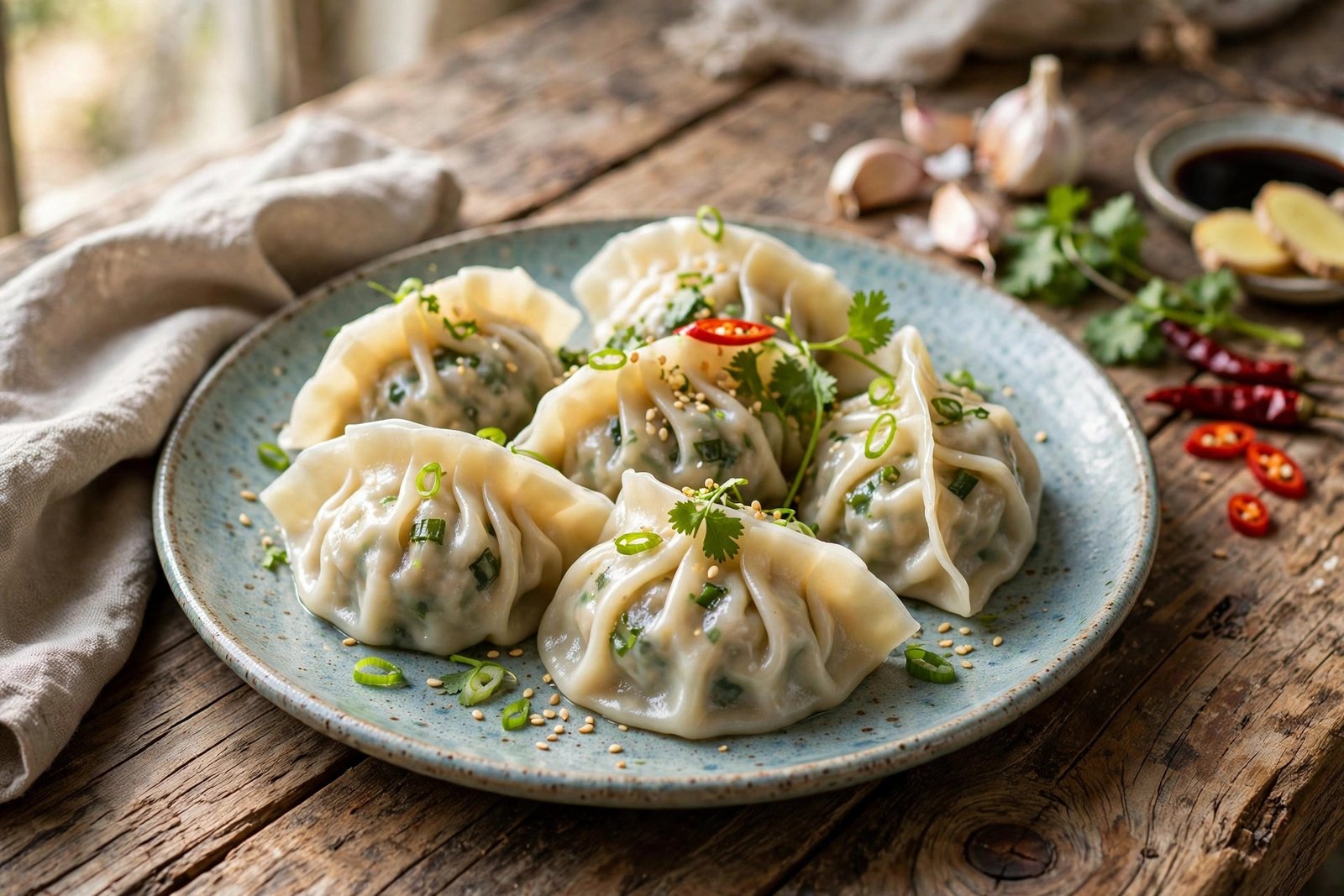
Serve it as a main dish on its own, with a cold lager or iced tea. A simple cucumber salad dressed with rice vinegar makes a good side, cooling the palate between bites. Keep the meal casual and let the noodles lead. A small bowl of hot and sour soup makes a good starter, and a plate of steamed dumplings turns the meal into a proper feast.
Getting it right
The key technique is building the sauce in the right order. Sesame paste first, then the liquids, whisking in warm water a spoonful at a time. The paste will seize and look split before it turns smooth, which catches many cooks out. Keep whisking and it will loosen into a glossy, pourable sauce. If the paste seizes into a thick lump, add the water a spoonful at a time and keep whisking; it will loosen suddenly once enough liquid is in.
Heat and timing matter for the pork. The wok needs to be hot enough that the mince sizzles when it lands, and it needs 4 to 5 minutes undisturbed to brown and crisp. If the pan is crowded or too cool, the meat steams and turns grey. Cook it in two batches if your pan is small. Let the mince sit flat for a full minute before you stir, since moving it too soon stops the browning and leaves it pale and soft.
The common mistake is under-seasoning the sauce. Plain noodles swallow flavour, so the sauce should taste too strong on its own, almost too salty and too sour. If the finished bowl tastes flat, it usually needs more vinegar or a pinch more salt, not more chilli. Toss well before eating, so every strand gets coated. If the sauce looks too thick to coat the noodles, add a spoonful of the hot noodle water and toss again until it turns glossy.
Storing & reheating
These noodles are best eaten fresh, straight from the bowl. If you have leftovers, store the noodles, sauce and pork topping separately in sealed containers in the fridge for up to 2 days. Mixed together, the noodles soak up the sauce and turn soft. The sauce keeps well on its own in a sealed jar for up to a week, so you can cook fresh noodles and pork whenever you want a quick bowl.
To serve leftovers, warm the pork in a pan and toss the noodles in hot water for 30 seconds to loosen them, then build the bowls fresh with the sauce. Do not freeze the finished dish, as the noodles turn mushy and the sauce splits when thawed. The pork mince freezes well on its own for up to a month, so cook a double batch and save half for a fast dinner later.
Frequently asked questions
What are Sichuan peppercorns?
Sichuan peppercorns are the dried husks of a prickly ash tree, native to south-west China. They are not hot like chilli, but they create a tingling, numbing feeling on the lips and tongue that is central to Sichuan cooking. Buy them whole from an Asian grocery and grind them fresh, since ground pepper loses its tingle fast.
Can I make this without pork?
Yes. Use finely chopped mushrooms or crumbled firm tofu, fried until crisp and seasoned the same way. Both soak up the sauce well and keep the dish rich and satisfying without meat. Season the mushrooms well and fry them until their edges crisp, so they bring the same savoury depth as the pork.
How spicy are Sichuan noodles?
They are warm and fiery, but you control the heat. Use less chilli oil for a mild bowl, or add more for a real kick. The Sichuan pepper adds tingle rather than heat, so the two feel different. Start with 2 tablespoons of chilli oil and add more at the table, so each person can find their own level.
Can I use tahini instead of sesame paste?
Yes. Chinese sesame paste is made from toasted sesame seeds, while tahini uses raw seeds. Stir a teaspoon of sesame oil into tahini and the flavour is close enough for this dish. Stir in the sesame oil well, since it is what gives the sauce its roasted, nutty character.
What noodles should I use?
Fresh wheat noodles are best, as they stay springy and hold the sauce well. Dried egg noodles work too. Avoid rice noodles here, as they are too soft and will not carry the thick sauce. Cook them a minute less than the packet says, since they will keep cooking in the hot sauce.
Can I make the sauce ahead?
Yes. The sauce keeps in a sealed jar in the fridge for up to a week. Stir it well before using, as the oil separates, and add a splash of warm water if it has thickened too much. The pork topping also keeps for 2 days in the fridge, so you can build a fresh bowl in minutes.