Pork Belly Bao Recipe
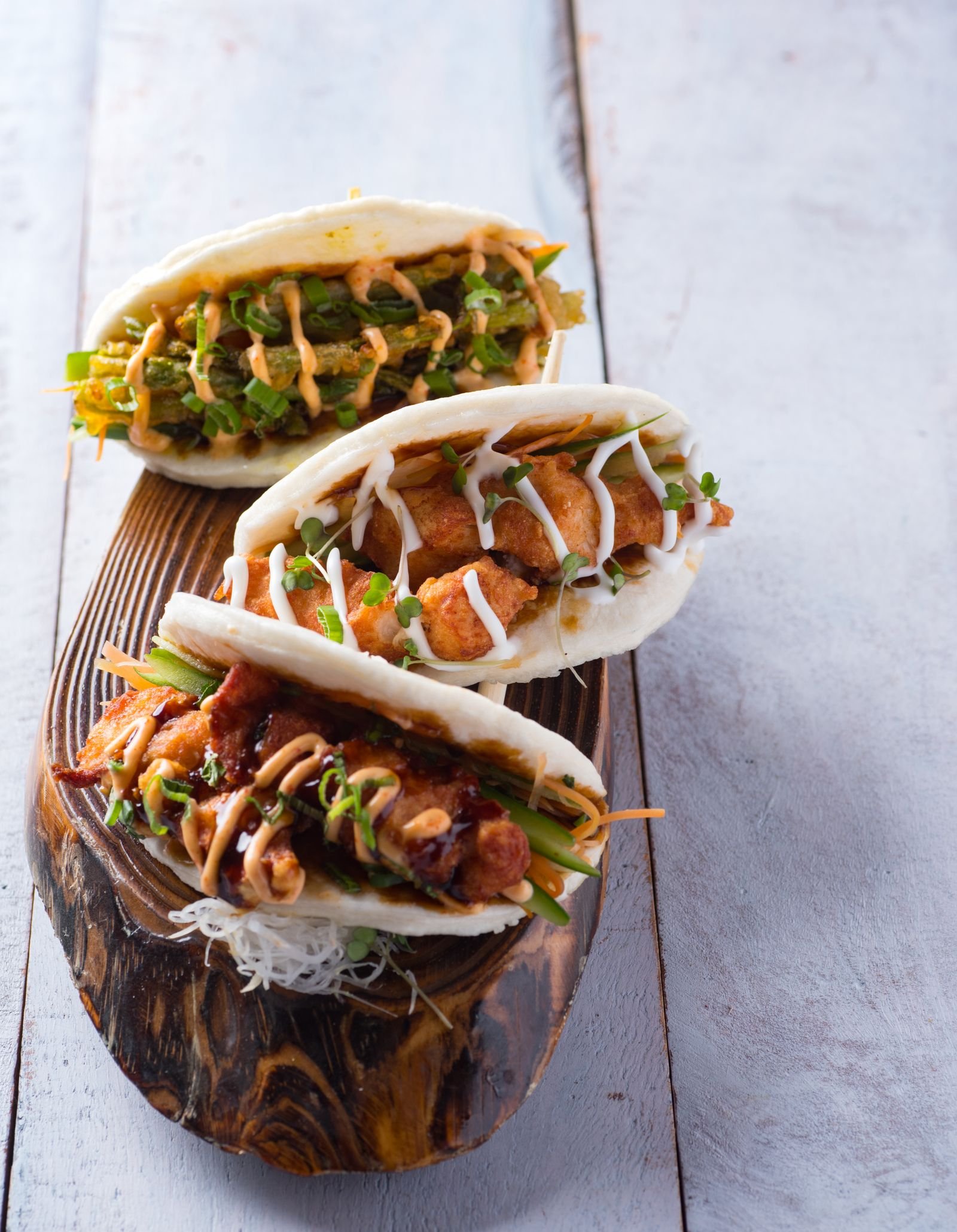
Pork Belly Bao is one of the great street foods: a soft, pillowy steamed bun folded around glossy braised pork belly, crunchy pickled cucumber and spring onions, with a smear of hoisin. The bun is warm and slightly sweet, the pork is rich and melting, and the pickle cuts through it all. Make these when you want a meal that feels like a treat.
The story behind Pork Belly Bao
Gua bao, the Taiwanese pork belly bun, is the ancestor of this dish, and it travelled from Taiwan to China and then around the world. The bun itself, called bao, has been steamed in China for centuries, but the filled sandwich form took off in Taiwan, where vendors sold it from night-market stalls. The combination of soft bun, rich pork and sharp pickle was an instant hit, and the dish spread fast. From Taiwan it travelled to China, then to London, New York and beyond, where it became one of the most loved street foods in the world. Every city now has its own version, but the Taiwanese original remains the benchmark.
In Taiwan, gua bao is night-market food. Vendors steam the buns in tall bamboo baskets, braise the pork for hours in soy and spices, and build each bun to order. The pork is sliced thick, the bun is opened like a pocket, and the fillings are layered in with a practised hand. People eat them standing up, two or three at a time, with the steam still rising from the bun. The vendors work fast, slicing pork, steaming buns and building each order in under a minute. The queue moves quickly, and regulars know exactly how they like theirs built.
What makes pork belly bao special is the contrast. The bun is soft, warm and faintly sweet. The pork is rich, sticky and deeply savoury, with layers of meat and fat that melt as you bite. The pickled cucumber is cool and sharp, the spring onions are fresh and green, and the hoisin adds a sweet, dark note. No single part would work alone; together they balance perfectly. The bun gives softness, the pork gives richness, the pickle gives sharpness, and the spring onions give freshness. It is a small lesson in balance, and it is why the bao has travelled so far from its home.
Cook these buns when you have an afternoon and friends coming over. The pork needs a long, slow braise, but most of it is hands-off, and the buns steam in fifteen minutes. Set everything out on the table and let people build their own, with extra pickles and chilli on the side. It is a meal that turns into a small event, and everyone remembers it. Children love building their own buns, and adults love the slow-cooked pork. Put the pork, buns and toppings in the middle of the table and let the meal unfold at its own pace.
- Prep time
- 30 mins
- Cook time
- 1 hr 45 mins
- Total time
- 2 hrs 15 mins
- Servings
- 4 servings
- Calories
- 590
Ingredients
- 800 g pork belly, skin on, in one piece
- 2 tbsp vegetable oil
- 3 garlic cloves, crushed, and 1 piece fresh ginger (about 30 g), sliced
- 2 star anise and 1 cinnamon stick
- 120 ml soy sauce
- 60 ml Shaoxing wine
- 2 tbsp brown sugar
- 500 ml water or light chicken stock
- 8 bao buns (shop-bought frozen or fresh)
- 1 cucumber, thinly sliced, with 2 tbsp rice vinegar and 1 tsp sugar, for the pickle
- 4 spring onions, finely sliced, and fresh coriander leaves, to serve
- 4 tbsp hoisin sauce
- 1 tsp chilli oil (optional)
Instructions
- Put the pork belly in a large pot and cover with cold water. Bring to a boil over high heat and cook for 5 minutes, skimming off the foam. Drain the pork and rinse it under cold water. This first boil keeps the braising liquid clear and clean-tasting.
- Heat the oil in a large, heavy pot over medium-high heat. Add the pork belly, skin side down, and sear for 3 minutes until the skin turns golden and crisp. Turn it over and sear the other side for 2 minutes. The pot should smell rich and toasty.
- Add the garlic, ginger, star anise and cinnamon to the pot and cook for 1 minute until fragrant. The spices will smell warm and sweet, and the garlic will turn pale gold. Do not let the garlic brown, or it will taste bitter.
- Pour in the soy sauce, Shaoxing wine and water or stock, then stir in the brown sugar. The liquid should come about halfway up the pork. Bring to a boil, then turn the heat down to the lowest simmer, cover and cook for 1 hour 30 minutes, turning the pork once halfway through.
- While the pork braises, make the quick pickle. Toss the cucumber slices with the rice vinegar, the teaspoon of sugar and a pinch of salt. Leave them for at least 20 minutes, stirring once or twice. The cucumber will soften slightly and taste bright and tangy.
- Check the pork after 90 minutes. A chopstick should slide in easily, and the meat should feel soft and yielding. If it still resists, cover and cook for 20 minutes more. Lift the pork out and let it rest on a board for 10 minutes.
- Turn the heat up under the pot and simmer the braising liquid uncovered for 10 minutes, until it thickens into a glossy sauce that coats a spoon. Taste it; it should be sweet, salty and rich. Slice the rested pork into thick pieces, about 1 cm across.
- Steam the bao buns according to the packet, usually 8 to 10 minutes in a steamer basket over boiling water. The buns should feel soft, puffy and warm all the way through. Keep them covered with a clean cloth so they stay soft while you build the buns.
- Build each bao by opening a bun like a pocket and spreading a little hoisin inside. Lay in two or three slices of pork, spoon over a little of the glossy sauce, then add pickled cucumber, spring onions and coriander. Serve straight away, while the buns are warm and the pork is glistening.
Pro tips
- Buy pork belly with the skin on and even layers of meat and fat. The skin turns soft and sticky in the braise, and the fat keeps the meat moist through the long cook. A piece from the middle of the belly is best.
- Do not skip the first boil. It removes blood and impurities that would cloud the sauce and give it a harsh flavour. Five minutes is enough; rinse the pork well afterwards and start the braise in a clean pot.
- Keep the braise at a bare simmer. A hard boil will toughen the pork and evaporate the liquid too fast, while a gentle simmer lets the fat render slowly and the meat turn meltingly tender. The surface should barely tremble.
- Slice the pork thick, about a centimetre across. Thin slices fall apart and dry out, while thick slices hold their shape and stay juicy inside the bun. A sharp knife and a rested piece of pork make clean slicing easy.
- Steam the buns last, just before serving. Freshly steamed buns are soft and warm, while buns left standing go cold and wrinkly. Time the steaming so the buns are ready the moment the pork is sliced.
Variations & serving ideas
Swap the pork belly for pork shoulder if you prefer a leaner filling, though it will be less silky. Chicken thighs braised the same way take about 45 minutes and make a lighter bao. For a vegetarian version, use thick slices of braised tofu or roasted aubergine, with the same sauce and pickles.
You can change the pickles and toppings easily. Pickled red onion adds colour and a sharp bite, kimchi adds heat and funk, and shredded carrot adds sweetness and crunch. A smear of sriracha or a drizzle of chilli oil brings heat, and crushed peanuts add a nutty crunch that suits the soft bun. A little shredded lettuce adds freshness, and a few leaves of coriander on top give a bright, herbal note. Keep the toppings to three or four so the bun does not overflow. Keep the toppings to three or four so the bun does not overflow.
Serve pork belly bao as a main course, with two or three buns per person and a simple side. A light cucumber salad, a bowl of miso soup or a few steamed dumplings make good companions. Set everything out on the table and let people build their own buns, with extra sauce, pickles and chilli within reach. A light cucumber salad, a bowl of miso soup or a few steamed dumplings make good companions, and the whole spread suits a relaxed evening with friends.
Pair the buns with a cold lager, which cuts through the richness of the pork and refreshes the palate. Iced green tea does the same job without alcohol, and a light, fruity white wine suits the sweet hoisin and the pickles. Keep the drinks cold and simple, because the buns themselves are rich enough. A few slices of pickled jalapeno add heat, and a little grated carrot adds sweetness and colour. A smear of sriracha inside the bun brings a gentle heat that suits the sweet hoisin. A bowl of hot and sour soup on the side makes a very satisfying meal. A cold green tea is refreshing between bites of the rich, slow-cooked pork.
Getting it right
The first stage is the blanch, which sets up the whole braise. Boiling the pork briefly in plain water draws out blood and impurities that would otherwise cloud the sauce and leave a harsh taste. Rinse the pork well afterwards and start the braise in a clean pot. It is a small step, and it makes a visible difference to the colour and flavour of the final sauce.
Control the heat through the long braise. The pork wants a gentle simmer, with the liquid barely moving, so the fat renders slowly and the meat turns tender without drying out. Check the liquid level every half hour and top up with hot water if it drops. In the final ten minutes, turn the heat up and reduce the sauce until it turns glossy and coats a spoon.
The most common mistake is rushing the braise. Ninety minutes feels long, but pork belly needs it, and there is no shortcut that gives the same melting texture. Another common slip is slicing the pork too thin, which leaves it dry and stringy in the bun. Keep the slices thick, and spoon a little extra sauce over them so every bite is glossy and moist. A sharp knife and a rested piece of pork make clean slicing easy. Keep the slices thick, and spoon a little extra sauce over them so every bite is glossy and moist. The sauce should turn glossy and coat a spoon. Taste the sauce before serving. Serve it hot.
Storing & reheating
Braised pork belly keeps in the fridge for up to 4 days in a sealed container, covered in its sauce. The flavour deepens overnight, and many cooks say day-two pork tastes better than fresh. Reheat it gently in a covered pan over low heat, with a splash of water if the sauce has thickened.
You can freeze the braised pork for up to 2 months in its sauce. Thaw overnight in the fridge and reheat gently. Steam fresh bao buns and make fresh pickled cucumber on the day you serve, since buns and pickles do not survive freezing well. The pork is the part worth making ahead; the rest is best fresh. A quick pickle takes only twenty minutes, so there is no reason to make it early. The pork is the part worth making ahead; the rest is best fresh.
Frequently asked questions
What are bao buns?
Bao buns are soft, white steamed bread rolls from China, folded into a pocket shape. They are steamed, not baked, which gives them a pillowy, slightly chewy texture. They are sold frozen in most Asian grocery shops and steam in about ten minutes.
Can I make bao buns from scratch?
Yes, though it takes time. The dough is a simple mix of flour, yeast, sugar and water, kneaded, proved, shaped and steamed. It takes about two hours from start to finish, most of it waiting for the dough to rise. Frozen shop-bought buns are very good, so most home cooks use them.
How long does pork belly take to braise?
A piece of about 800 g needs around 1 hour 30 minutes of gentle simmering. Larger pieces may need up to 2 hours. Test with a chopstick; it should slide into the thickest part with no resistance when the meat is ready.
Can I cook the pork in a slow cooker?
Yes. Blanch the pork first, then put it in the slow cooker with the spices, soy, wine and sugar. Cook on low for 5 to 6 hours until tender, then reduce the sauce in a pan on the stove until glossy. Slice the pork thick and build the buns just before serving.
What can I use instead of Shaoxing wine?
Dry sherry is the closest substitute and works well in the braise. You can also leave it out and add a little extra stock, though the sauce will lose a little depth. Avoid cooking wine with added salt, which can make the dish too salty.
Can I make pork belly bao ahead of time?
Yes. Braise the pork a day ahead and keep it in its sauce in the fridge; the flavour improves overnight. Steam the buns and make the pickled cucumber fresh on the day, then slice the reheated pork and build the buns just before serving. Steam the buns and make the pickled cucumber fresh on the day.