Salt and Pepper Chicken Recipe
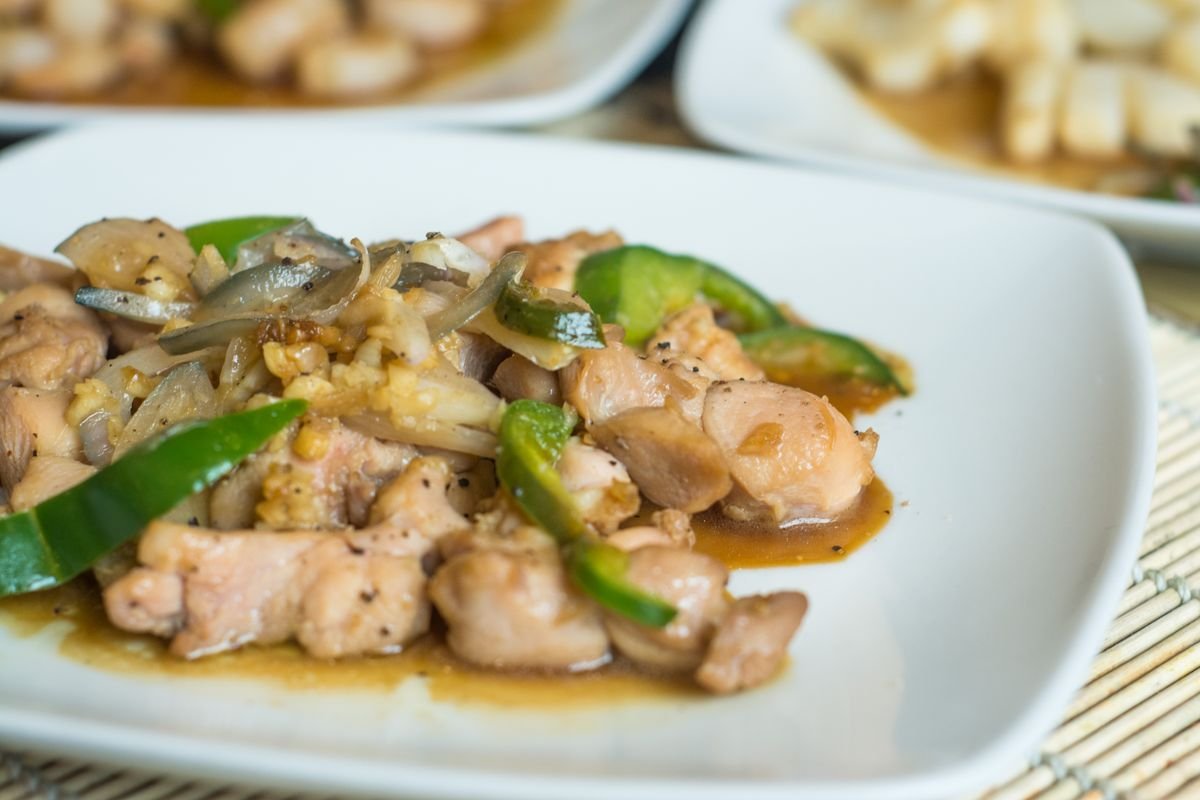
Salt and pepper chicken is the dish that disappears first from any Chinese takeaway spread. Bite-sized pieces of chicken are coated in a light, crisp batter, fried until golden, then tossed with peppers, spring onions and a salty, peppery seasoning that clings to every piece. It is crunchy, savoury and hard to stop eating. It is crunchy, salty and warm, and it tastes just like the takeaway version, only fresher.
The story behind Salt and Pepper Chicken
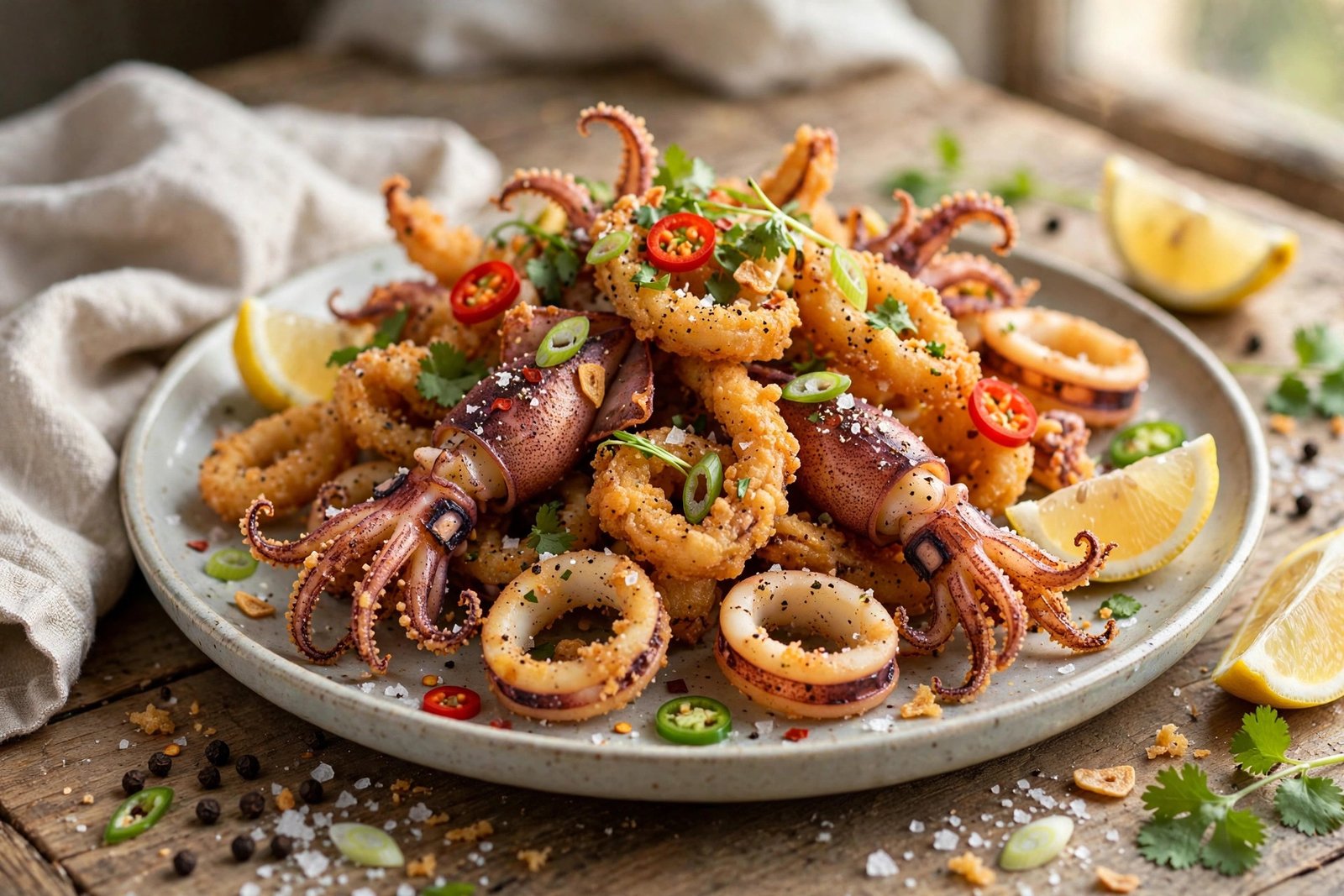
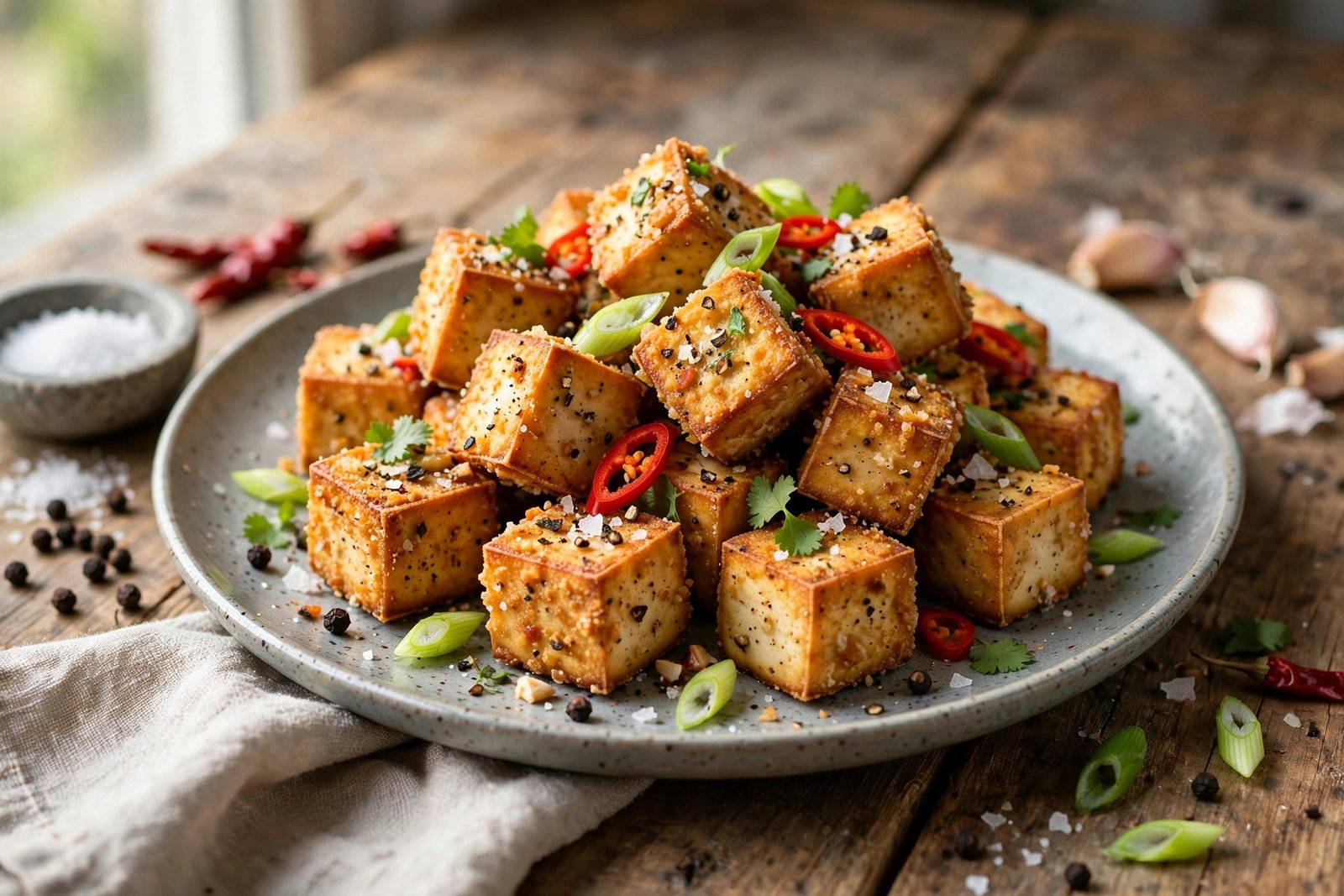
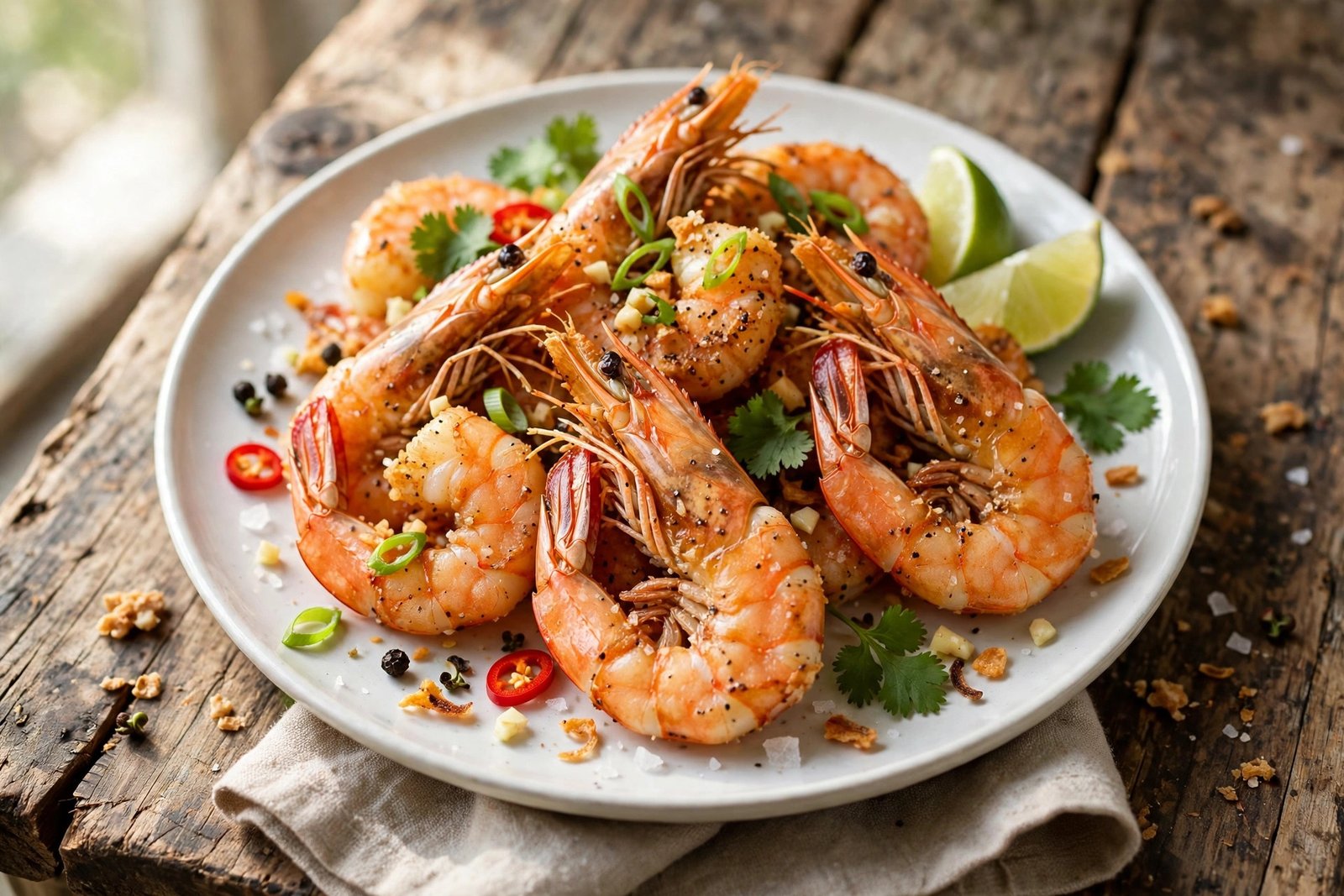
Salt and pepper dishes come from Cantonese cooking, where a simple seasoning of salt and ground pepper is used to finish fried food. The idea is old: fry something until crisp, then toss it with aromatics and seasoning while it is still hot, so the flavour sticks to the crust. Squid, prawns and tofu all get the same treatment, and chicken has become the most popular version in takeaway shops.
The dish travelled with Cantonese cooks to Britain and America, where it became a takeaway menu staple. In those shops, it is usually served as a starter or a sharing plate, piled high with sliced peppers and onions. The seasoning mix is the heart of it, and every shop guards its own blend. The seasoning is usually ground fresh each day, and the mix of salt, white pepper and five-spice is what gives the dish its warm, peppery character. The version at home uses the same idea: salt, white pepper, a little sugar and five-spice, ground fine and tossed while the chicken is still crackling. White pepper is the key: it is hotter and more earthy than black pepper, and it gives the dish its distinctive warm bite.
What makes it special is the contrast between the crisp coating and the soft chicken inside. The batter is thin, not thick, so it shatters when you bite it rather than peeling off in a soggy layer. The peppers and spring onions add freshness and a little sweetness, while the chilli brings a gentle warmth. Each piece is seasoned on the outside, so every bite tastes the same. The batter is made mostly from cornflour, which fries up lighter and crisper than wheat flour, and it stays crunchy far longer than a thick batter would.
Cook it when you want a crowd-pleasing starter or a fun main course. It suits a Friday night takeaway-style spread, a party snack, or a casual dinner with rice and a green vegetable. Serve it the moment it leaves the pan, while the coating is at its crispiest, with extra seasoning on the side.
- Prep time
- 20 mins
- Cook time
- 15 mins
- Total time
- 35 mins
- Servings
- 4 servings
- Calories
- 480
Ingredients
- 600 g boneless chicken thighs, cut into bite-sized pieces
- 120 g cornflour
- 2 tablespoons plain flour
- 1 large egg, beaten
- 1 teaspoon light soy sauce
- 1 teaspoon Shaoxing wine
- 1 red pepper and 1 green pepper, deseeded and thinly sliced
- 4 spring onions, cut into 3 cm pieces
- 2 red chillies, thinly sliced
- 3 garlic cloves, thinly sliced
- 1 teaspoon sea salt flakes, 1 teaspoon ground white pepper, 1/2 teaspoon five-spice powder and 1/2 teaspoon sugar
- Vegetable oil, for deep frying
Instructions
- Mix the chicken pieces with the soy sauce and Shaoxing wine in a bowl. Leave them for 10 minutes while you prepare the rest, so the meat takes on a little seasoning before the batter goes on.
- Whisk the cornflour, plain flour, salt, white pepper, five-spice and sugar together in a wide bowl. This is your seasoning flour, and the spices should be evenly mixed through it so every piece gets the same flavour.
- Dip each piece of chicken in the beaten egg, then toss it in the seasoned flour until it is coated all over. Shake off the excess and set the pieces on a tray in a single layer. Let them sit for 5 minutes so the coating sticks. Press the flour on gently with your fingers so it sticks evenly and does not fall off in the oil.
- Heat about 5 cm of vegetable oil in a wok or deep pan to 180C. Test it with a pinch of flour: it should sizzle at once and turn golden in a few seconds. Fry the chicken in small batches, 4 to 5 minutes per batch, until deep golden and crisp.
- Lift the chicken out with a slotted spoon and drain it on a wire rack, not paper, so the coating stays crisp. Let the oil come back to 180C between batches, or the later pieces will soak up oil and turn greasy. A wire rack over a tray is ideal, since the air can move under the chicken and keep the crust crisp.
- Pour off most of the oil, leaving 1 tablespoon in the wok. Over high heat, add the peppers, spring onions, chillies and garlic. Stir fry for 2 minutes, until the peppers soften slightly but still have bite, and the garlic smells warm.
- Return the fried chicken to the wok and toss everything together for 1 minute. The vegetables should mix through the chicken, and the seasoning on the crust should pick up a little of the pepper and chilli flavour.
- Sprinkle over the extra salt and white pepper from the seasoning bowl and toss once more. Taste a piece: it should be salty, peppery and warm, with a crisp crust that crackles when you bite it.
- Tip the chicken onto a warm serving plate, piling it high with the peppers and spring onions on top. Serve at once, while the coating is still at its crispiest, with steamed rice or on its own as a sharing plate.
Pro tips
- Use chicken thighs, not breast. Thighs stay juicy through deep frying, while breast dries out fast and turns tough. Cut the pieces even, so they cook in the same time. Trim off any large pieces of fat first, as they make the coating slide off in the hot oil.
- Let the oil come back to temperature between batches. A crowded wok drops the oil temperature and the coating turns greasy, so fry in small batches and wait for the sizzle to return.
- Drain on a wire rack, never on paper towels. Paper traps steam under the chicken and softens the crust, while a rack lets air move underneath and keeps it crisp.
- Season while the chicken is still hot. The salt and pepper cling best to a fresh, crackling crust, and a final toss in the wok is what makes the seasoning stick.
- Mix the seasoning flour well before coating. The five-spice and pepper must be evenly spread, or some pieces will be bland and others too strong. Grind the five-spice and pepper fresh if you can, since pre-ground spices lose their punch over time.
Variations & serving ideas
For a lighter version, shallow fry the chicken in 1 cm of oil instead of deep frying, turning the pieces halfway. For an even lighter crust, use only cornflour and skip the plain flour, though the coating will be a little more delicate. The crust will be slightly less even, but it still crisps well. You can also air fry the coated pieces at 200C for 12 to 14 minutes, shaking the basket halfway.
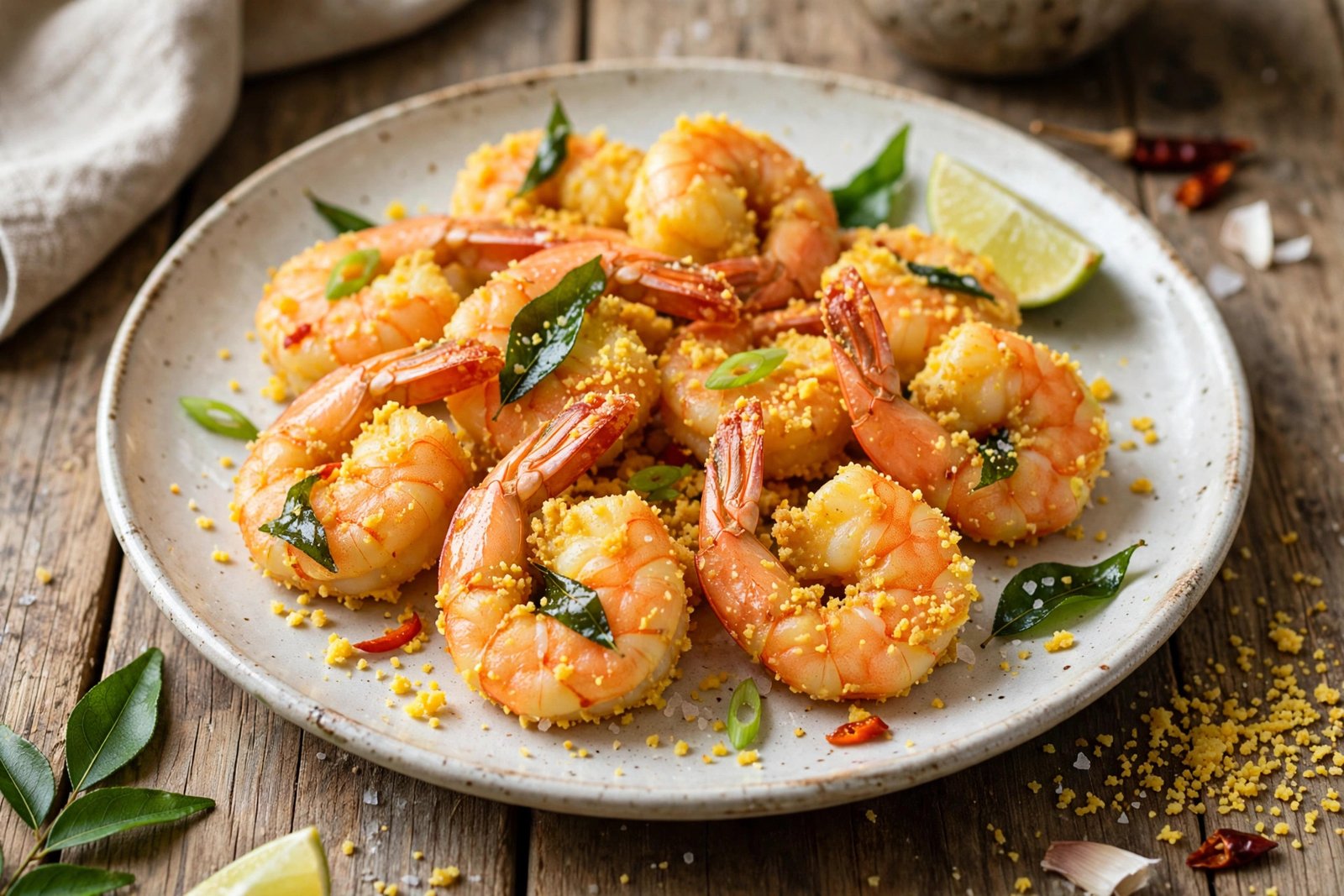
Swap the chicken for prawns or squid to make salt and pepper prawns or squid, two Cantonese classics. Prawns need only 2 to 3 minutes in the oil, and squid needs even less, so watch them closely. Tofu works too: press firm tofu, cut it into cubes and coat it the same way. Squid needs only 2 minutes in the oil, so watch it closely and lift it out the moment it turns golden, or it will go rubbery.
Add a handful of sliced red onion with the peppers for a sweeter, softer bite. A squeeze of lime over the finished dish brightens the seasoning. If you like more heat, add a teaspoon of dried chilli flakes to the seasoning flour. A squeeze of lime over the finished dish brightens the seasoning, and a little chopped coriander scattered on top adds freshness.
Serve it as a starter with a cold lager, or as a main with steamed rice, a green vegetable and a bowl of soup. It also works in a takeaway-style spread with spring rolls, fried rice and sweet and sour pork. Keep the sides simple and let the chicken lead. A cold lager or a glass of iced tea is the classic drink with it, since the bubbles and the cold cut through the rich, salty crust.
Getting it right
The key technique is the thin cornflour coating. Cornflour gives a light, shattering crust that stays crisp, while plain flour alone turns heavy and bready. The egg helps the flour stick, and the five minutes of resting time lets the coating set, so it does not fall off in the oil. Shake off the extra flour well, since a thick coating turns heavy and falls off in the oil instead of crisping up.
Heat and timing control the fry. The oil must be at 180C, hot enough that a pinch of flour sizzles at once. Too cool and the chicken soaks up oil; too hot and the crust darkens before the inside cooks. Fry in small batches, 4 to 5 minutes each, and let the oil recover between them. Use a thermometer if you have one, or test with a pinch of flour: it should sizzle hard at once and turn golden within a few seconds.
The common mistake is seasoning only the flour and forgetting the final toss. The wok stage, with the peppers and spring onions, is where the dish gets its fresh flavour, and the last sprinkle of salt and pepper is what makes it taste like a takeaway. If the chicken tastes flat, it needs more salt in that final toss. Toss the chicken with the peppers while the wok is still very hot, so the seasoning sticks to the crust and the vegetables stay crisp.
Storing & reheating
This dish is best eaten fresh, within minutes of frying. If you have leftovers, keep them in a sealed container in the fridge for up to 2 days. The coating will soften as it sits, but the flavour stays good. Keep the peppers and spring onions in a separate container if you can, since they go soft faster than the chicken.
Reheat in a hot oven at 200C for 8 to 10 minutes on a wire rack, which brings back some of the crispness. Do not microwave it, as the coating turns soggy. Freezing is not recommended, since the crust goes soft and the peppers lose their bite when thawed. The seasoning mix keeps for weeks in a small jar, so you can fry a fresh batch whenever the craving hits.
Frequently asked questions
Can I use chicken breast instead of thighs?
You can, but thighs are better. Breast dries out quickly in hot oil and turns tough, while thighs stay juicy. If you only have breast, cut the pieces small, fry them for a minute less, and do not let them sit in the oil. If you use breast, cut the pieces small and fry them for a minute less.
How do I keep the coating crisp?
Fry in small batches at 180C, drain on a wire rack, and serve at once. Do not cover the chicken or stack it in a bowl, as trapped steam softens the crust within minutes. Serve it on a warm plate, not a cold one, so the chicken stays hot and crisp for longer.
What is five-spice powder?
Five-spice is a Chinese blend of star anise, cloves, cinnamon, Sichuan pepper and fennel. It adds a warm, sweet-spicy note that is central to this dish. Use it sparingly, as it is strong. A little goes a long way: half a teaspoon in the flour is enough for the whole batch.
Can I make this in an air fryer?
Yes. Spray the coated pieces with oil and air fry at 200C for 12 to 14 minutes, shaking halfway. The crust is a little less even than deep fried, but still crisp and golden. Spray the pieces lightly with oil first, since a dry coating can taste powdery in the air fryer.
Is salt and pepper chicken spicy?
It has a gentle warmth from the chillies and white pepper, rather than real heat. Add more chillies or a pinch of dried chilli flakes if you like it hotter, or leave them out for a mild version. White pepper brings its own warmth too, so the dish still has a gentle heat even without chillies.
What oil should I use for frying?
Use a neutral oil with a high smoke point, such as vegetable, sunflower or groundnut oil. Olive oil is not suitable, as it burns at frying temperatures and leaves a strong taste. Groundnut oil is the traditional choice in Chinese cooking, and it handles high heat well.