Ma La Hot Pot Recipe
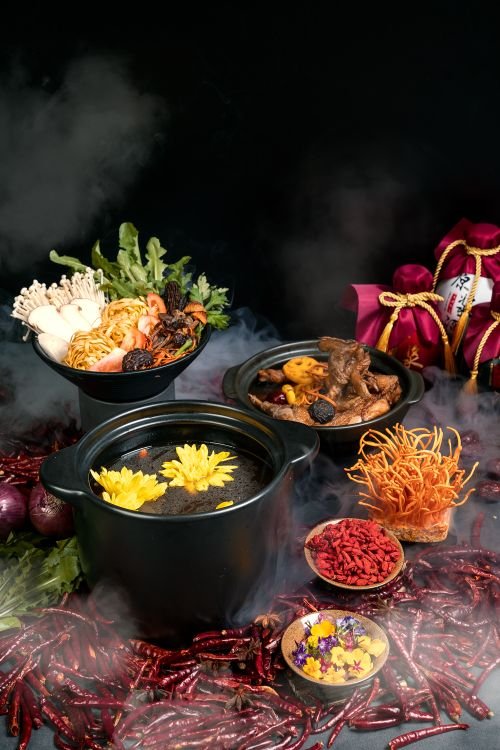
Ma la hot pot is a bubbling pot of Sichuan broth, slick with chilli oil and humming with numbing peppercorns, set in the middle of the table. You cook thin slices of meat, leafy greens, mushrooms and noodles right in the broth, fishing them out as they turn tender. Every bite lands twice: first the heat, then the tingle. It is loud, communal and deeply satisfying, and it turns an ordinary evening into a feast.
The story behind Ma La Hot Pot
Hot pot has been cooked in China for more than a thousand years, but the ma la version belongs to Sichuan, and to Chengdu in particular. In the late nineteenth and early twentieth centuries, dock workers and labourers along the Yangtze River cooked cheap cuts of meat and offal in pots of fiercely spiced water. The chilli and Sichuan pepper did two jobs at once: they masked strong flavours and they made plain food taste exciting. Vendors sold the broth from street stalls, and the dish spread from the riverbanks into the city's restaurants. The name says it all. Ma means numbing, la means hot, and together they describe the strange double hit that defines the dish.
In Sichuan, hot pot is less a recipe than a way of spending an evening. Friends and family sit around a single bubbling pot, chopsticks in hand, talking while they cook. There is no single cook and no fixed order: someone drops in sliced lamb, someone else adds cabbage, and everyone fishes out what they fancy. The dipping sauce is personal, mixed to taste from sesame paste, garlic, chilli oil and soy sauce. Many restaurants serve a divided yin-yang pot, one side fiery and one side mild, so everyone at the table can eat happily side by side.
What makes ma la hot pot special is the tingle. Sichuan peppercorns contain a compound that makes your lips buzz and hum, and that numbness changes how you taste the heat of the chillies. The broth itself is built on doubanjiang, a fermented broad bean and chilli paste, plus dried red chillies, ginger, garlic, star anise and a good stock. The result is layered rather than simply hot: savoury, fragrant, oily in a good way, and endlessly adjustable. Because you cook the ingredients yourself, a few seconds in the broth, everything arrives at the table at its best.
Cook this when the evening is cold, when friends are coming over, or when you want dinner to stretch out for hours. It suits birthdays, New Year gatherings and any night when the table is full. It is not a quick Tuesday supper, but it is not difficult either. Set the pot in the middle, lay out the plates of sliced meat and vegetables, and let everyone cook their own dinner. The broth only gets better as the meal goes on, soaking up flavour from everything that passes through it.
- Prep time
- 30 mins
- Cook time
- 45 mins
- Total time
- 1 hr 15 mins
- Servings
- 4 servings
- Calories
- 520
Ingredients
- 2 litres chicken or beef stock
- 3 tablespoons doubanjiang (Sichuan chilli bean paste)
- 2 tablespoons Sichuan peppercorns
- 10 dried red chillies
- 4 garlic cloves, sliced
- 1 thumb ginger, sliced
- 2 star anise
- 3 tablespoons vegetable oil
- 400 g thinly sliced beef or lamb
- 200 g firm tofu, cubed
- 200 g mushrooms, sliced
- 2 heads bok choy, leaves separated
- 200 g rice noodles or wheat noodles
- 4 spring onions, chopped
Instructions
- Toast the Sichuan peppercorns first, because this wakes up their aroma. Put them in a dry wok or wide pot over medium heat and shake the pan for about a minute, until they smell citrusy and warm. Tip them into a small bowl and set them aside. You will hear faint pops as they heat; pull them off before they darken or they will turn bitter.
- Build the broth base in the same pot. Heat the vegetable oil over medium-high heat, then add the garlic, ginger, star anise and dried chillies. Stir for about a minute until the garlic turns golden at the edges and the chillies darken slightly. Add the doubanjiang and fry it for another minute, pressing it into the oil until the whole pot smells rich, savoury and spicy.
- Pour in the stock and bring everything to a rolling boil. Scrape the bottom of the pot with a wooden spoon so the bean paste dissolves into the liquid. Stir in most of the toasted peppercorns, saving a spoonful for the table. Taste the broth now: it should be salty, spicy and deeply savoury, with a gentle tingle. Add a pinch of salt or a splash of soy sauce if it needs it.
- Set the pot up for the table. If you have a portable burner or an electric hot pot, move the pot onto it in the centre of the table and keep the broth at a steady simmer. Arrange the sliced meat, tofu, mushrooms, bok choy and noodles on plates around it, with chopsticks and small bowls for everyone. Put the dipping sauces within easy reach.
- Cook the thinly sliced meat first, a few pieces at a time. Swish each slice in the bubbling broth for 20 to 30 seconds, until it turns from pink to brown and curls at the edges. Lift it out with chopsticks or a slotted spoon and dip it in your sauce. Do not crowd the pot, because the broth cools down and the meat stews instead of cooking quickly.
- Add the firmer vegetables and tofu next, since they take longer. Mushrooms, tofu cubes and the thick stems of the bok choy need about three to four minutes in the simmering broth. They are ready when the mushrooms soften and darken and the bok choy stems bend easily. The leafy tops need only a minute, so add them last and watch them wilt.
- Cook the noodles in the broth near the end of the meal, when the liquid is at its most flavourful. Slide them in, stir gently so they do not clump, and cook them for the time on the packet, usually three to five minutes. They will soak up the spiced broth and turn a rich reddish gold. Lift them out with tongs and share them between bowls.
- Keep the broth bubbling gently throughout the meal and top it up with hot stock or water when the level drops. Skim off any grey foam with a spoon so the broth stays clear and clean tasting. If the heat gets too fierce, turn the burner down; a violent boil makes the meat tough and splashes chilli oil everywhere.
- Finish by tasting the broth one last time and adjusting it. A spoonful of the reserved peppercorns, a drizzle of sesame oil or a little chopped spring onion lifts it nicely. Serve the last of the noodles in the broth as a final course, then ladle the broth into small bowls for anyone who wants to sip it. That final bowl is the reward for the whole meal.
Pro tips
- Freeze the beef or lamb for 30 minutes before slicing so you can cut it paper thin. Thin slices cook in seconds and stay tender, while thick slices turn chewy in the broth.
- Taste the broth before anyone starts cooking and adjust it now, not later. It should be a touch saltier and spicier than you think, because the vegetables and noodles will soften it as they cook.
- Mix a personal dipping sauce for each person. Start with sesame paste and soy sauce, then add garlic, chilli oil and a little vinegar to taste. A good sauce cools the heat and adds a creamy layer.
- Keep the raw meat and the cooked food strictly separate. Use one pair of chopsticks for dropping raw meat into the pot and another for eating, so nobody picks up raw juices by mistake.
- Buy a divided yin-yang pot if you cook hot pot often. One side stays fiery and the other stays mild, so children and spice-shy guests can enjoy the same meal without anyone missing out.
Variations & serving ideas
Swap the meat for whatever you like. Thinly sliced pork, chicken, prawns, fish balls and squid all cook beautifully in the broth, and each one changes the flavour of the liquid a little. Prawns need only two to three minutes until they turn pink and curl. Fish balls and tofu puffs are wonderful because they soak up the broth like little sponges. If you prefer a vegetarian pot, load it with king oyster mushrooms, enoki, sweetcorn, pumpkin and lotus root for sweetness and crunch.
The broth itself is easy to change. A tomato-based hot pot broth, made with fresh tomatoes, garlic and a little sugar, is sweet, mild and popular with children. A mushroom broth, built on dried shiitake and a splash of soy sauce, tastes earthy and deep. You can also buy a ready-made ma la hot pot soup base from an Asian supermarket and simply add stock; it is a good shortcut when time is short, and you can still add your own peppercorns and chillies to tune the heat.
Serve hot pot with a spread of small extras. Steamed rice is useful for anyone who finds the spice too strong, and plain noodles mop up the broth. Cold beer and iced tea are the classic drinks, because something cold feels wonderful after something hot. A simple plate of cucumber salad or pickled radish gives a cool, crisp break between rounds of cooking and eating.
Pair the meal with other Sichuan favourites if you are feeding a crowd. A plate of smashed cucumber with garlic, a bowl of dan dan noodles, or a cold dish of wood ear mushrooms dressed in black vinegar all sit happily alongside the pot. For a bigger occasion, start with a light soup and finish with sliced fruit and sweet red bean soup. The hot pot is the star, so keep everything else simple and let the table do the work.
Getting it right
The key technique is heat control. The broth should simmer, not boil violently. A gentle rolling simmer, with bubbles breaking the surface steadily, cooks thin meat in seconds and vegetables in minutes without turning them mushy. If the broth boils too hard, the meat tightens, the vegetables fall apart and chilli oil splashes onto the table. If it barely bubbles, everything takes too long and people lose patience. Keep one hand on the burner dial all evening.
Timing matters because everything cooks at a different speed. Meat takes seconds, leafy greens take a minute, mushrooms and tofu take three or four minutes, and root vegetables take longest of all. Cook in small batches and eat as you go, rather than loading the pot and letting things sit. A slotted spoon or a small wire strainer is worth having, because it lets each person fish out exactly what they put in without chasing pieces around the pot.
The common mistake is making the broth too hot to enjoy. Start with fewer chillies and peppercorns than the recipe suggests, then add more once you taste it. You can always add heat, but you cannot take it away. If the pot does get too fiery, stir in a ladle of plain stock and a spoonful of sugar, and put out extra rice. The other mistake is overcooking the meat: a slice left in the broth for two minutes is tough, so count to thirty and lift it out.
Storing & reheating
Strain the leftover broth through a fine sieve into a container and keep it in the fridge for up to three days, or freeze it for up to two months. It makes a superb base for noodle soup, so label it and use it before it loses its punch. Throw away any cooked food that sat in the pot at the end of the meal, since it has been picked over.
Reheat the broth gently in a saucepan until it simmers, then taste it before serving. Add a splash of fresh stock and a little soy sauce, because freezing dulls the spice slightly. Bring it back to the boil for two minutes and it is ready for a second round of hot pot or a quick bowl of noodles.
Frequently asked questions
What does ma la actually mean?
Ma means numbing and la means hot. Sichuan peppercorns create a buzzing, tingling feeling on the lips, while dried chillies bring the heat. Together they give the dish its famous double sensation.
Can I make ma la hot pot less spicy?
Yes, easily. Halve the dried chillies and peppercorns, and use a divided pot with a mild broth on one side. Extra rice, a sesame dipping sauce and a cold drink all help, and guests can cook in the mild side.
What meat works best in hot pot?
Thinly sliced beef, lamb and pork are the classics because they cook in seconds. Prawns, fish balls, chicken and squid also work well. Slice the meat as thin as you can, freezing it briefly first to make slicing easier.
Do I need special equipment for hot pot?
A portable gas burner or an electric hot pot is ideal, but a large pot on the hob works if your table is near the kitchen. You also need chopsticks, small bowls, a slotted spoon and plates for the raw ingredients.
Can I reuse the leftover broth?
Yes, strain it and keep it in the fridge for up to three days or freeze it for two months. It makes a wonderful noodle soup base. Taste it after reheating and add stock and soy sauce to wake the flavour up.
What should I serve with ma la hot pot?
Steamed rice, noodles, cucumber salad and pickled radish all work well. Cold beer or iced tea is the classic drink. Keep the side dishes simple, since the bubbling pot is the main event.