Hong Kong Style Wonton Noodles Recipe
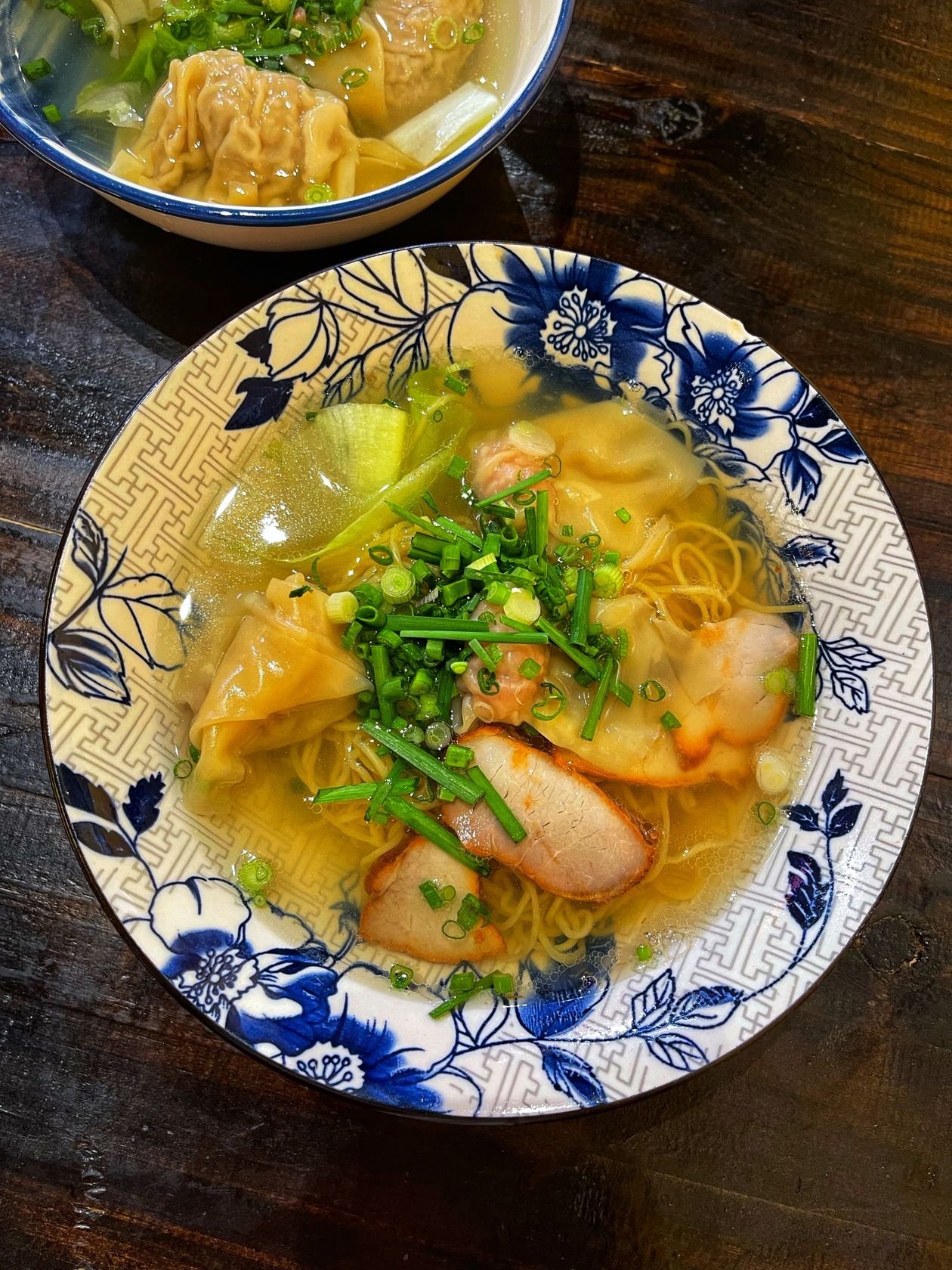
Springy egg noodles in a clear, savoury broth, topped with delicate wontons and leafy greens: Hong Kong style wonton noodles are a study in lightness and balance. The broth is the star, gently flavoured with dried flounder and ginger, while the noodles stay firm and bouncy. This is comfort food at its most refined, and it comes together faster than you would expect.
The story behind Hong Kong Style Wonton Noodles
Wonton noodles are one of Hong Kong's defining dishes, and their story starts far from the city. The noodles came from Guangdong province, where cooks had already mastered the art of the thin egg noodle, springy from alkaline water and kneaded by hand. The wontons came along too, little purses of pork and prawn folded in a thin wheat wrapper. When Cantonese cooks moved to Hong Kong, they put the two together in a clear broth, and the combination became the city's signature bowl.
In Hong Kong, wonton noodles are fast food with a craftsman's pride. The classic shops serve them in small bowls, a modest nest of noodles with just four wontons, and regulars eat them standing at the counter or perched on a stool, finishing in minutes. The broth is the measure of a shop: it should be clear, light, and deeply savoury, flavoured with dried flounder and pork bones simmered for hours. A good bowl tastes clean, not heavy, and the noodles should still be springy when you reach the last strand.
What makes the dish special is the balance of three textures. The noodles are firm and bouncy, almost snappy when you bite them. The wontons are soft and delicate, with a filling that is juicy from the pork and sweet from the prawn. The broth is clear and light, and it ties everything together without covering it up. Getting that balance right is the whole craft: the noodles must be cooked separately and briefly, the wontons must be filled generously but folded tightly, and the broth must simmer gently, never boil hard.
Cook this when you want something light and warming, perhaps on a cool evening or when a rich meal feels like too much. The folding takes a little patience the first time, but after a dozen wontons your hands find the rhythm, and the rest of the cooking is quick. It is also a good dish to make with a friend or a child at the table, folding wontons together while the stock simmers. Serve it with nothing more than chilli oil and white pepper, and let the bowl speak for itself.
- Prep time
- 30 mins
- Cook time
- 20 mins
- Total time
- 50 mins
- Servings
- 4 servings
- Calories
- 520
Ingredients
- 200 g fresh thin egg noodles
- 16 ready-made wonton wrappers
- 150 g minced pork
- 100 g raw prawns, peeled and finely chopped
- 2 spring onions, finely chopped
- 1 teaspoon fresh ginger, grated
- 1 tablespoon light soy sauce
- 1 teaspoon Shaoxing wine
- 1 teaspoon sesame oil
- 2 slices fresh ginger
- 1 small bunch choy sum or baby bok choy
- 1 teaspoon sugar
- White pepper and chilli oil, to serve
- 1 litre good chicken stock with 1 teaspoon dried flounder powder or fish sauce
Instructions
- Make the wonton filling first. Mix the minced pork, chopped prawns, one spring onion, the grated ginger, soy sauce, Shaoxing wine, and sesame oil in a bowl. Stir it in one direction for a minute until it turns sticky and holds together. A sticky filling stays inside the wrapper instead of falling apart in the boiling water.
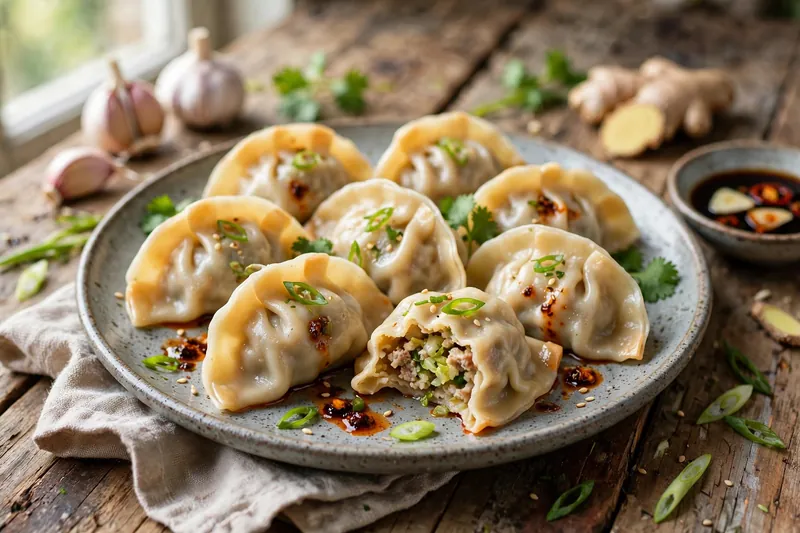
- Fill the wontons one at a time. Put about a teaspoon of filling in the centre of a wrapper, wet the edges with a fingertip dipped in water, then fold the wrapper in half and press the edges shut. Bring the two bottom corners together and pinch them, giving each wonton a little purse shape. Keep the finished wontons under a damp cloth so they do not dry out.
- Heat the chicken stock in a large pot with the ginger slices, the flounder powder or fish sauce, and the sugar. Bring it to a gentle simmer, not a rolling boil, and keep it warm while you cook the rest. Taste it now: it should be light, savoury, and clean, with a gentle seafood note. Adjust with a little soy sauce or salt if it tastes flat.
- Bring a separate large pot of water to a rolling boil. Drop the wontons in, a few at a time, and stir gently so they do not stick to the bottom. They will sink first, then float to the surface as they cook. Once they float, give them 1 more minute, then lift them out with a slotted spoon and set them aside.
- In the same boiling water, blanch the choy sum or bok choy for 30 seconds, just until the leaves turn bright green and the stems stay crisp. Lift them out and set them with the wontons. You want the greens barely cooked; they will soften a little more in the hot broth.
- Now cook the noodles. Fresh egg noodles only need 60 to 90 seconds in the boiling water. Stir them gently with chopsticks to loosen the strands, and watch them closely: they should be springy and firm, not soft. Drain them at once and give them a quick rinse under cold water to stop the cooking.
- Toss the drained noodles with a few drops of sesame oil so they do not clump together. Divide them between four warmed bowls, arranging them in a loose nest. Place 4 wontons on top of each nest, and lay the blanched greens alongside them. The bowls should look neat and inviting, not heaped.
- Ladle the hot stock over each bowl, pouring it around the edges so it flows through the noodles rather than washing the wontons apart. The heat of the broth will warm the noodles back up and finish the wontons. Sprinkle the remaining spring onion over the top.
- Serve at once, with white pepper, chilli oil, and a little extra soy sauce on the table so everyone can season their own bowl. Eat the noodles with chopsticks and drink the broth straight from the bowl, which is exactly how it is done in Hong Kong.
Pro tips
- Keep the wontons under a damp cloth while you fold the rest. Dry wrappers crack and will not seal, and a cracked wonton falls apart in the water.
- Cook the noodles and wontons in plain boiling water, never in the stock. The starch would cloud the broth and dull its clean flavour.
- Taste the broth before you serve it. It should be savoury and light with a gentle seafood note; a pinch of sugar and a little soy sauce usually bring it into balance.
- Warm the serving bowls with hot water before you assemble them. A cold bowl chills the broth fast, and this dish should be eaten piping hot.
- Do not overfill the wontons. A teaspoon of filling is enough; more than that, and the wrapper cannot close properly and will burst in the pot.
Variations & serving ideas
For a richer broth, simmer the stock with a few pork bones or a chicken carcass for an hour before you start. The extra depth is worth it for a weekend bowl. For a quicker version, use a good quality shop-bought chicken stock and stir in a teaspoon of fish sauce and a pinch of sugar; it will not match a slow broth, but it is close enough for a weeknight. A few dried shiitake mushrooms simmered in the stock add a lovely earthy note too.
Swap the filling to suit your taste. All-pork wontons are classic and a little richer; all-prawn wontons are lighter and sweeter. A spoonful of finely chopped water chestnuts folded into the filling adds a pleasant crunch. For a vegetarian version, fill the wontons with finely chopped mushrooms, tofu, and spring onion, and use a vegetable stock with a little mushroom powder for the broth.
Serve the noodles with different greens according to the season. Choy sum and baby bok choy are the classic choices, but spinach, lettuce, or even bean sprouts work well, blanched for just 30 seconds. A soft-boiled egg, halved and set on top, makes the bowl more filling, and a few slices of char siu pork turn it into a fuller meal. Keep the portions small, though; this dish is meant to be light.
Pair the bowl with the usual Hong Kong table seasonings: white pepper, chilli oil, and a dash of soy sauce, so each person can season to taste. A cold glass of barley tea or a light lager goes well alongside, and the meal is complete with nothing more than a plate of pickled vegetables on the side. The simplicity is the point; the noodles and the broth are the whole show.
Getting it right
The key technique is folding the wontons so they hold together in boiling water. The filling must be mixed until it turns sticky, which happens when you stir it in one direction for a full minute. That stickiness is the protein binding, and it keeps the filling in one piece. Wet the wrapper edges, press them shut firmly, and pinch out any air, because a pocket of air expands in hot water and bursts the wrapper open.
Timing matters more than heat here. The noodles cook in 60 to 90 seconds, and a minute too long turns them from springy to soggy. Cook the noodles separately from the wontons, because the starch from the noodles clouds the broth and makes it heavy. Rinse the drained noodles briefly under cold water to stop the cooking, then let the hot broth warm them back up in the bowl. It sounds like extra work, but it is the difference between a shop-quality bowl and a mushy one.
The common mistakes are all about the broth and the noodles. Boiling the stock hard makes it cloudy and greasy, so keep it at a gentle simmer. Adding the noodles too early leaves them sitting in hot broth and softening while you finish the wontons, so always assemble the bowls at the last moment. And if your wontons burst, the filling was probably too wet or the wrappers were not sealed properly; a drier filling and a firm press on the edges fixes it next time.
Storing & reheating
Store the parts separately in the fridge for up to 2 days: broth in one container, cooked wontons in another, and the noodles on their own. Put the bowls together again by reheating the broth until it simmers and pouring it over the noodles and wontons. The noodles will soften a little on reheating, so keep them as dry as you can in storage.
Raw wontons freeze beautifully for up to 2 months. Lay them on a tray without touching, freeze until solid, then bag them up. Cook them straight from frozen, adding 2 extra minutes to the boiling time. The broth also freezes well on its own; thaw it overnight in the fridge and bring it to a simmer before serving.
Frequently asked questions
How do I keep the noodles springy?
The secret is a quick cook and a cold rinse. Cook the noodles for 60 to 90 seconds only, then drain and rinse briefly under cold water to stop them cooking. Toss with a drop of oil, then pour the hot broth over them; the broth reheats them without making them soft.
Can I use shop-bought wonton wrappers?
You can, but the texture changes. Ready-made wonton wrappers from an Asian supermarket are thin and cook in 2 minutes, and they are what most home cooks use. Making your own wrappers is a weekend project and gives a slightly chewier bite.
What is dried flounder powder, and is there a substitute?
Dried flounder powder gives the broth its classic seafood depth. Look for it in Asian supermarkets, often labelled as dried sole or flounder powder. If you cannot find it, use a good chicken stock with a little fish sauce and a pinch of sugar instead.
Can I make the wontons ahead and freeze them?
Yes, and it freezes very well. Make a double batch of wontons, freeze them raw on a tray, then bag them once solid. They cook straight from frozen in 4 to 5 minutes, so a bowl of wonton noodles becomes a 10-minute dinner.
Why did my noodles go mushy in the soup?
The noodles overcook in the broth. Cook the noodles separately, assemble each bowl fresh, and only add the broth at the moment of serving. Leftovers are best stored as separate parts and put together again when you reheat.
What should I add at the table?
Chilli oil, white pepper, and a dash of soy sauce are the usual table seasonings. A spoonful of pickled chilli or a little sesame oil works too. Taste the broth first, then season to your own liking.