Kung Pao Shrimp Recipe
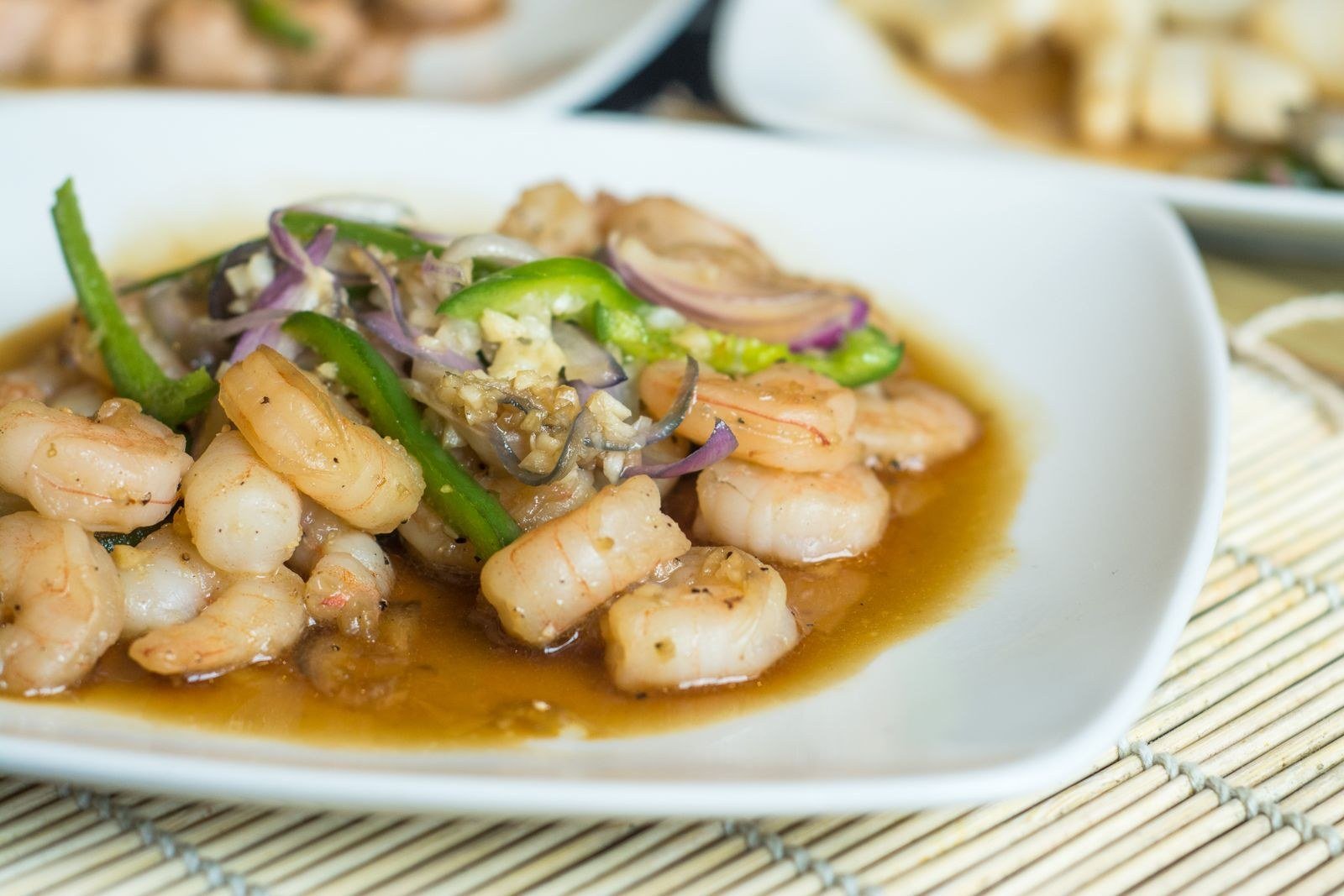
Plump shrimp, crunchy roasted peanuts and dried red chillies come together in a glossy, sweet-sour sauce that clings to every bite. This Kung Pao Shrimp cooks fast, tastes bold, and turns a plain weeknight into something worth sitting down for. The Sichuan peppercorns add a gentle tingle that builds slowly, while the peanuts stay crisp against the tender shrimp. Serve it over steamed rice and watch it disappear.
The story behind Kung Pao Shrimp
Kung Pao Shrimp traces its roots to Sichuan province in southwestern China, where the dish began as a chicken preparation named for Ding Baozhen, a Qing dynasty official whose title included the words gong bao. Cooks in Sichuan took that template of chillies, Sichuan peppercorns and peanuts and applied it to whatever protein was at hand. Shrimp slipped into the wok naturally in coastal kitchens and in restaurants catering to diners who wanted the same numbing heat with a lighter, quicker-cooking main.
In Sichuan cooking, the dish sits at the centre of a shared table, surrounded by plain rice, a green vegetable and a soup. The heat is not there to punish you. Dried chillies bring warmth and fragrance, Sichuan peppercorns add their famous tingling numbness, and a little sugar rounds the edges so the sauce tastes layered rather than simply hot. Peanuts give crunch against the tender shrimp, and the balance of sour, sweet, salty and spicy is what people come back for.
What makes this version special is the way the sauce behaves. It is built in the bowl before the wok gets hot, so nothing is measured while shrimp are overcooking. The cornstarch slurry thickens the sauce in seconds, turning it from thin and watery to a shiny glaze that coats each shrimp instead of pooling at the bottom of the plate. You get restaurant gloss with a home-cook method, and the whole dish is done before the rice has time to cool.
Cook it when you want something bold without spending the evening in the kitchen. It suits a Friday night when takeaway feels tempting, a small dinner party where you want one showpiece dish, or any evening when the fridge holds a bag of shrimp and a jar of peanuts. Keep everything chopped and measured before you light the stove, because once the wok is hot the cooking takes about eight minutes. Buy the shrimp already peeled if you want to save time, and keep the peanuts in a sealed jar so they stay crisp until the moment they hit the pan. Keep the peanuts in a sealed jar in a cool cupboard, so they stay crisp for weeks.
- Prep time
- 20 mins
- Cook time
- 10 mins
- Total time
- 30 mins
- Servings
- 4 servings
- Calories
- 380
Ingredients
- 450 g large shrimp, peeled and deveined
- 2 tablespoons soy sauce
- 1 tablespoon Shaoxing wine
- 1 tablespoon cornstarch
- 3 tablespoons vegetable oil
- 10 dried red chillies, halved
- 1 teaspoon Sichuan peppercorns
- 3 garlic cloves, finely chopped
- 1 tablespoon fresh ginger, finely chopped
- 4 spring onions, cut into 2 cm pieces
- 80 g roasted peanuts, unsalted
- 2 tablespoons black vinegar
- 1 tablespoon hoisin sauce
- 1 teaspoon sugar
Instructions
- Pat the shrimp dry with kitchen paper, then toss them in a bowl with 1 tablespoon of the soy sauce, the Shaoxing wine and the cornstarch. Let them sit for 10 minutes while you prepare everything else. The coating should look thin and even, and the shrimp should feel slightly tacky, which helps the sauce cling later.
- Stir the remaining soy sauce, black vinegar, hoisin sauce and sugar together in a small bowl until the sugar dissolves. Set this sauce bowl right beside the stove along with the peanuts and spring onions. You will not have time to hunt for anything once the wok is hot, so keep every bowl within arm's reach.
- Heat the vegetable oil in a wok or large frying pan over high heat until it shimmers and a drop of water sizzles on contact. Add the shrimp in a single layer and let them sit untouched for about 1 minute, until the undersides turn pink and lightly golden. Flip each one and cook for 30 seconds more, then lift them out to a plate.
- Lower the heat to medium and add the dried chillies and Sichuan peppercorns to the remaining oil. Stir for 20 to 30 seconds until the chillies darken slightly and the oil smells warm and fragrant. Do not let the chillies blacken, because burnt chilli turns the whole dish bitter.
- Add the garlic and ginger and stir for another 20 seconds until the garlic smells sweet and the edges just start to colour. Keep the aromatics moving so they cook evenly and do not catch on the hot metal. The pan should smell garlicky and warm, not sharp or scorched.
- Return the shrimp to the wok with the spring onions and peanuts, then pour in the sauce. Toss everything briskly for 1 minute so the sauce bubbles, thickens and coats each shrimp in a shiny glaze. You should hear a lively sizzle and see the sauce cling rather than run.
- Taste a shrimp and a little sauce, then adjust with a pinch of sugar if the vinegar bites too hard or a few drops of soy sauce if it needs salt. The finished dish should taste salty first, then sweet and sour, with heat building slowly at the back of your throat.
- Tip the shrimp onto a warm serving plate and scatter a few extra spring onion pieces over the top. Serve at once with steamed rice, while the peanuts are still crisp and the sauce is still glossy. Left sitting, the peanuts soften and the shrimp carry on cooking in the residual heat. Have the rice ready before you start, so the shrimp goes straight from the wok to the table.
Pro tips
- Dry the shrimp well before marinating, because wet shrimp steam instead of searing and the cornstarch coating slides off in the pan. Press them gently between sheets of kitchen paper to get them really dry.
- Use a wok or the largest pan you own so the shrimp sit in one layer; crowded shrimp release water and turn rubbery instead of golden. Cook in two batches if your pan is small, since the extra minute is worth it.
- Toast the Sichuan peppercorns in a dry pan for 30 seconds if they smell flat, then crush them lightly to wake up their citrusy, numbing aroma. Let them cool before crushing, so they grind evenly instead of clumping.
- Leave the chilli seeds in for more heat or shake most of them out before cooking; the seeds carry a good share of the fire.
- Mix the sauce before you start cooking, since the final toss takes under a minute and there is no time to measure while the wok is blazing. A small rice bowl of sauce ingredients mixed ahead of time also saves you from hunting through cupboards mid-cook.
Variations & serving ideas
You can swap the shrimp for diced chicken thigh, which takes a little longer to cook through, or for firm tofu cubes pressed dry and seared until golden on each side. Scallops work too, though they need only about a minute per side, so keep a close eye on them and pull them out the moment they turn opaque. The sauce and the chilli-peppercorn base stay the same whatever protein you choose, which is part of why this recipe is so useful.
If you cannot find Sichuan peppercorns, a small pinch of ground black pepper plus a little lemon zest gives a different but pleasant warmth, though you will miss the tingling sensation that defines the dish. Dried chillies can be swapped for a teaspoon of chilli flakes, and black vinegar can be replaced with rice vinegar plus a drop of balsamic for depth. Use tamari instead of soy sauce if you need the dish gluten-free, and check the hoisin label too.
Serve Kung Pao Shrimp over plain steamed jasmine rice, which soaks up the sauce and calms the heat. A simple cucumber salad dressed with rice vinegar and a pinch of sugar cools the palate between bites, and a bowl of egg drop soup turns the meal into a proper spread. Keep the portions generous and let people help themselves from the serving plate.
It pairs well with a cold lager, a lightly sweet iced tea, or sparkling water with a squeeze of lime. The fizz and the cold both help with the chilli heat. If you are cooking for children, halve the chillies and leave the peppercorns out, then offer a little extra chilli oil at the table for the adults. A squeeze of lime over the finished dish brightens the sauce, and a handful of diced red pepper adds colour and sweetness without changing the cooking time at all. For a lighter meal, serve the shrimp in lettuce cups instead of over rice, with extra peanuts and spring onions on top. Keep a jar of roasted peanuts in the pantry, since this dish comes together fast whenever shrimp is on hand.
Getting it right
The key technique is velveting the shrimp: a thin coat of cornstarch and soy sauce protects the flesh from the fierce heat of the wok. That coating sets the moment it hits hot oil, sealing in moisture and giving the shrimp a smooth, almost silky surface. Without it, shrimp dry out in seconds at high heat. The ten-minute rest matters too, because it lets the starch hydrate and grip the shrimp instead of washing off into the oil.
Heat control is everything in this dish. The wok must be very hot when the shrimp go in, so they sear instead of stewing in their own juices. Once the aromatics are in, drop the heat to medium: garlic and dried chillies burn fast, and burnt garlic turns bitter enough to spoil the sauce. The final sauce toss happens over high heat again, but only for about a minute, just long enough for the starch to thicken the glaze.
The most common mistake is overcooking the shrimp. They are done when they curl into a loose C shape and turn pink all the way through; a tight O shape means they have gone too far and will feel rubbery. Another mistake is adding the sauce before the pan is hot enough, which leaves it thin and watery. If that happens, just keep tossing over high heat for another 30 seconds until it thickens and shines. Keep a small bowl of water nearby when you fry the chillies, so you can calm the pan quickly if the oil starts to smoke.
Storing & reheating
Store leftovers in a sealed container in the fridge for up to 2 days. The shrimp will firm up a little as they chill, and the peanuts will lose their crunch, so the dish is best eaten fresh. Do not leave it at room temperature for more than 2 hours, especially in warm weather, because shellfish spoils quickly.
Freezing is not ideal, because the shrimp turn soft and the sauce separates on thawing. If you must freeze it, use a freezer-safe container, eat it within a month, and thaw overnight in the fridge. Reheat gently in a pan over medium heat with a splash of water, stirring just until hot, about 2 minutes. Skip the microwave if you can, since it toughens shrimp fast. Add a small handful of fresh roasted peanuts after reheating to bring back the crunch.
Frequently asked questions
Can I use frozen shrimp for Kung Pao Shrimp?
Yes, and most home cooks do. Thaw them overnight in the fridge or under cold running water, then pat them very dry before marinating. Wet shrimp will steam in the wok and the coating will not stick properly. A quick thaw under cold water works when you are short on time, though the fridge method is gentler.
How spicy is Kung Pao Shrimp?
It has a warm, building heat rather than a sharp burn, thanks to the dried chillies and Sichuan peppercorns. Remove the chilli seeds and halve the chillies for a milder dish, or add more chillies and a little chilli oil if you want real fire.
What is the difference between Kung Pao Shrimp and Szechuan shrimp?
Kung Pao Shrimp is defined by peanuts, dried chillies and Sichuan peppercorns in a sweet-sour glaze. Szechuan shrimp is a broader label for spicy shrimp dishes and often uses a chilli paste sauce without peanuts or the numbing peppercorn tingle.
Can I make Kung Pao Shrimp without peanuts?
Yes. Cashews are the closest swap and taste wonderful, or use toasted sesame seeds for crunch. If you need a nut-free version, leave the nuts out and add extra spring onion and a few pieces of diced celery for texture.
What do I serve with Kung Pao Shrimp?
Plain steamed jasmine rice is the classic partner, since it soaks up the sauce and softens the heat. Add a cool cucumber salad or a simple stir-fried green vegetable, and the meal feels complete without much extra work. A simple stir-fried green vegetable on the side rounds out the meal nicely.
Why is my sauce thin instead of glossy?
The sauce thickens from the cornstarch on the shrimp and needs high heat to activate. If it stays thin, turn the heat up and toss for another 30 seconds until it bubbles and clings. Make sure the wok is properly hot before the sauce goes in next time.