Macaroni and Cheese Recipe
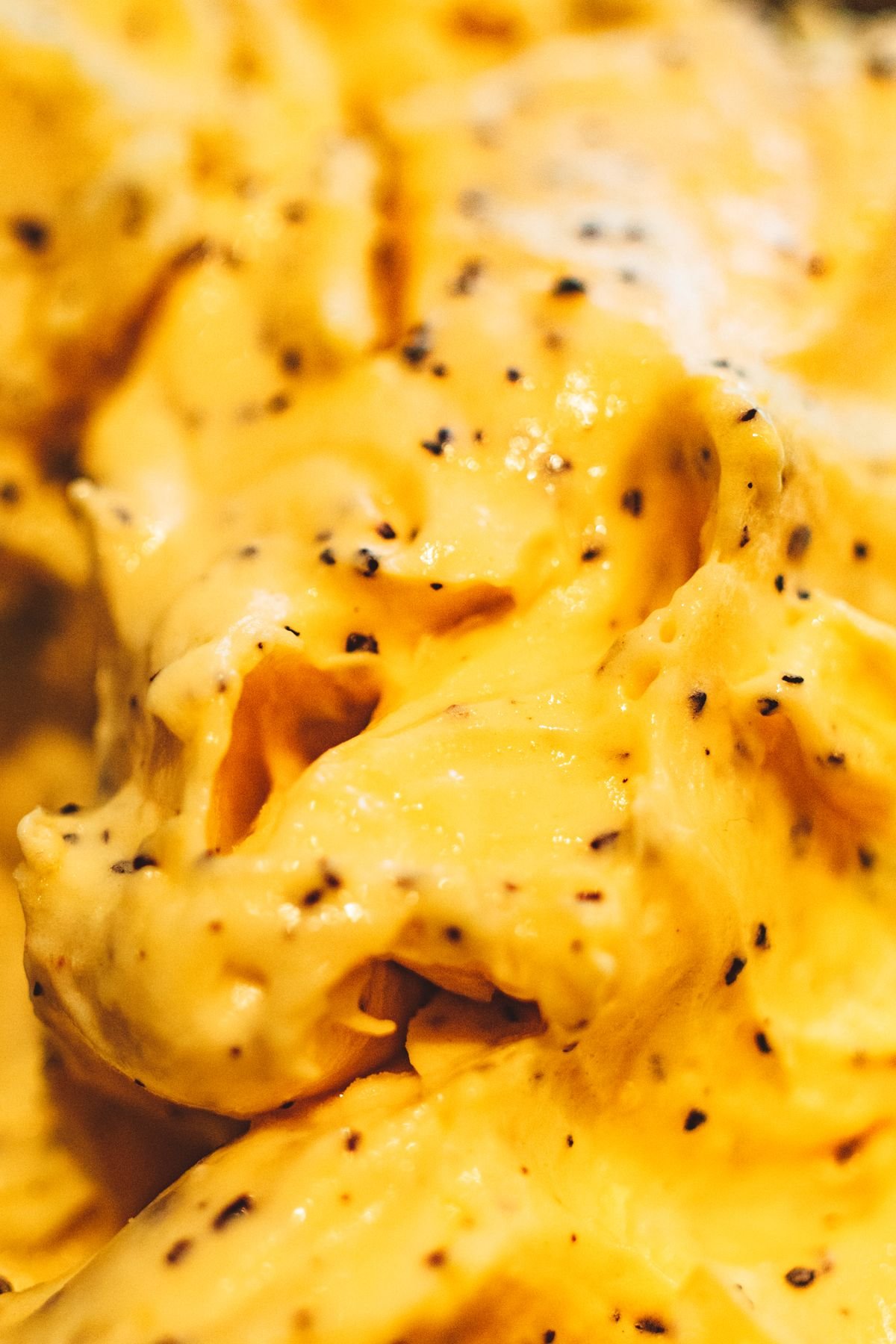
This baked macaroni and cheese is creamy, rich, and golden on top, with a crunchy breadcrumb crust and a sauce that clings to every piece of pasta. It is the comfort food that American families have cooked for generations, and it comes together with one pot, one pan, and ingredients you probably already have. Serve it as a side, or let it be dinner all on its own.
The story behind Macaroni and Cheese
Macaroni and cheese has been on American tables for a very long time. The first version appeared in the early 1800s, when Thomas Jefferson served a baked pasta and cheese dish at a state dinner after bringing a pasta machine home from Italy. The cook who made it famous was James Hemings, an enslaved chef who trained in French kitchens and brought back the technique of binding pasta with a rich, creamy sauce.
By the late 1800s, macaroni and cheese had become a staple of American home cooking. It was cheap, filling, and easy to make from ingredients that kept well in the pantry. During the Great Depression, it became a lifeline for families stretching a food budget, and in 1937 Kraft put the boxed version on shelves. That box sold millions in its first year, and macaroni and cheese became one of the most recognisable dishes in the country. The homemade version never went away, though, and for many families the baked dish with a golden crust is the only one that counts.
What makes a good baked macaroni and cheese is the sauce. It starts as a roux, butter and flour cooked together, then milk turns it into a smooth white sauce that melts the cheese into a glossy, golden coating. Sharp cheddar gives it bite, while a second cheese like Gruyere keeps it smooth. The breadcrumb topping adds the crunch that makes each spoonful interesting.
This dish shows up at Thanksgiving, at church suppers, at barbecues, and on weeknights when dinner needs to be on the table fast. It is a side dish that often steals the show, and plenty of families argue about whose version is best. You can keep it simple, as this recipe does, or dress it up with extra cheese, bacon, or a little hot sauce.
- Prep time
- 15 mins
- Cook time
- 25 mins
- Total time
- 40 mins
- Servings
- 4 servings
- Calories
- 640
Ingredients
- 300 g elbow macaroni
- 4 tablespoons (55 g) unsalted butter
- 4 tablespoons (30 g) all-purpose flour
- 2 1/2 cups (600 ml) whole milk, warmed
- 1/2 teaspoon mustard powder
- 1/2 teaspoon garlic powder
- 1/2 teaspoon salt
- 1/2 teaspoon black pepper
- 2 cups (200 g) sharp cheddar cheese, grated
- 1 cup (100 g) Gruyere or Monterey Jack cheese, grated
- 1/2 cup (50 g) breadcrumbs
- 2 tablespoons grated Parmesan cheese
Instructions
- Heat your oven to 375°F (190°C) and butter a medium baking dish, about 20 by 30 centimetres. The butter stops the pasta from sticking and helps the edges turn golden. Set the dish on a baking sheet to catch any sauce that bubbles over in the oven.
- Bring a large pot of salted water to a rolling boil and add the elbow macaroni. Cook it for one minute less than the packet says, so it stays firm in the middle. The pasta will keep cooking in the oven, and fully cooked pasta turns soft and mushy in the finished dish.
- Drain the pasta well and set it aside. Do not rinse it, because the light starch on the surface helps the cheese sauce cling to every piece. Give the colander a good shake so no water pools at the bottom and thins the sauce later.
- Melt the butter in a large saucepan over medium heat until it foams and smells faintly nutty. Sprinkle in the flour and whisk it into a smooth paste. Keep whisking for one to two minutes while it bubbles gently; this cooks out the raw flour taste and gives the sauce its body.
- Pour in the warm milk a little at a time, whisking hard after each addition so no lumps form. The sauce will look thin at first, then slowly thicken as it heats. Let it simmer gently for three to four minutes, stirring often, until it coats the back of a spoon and leaves a clear line when you run your finger through it.
- Take the pan off the heat and stir in the mustard powder, garlic powder, salt, and black pepper. The mustard is not there to make the sauce taste like mustard; it sharpens the cheese flavour and keeps the sauce from tasting flat. Taste and adjust the salt now, while it is easy to fix.
- Add the grated cheddar and Gruyere a handful at a time, stirring until each handful melts before you add the next. The sauce should turn smooth, glossy, and thick enough to coat the pasta. If it feels too thick, stir in a splash of warm milk until it flows slowly off the spoon.
- Tip the drained pasta into the sauce and fold it through until every piece is coated. Pour the mixture into the buttered dish and spread it evenly. Mix the breadcrumbs with the Parmesan and scatter the mixture over the top in an even layer, so every spoonful gets some crunch.
- Bake for twenty to twenty-five minutes, until the top is golden and the sauce is bubbling at the edges. You should hear a gentle sizzle and see the crumbs turning deep gold. Let the dish rest for five minutes before serving, so the sauce thickens slightly and holds together on the spoon.
Pro tips
- Grate the cheese yourself instead of buying pre-shredded bags. The coating on pre-shredded cheese stops it melting smoothly, and hand-grated cheese gives you a silkier sauce.
- Cook the pasta one minute less than the packet says. It finishes cooking in the oven, and slightly firm pasta holds its shape in the finished dish.
- Warm the milk before you add it to the roux. Cold milk can make the sauce seize into lumps, while warm milk blends in smoothly and thickens evenly.
- Take the pan off the heat before you stir in the cheese. A boiling sauce splits the cheese and turns it grainy, but gentle residual heat melts it into a smooth, glossy coating.
- Let the dish rest for five minutes after baking. The sauce thickens as it cools slightly, so it coats the pasta instead of running off onto the plate.
Variations & serving ideas
You can change this dish in many directions once the sauce is right. Stir in crispy bacon pieces, diced ham, or sliced sausage for a heartier meal, or fold in steamed broccoli, peas, or roasted cauliflower for colour and a bit of freshness. A spoonful of hot sauce or a pinch of cayenne adds warmth without changing the character of the dish, and smoked paprika gives it a gentle, smoky note. Sliced cherry tomatoes stirred in just before baking add a bright, sharp contrast to the rich cheese.
For a richer version, swap half the cheddar for smoked Gouda or fontina, and top the dish with extra breadcrumbs mixed with melted butter. For a lighter version, use low-fat milk and reduce the cheese by a third, then add a spoonful of Dijon mustard to keep the flavour bold. The sauce will be thinner, so simmer it a minute longer before you add the pasta.
If you need to avoid gluten, use gluten-free elbow pasta and a one-to-one gluten-free flour blend for the roux. Cook the pasta a minute less than the packet says, because gluten-free pasta softens quickly. Use gluten-free breadcrumbs for the topping, or crush a few rice crackers for the same crunch.
Serve macaroni and cheese as a side with roast chicken, barbecue ribs, or fried fish, or make it the main dish with a crisp green salad and some bread. It also makes a good base for leftovers: stir in shredded chicken and a handful of spinach the next day, warm it through, and you have a second meal from the same pot.
Getting it right
The heart of this dish is the cheese sauce, and it rewards patience. Cook the flour and butter together for a full minute or two before you add the milk, because raw flour gives the sauce a pasty taste that no amount of cheese will hide. Add the milk slowly and whisk well, since a smooth sauce at this stage is what keeps the finished dish silky.
Heat control is the other half of it. The sauce should simmer gently, never boil hard, and the cheese goes in off the heat. Cheese that boils will split and turn grainy, and once it splits you cannot fully fix it. Grate your own cheese too: pre-shredded cheese is coated in starch to stop it clumping, and that coating can make your sauce gritty and dull.
The most common mistake is overcooking the pasta before it goes into the oven. It keeps cooking in the sauce, so if you boil it until it is soft, it will fall apart into mush. Cook it one minute short of the packet time, drain it well, and get it into the sauce quickly. Another common slip is skipping the rest after baking. Five minutes on the counter lets the sauce set just enough to hold together on the spoon. If the dish still looks loose when you serve it, give it a few more minutes; it firms up quickly as the cheese cools.
Storing & reheating
Let the dish cool fully, then cover it tightly and keep it in the fridge for three to four days. The sauce firms up as it cools, which is normal. To reheat, add a splash of milk, cover with foil, and warm it in a 350°F oven for about twenty minutes, stirring once halfway through so it heats evenly.
You can also freeze portions in sealed containers for up to three months. Thaw overnight in the fridge before reheating. The breadcrumb topping will soften in the freezer, so sprinkle on a little fresh breadcrumb and Parmesan before reheating if you want the crunch back.
Frequently asked questions
Why did my cheese sauce turn grainy?
The usual cause is a sauce that got too hot or was cooked too long. Cheese sauces split when they boil, so keep the heat low and take the pan off the heat before you stir in the cheese. If it does split, a splash of warm milk and a good whisk will often bring it back together.
Can I use a different cheese?
Yes. Sharp cheddar is the classic choice, but a mix of cheddar and Gruyere gives a smoother, deeper flavour. Monterey Jack melts beautifully and keeps the sauce silky, while a little Parmesan adds a salty edge. Avoid pre-shredded cheese if you can, because the coating on it can make the sauce gritty.
Can I assemble macaroni and cheese ahead of time?
Yes. Assemble the dish fully, cover it tightly, and keep it in the fridge for up to a day before baking. Add five to ten minutes to the baking time, since it goes into the oven cold. Do not add the breadcrumb topping until just before it goes in, or it will go soft in the fridge.
What should I serve with macaroni and cheese?
It is a filling dish, so a light side works best. A crisp green salad with a sharp dressing, steamed broccoli, or roasted green beans all cut through the richness. Coleslaw is a classic pairing at a barbecue, and it adds crunch and a cool, tangy contrast.
How long do leftovers keep?
Leftover macaroni and cheese keeps for three to four days in the fridge in a sealed container. Reheat it in the oven at 350°F with a splash of milk stirred in, covered with foil, for about twenty minutes. The microwave works too, but stir halfway through so it heats evenly.
Can I make this gluten-free?
You can, but the texture will change. Use a gluten-free elbow pasta and a one-to-one gluten-free flour blend for the sauce. Gluten-free pasta softens faster, so cook it a minute less than the packet says, and use gluten-free breadcrumbs for the topping.