Creamy Tomato Soup Recipe
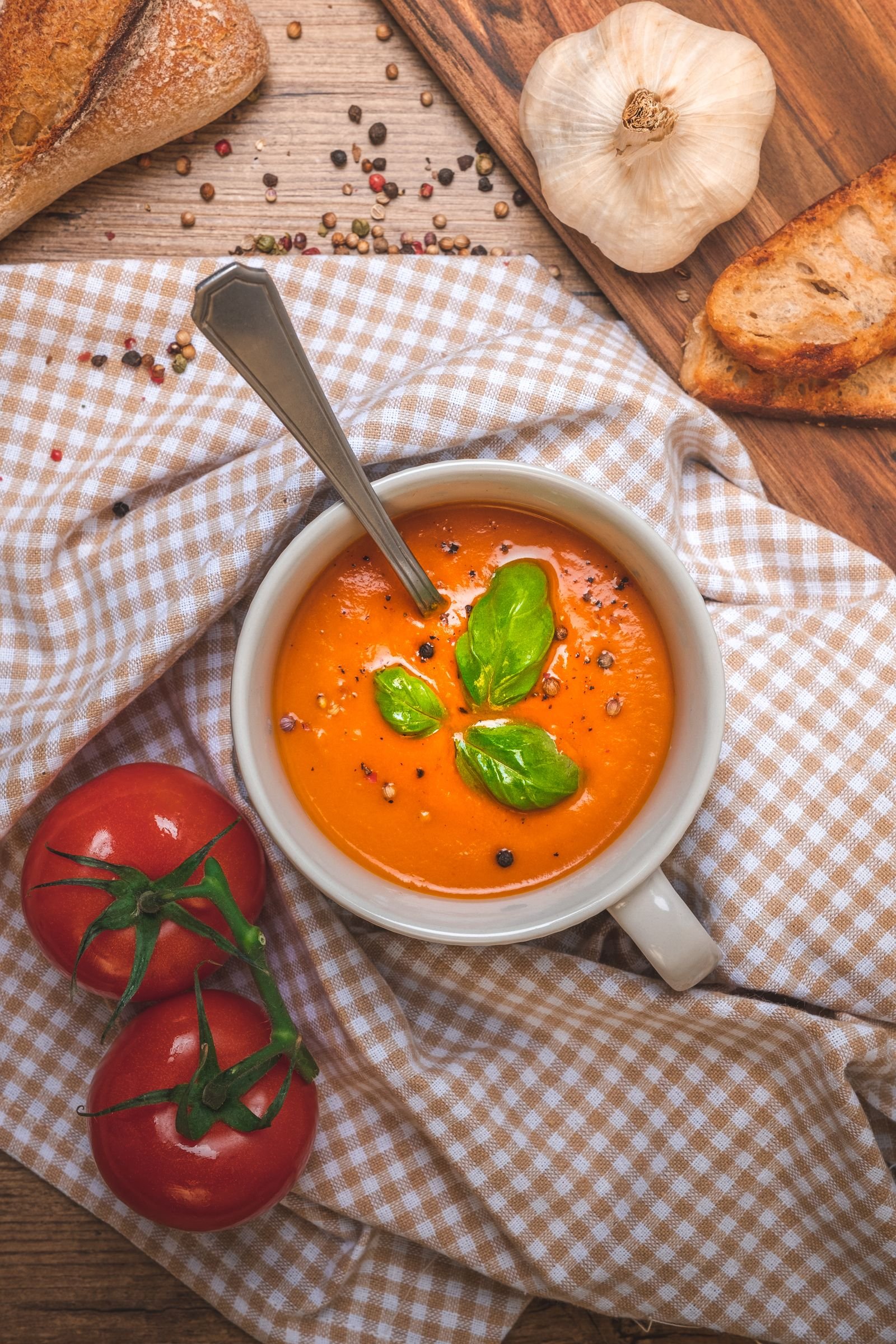
Creamy Tomato Soup is the comfort food that never goes out of style. Ripe tomatoes simmer with onion, garlic, and basil until sweet and soft, then blend into a silky soup with a swirl of cream. It is warm, gentle, and deeply satisfying, and it tastes a hundred times better than anything from a can. A grilled cheese sandwich beside the bowl makes it a proper meal.
The story behind Creamy Tomato Soup
Tomato soup became an American staple in the late nineteenth century, when canning made tomatoes available all year round. The Campbell Soup Company put it in a red-and-white can in 1897, and it became the soup of school lunches and sick days for generations. But long before the can, home cooks were simmering fresh tomatoes with onion and cream, and the homemade version has always tasted better. The first canned tomato soup was sold as a convenience for working families, and it caught on so fast that it became a symbol of the American pantry itself.
In American homes this soup is tied to grilled cheese sandwiches, rainy days, and coming in from the cold. It is the lunch a parent makes when a child is unwell, and the supper you cook when the fridge is nearly empty but the pantry still has tomatoes. It is simple, cheap, and kind, and it asks very little of the cook. The grilled cheese pairing is so fixed in American food culture that many people cannot imagine one without the other, and the salty, buttery sandwich is the perfect foil for the sweet soup.
What makes a good tomato soup is not complicated, but it is easy to get wrong. The tomatoes need time to cook down until their sharpness softens into sweetness, and a little sugar and a pinch of baking soda can help tame the acidity. The cream goes in at the end, off the boil, so it enriches the soup without splitting. Fresh basil, torn in at the last minute, gives it a clean, green note that dried herbs cannot match. A little butter melted in at the end gives the soup a richer flavour than cream alone, and a pinch of smoked paprika adds a faint warmth that suits the tomato.
Cook this soup when tomatoes are ripe and cheap, or on a cold evening when you want something warm with very little effort. It suits a quiet lunch for one just as well as a family supper, and it is one of the best soups to make in a big pot and freeze in portions. Put a grilled cheese sandwich beside it and dinner is done. It is also one of the first soups many children learn to make, because the method is simple and the result is forgiving even if the seasoning is a little off.
- Prep time
- 15 mins
- Cook time
- 30 mins
- Total time
- 45 mins
- Servings
- 4 servings
- Calories
- 320
Ingredients
- 1 kg ripe tomatoes, roughly chopped
- 2 tablespoons olive oil
- 1 medium onion, finely chopped
- 3 garlic cloves, thinly sliced
- 1 tablespoon tomato paste
- 500 ml vegetable or chicken stock
- 1 teaspoon sugar
- 0.5 teaspoon baking soda
- 120 ml double cream, plus extra to serve
- 1 handful fresh basil leaves
- Salt and black pepper, to taste
- Crusty bread, to serve
Instructions
- Heat the olive oil in a large pot over medium heat and add the onion with a pinch of salt. Cook it for 6 to 8 minutes, stirring now and then, until it turns soft and translucent. A gentle start like this builds a sweet base for the whole soup.
- Add the garlic and tomato paste and cook for 2 minutes, stirring constantly, until the paste darkens slightly and smells sweet and roasted. This short fry takes the raw edge off the paste and deepens the tomato flavour of the finished soup. Keep the heat at medium so the onion softens without colouring, because a browned onion would darken the colour of the finished soup.
- Tip in the chopped tomatoes with all their juices and stir well. The pot will hiss and steam as the tomatoes hit the heat. Cook them for 5 minutes until they start to soften and collapse, releasing their juices into the pot.
- Pour in the stock, add the sugar and baking soda, and bring the soup to a gentle simmer. The baking soda will fizz for a moment as it meets the acid in the tomatoes, and that fizz is what takes the sharp edge off the finished soup.
- Turn the heat down, put the lid on ajar, and simmer for 20 minutes. The tomatoes should be completely soft and the soup should smell sweet and mellow. Stir it once or twice so nothing catches on the bottom of the pot.
- Take the pot off the heat and tear in most of the basil leaves, saving a few for serving. Let the soup sit for 2 minutes so the basil wilts and gives up its flavour without turning brown and bitter.
- Blend the soup in batches with a stick blender or a jug blender until completely smooth. Hold the lid down firmly with a folded tea towel, because hot soup can splash. Blend for a full minute longer than you think you need; silkiness takes time.
- Stir in the cream and taste the soup. Add salt, pepper, and a little more sugar if it still tastes sharp. The cream should make the colour turn a soft orange-pink and the flavour round and gentle, not rich enough to hide the tomato.
- Ladle the soup into warm bowls and swirl a little extra cream over the top of each one. Scatter the remaining basil leaves on top and serve it straight away with crusty bread for dipping.
Pro tips
- Use the ripest tomatoes you can find. Pale, underripe tomatoes make a sharp, thin soup no amount of cream can fix, so choose fruit that smells sweet and gives slightly when pressed. If fresh tomatoes are out of season and pale, use good canned ones instead, because a pale tomato will never make a good soup.
- Add the cream off the heat. Boiling cream in an acidic soup can make it split into grainy flecks, while stirring it in after the pot comes off the stove keeps it smooth.
- Blend longer than you think. A full minute of blending after the soup looks smooth is what turns it from slightly grainy to properly silky. Blend in short bursts with a jug blender and leave the lid slightly open with a tea towel over it, so the steam can escape safely.
- A pinch of baking soda tames acidity without adding sweetness. Use only half a teaspoon; more than that can give the soup a soapy taste.
- Warm the bowls before serving. Hot soup in a cold bowl cools fast, and a warm bowl keeps it at the right temperature while you eat.
Variations & serving ideas
Roasted tomato soup is a deeper, smokier version. Halve the tomatoes, roast them at 200°C with the onion and garlic for 30 minutes until charred at the edges, then simmer and blend as usual. The roasting adds a sweetness and a faint smoky note that the stovetop version does not have. A handful of grated parmesan stirred in at the end melts into the soup and gives it a salty, savoury depth that works beautifully with the tomato. Halve the tomatoes and roast them at 200°C with the onion and garlic for 30 minutes until charred at the edges, then simmer and blend as usual.
For a dairy-free soup, swap the cream for coconut milk or a swirl of cashew cream, and use olive oil instead of butter. A spoonful of red lentils cooked in with the tomatoes makes the soup thicker and adds protein, and it blends in so smoothly that nobody will notice it is there. For a spicy version, add a pinch of chilli flakes with the garlic, or a spoonful of harissa stirred in at the end for a smoky heat.
Serve the soup with a classic grilled cheese sandwich, cut into triangles for dipping, or with a cheese toastie made with sharp cheddar. A swirl of pesto on top, or a spoonful of crème fraîche and a grind of black pepper, makes it feel a little more special. Garlic bread is another good partner. A swirl of basil pesto on top of each bowl adds colour and a fresh, herby note, and a few homemade croutons give the soup something to crunch. A swirl of pesto on top, or a spoonful of crème fraîche and a grind of black pepper, makes the soup feel a little more special.
This soup is at its best in late summer, when tomatoes are ripe and cheap, but canned whole tomatoes make a very good winter version. Use two 400 g tins of good-quality whole tomatoes and reduce the stock slightly. It is a soup for cold evenings, sick days, and any day you need something gentle. In summer, use the ripest tomatoes from the market and serve the soup warm rather than hot, with a drizzle of good olive oil instead of cream.
Getting it right
The core technique is a slow, patient simmer. Tomatoes are acidic, and that acidity is what makes a rushed soup taste sharp and thin. Twenty minutes of gentle simmering lets the cell walls break down fully, the natural sugars come forward, and the flavour turn from raw and bright to deep and mellow. A hard boil does the opposite: it drives off the fresh flavour and can make the soup taste flat. A stick blender is the easiest tool for this soup, because you can blend it right in the pot without moving hot liquid between containers.
Heat control is simple but important. The onion needs a medium heat and time to soften without browning, because browned onion gives the soup a darker, heavier flavour. The tomato paste needs a quick fry to lose its raw taste. And the cream must never boil, because heat plus acid is what makes dairy split. Each stage has its own heat, and respecting that is the whole skill. If the soup tastes flat even after salting, a small squeeze of lemon juice or a splash of vinegar will usually wake it up.
The most common mistake is under-seasoning, because tomatoes need more salt than you expect to taste their best. Taste the soup at the end and add salt in small pinches until the flavour suddenly opens up. The other mistake is a soup that stays grainy, which means it needed more blending time or a pass through a sieve for a truly smooth finish. A fine sieve gives the smoothest possible soup, though it takes a few minutes of pressing with a ladle, and the result is worth it for a special occasion.
Storing & reheating
Cool the soup quickly and store it in the fridge for up to 4 days, in a sealed container. Leave the cream out if you plan to keep it, and stir it in fresh when you reheat, because cream can turn grainy after a few days in an acidic soup. The flavour actually improves overnight as the basil and garlic settle. A little extra stock stirred in when reheating will thin the soup back to the right consistency, because it thickens slightly as it sits.
Freeze the soup without the cream for up to 3 months, in portions, leaving room at the top of the container for expansion. Thaw it overnight in the fridge and reheat gently on the hob, stirring in the cream at the end. It freezes so well that a double batch is always worth making.
Frequently asked questions
Can I use canned tomatoes for this soup?
Yes, two 400 g tins of good whole tomatoes work very well, especially in winter. Drain one tin and use the juice from the other, then reduce the stock by about 100 ml. The cooking time stays the same, and the result is rich and reliable. Tinned cherry tomatoes are sweeter and need less sugar.
Why does my tomato soup taste too acidic?
Underripe tomatoes and a short cooking time are the usual causes. Simmer the soup for the full 20 minutes, add a pinch of baking soda and a teaspoon of sugar, and taste again. A swirl of cream at the end also softens the acidity.
Can I make creamy tomato soup without cream?
Yes, blend in a swirl of coconut milk, cashew cream, or a spoonful of butter instead. You can also leave the cream out entirely and rely on the natural sweetness of well-cooked tomatoes. The soup will be lighter but still comforting.
How do I stop the cream from splitting in tomato soup?
Take the pot off the heat before stirring the cream in, and do not let the soup boil afterwards. Cream splits when it meets high heat and acid together, so adding it last and keeping the soup below a simmer keeps it smooth.
What goes well with tomato soup?
A grilled cheese sandwich is the classic partner, and the combination is famous for good reason. Crusty bread, a cheese toastie, or a simple salad also work well. For a heartier meal, serve the soup with a baked potato or a slice of quiche. A green salad with sharp dressing balances the richness.
Can I freeze creamy tomato soup?
Yes, but freeze it before adding the cream for the best texture. Cool it, pack it in portions, and freeze for up to 3 months. Thaw overnight in the fridge, reheat gently, and stir the cream in just before serving.