Pla Thod Nam Pla Recipe
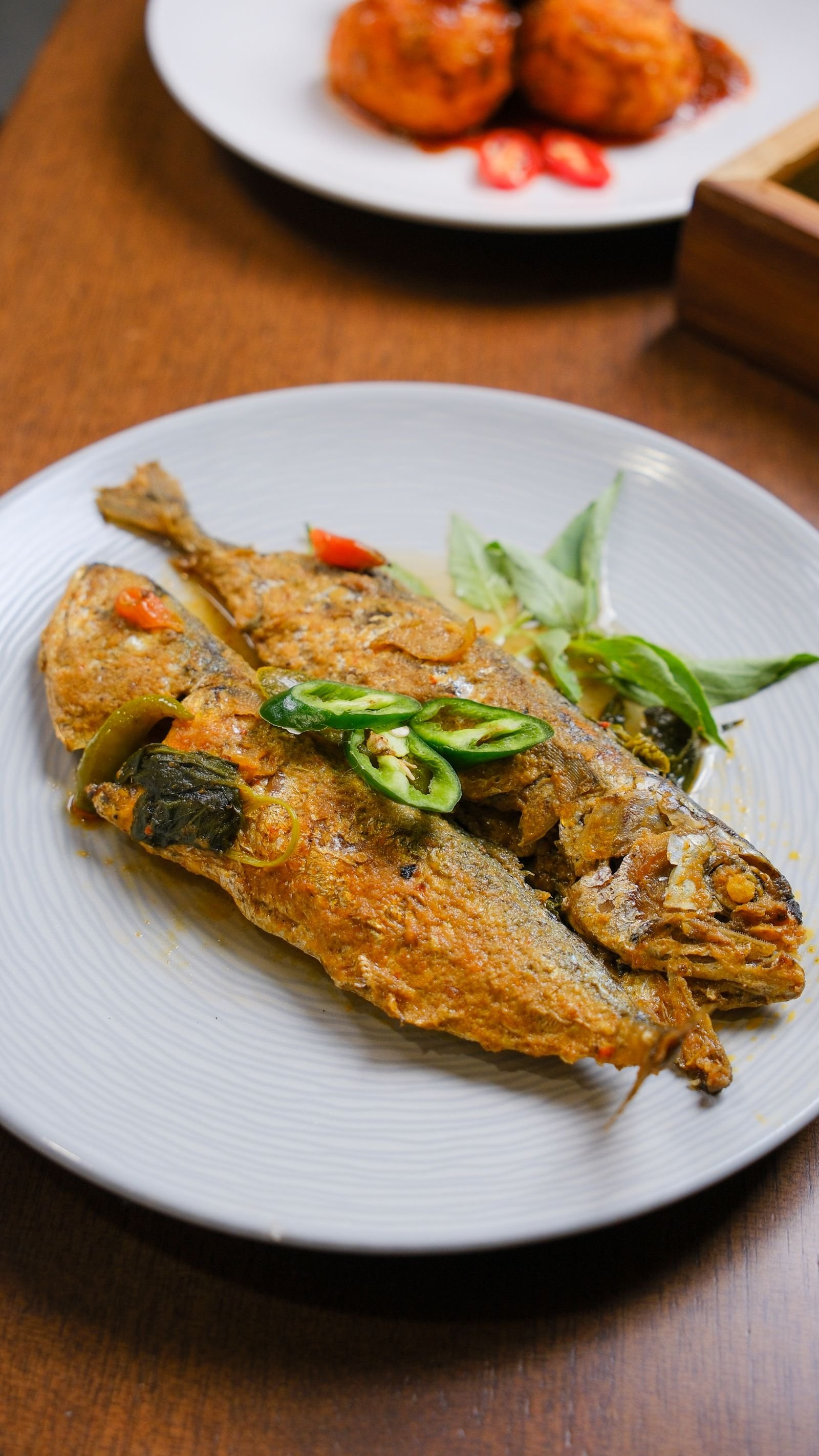
Pla thod nam pla is Thailand's crispy fried fish: a whole fish scored and fried until the skin turns golden and shatteringly crisp, then drizzled with a warm sauce of fish sauce, garlic, chilli and lime. The flesh inside stays moist and flaky, and the sauce soaks into the crisp skin. It is a dish for sharing, set in the middle of the table with rice.
The story behind Pla Thod Nam Pla
Pla thod nam pla is a dish of the Thai market and the seaside restaurant, and its name says it all: fried fish with fish sauce. A whole fish, scored and fried until the skin is crisp, then dressed with a sauce built on nam pla — the salty, savoury fish sauce that is the backbone of Thai cooking. It is a simple idea, and it has been cooked this way for generations, wherever there is a wok, a fresh fish and a bottle of fish sauce. The dish needs no special equipment — just a wok, hot oil and a fresh fish — which is why it appears in so many Thai kitchens.
In Thailand this fish is sharing food. It arrives at the middle of the table, whole and golden, with a plate of rice and a few small dishes around it, and everyone pulls off pieces with a spoon and fork. It shows up at family dinners, at seaside restaurants where the fish comes straight off the boat, and at market stalls where the cook fries to order. The crisp skin and the salty sauce are the point — this is a dish you eat with your hands almost, and with pleasure. At a seaside restaurant the fish often comes straight off the boat, and the cook fries it to order while you watch.
What makes pla thod nam pla special is the contrast. The skin is shatteringly crisp, the flesh inside is moist and flaky, and the warm fish sauce, garlic and chilli soak into the scores and season every bite. The rice flour coating is the quiet skill — it gives the skin a light, crackling crust without the heaviness of a batter. The lime in the sauce keeps the richness in check.
Cook this dish when you have a good fresh fish and a table ready to share it. It suits a weekend lunch, a dinner with friends, or any meal where you want a centrepiece that looks impressive and tastes even better. It is best eaten the moment it leaves the pan, so have the rice ready and the table set before the fish goes into the oil.
- Prep time
- 15 mins
- Cook time
- 20 mins
- Total time
- 35 mins
- Servings
- 4 servings
- Calories
- 420
Ingredients
- 1 whole white fish, about 700 g, cleaned and scaled
- 1 cup vegetable oil, for frying
- 3 tablespoons rice flour
- 1 tablespoon cornflour
- 1/2 teaspoon white pepper
- 1/2 teaspoon salt
- 3 tablespoons fish sauce
- 1 tablespoon lime juice
- 1 tablespoon palm sugar
- 4 garlic cloves, thinly sliced
- 2 red chillies, thinly sliced
- 2 spring onions, chopped
- Fresh coriander leaves, to garnish
- Steamed jasmine rice, to serve
Instructions
- Pat the fish completely dry inside and out with paper towels — this is the single most important step for crisp skin. Score the fish with 3 diagonal cuts on each side, down to the bone, so the heat reaches the thick flesh.
- Mix the rice flour, cornflour, salt and white pepper in a shallow dish. Dust the fish lightly all over, including inside the scores, and shake off the excess. The coating should be a thin, even dusting — too much flour turns gummy, and too little will not crisp.
- Heat the oil in a wok or deep pan over medium-high heat until it reaches about 180 C. Test it with a pinch of flour — it should sizzle hard and rise to the surface at once. If the oil is not hot enough, the fish will soak it up and turn greasy.
- Lower the fish into the oil carefully, away from you, and do not touch it for 4 minutes. The skin needs time to set and crisp, and moving the fish early will tear it. You should hear a fierce, steady sizzle and see the skin turning golden at the edges.
- Turn the fish over gently with two spatulas and fry for another 4 to 5 minutes, until the second side is golden and crisp and the flesh flakes easily near the bone.
- Lift the fish out and drain it on a wire rack, not on paper towels — paper traps steam and softens the skin you just worked to crisp. Let it rest for 2 minutes while you make the sauce. The skin should crackle softly as it cools.
- Heat 1 tablespoon of the frying oil in a small pan and fry the garlic slices for 30 seconds until they turn pale gold. Add the fish sauce, lime juice and palm sugar, and stir until the sugar melts. The sauce should smell salty, garlicky and warm, with a light sweetness.
- Set the fish on a warm serving plate and pour the hot sauce over it, letting it run into the scores and over the crisp skin. Scatter over the sliced chillies, spring onions and coriander leaves. The sauce will sizzle softly as it hits the hot fish.
- Serve straight away, while the skin is still crisp, with steamed jasmine rice on the side. The fish is a sharing dish — set it in the middle of the table and let everyone pull off pieces with a spoon and fork. Eat it hot, before the steam softens the skin.
- Set the serving plate in the middle of the table and let everyone help themselves, pulling off pieces with a spoon and fork. The fish is at its best in the first few minutes, while the skin still crackles and the sauce is warm.
Pro tips
- Dry the fish properly before you flour it. Even a little surface water turns to steam in the oil and stops the skin from crisping — pat it dry, then pat it again. Use a wok or a deep pan with enough oil to come halfway up the fish, so the skin fries evenly on both sides.
- Do not move the fish for the first 4 minutes. The skin sets and crisps in that time, and any poking or turning will tear it and let oil into the flesh.
- Use a wire rack to drain the fish, not paper towels. Paper traps steam underneath the fish and softens the skin, while a rack lets air move and keeps it crisp.
- Make the sauce while the fish rests, not before. The sauce should be hot when it goes over the fish, so it sizzles into the scores and wakes up the garlic and chilli.
- Score the fish deeply, down to the bone. Shallow cuts look neat but the thick flesh near the bone stays undercooked, while deep scores let the heat in and the sauce through.
Variations & serving ideas
Use any firm white fish you can get fresh — sea bass, snapper, tilapia or even a whole mackerel all work well. Smaller fish fry faster and crisp up beautifully, while a larger fish feeds more people and looks grander on the table. Fish fillets work in a pinch, though you lose the drama of the whole fish. Sea bass, snapper, tilapia and even whole mackerel all work well, so use whatever your fishmonger has freshest that day. Ask the fishmonger to score the fish for you if you are unsure, as deep cuts down to the bone matter.
If you like heat, add a chopped bird's eye chilli to the sauce or a spoonful of chilli flakes. For a sweeter sauce, add a little more palm sugar; for a sharper one, add more lime juice. A spoonful of tamarind paste in the sauce gives it a gentle sourness that suits oily fish. For a sharper sauce, add more lime juice, and for a sweeter one, add a little more palm sugar. A chopped bird's eye chilli in the sauce adds real fire, while a spoonful of chilli flakes gives a gentler warmth.
The dish is at its best with steamed jasmine rice, which soaks up the salty sauce. A green papaya salad or a simple cucumber salad on the side adds freshness and crunch, and a clear soup like tom yum makes it a full Thai meal. Pickled garlic or chillies on the side add a sharp, salty bite. Pickled garlic or chillies on the side add a sharp, salty bite that wakes up the palate between mouthfuls. The rice soaks up the salty sauce, and a second helping of fish is usually wanted.
For drinks, keep it cold and simple — iced tea, sparkling water with lime, or a cold beer. The salty, fried flavours call for something cold and refreshing, and a little fresh fruit after the meal, like mango or pineapple, cleans the palate nicely. Keep the drinks cold and simple — iced tea, sparkling water with lime, or a cold beer all suit the salty flavours. Eat it hot, before the steam softens the skin, and let everyone pull off pieces with a spoon and fork.
Getting it right
The key technique in pla thod nam pla is frying the fish properly, and it starts before the fish touches the oil. Dry the fish completely, score it deeply, and dust it lightly with the flour mix. The oil must be hot — about 180 C — so the skin crisps at once instead of soaking up oil. Lower the fish in carefully and do not touch it for 4 minutes, so the skin sets and turns golden. Lower the fish into the oil carefully, away from you, so the hot oil cannot splash back onto your hands or arms.
Heat control is everything. If the oil is too cool, the fish turns greasy and the skin stays soft. If it is too hot, the skin burns before the flesh cooks through. A pinch of flour that sizzles hard and rises at once tells you the oil is ready, and keeping the heat steady through the fry keeps the crust even. Taste the sauce before it goes over the fish, and adjust the lime or fish sauce until it tastes right.
The most common mistakes are easy to fix. Soggy skin usually means the fish was wet, the oil was too cool, or the fish was drained on paper instead of a rack. Undercooked flesh near the bone means the scores were too shallow — cut down to the bone next time. And a sauce that tastes flat needs more lime or more fish sauce; taste it before it goes over the fish.
Storing & reheating
Fried fish is best eaten fresh, but leftovers keep in an airtight container in the fridge for up to 2 days. The skin will soften in the fridge — that is unavoidable — so store the fish and any leftover sauce separately and reheat the fish in a hot oven or air fryer to bring back some crispness. Store the fish and any leftover sauce in separate containers, so the sauce does not soften the skin further.
Do not freeze fried fish. The texture of the skin and the flesh both suffer badly on thawing, and the dish loses the crispness that makes it worth cooking. If you have leftover fish, flake the flesh off the bone and use it cold in a salad or a rice dish the next day.
Frequently asked questions
What fish should I use for pla thod nam pla?
Any firm white fish works — sea bass, snapper or tilapia are the usual choices. Pick the freshest whole fish you can find, with clear eyes and firm flesh, and have the fishmonger clean and scale it for you. Ask the fishmonger to clean, scale and gut the fish for you, and check that the eyes are clear and bright.
How do I get the skin really crispy?
Dry the fish completely, dust it lightly with rice flour, and fry it in oil at about 180 C without moving it for the first 4 minutes. Drain it on a wire rack, not paper towels, so steam does not soften the skin. Score the fish deeply so the heat reaches the flesh near the bone.
What is nam pla?
Nam pla is Thai fish sauce, made from fermented fish and salt. It is salty, savoury and deeply flavoured, and it is the backbone of Thai cooking — used the way soy sauce is used in other Asian cuisines. Fish sauce is used the way soy sauce is used in other Asian kitchens — a little goes a long way.
Can I use fish fillets instead of a whole fish?
Yes, fillets fry faster — about 3 minutes per side — and they are easier to serve. You lose the drama of the whole fish on the table, but the flavour and the crisp skin are the same. Fillets fry in about 3 minutes per side, and they are easier to serve, though you lose the whole-fish drama.
Is pla thod nam pla spicy?
It is mild to medium. The heat comes from the sliced chillies in the sauce, and you control it — use one chilli for a gentle warmth or two for more bite. The fish itself is not spicy. The chillies sit in the sauce, not in the fish, so you can leave them out and the fish still tastes complete.
What should I serve with fried fish?
Steamed jasmine rice is essential, with a green papaya salad or cucumber salad on the side for freshness. A clear soup like tom yum turns it into a full Thai meal. A cold beer or a glass of iced tea is the traditional company, and fresh fruit after the meal cleans the palate.