Kai Pad Med Mamuang Recipe
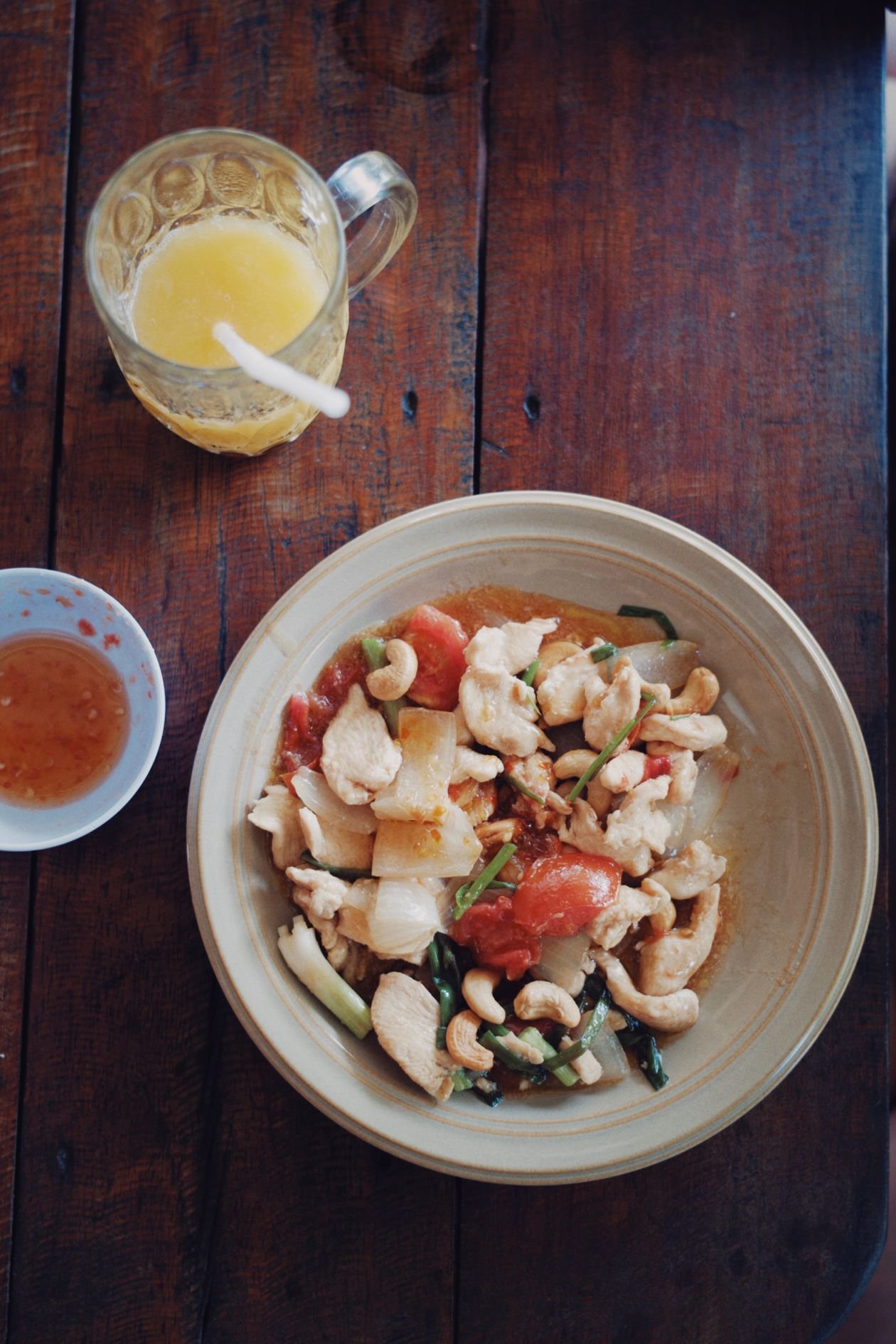
Juicy chicken, golden cashews that stay crunchy, and a glossy sauce that is sweet, salty, and just a little smoky. Kai Pad Med Mamuang is the Thai stir-fry you make when you want dinner on the table in half an hour without a takeaway menu. It comes together in one wok, smells wonderful, and tastes even better the next day. Serve it over jasmine rice and watch it disappear.
The story behind Kai Pad Med Mamuang
Kai Pad Med Mamuang means chicken stir-fried with cashew nuts, and the dish is exactly that simple. It is a restaurant favourite across Thailand, the kind of plate you point at on a menu when you want something safe, quick, and satisfying. The chicken is cut small, seared fast, and tossed with peppers, onion, and whole cashews in a sweet-savoury sauce. Nothing about it is fancy, which is why it works so well on a Tuesday night.
Cashews are not native to Thailand. They arrived from Brazil by way of Portuguese traders, and Thai cooks adopted them the way they adopt any good ingredient: fast and without ceremony. The nuts grow well in the warm south of the country, and they turned up in stir-fries, salads, and curries within a generation. In the south, where cashew trees grow in the heat, the nuts are cheap and plentiful, and cooks toss them into all kinds of dishes without thinking twice. Pairing them with chicken was a natural step. The nut is rich and buttery, the chicken is lean, and together they make a plate that feels generous without being heavy.
What makes this dish special is the way the cashews carry the whole plate. A good cashew chicken is judged by the nuts first: they should be golden, crisp, and slightly sweet from frying, never soft or oily. The sauce is the second test. It should coat the chicken in a thin, glossy layer, sweet at first and salty at the end, with a whisper of heat from dried chillies. Get those two things right and the chicken almost takes care of itself.
Cook this when you want a real dinner without a real effort. It suits weeknights when the fridge holds chicken and a pepper, and it scales up easily for friends, because the cooking time barely changes. It is also a good first Thai stir-fry for a beginner: one wok, one sauce, and no ingredient you cannot find in a normal supermarket. Make it once and it will join the short list of meals you cook without looking at the recipe. It also travels well in a lunchbox, since the sauce keeps the chicken moist for hours.
- Prep time
- 20 minutes
- Cook time
- 15 minutes
- Total time
- 35 minutes
- Servings
- 4 servings
- Calories
- 480
Ingredients
- 500 g boneless chicken thigh, cut into bite-sized pieces
- 1 tablespoon light soy sauce
- 1 teaspoon cornstarch
- 1/2 teaspoon ground white pepper
- 3 tablespoons vegetable oil
- 1 cup (130 g) raw cashew nuts
- 1 onion, cut into wedges
- 1 red bell pepper, cut into chunks
- 3 spring onions, cut into 3 cm pieces
- 3 cloves garlic, finely chopped
- 2 dried red chillies, torn in half
- 3 tablespoons oyster sauce
- 1 tablespoon fish sauce
- 1 tablespoon sugar
Instructions
- Toss the chicken with the light soy sauce, cornstarch, and white pepper in a bowl. The cornstarch helps each piece brown instead of steaming, while the soy sauce seasons it from the inside. Set it aside for 15 minutes while you chop everything else.
- Mix the sauce before you light the wok: stir the oyster sauce, fish sauce, and sugar in a small bowl until the sugar dissolves. A stir-fry moves fast, and there is no time to measure once the wok is smoking, so set the sauce beside the stove with the vegetables.
- Heat 2 tablespoons of oil in a large wok over medium heat. Add the cashews in a single layer and fry for 2 to 3 minutes, stirring often, until light golden brown and nutty-smelling. Lift them out and drain on kitchen paper. Do not walk away: cashews go from golden to burnt in under a minute.
- Turn the heat to high and add the remaining oil. When it shimmers and a wisp of smoke rises, add the chicken in a single layer. Leave it alone for 2 minutes so it sears and browns, then stir and cook for another 2 minutes until white all the way through. Tip the chicken onto a plate.
- With the wok still on high heat, add the garlic and dried chillies and stir for 20 seconds until the garlic smells sweet. Add the onion and red pepper and stir-fry for 2 minutes, until softened at the edges but still crisp in the middle. Keep them moving and listen for the sizzle.
- Return the chicken to the wok and pour in the sauce. Stir for 1 minute so the sauce coats each piece and starts to bubble and thicken. The cornstarch from the chicken helps the sauce cling and turn glossy rather than watery. If it looks too thick, add a splash of water.
- Take the wok off the heat and fold in the cashews and spring onions. The spring onions need only the leftover heat to soften, and the cashews go in last so they stay crunchy. Toss once more, then taste and add a few drops of fish sauce if it needs more salt.
- Serve at once over steamed jasmine rice. Spoon the chicken into a heap and drizzle any sauce left in the wok over the top. The dish should be hot enough that steam rises off the rice, and the cashews should still crackle when you bite them.
- Check the chicken before serving: cut the thickest piece in half. The middle should be white with no pink and the juices should run clear. If you are unsure, give the wok one more minute. A minute too long is better than undercooked chicken, and thigh meat stays juicy.
Pro tips
- Use chicken thigh, not breast, if you can. Thigh stays juicy at the high heat a stir-fry needs, while breast dries out fast and turns stringy. If you only have breast, slice it thin and cook it for a minute less.
- Fry the cashews first and take them out before the chicken goes in. They need gentle heat and only a few minutes, and they burn fast. Golden and nutty-smelling is done; dark brown is too far.
- Cut everything before you light the wok. A stir-fry moves too fast to chop between steps, and the chicken will overcook while you hunt for the spring onions. Lay the bowls out in the order you will use them.
- Do not crowd the wok. If the chicken pieces touch each other they steam instead of searing, so cook in two batches if your wok is small. A hot, uncrowded wok is the difference between a restaurant stir-fry and a pale one.
- Taste the sauce before it goes in the wok. It should be sweet first, salty second, with a little warmth at the end. Adjust it in the bowl, because once it is in the pan you have seconds, not minutes, to fix it.
Variations & serving ideas
Swap the protein and the dish still works, because the sauce and the cashews do most of the talking. Prawns cook in 2 to 3 minutes, so add them after the vegetables and pull the pan off the heat the moment they curl pink. Firm tofu needs to be pressed, cubed, and fried golden on all sides before anything else goes in, then set aside and folded back in at the end. Sliced pork tenderloin is another good swap, and it sears the same way chicken thigh does. Whatever protein you choose, keep the cashews and the sauce the same, because they are the two things that make the dish taste like itself.
Change the vegetables with the season and the contents of your fridge. Broccoli florets, baby corn, and sliced mushrooms all fit, but add them in the order they cook: broccoli first for a minute on its own, mushrooms next, and baby corn last since it is nearly cooked already. Keep the onion and pepper if you can, because their sweetness balances the salty sauce. A handful of Thai basil tossed in at the end adds a peppery, anise note that lifts the whole plate.
Adjust the heat to the people at your table. Two dried chillies give a gentle warmth that most eaters enjoy. For more heat, add a sliced fresh red chilli with the peppers, or a spoonful of chilli paste stirred into the sauce. For a mild version that children will eat, leave the chillies out entirely and add a little extra sugar to round off the sauce. Taste as you go, since chillies vary a lot in heat from one batch to the next. The dish loses nothing without heat; the cashews and the sauce carry it.
Serve it the way Thai restaurants do: in the middle of the table, with a big bowl of jasmine rice and a simple cucumber salad on the side. A fried egg on top turns it into a fuller meal, and a cold beer or a glass of iced tea suits it better than anything fancy. If you are cooking for a crowd, double the sauce but not the cashews, or the nuts will cost more than the chicken.
Getting it right
The wok must be hot before the chicken touches it, and that is the first rule of this dish. A wok that is only warm will steam the chicken, and steamed chicken turns pale, rubbery, and wet. Heat the oil until it shimmers and a thin wisp of smoke rises, then add the chicken in a single layer and do not move it for two minutes. That stillness is what builds the browned edges and the savoury flavour that makes a stir-fry taste like a restaurant dish.
Cook in stages, not all at once. The cashews fry first and come out, the chicken sears next and comes out, and only then do the vegetables go in. Each ingredient has its own cooking time, and piling them in together means the garlic burns while the chicken is still raw. Keep the pieces moving once they are in, and listen: a proper stir-fry sizzles the whole time. If the sound fades to a quiet simmer, the wok has cooled down and you have crowded it.
The common mistakes are easy to spot and easy to fix. A watery sauce usually means the chicken was added wet or the wok was too cool, so pat the chicken dry and let the sauce bubble for an extra minute to thicken. Soggy cashews mean they went in too early, so fold them in off the heat next time. Burnt garlic means the wok was too hot before the aromatics went in, so drop the heat for 20 seconds before you add them. Taste at the end, not the middle, because the sauce changes as it reduces.
Storing & reheating
Store leftovers in a sealed container in the fridge for up to 3 days. The sauce keeps the chicken moist, so it reheats better than most stir-fries, though the cashews soften and the peppers lose their bite. Let the dish cool to room temperature before you put the lid on, or condensation will make the sauce watery.
Reheat gently in a wok or a wide pan over medium heat for 3 to 4 minutes, with a splash of water to loosen the sauce. The microwave works too: cover the container loosely and heat in 1-minute bursts, stirring between each one. Do not freeze this dish if you can avoid it. The cashews turn soft and the peppers go limp on thawing, and the whole point of the dish is the crunch.
Frequently asked questions
Can I use chicken breast instead of chicken thigh?
Chicken thigh is the better choice because it stays juicy at high heat and does not dry out while the sauce builds. Breast works too, but slice it thin and pull it out the moment it turns white, or it will go tough and stringy.
How do I keep the cashews crunchy?
They should go in right at the end, after the heat is off or nearly off. Cashews fried at the start keep their crunch, but if they simmer in the sauce too long they soak up liquid and turn soft. Fold them in last and serve at once.
Can I make this with prawns or tofu instead of chicken?
Yes, and it is a common swap at home. Prawns need only 2 to 3 minutes in the wok, and firm tofu should be fried golden first, then set aside and folded back in at the end. Both take the same sauce well.
My sauce came out too salty. How do I fix it?
Add the sugar and oyster sauce first, then taste before adding the fish sauce, and finish with a squeeze of lime. If it is already mixed in, stir in an extra spoonful of sugar and a splash of water, then let it bubble for a minute.
Is Kai Pad Med Mamuang good for meal prep?
Yes, and it reheats well because the sauce protects the chicken from drying out. Store it sealed for up to 3 days. The cashews soften in the fridge, so keep a handful aside and sprinkle fresh toasted cashews on top when you serve it.
What should I serve with cashew chicken?
Jasmine rice is the classic partner because its soft steam soaks up the sauce. Brown rice works if you want more fibre, and a cucumber salad adds a cool crunch. Keep it simple: rice, a cold drink, and maybe a fried egg on top.