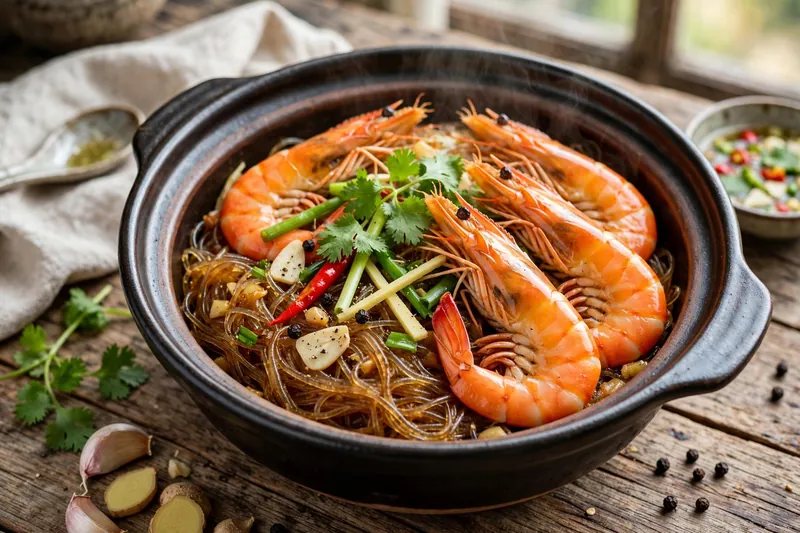
Gaeng Liang Recipe
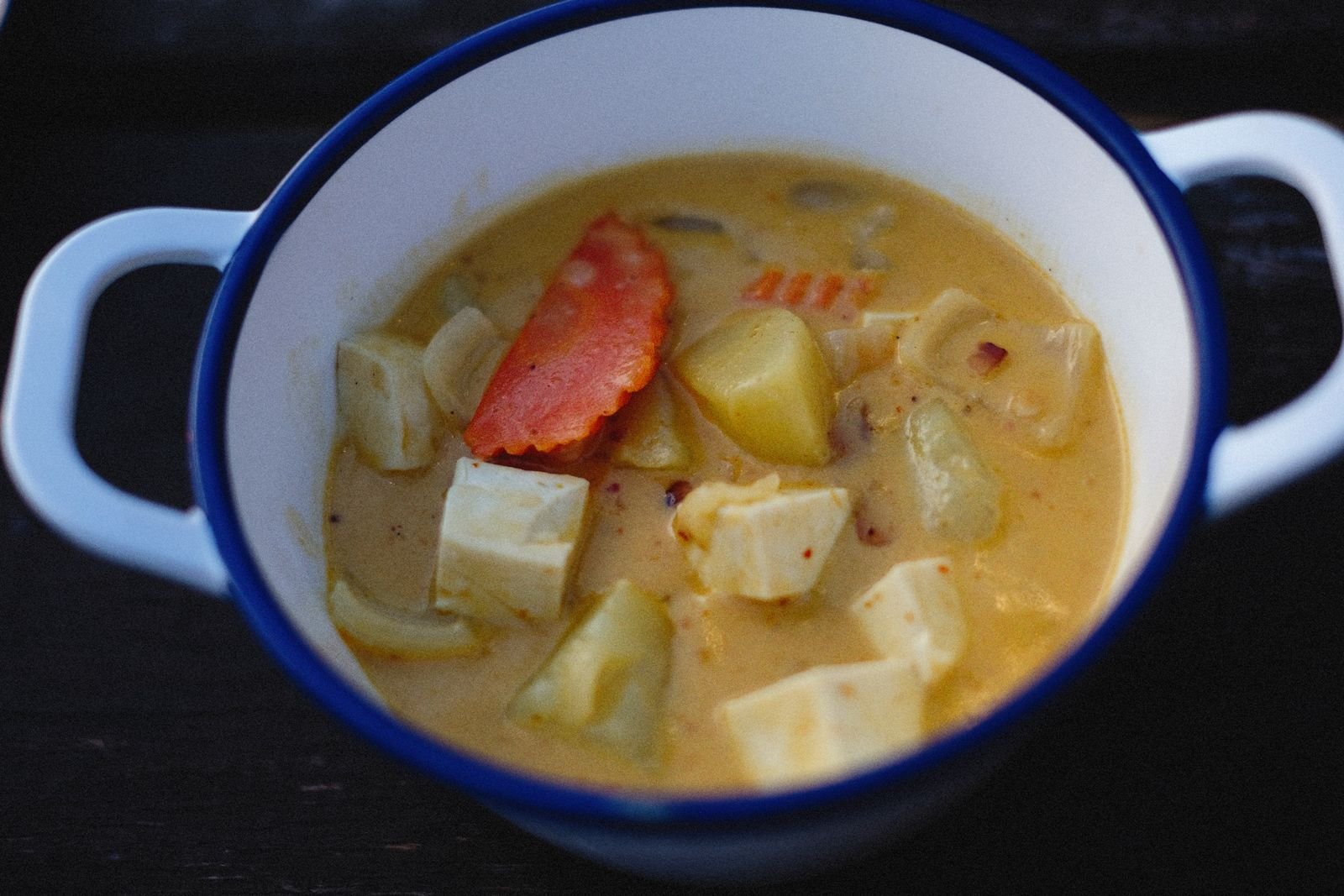
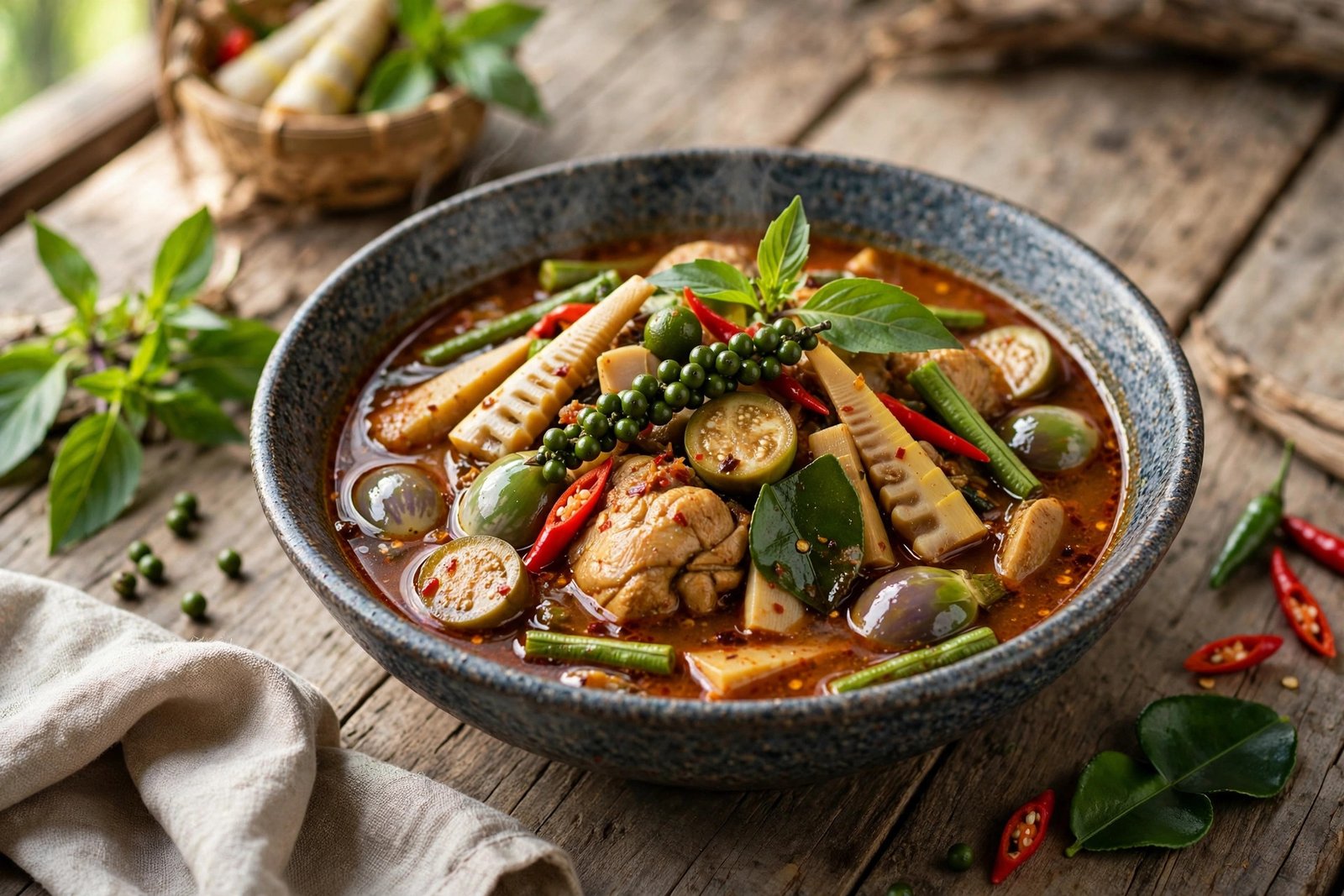
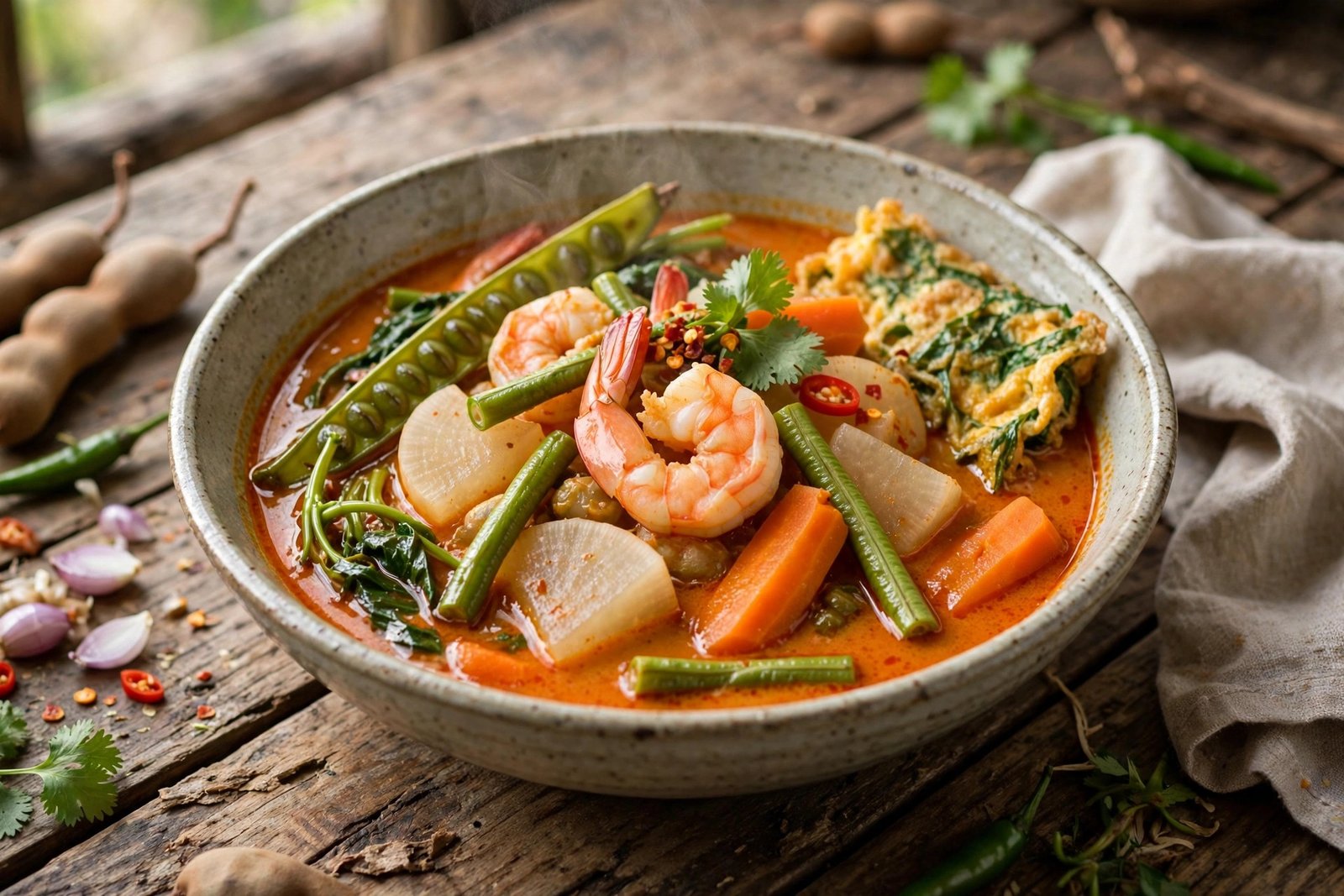
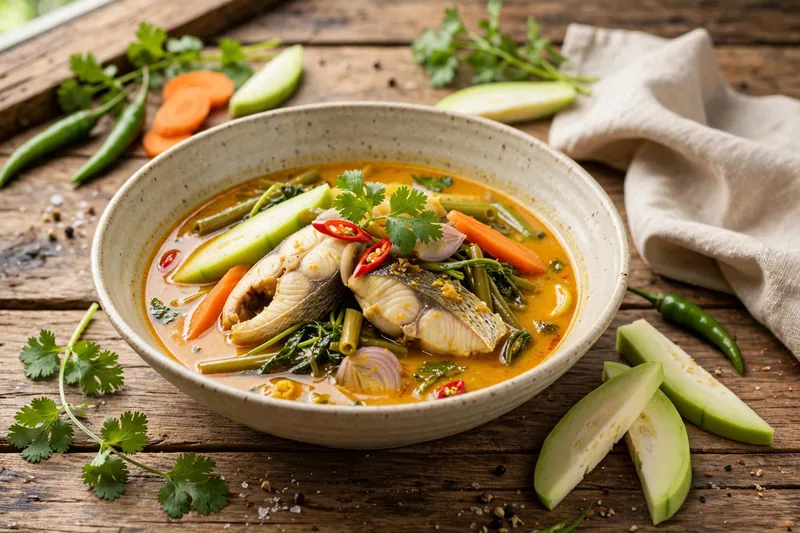
Hot, fragrant and full of vegetables, gaeng liang is the Thai soup that tastes like a garden and a fireplace at the same time. Pumpkin turns sweet and soft, leafy greens stay bright, and a shrimp-paste chilli base gives the broth a warmth that builds slowly and lingers. It is light, it is healthy, and it is far more exciting than it sounds — serve it with rice and watch it disappear.
The story behind Gaeng Liang
Gaeng liang is one of Thailand's oldest soups, from the central plains where cooks have always made the most of the vegetables growing around the house. The name means a soup that is clear and light, and the dish is built on a paste of chillies, shallots, shrimp paste and dried shrimp, pounded together and simmered in water — no coconut milk, no long cooking, just a quick, bright broth full of whatever vegetables are in season. It is home cooking in the truest sense: the recipe changes with the garden.
The soup has a special place in Thai family life. It is the dish traditionally cooked for new mothers, because the herbs and spices in it — basil, chillies, shrimp paste — are believed to help with recovery and to encourage milk flow. Whether or not you believe the old wisdom, the soup is genuinely nourishing: light, full of greens, and warming in a way that feels restorative after illness or a long day. Thai families still turn to it when someone needs feeding up.
What makes gaeng liang special is its lightness. Unlike the rich coconut curries Thailand is famous for, this soup is clear and brothy, so the vegetables stay the star — the sweetness of pumpkin, the earthiness of mushrooms, the fresh bite of leafy greens, all lifted by a chilli-shrimp broth that is spicy without being heavy. It tastes clean and bright, and you finish the bowl feeling energised rather than weighed down.
This is a soup for a weeknight when you want something warm and healthy without much fuss. The paste takes five minutes, the vegetables cook in fifteen, and the whole pot is done in half an hour. Serve it for a family meal in Australia with steamed rice and a fried egg, or as a light lunch on its own — it is the kind of food that makes you feel looked after, and it uses up whatever vegetables are in the fridge. Keep a tub of shrimp paste and a bag of dried shrimp in the pantry, and this soup is always an option, even on the nights when the fridge looks nearly empty.
- Prep time
- 25 mins
- Cook time
- 30 mins
- Total time
- 55 mins
- Servings
- 4 servings
- Calories
- 430
Ingredients
- 200 g pumpkin, peeled and cut into bite-sized chunks
- 150 g leafy greens (spinach, Thai basil leaves or morning glory)
- 100 g straw mushrooms or button mushrooms, halved
- 100 g baby corn, halved lengthways
- 1 litre water or light chicken stock
- 2 tbsp dried shrimp, soaked 10 minutes
- 2 tbsp shrimp paste (kapi)
- 3 red chillies, deseeded for less heat
- 3 shallots, peeled
- 2 cloves garlic
- 1 tbsp fish sauce
- 1 tsp palm sugar or brown sugar
- 1 tbsp lime juice, to finish
- 4 eggs, fried (optional, to serve)
Instructions
- Make the paste first. Put the soaked dried shrimp, shrimp paste, chillies, shallots and garlic into a mortar and pestle or a small food processor and pound or blitz until you have a coarse, fragrant paste. It does not need to be perfectly smooth — a little texture is good. You should be able to smell the shrimp paste and chilli as soon as it comes together.
- Bloom the paste in the pot. Heat a large pot over medium heat, add the paste with a splash of water, and fry it for 2 minutes, stirring constantly, until it darkens slightly and smells rich and savoury. This short fry wakes the paste up and takes the raw edge off the shrimp paste, so do not skip it.
- Add the liquid and the pumpkin. Pour in the water or stock, stir well to dissolve the paste, and bring to a gentle boil. Add the pumpkin chunks, turn the heat down to a simmer, and cook for 10 minutes, until the pumpkin is just tender when you press it with a spoon. It should hold its shape, not fall apart into mush.
- Add the mushrooms and baby corn. Drop them into the simmering soup and cook for 3 to 4 minutes, until the mushrooms are tender and the corn is crisp-tender. The soup should be bubbling gently, not boiling hard
- Season the soup. Add the fish sauce and palm sugar, then taste. The soup should be spicy, salty and warmly savoury, with a gentle sweetness underneath. Add a little more fish sauce if it tastes flat, or a pinch more sugar if the chilli is too sharp. The balance should be bold, because the rice will soften it.
- Add the leafy greens last. Stir the greens into the soup and cook for just 1 minute, until they wilt and turn bright green. They cook fast, and overcooked greens turn grey and lose their fresh bite — you want them vivid and lively in the bowl, not limp and dull.
- Finish with lime juice. Take the pot off the heat and stir in the lime juice. The lime brightens the whole soup and lifts the shrimp paste and chilli, so add it at the end, never while the soup is still boiling. Taste once more and adjust the fish sauce or lime until the soup tastes bright and alive.
- Serve it hot with rice. Ladle the soup into bowls, making sure each one gets a good mix of pumpkin, mushrooms and greens, and serve with steamed jasmine rice and a fried egg if you like. Eat it while it is steaming — the heat carries the aroma, and the soup is at its best in the first few minutes.
Pro tips
- Use a mortar and pestle if you have one. Pounding the paste gives a better texture and flavour than a food processor, and it takes only five minutes — the paste is the heart of the soup, so it is worth the effort.
- Fry the paste before adding liquid. Two minutes in a hot pot takes the raw edge off the shrimp paste and deepens the flavour of the whole soup — skipping this step leaves the broth tasting flat and raw.
- Add the vegetables in order of cooking time. Pumpkin first, mushrooms and corn next, greens last — that way everything finishes tender at the same moment instead of some parts turning to mush.
- Season boldly. The soup should taste a little strong on its own, because steamed rice softens it. Taste with a spoonful of rice in mind, not on its own, and season until the broth tastes bright.
- Add the lime at the very end. Lime juice loses its brightness if it boils, so stir it in off the heat, right before serving, and the soup will taste fresh and alive.
Variations & serving ideas
Gaeng liang is a soup that changes with the seasons and the garden, and it welcomes whatever you have. In Thailand, cooks use whatever vegetables are growing: angled luffa, ivy gourd, sweetcorn, yard-long beans, or whatever leafy greens are fresh that day. In Australia, pumpkin, sweet potato, zucchini, green beans and mushrooms all work beautifully, and the soup is a wonderful way to use up the vegetables sitting in the crisper at the end of the week.
The protein is flexible too. The classic version is all vegetables, but a handful of prawns, some sliced chicken, or a few pieces of firm tofu turn it into a heartier meal without changing the character of the soup. Add prawns with the mushrooms, chicken with the pumpkin, or tofu with the greens — each one takes only a few minutes. A fried egg on top, Thai-style, is the simplest way to make the bowl more filling.
If you cannot find shrimp paste, the soup will not taste the same — kapi is the soul of the dish — but a teaspoon of fish sauce and a little extra dried shrimp will get you part of the way there. And if the dried shrimp is missing, use a tablespoon of fish sauce and a few chopped prawns instead. The soup is forgiving, and a good paste with fresh vegetables will carry it even if one ingredient is swapped.
Serve gaeng liang as part of a Thai family meal, with steamed jasmine rice and a couple of other dishes. It pairs beautifully with a fried egg, a grilled fish, or a simple stir-fry, and the clear, spicy broth cleans the palate between richer dishes. A glass of cold water or iced tea is all you need to drink — the soup is the star, and it does not need much company. A spoonful of toasted rice powder stirred into the soup just before serving gives it a nutty, earthy depth that suits the shrimp paste beautifully, and a few torn basil leaves on top add a fresh, sweet note that lifts the whole bowl.
Getting it right
The key technique is the paste. Everything in gaeng liang depends on the balance of chillies, shallots, garlic, shrimp paste and dried shrimp, pounded together until they form a coarse, fragrant mass. The proportions matter: too much shrimp paste and the soup tastes muddy and overpowering, too little and it tastes thin and watery. Two tablespoons of paste to a litre of liquid is the right starting point — taste and adjust from there, and remember that the paste is seasoned, so you need less fish sauce than you think.
Heat control is the second skill, and it is mostly about restraint. The soup should simmer gently, never boil hard. A rolling boil breaks the pumpkin apart, clouds the broth, and dulls the fresh flavour of the greens. Keep the heat at a steady simmer, add the vegetables in order of cooking time, and take the pot off the heat before the lime goes in. Gentle heat keeps the broth clear and the vegetables bright.
The most common mistake is overcooking the vegetables. People throw everything in at once and end up with mushy pumpkin and grey greens. The order matters: pumpkin gets ten minutes, mushrooms and corn get four, greens get one. The second mistake is under-seasoning — a timid soup tastes watery and dull, so season boldly and taste with rice in mind. The third is boiling the lime juice, which kills its brightness; lime always goes in last, off the heat. One more habit worth building: taste the paste before it goes in the pot. It should be salty, spicy and deeply savoury. If it tastes flat, it needs more shrimp paste; if it tastes harsh, a pinch of sugar will round it out.
Storing & reheating
Leftover gaeng liang keeps in the fridge for up to three days in a sealed container, and the flavour actually improves overnight as the paste settles into the broth. Store any leftover rice separately. The greens will soften on reheating, so if you plan to keep some, leave the greens out of the stored portion and add fresh ones when you reheat.
To reheat, warm the soup gently over medium heat until it is just simmering — do not boil it hard, or the pumpkin will break apart and the broth will cloud. Add a fresh squeeze of lime and a few fresh basil leaves at the end to wake it back up. The soup does not freeze well: the vegetables turn soft and watery on thawing, so cook only what you plan to eat within a few days.
Frequently asked questions
What is shrimp paste, and where do I buy it?
Shrimp paste, called kapi in Thai, is a pungent, salty paste made from fermented shrimp. Asian grocers stock it in small tubs or jars. It smells strong, but a small amount gives the soup its deep, savoury character. Season it boldly and taste as you go.
Is gaeng liang very spicy?
It has a warm, steady heat from the chillies, but it is not fiery. Deseed the chillies for a milder soup, or add an extra one for more heat. The pumpkin's sweetness and the rice both soften the spice. Season it boldly and taste as you go.
Can I make gaeng liang without shrimp paste?
You can, but the flavour will be different — shrimp paste is the soul of the dish. As a substitute, use extra fish sauce and a few chopped prawns. The soup will still be good, just lighter and less deep. Season it boldly and taste as you go.
What vegetables work best in gaeng liang?
Pumpkin, mushrooms, baby corn and leafy greens are the classic combination. Sweet potato, zucchini, green beans, yard-long beans and luffa all work well too. Use whatever is fresh and in season. Season it boldly and taste as you go.
Can I add meat or seafood to gaeng liang?
Yes. Prawns, sliced chicken or firm tofu all turn it into a heartier meal. Add prawns with the mushrooms, chicken with the pumpkin, or tofu with the greens, and cook until just done. Season it boldly and taste as you go.
Is gaeng liang healthy?
Yes, it is one of the lightest Thai soups — a clear broth full of vegetables, with no coconut milk and very little oil. It is low in calories, high in fibre, and the herbs and spices are genuinely good for you. Season it boldly and taste as you go.