Tacos de Lengua Recipe
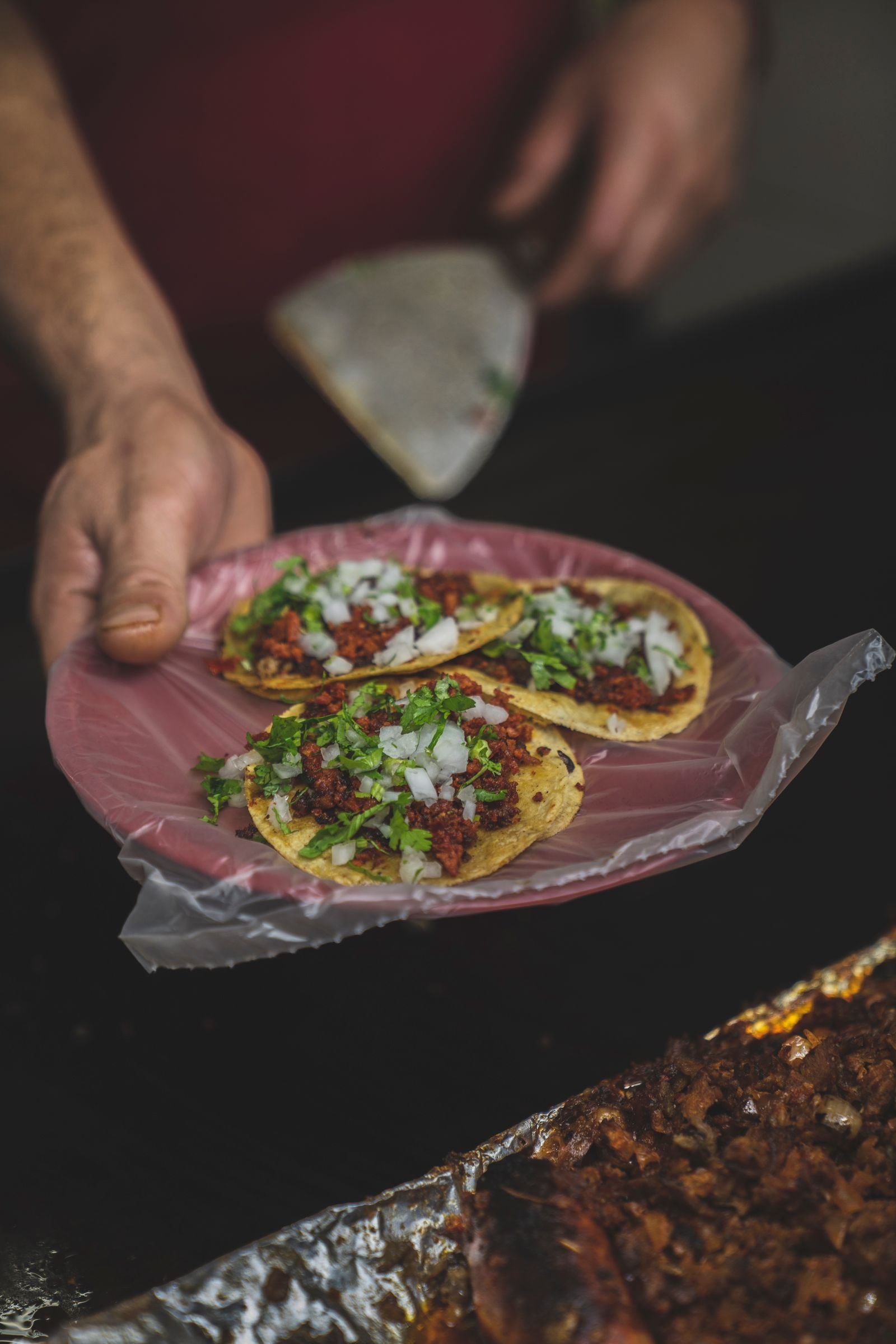
Tacos de Lengua are one of Mexico's most loved tacos: beef tongue simmered for hours until silky and tender, peeled, diced and crisped on the griddle. The meat is rich, soft and deeply beefy, with a texture no other cut can match. Served on warm corn tortillas with onion and salsa, they are worth every minute of the slow cook.
The story behind Tacos de Lengua
Beef tongue has been eaten in Mexico since colonial times, when Spanish cooks brought the cut and Mexican kitchens made it their own. It became a taco filling because it is cheap, feeds many people and turns meltingly tender with slow cooking. In a city where taco vendors compete on every corner, a filling that is both affordable and delicious is gold. Tongue fits that bill perfectly, and it has stayed on menus for generations because of it. In Mexico City, tacos de lengua sit alongside suadero and al pastor on every good taco menu, and regulars order them by name, knowing exactly what they want.
The tongue is a hard-working muscle, dense and tough when raw, which is why it needs hours of gentle simmering. That long cook transforms it completely. The collagen melts, the meat turns soft and silky, and the flavour deepens into something rich and distinctly beefy. Once cooked, the outer skin peels away easily, leaving clean, tender meat that takes beautifully to the griddle. The peeled tongue looks smooth and pale, almost like a roast, and it slices cleanly with a sharp knife. From there it is a short step to the griddle and the taco.
In Mexico, lengua tacos are a mark of a serious taqueria. They take time and skill, so a vendor who serves them well earns a loyal following. People who have never tried tongue are often surprised by how mild and delicious it is. There is nothing strange about the flavour; it tastes like the richest, softest beef you have ever eaten, with a texture that is smooth rather than chewy. First-timers often ask what cut it is, expecting something exotic, and are surprised to learn it is simply tongue cooked with patience.
Cook these tacos when you want to try something new and you have a free afternoon. The work is mostly waiting while the pot simmers, and the payoff is a taco that tastes like a Mexico City street stand. Serve them to friends who trust your cooking, and watch them change their minds about tongue in one bite. Do not announce what it is until after the first taste if your guests are nervous; the flavour will win them over before the name has a chance to put them off.
- Prep time
- 20 mins
- Cook time
- 2 hrs 30 mins
- Total time
- 2 hrs 50 mins
- Servings
- 4 servings
- Calories
- 520
Ingredients
- 1 beef tongue (about 1.2 kg)
- 1 onion, halved
- 1 head garlic, halved crosswise
- 2 bay leaves
- 1 tbsp black peppercorns
- 1 tsp cumin seeds
- 1 tbsp salt
- 2 tbsp lard or vegetable oil
- 12 small corn tortillas
- 1 white onion, finely diced
- 1 bunch fresh coriander, chopped
- 2 limes, cut into wedges
- Salsa verde, to serve
- Pickled red onions, to serve (optional)
Instructions
- Rinse the beef tongue under cold water and put it in a large pot. Cover with cold water by about 5 cm and add the halved onion, garlic, bay leaves, peppercorns and cumin seeds. The tongue should be fully covered, so add more water if needed.
- Bring the pot to a boil over high heat, then skim off any foam that rises. Turn the heat down to the lowest setting that keeps the water barely simmering. Cover and cook for 2 hours 30 minutes, until a knife slides into the thickest part with no resistance.
- Lift the tongue out of the pot and set it on a board. While it is still warm, peel off the outer skin; it should come away easily in large pieces. If it sticks, the tongue needs a little more time in the pot. Trim away any fat, gristle or rough bits from the underside.
- Let the peeled tongue rest for 10 minutes, then slice it into thin pieces and dice it into small cubes, about 1 cm across. Season the diced meat generously with the salt and toss it well so every piece is seasoned.
- Heat the lard or oil in a large frying pan or on a flat griddle over high heat until it shimmers. Spread the diced tongue in a single layer and fry for 3 to 4 minutes without moving it, until the underside turns golden and crisp at the edges.
- Turn the meat and fry for 2 minutes more, stirring once. The pieces should be browned and sizzling, with a crisp outside and a soft, juicy centre. If the pan looks dry, add a spoonful of the cooking liquid to keep the meat moist.
- Warm the tortillas in a dry pan over medium-high heat for about 30 seconds a side, until soft and pliable with a few brown spots. Stack them in a clean tea towel so they stay warm while you build the tacos.
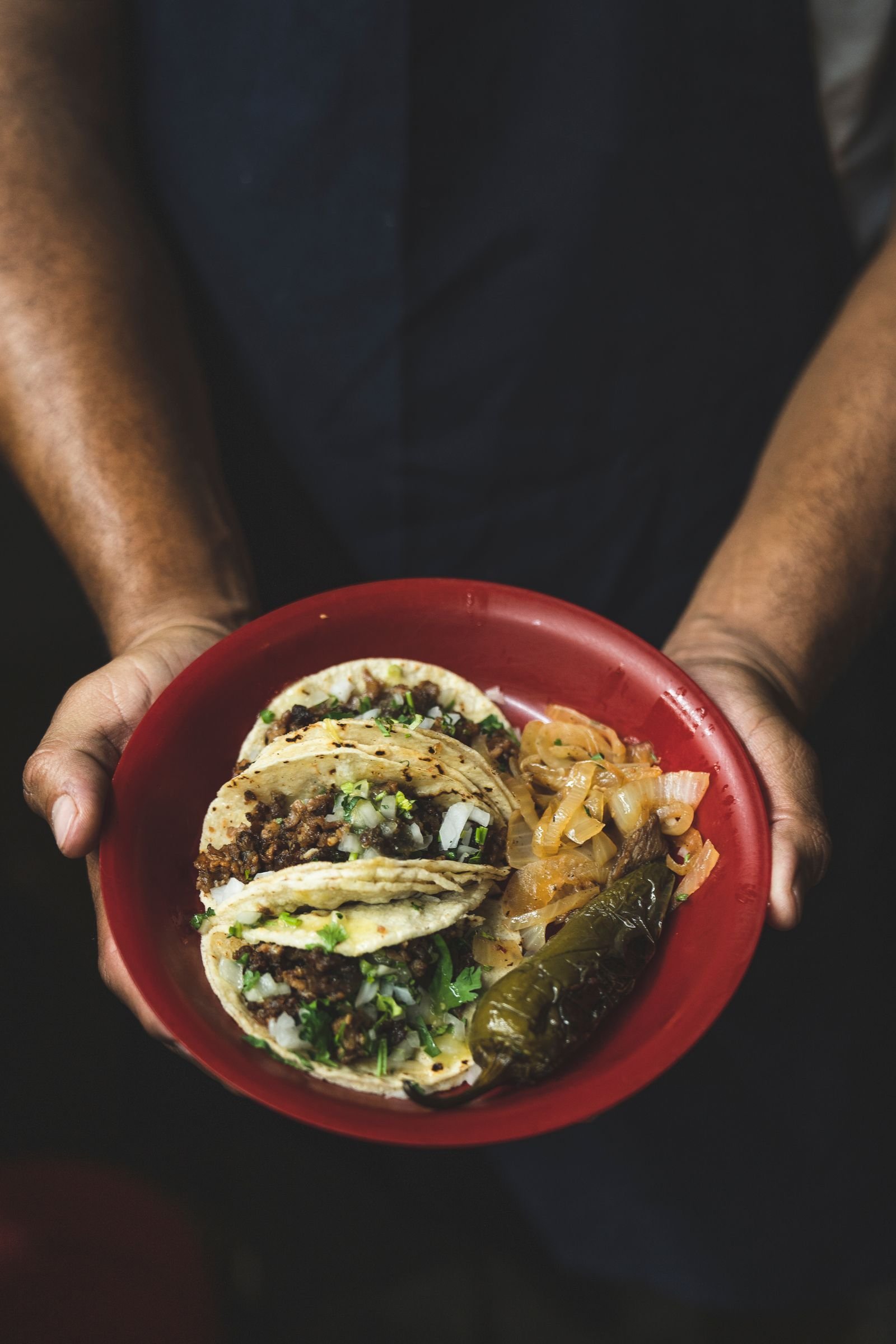
- Spoon the hot lengua onto each tortilla and scatter over the diced onion and coriander. Add a spoonful of salsa verde and a few pickled red onions if you are using them. Squeeze a lime wedge over the top.
- Serve the tacos immediately with extra lime, salsa and onion on the side. Eat them hot and fresh, folded in half, while the meat is still crisp from the griddle. The first bite should be rich, juicy and bright all at once.
Pro tips
- Buy the tongue fresh and ask the butcher to trim it if you like, though most of the trimming is easier after cooking. A tongue of about 1.2 kg feeds four people generously once it is cooked and diced.
- Peel the tongue while it is still warm. The skin lifts off easily when hot but clings stubbornly once the meat cools, so do not wait. Use a small knife to help with any stuck patches.
- Season after dicing, not before. The diced pieces have far more surface area than the whole tongue, so salt added at this stage seasons the meat evenly and reaches every bite. Salt well.
- Do not skip the griddle step. Simmered tongue on its own is soft and mild, but a few minutes on a hot, oiled griddle gives it the crisp edges and browned flavour that make the taco special.
- Keep the toppings simple. Onion, coriander, lime and salsa are all this rich meat needs. Heavy toppings like cheese or sour cream will hide the flavour you spent hours building. Cheese would hide the flavour.
Variations & serving ideas
Lengua is traditionally served simply, but you can vary the toppings. Pickled red onions add a sharp, pink brightness that cuts through the richness. A spoonful of salsa macha, the chilli and peanut salsa, adds heat and crunch. Some vendors serve lengua with a little chopped avocado, which adds a creamy contrast to the crisp meat.
If beef tongue is hard to find, the same method works for beef cheek, which turns equally tender and rich after a long simmer. Pork tongue is another option and cooks a little faster, usually in about 2 hours. It is smaller and milder than beef tongue, so buy two if you are feeding four people. Whatever cut you use, keep the simmer gentle and test for tenderness with a knife rather than trusting the clock alone. Whatever cut you use, keep the simmer gentle and test for tenderness with a knife rather than trusting the clock alone.
Serve lengua tacos as part of a taco spread with suadero or chicken tacos alongside, so people can compare. Put out bowls of diced onion, coriander, lime wedges and two or three salsas, and let everyone build their own. Refried beans and Mexican rice make good sides, and a cold beer or agua fresca is the natural drink. A simple radish and cucumber salad adds a cool crunch that suits the rich meat, and pickled jalapenos on the table let people add heat to their own taste.
Pair the tacos with a light lager, whose cold fizz cuts through the richness of the meat. A michelada, beer with lime and salt, is the classic taco-stand choice. The salt and lime sharpen the beer and make it taste even colder, which is exactly what you want next to a hot, rich taco. If you prefer something without alcohol, a tart agua de Jamaica or a lime sparkling water works just as well and keeps the palate fresh between tacos. If you prefer something without alcohol, a tart agua de Jamaica or a lime sparkling water works just as well and keeps the palate fresh between tacos. Keep it simple.
Getting it right
The first stage is the simmer, and patience is the whole technique. The water should barely move, with a bubble rising every few seconds. That gentle heat melts the collagen in the tongue slowly, turning a tough muscle into soft, silky meat. A hard boil will tighten the fibres and leave the tongue chewy, so keep the flame low and check the pot every half hour, topping up with hot water if the level drops.
The second stage is the peel, and timing matters. Peel while the tongue is warm, when the skin comes away in large, clean pieces. If you wait until it cools, the skin sticks and you will lose good meat trying to remove it. A small, sharp knife helps with stubborn patches, and a little patience at this stage pays off in clean, even dice.
The most common mistake is undercooking the tongue. It needs the full two and a half hours, and sometimes a little more, until a knife slides in with no resistance at all. If it still feels firm, give it another 30 minutes. Tongue is forgiving of extra time, so an extra half hour in the pot will only make it softer. It is undercooking that causes trouble, not overcooking, so when in doubt, let it simmer longer. The other common slip is chopping the meat too fine, which turns it to mush on the griddle. Keep the dice about a centimetre across so the pieces can crisp properly. Pieces much smaller than that dry out and turn hard, while pieces much larger stay soft in the middle and never get the crisp edges that make the taco special.
Storing & reheating
Cooked lengua keeps in the fridge for up to 3 days in a sealed container. Keep the tongue whole if you can, and dice it just before serving. Reheat the diced meat in a hot, oiled pan so the edges crisp up again.
You can freeze the cooked, peeled tongue for up to 3 months. Wrap it tightly in cling film and foil, then thaw overnight in the fridge. Dice and crisp it on the griddle as usual, and it will taste almost as good as fresh. Add a spoonful of the cooking liquid to the pan if the thawed meat looks dry, and let it fry a minute longer so the edges crisp up properly. Do not freeze the finished tacos, since the tortillas will turn soggy and the toppings will wilt. Do not freeze the finished tacos, since the tortillas will turn soggy and the toppings will wilt.
Frequently asked questions
What does beef tongue taste like?
It tastes like rich, soft beef, milder than steak and smoother in texture. There is nothing strange about the flavour; it is deeply beefy and savoury, with a silky, tender bite that no other cut quite matches. First-timers are often pleasantly surprised.
Do I have to peel the tongue?
Yes. The outer skin is tough and unpleasant to eat, so it must come off. It peels away easily while the tongue is still warm after cooking, usually in large pieces. If it sticks, the tongue needs a little more time in the pot.
How long does beef tongue take to cook?
A tongue of about 1.2 kg needs around 2 hours 30 minutes of gentle simmering. Larger tongues may need up to 3 hours, and smaller ones a little less. Test with a knife; it should slide into the thickest part with no resistance when the meat is ready.
Can I cook lengua in a slow cooker?
Yes. Put the tongue, onion, garlic and spices in the slow cooker, cover with water and cook on low for 7 to 8 hours until tender. Then peel, dice and crisp the meat on a hot griddle as usual. Then peel, dice and crisp the meat on a hot griddle as usual.
Is beef tongue healthy?
Beef tongue is rich in protein, iron, zinc and vitamin B12, but it is also fairly high in fat and cholesterol. Eaten as an occasional taco filling in modest portions, it fits fine into a balanced diet, especially with fresh toppings like onion and lime.
What salsa goes best with tacos de lengua?
Salsa verde is the classic choice; its tangy tomatillo flavour cuts through the richness of the meat. Salsa roja works too, and pickled red onions add a sharp brightness. Offer both salsas and let people choose their own. Offer both salsas and let people choose their own.