Empanadas de Pollo Recipe
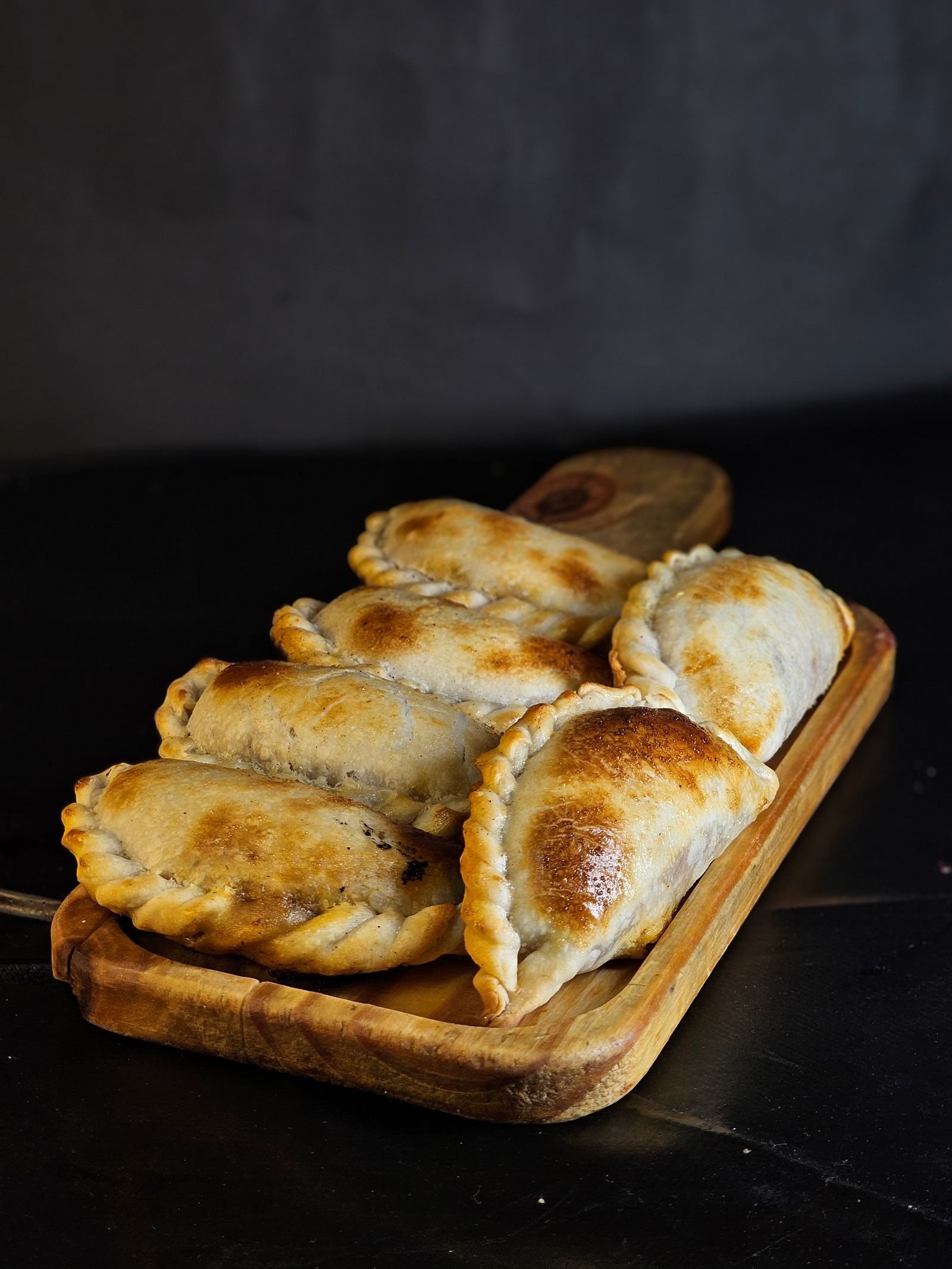
Golden, flaky empanadas filled with spiced shredded chicken, sweet peppers, onion and olives. The pastry shatters when you bite it, then gives way to a warm, savoury filling that tastes like a Mexican market stall. Bake a batch, set them out warm, and watch them disappear fast. Serve them warm straight from the oven, when the pastry is at its crispest and the filling is still steaming.
The story behind Empanadas de Pollo
Empanadas travelled to Mexico with Spanish settlers, who had picked the idea up from the savoury pies of Galicia and Andalusia. The name comes from the Spanish word empanar, which means to wrap in bread. Once the pastry parcels reached Mexico, cooks filled them with what they had: chicken, beef, cheese, squash blossom and sweet fillings like pineapple. Each region shaped the dough its own way, and the chicken version became a fixture at markets, school gates and family parties.
In Mexico, empanadas are street food and party food at the same time. Vendors fry or bake them in batches and sell them wrapped in paper, while at home they are the thing you make when friends are coming over. The cook rolls the dough, the family helps fill and fold, and the tray goes into the oven while everyone waits for the smell to fill the kitchen. They are small enough to eat standing up, which is why they turn up at birthdays, school events and market stalls across the country. In some towns the filling is made the night before, so the morning is only rolling, folding and baking.
What makes an empanada special is the way it hides its filling until you bite in. The pastry should be thin enough to shatter, but strong enough to hold a generous spoonful of juicy chicken. Inside, the filling needs to be well seasoned and moist, with the cumin and paprika doing the work and the olives adding a salty note. When the balance is right, you get crunch, warmth and a little surprise in every bite, which is why one is never enough. A good empanada also travels well, which is why vendors can sell them from a basket and they still taste fresh hours later.
Make empanadas de pollo when you want a meal that doubles as a snack, or when you need food that travels well. They pack neatly into a lunchbox, they hold up on a picnic, and they are the easiest thing to serve at a gathering because there are no plates to juggle. Bake them on a weekend afternoon, serve them warm with salsa, and keep a few back for yourself, because the tray empties fast.
- Prep time
- 40 mins
- Cook time
- 25 mins
- Total time
- 65 mins
- Servings
- 4 servings
- Calories
- 580
Ingredients
- 500 g boneless, skinless chicken thighs
- 2 cups plain flour, plus extra for dusting
- 100 g cold unsalted butter, cubed
- 1 teaspoon salt
- 1 large egg, beaten
- 60 ml cold water
- 1 small onion, finely chopped
- 1 red pepper, finely diced
- 2 garlic cloves, minced
- 1 teaspoon ground cumin
- 1 teaspoon smoked paprika
- 60 g green olives, chopped
- 2 tablespoons chopped coriander
- 1 egg yolk mixed with 1 tablespoon milk, for glazing
Instructions
- Put the chicken thighs in a pot and cover with cold water by about 3 cm. Bring to a gentle simmer and skim off any foam. Lower the heat and cook for 20 minutes, until the meat reads 74 C and shreds easily. Lift the chicken out, rest it for five minutes, then shred it and save 60 ml of the poaching liquid.
- Make the dough while the chicken cooks. Rub the cold butter into the flour and salt until it looks like coarse breadcrumbs. Beat the egg with the cold water, pour it in and stir until a rough dough forms. Knead gently for two minutes on a floured surface, just until smooth, then wrap and chill for 30 minutes.
- Warm a tablespoon of oil in a wide pan over medium heat. Add the onion and red pepper and cook for five minutes, stirring often, until the onion turns soft and sweet-smelling. Add the garlic and cook for one more minute, until fragrant. Stir in the cumin and smoked paprika and let the spices bloom in the hot oil for about 30 seconds, when the smell turns warm and earthy.
- Add the shredded chicken, olives, coriander and saved poaching liquid. Cook for three to four minutes, stirring, until the liquid has mostly soaked in and the filling looks moist but not wet. Taste and season with salt and pepper. Tip it onto a plate and let it cool completely.
- Heat the oven to 200 C and line a baking sheet with baking paper. Roll the chilled dough out on a floured surface until it is about 3 mm thick. Cut out rounds about 12 cm across using a bowl or a large cutter. Gather the scraps, roll them out again and cut more rounds until you have used all the dough.
- Spoon about two tablespoons of the cooled filling onto one half of each round, leaving a clean 1 cm border. Brush the edge with a little beaten egg, fold the empty half over the filling and press the edges together firmly. Crimp the edge with the tines of a fork, pressing down hard enough to seal but not so hard that the fork cuts through the pastry.
- Set the empanadas on the baking sheet with space between them. Brush the tops with the egg yolk and milk glaze for a golden shine. Cut a small slit in the top of each one so steam can escape and the pastry does not puff up and split.
- Bake for 22 to 25 minutes, until the empanadas are puffed, golden brown and crisp at the edges. You should hear a faint crackle as they cool and see the glaze turn a rich amber colour. Let them rest on the tray for five minutes so the filling settles, then move them to a rack or a plate.
- Serve the empanadas warm, with salsa and pickled onions on the side. They are meant to be eaten by hand, so set out napkins and let people break them open and watch the steam rise. The first bite should crackle, then give way to the warm, spiced chicken inside.
Pro tips
- Chill the dough well before rolling, because cold dough cuts cleanly and holds its shape in the oven. If the dough feels soft and sticky while you roll it, put it back in the fridge for ten minutes before you carry on.
- Let the filling cool fully before you fill the pastry, or the heat will melt the butter in the dough. Spread it on a plate in a thin layer so it cools fast, and do not start filling until it feels cool to the touch.
- Do not overfill. Two tablespoons is enough, and a tight seal matters more than a full parcel. A tablespoon measure helps you keep every empanada even, so they all bake in the same time.
- Brush the tops with the egg glaze for a deep golden shine that makes the batch look bakery-made. The glaze also helps the fork crimps hold, and it turns the tops a rich amber colour in the oven.
- Bake on the middle shelf so the bases cook through without the tops browning too fast. If your oven runs hot, check them at 20 minutes and move the tray down a shelf if the tops are browning too fast.
Variations & serving ideas
Change the filling and the empanada changes its character. Shredded beef with raisins and olives gives a sweet and savoury mix that is popular in many Mexican homes, while a cheese and roasted pepper filling makes a lighter vegetarian version. For a quicker batch, use leftover roast chicken or turkey, shred it and warm it with onion, cumin and a splash of stock. The pastry is the same every time, so the filling is where you can play. A mushroom and cheese filling, with the mushrooms cooked down until dark and savoury, makes a fine meat-free version that even keen meat eaters enjoy.
Adjust the seasoning to suit your table. Add a chopped chipotle in adobo for a smoky heat, or stir in a spoonful of tomato paste for a deeper, richer filling. A pinch of cinnamon in the beef version sounds odd but works well with the raisins and olives. If you like things mild, leave out the paprika and add more coriander and a squeeze of lime instead. Taste the filling before you seal the pastry, because you cannot fix the seasoning afterwards. A spoonful of salsa stirred into the filling adds moisture and a little acidity, but keep it small or the pastry will go soft.
Serve empanadas as a main course with a crisp cabbage slaw and Mexican rice, or as a snack with salsa and guacamole. Cut them in half for a party platter, or make them smaller, about 8 cm across, for a buffet where people want to try several things. A bowl of pickled jalapenos and red onion on the side gives everyone a way to add sharpness and heat. For a lunchbox, pack them with a small pot of salsa and a few lime wedges, and they will still be good at midday.
Pair empanadas de pollo with a cold agua fresca, a light lager or a simple lime and soda. The cool drink balances the rich pastry and the warm spices. For a fuller meal, add a bowl of black bean soup as a starter and finish with fresh fruit. They also pack well for a picnic, wrapped in baking paper, and taste just as good at room temperature an hour later.
Getting it right
The dough decides if your empanadas turn out flaky or tough, so handle it gently. Cold butter is the key: it creates little pockets in the dough that turn to steam in the oven and lift the pastry into layers. Rub the butter in quickly, add the cold water, and knead only until the dough comes together. If you overwork it, the gluten tightens and the pastry bakes up hard instead of crisp. Chill the dough for the full 30 minutes, because cold dough rolls out cleanly and holds its shape. Roll the dough out evenly, because a thin spot will tear when you fold it and a thick spot will stay doughy in the middle.
Keep the filling cool and fairly dry before you assemble. Warm filling melts the butter in the dough, which makes the pastry greasy and weak at the seam. Let the chicken mixture cool completely, and make sure it is moist but not wet. Two tablespoons per empanada is the right amount. More than that and the pastry cannot seal, so the filling escapes in the oven and the tray ends up with a sticky mess.
The most common mistake is a weak seal. Press the edges together firmly, then crimp them with a fork, and brush the edge with beaten egg before folding so the two sides grip. A small slit on top lets steam out, which stops the empanada from puffing up and bursting. If a few do leak, do not worry. They still taste good, and a little filling on the tray is a sign the oven was hot enough.
Storing & reheating
Store baked empanadas in a sealed container in the fridge for up to three days. Keep them in a single layer if you can, with a sheet of baking paper between layers, so the pastry does not stick or go soft. The filling on its own also keeps for three days in the fridge, which makes it easy to bake a fresh batch later in the week.
Reheat baked empanadas in a hot oven at 190 C for eight to ten minutes, until the pastry crisps up again and the filling is hot through. A microwave will warm them but leaves the pastry soft, so use it only when you are in a rush. Unbaked empanadas freeze well for up to two months; bake them straight from frozen, adding about five minutes to the time.
Frequently asked questions
Can I prepare empanadas de pollo in advance?
Yes. The filling keeps for three days in a sealed container in the fridge, and the dough keeps for two days wrapped tightly. Assemble and bake them on the day you plan to serve them for the crispest pastry.
Why do my empanadas leak in the oven?
Two things usually cause leaks: overfilling and a weak seal. Use about two tablespoons of filling per empanada and press the edges firmly with a fork. A thin brush of beaten egg along the edge before folding helps the pastry stick.
Can I freeze empanadas before baking?
Yes, and they freeze very well. Freeze them unbaked on a tray, then move them to a bag once solid. Bake from frozen at 190 C for about 30 minutes, adding five minutes to the usual baking time.
Should I bake or fry empanadas?
Baking gives a lighter, flakier result and is the method used here. Frying makes a richer, crunchier shell and cooks faster, but it needs more oil and more attention. Both are good, so pick the one that suits your day.
How do I keep the chicken filling from tasting dry?
A little filling goes a long way when it is well seasoned. Shredded chicken with onion, pepper, garlic, cumin and a splash of the poaching liquid makes a moist filling. Taste it before you fill the pastry and adjust the salt.
What should I serve with empanadas de pollo?
A simple tomato salsa, a green salsa or a bowl of guacamole all work well. Pickled red onions add a sharp bite that cuts through the rich pastry. Set the dips out in small bowls and let people choose.