Ceviche de Pescado Recipe
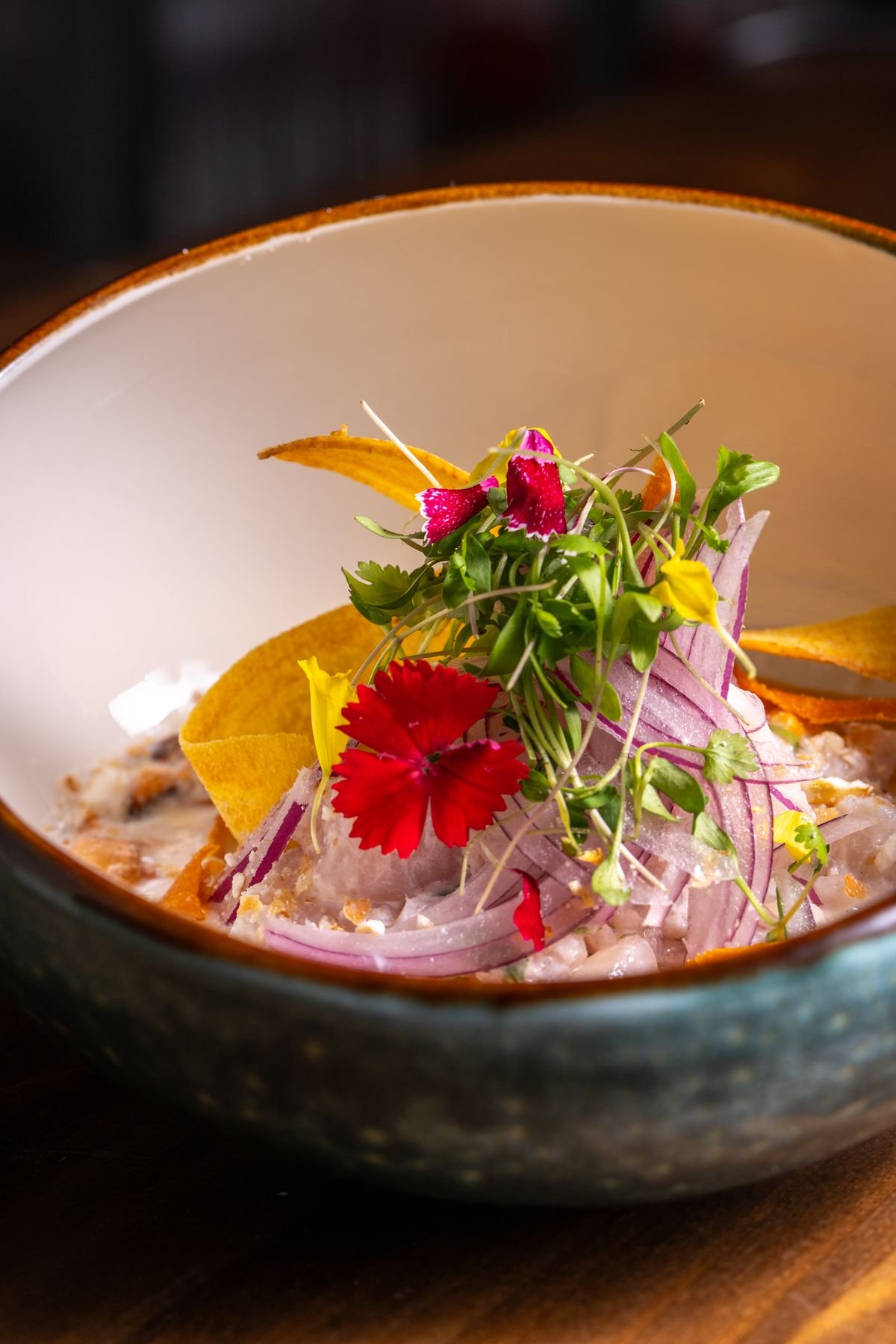
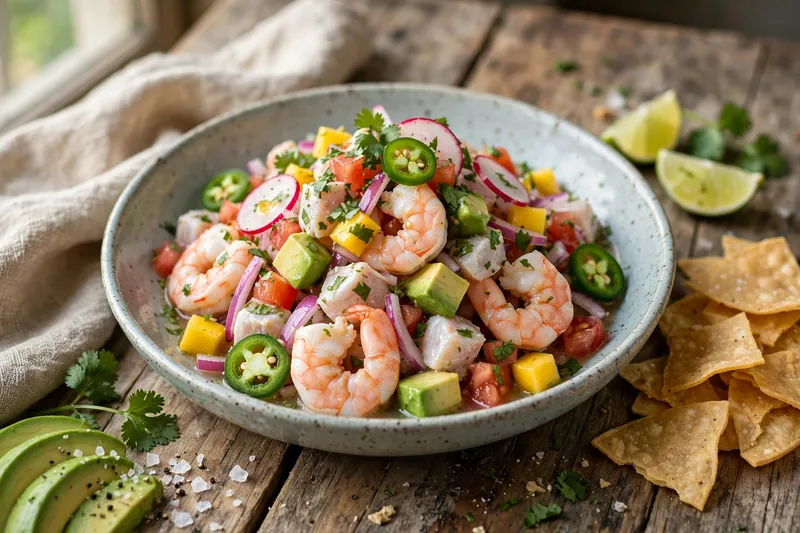
Ceviche de Pescado is Mexico's bright, fresh answer to a hot day: cubes of white fish cured in lime juice until they turn opaque and firm, then tossed with red onion, chilli, tomato and coriander. It is light, sharp and clean-tasting, with no cooking at all. Serve it cold with tostadas and it tastes like the sea.
The story behind Ceviche de Pescado
Ceviche is one of the oldest dishes in the Americas. Long before Europeans arrived, people along the Pacific coast of South America were eating raw fish with the juice of sour fruits. When Spanish settlers brought limes and onions, the dish took the form we know today, and it spread north along the coast into Mexico, where each fishing town made it its own. The dish is often sold by beach vendors in Mexico, who keep the fish on ice and cure it to order, serving it in plastic cups with a spoon.
In Mexico, ceviche belongs to the coast: Sinaloa, Baja California, Veracruz and the Yucatan all have their versions. Fishermen brought the catch in each morning, and the fish was cut up and cured in lime juice within hours, a practical way to make raw fish safe and delicious with no fire and no fridge. The dish became the food of beach days, market lunches and family gatherings by the water. Lime juice was not part of the original dish: the first versions used the juice of sour oranges and other native fruits, long before limes arrived.
What makes it special is the lime. The acid in the juice changes the fish, turning it opaque and firm, in a process called denaturation. The fish takes on a clean, sharp flavour, the onion adds crunch, the chilli brings warmth, and the tomato and coriander add sweetness and freshness. Every bite is cold, bright and full of contrast, and nothing about it is heavy. The onion in ceviche is usually rinsed in cold water first, which takes away its harsh bite and leaves a clean, sweet crunch.
Cook it when the fish is fresh and the weather is warm. It suits a summer lunch, a starter for a seafood dinner, or a snack with drinks on a hot afternoon. It needs to be made the same day and eaten within hours, so buy the fish in the morning and serve the ceviche cold, with tostadas, avocado and a cold drink. Ceviche is eaten with the hands as much as with a fork, scooped onto tostadas and eaten standing up, which is part of its charm.
- Prep time
- 20 mins
- Cook time
- 25 mins
- Total time
- 45 mins
- Servings
- 4 servings
- Calories
- 250
Ingredients
- 600 g fresh white fish fillets, such as sea bass or snapper
- 180 ml fresh lime juice (about 6 limes)
- 1 small red onion, finely diced
- 2 ripe tomatoes, seeded and finely diced
- 1 serrano chilli, seeded and finely chopped
- 1 large handful of fresh coriander (cilantro), chopped
- 1 avocado, diced
- 1 tablespoon olive oil
- 1 teaspoon sea salt
- Black pepper, to taste
- Tostadas or tortilla chips, to serve
- Lime wedges, to serve
Instructions
- Cut the fish into neat cubes about 1 cm across, keeping them even so they cure at the same rate. Remove any bones you find and discard any pieces that look dull or smell strongly of fish. Fresh fish for ceviche should smell clean, like the sea. A sharp, thin knife makes clean cubes, and you should wipe the blade between cuts so the fish does not tear or shred.
- Put the fish cubes in a glass or ceramic bowl and pour over the lime juice. Stir gently so every piece is covered, then cover the bowl and refrigerate for 20 to 25 minutes. The fish will turn opaque and firm, starting at the edges and working inward. Stir the fish very gently with a spoon, since rough handling breaks the cubes and turns the ceviche into a mushy mixture.
- While the fish cures, dice the red onion, tomatoes and serrano chilli and chop the coriander. Put them in a separate bowl and set aside. Keeping the vegetables separate until the end stops them from softening too much in the lime juice. Rinse the diced onion in cold water for a minute and drain it well, which softens its bite and keeps it crisp in the finished dish.
- Check the fish after 20 minutes. Cut a cube in half: it should be opaque almost all the way through, with just a tiny translucent centre if you like it that way. If it still looks raw in the middle, give it 5 more minutes, but no longer. The fish is ready when the outside is white and firm and the centre is just barely translucent, like the flesh of a cooked prawn.
- Drain off most of the lime juice, leaving about 2 tablespoons in the bowl. Too much juice makes the ceviche soupy, while a little keeps it moist and sharp. Taste a cube and season with salt and pepper. Pour off the juice slowly, tilting the bowl, so the fish stays behind and you can control how much liquid remains in the bowl.
- Add the onion, tomato, chilli and most of the coriander to the fish and toss gently with a spoon. The vegetables should be mixed through but the fish cubes should stay intact, so fold rather than stir hard.
- Fold in the diced avocado and the olive oil last, so the avocado keeps its shape and does not turn to mush. Taste again and adjust the salt, adding a squeeze more lime if the flavour needs brightening.
- Serve at once, chilled, in small bowls or on tostadas, with the remaining coriander scattered over the top and lime wedges on the side. Eat it within an hour of making it, while the fish is firm and the flavours are bright.
Pro tips
- Buy the freshest fish you can find. Ceviche is raw fish, so quality is everything. Ask the fishmonger for fish caught that day, and use it the same day. If the fish smells strong or looks dull, do not use it for ceviche. Ask the fishmonger when the fish was caught, and buy it on the day you plan to make ceviche, since even a day old is too old for raw fish.
- Use fresh lime juice, never bottled. Bottled juice tastes flat and bitter, and it will not cure the fish properly. Roll the limes on the counter before squeezing to get the most juice from each one. Microwave the limes for 10 seconds before you squeeze them, which loosens the juice and makes them much easier to press.
- Cut the fish into even cubes. Uneven pieces cure at different rates, so small pieces turn rubbery while large ones stay raw in the middle. Take your time with the knife and keep the cubes about 1 cm across. Keep the fish on ice while you prepare the other ingredients, so it stays cold and firm right up to the moment it goes into the lime juice.
- Do not over-cure the fish. After 25 minutes the fish is firm and opaque, but after 40 minutes it turns tough and chalky. Check it at 20 minutes and pull it out as soon as it looks done.
- Keep everything cold. Chill the bowl, the lime juice and the fish before you start, and keep the ceviche in the fridge until the moment you serve it. Warm ceviche tastes dull and the fish softens fast.
Variations & serving ideas
For a fruit version, add diced mango or pineapple to the ceviche with the vegetables. The sweetness balances the lime and the chilli, and the fruit adds a juicy bite. Add it at the end, just like the avocado, so it keeps its shape and does not soften in the acid. A little finely diced jicama adds a crisp, juicy crunch and a mild sweetness that works well with the lime and the chilli.
Swap the white fish for raw prawns, cut into small pieces, which cure in the same way and take about the same time. Scallops also work well, sliced thinly so they cure quickly. Keep the fish to one type per batch, so the curing time stays even. For a creamier version, serve the ceviche with a spoonful of mayonnaise on the tostada first, which is how many coastal vendors serve it.
If you like more heat, keep the seeds in the serrano chilli or add a second one. For a milder version, use half a chilli and add a diced cucumber instead, which brings a cool, fresh crunch. A splash of hot sauce at the table lets each person adjust their own heat. A splash of clam juice in the lime marinade deepens the sea flavour, and it is a trick used by fishermen along the Pacific coast.
Serve it on crisp tostadas with a smear of mayonnaise, or with tortilla chips for scooping. A cold Mexican lager, a glass of white wine, or agua fresca with lime all suit it. Keep the rest of the meal simple and let the ceviche lead. If you cannot find serrano chillies, use a jalapeno instead, though it is milder, so you may want to add a little more to get the same warmth.
Getting it right
The key technique is the cure. Lime juice changes the fish without heat, and the timing is everything. Twenty to 25 minutes is right for 1 cm cubes of white fish: the outside turns opaque and firm, the inside stays tender, and the flavour is clean and sharp. Shorter and the fish tastes raw, longer and it turns tough. The fish should be cut against the grain, so the cubes are tender rather than stringy, and the knife should be sharp enough to slice cleanly.
Heat does not come into this dish, so temperature control means keeping everything cold. Chill the bowl and the juice, work quickly, and keep the ceviche in the fridge until serving. Warmth is the enemy here: it softens the fish, dulls the lime and makes the vegetables go limp. Glass or ceramic bowls are best for curing, since metal can react with the lime juice and give the fish a strange, metallic taste.
The common mistake is leaving the fish in the juice too long. People worry about raw fish and overcompensate, but ceviche is not cooked fish: it is cured fish, and the texture should be firm but tender, not chalky. Set a timer, check at 20 minutes, and drain the juice as soon as the fish looks done. The lime juice should be strained before you pour it over the fish, so no pips or pulp get into the ceviche and spoil the texture.
Storing & reheating
Ceviche does not keep. Eat it within 2 hours of making it, and within an hour is better. The lime keeps curing the fish, so leftovers turn tough and the vegetables go soft. Do not store it overnight and do not freeze it. If you have leftover cured fish, cook it gently in a pan with a little oil and use it in tacos, since it is no longer good raw.
If you must hold it for a short time, keep it covered in the fridge and eat it within 2 hours. Do not add the avocado until you are ready to serve, as it browns quickly in the acid. Buy only as much fish as you need for one meal, and make ceviche fresh each time. Never store ceviche in a metal container, as the acid in the lime juice reacts with the metal and can give the fish an off flavour.
Frequently asked questions
Is ceviche raw fish?
The fish is not cooked with heat, but the lime juice changes it in a process called denaturation, which turns it opaque and firm. It is cured, not cooked, so the fish must be very fresh and eaten the same day. The acid changes the protein much like heat does, though the fish is never actually cooked.
What fish is best for ceviche?
Firm white fish works best, such as sea bass, snapper, halibut or cod. The flesh should be fresh, with no strong smell. Avoid oily fish, which does not cure well in lime juice. Sea bass, snapper and halibut are all firm and mild, while cod is softer and cures faster, so check it a few minutes earlier.
How long should the fish cure?
About 20 to 25 minutes for 1 cm cubes. Check at 20 minutes: the fish should be opaque almost all the way through. Longer than 40 minutes makes the fish tough and chalky, so set a timer the moment the juice goes on and check on time.
Can I make ceviche ahead of time?
Only by an hour or two. The lime keeps working on the fish, so ceviche made in the morning will be tough by dinner. Make it fresh and eat it within 2 hours of curing the fish, and keep it chilled in the fridge until the moment you serve it.
Is ceviche safe to eat?
It is safe when the fish is very fresh and handled well, but it is still raw fish. Buy from a trusted fishmonger, use the fish the same day, keep everything cold, and avoid it if you are pregnant or have a weak immune system.
What do I serve with ceviche?
Crisp tostadas or tortilla chips are the classic partners, along with diced avocado and lime wedges. A cold lager or a glass of white wine suits it, and it works as a starter or a light lunch. Keep the meal simple and let the ceviche lead the table.