Soegogi Muguk Recipe
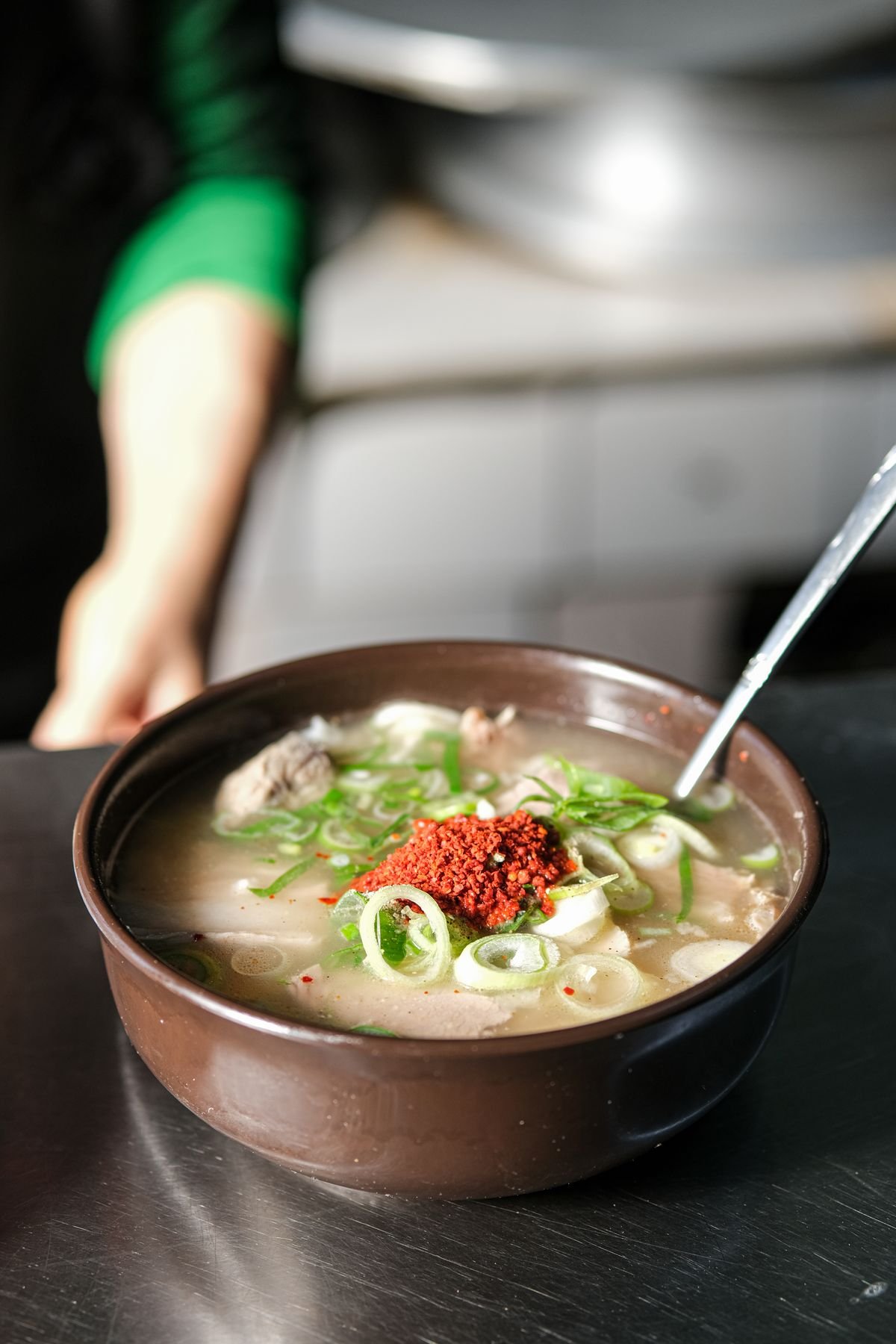
Soegogi Muguk is a clear, comforting Korean soup of beef and radish, simmered until the broth turns mild, sweet and deeply savoury. The radish goes soft and sweet, the beef turns tender, and a spoonful of garlic and spring onion finishes the bowl. Make it for a gentle Australian weeknight supper when only a hot, clear soup will do.
The story behind Soegogi Muguk
Muguk, which means radish soup, is one of the oldest and simplest soups in Korean cooking, made from beef, radish and water with very little seasoning. The dish comes from a time when cooks relied on a few good ingredients and a long, gentle simmer to make a meal. Radish was cheap, plentiful and kept well through the winter, while a small amount of beef gave the broth its savoury depth. Radish was cheap, plentiful and kept well through the winter, while a small amount of beef gave the broth its savoury depth and made the soup feel like a proper meal.
In Korea, muguk is everyday food, served at home with rice and a few side dishes as part of a normal family meal. It is also a soup that mothers make when someone is unwell, since the clear broth is gentle on the stomach and easy to digest. The soup appears on tables across the country, and every family has its own small habits, a little more garlic here, a little less salt there. It is also a soup that mothers make when someone is unwell, since the clear broth is gentle on the stomach and easy to digest, and the warm steam alone feels comforting.
What makes this soup special is its clarity and honesty. There is nowhere to hide in a clear broth, so the quality of the beef and the radish shows in every spoonful. The radish turns sweet and soft as it cooks, the beef gives the broth a mild richness, and the garlic and spring onion add just enough warmth. It is a dish that proves simple food can be deeply satisfying. The radish turns sweet and soft as it cooks, the beef gives the broth a mild richness, and the garlic and spring onion add just enough warmth to keep the soup from tasting plain.
Cook this when you want something gentle and nourishing, or when the fridge holds a piece of brisket and a radish that need using. It suits a light Australian weeknight supper, when dinner should be warm and easy rather than heavy, or a quiet weekend lunch with rice and kimchi. The soup asks for time, not effort, and the pot does the work. The soup asks for time, not effort, and the pot does the work, so you can set it simmering and come back to a meal that tastes like it took far more care than it did.
- Prep time
- 15 mins
- Cook time
- 45 mins
- Total time
- 60 mins
- Servings
- 4 servings
- Calories
- 380
Ingredients
- 500 g beef brisket, cut into bite-sized pieces
- 1 Korean radish, about 400 g, peeled
- 2 litres water
- 4 garlic cloves, minced
- 2 tablespoons fish sauce
- 1 tablespoon soy sauce
- 1 teaspoon fine sea salt
- 1/2 teaspoon black pepper
- 2 spring onions, thinly sliced
- 1 tablespoon sesame oil
- 1 teaspoon toasted sesame seeds
- Steamed rice, to serve
Instructions
- Put the beef pieces into a large pot and cover them with cold water, then bring the water to a boil over high heat. Let it boil hard for 2 minutes, then tip the beef into a colander and rinse it under running water. This first boil removes the foam and blood that would cloud the soup.
- Rinse the pot and return the beef to it with 2 litres of fresh cold water. Bring it slowly to a simmer over medium heat, skimming off any foam that rises with a spoon. The water should be clear and the beef should look clean before the soup really starts. The water should be clear and the beef should look clean before the soup really starts, and any grey foam left in the pot will cloud the finished broth.
- Peel the radish and cut it into chunks about 3 centimetres across, thick enough to hold their shape in a long simmer. Add the radish to the pot with the minced garlic, then cover the pot with the lid left slightly open. The soup should smell mild and sweet as it heats.
- Simmer the soup gently for 40 minutes, keeping the heat low so the broth stays clear and never boils hard. Stir once or twice and skim any foam that appears. The beef should feel tender when you press it with a fork, and the radish should be soft all the way through. The beef should feel tender when you press it with a fork, and the radish should be soft all the way through, with no firm or peppery centre left.
- Taste the broth and stir in the fish sauce, soy sauce and salt, a little at a time. The soup should taste mild and savoury with a gentle sweetness from the radish. Add the black pepper and adjust the seasoning until the broth tastes clean and balanced.
- Take the pot off the heat and stir in the sesame oil and half the spring onions. The oil adds a warm, nutty smell that rises with the steam. Let the soup rest for 5 minutes so the flavours settle and the broth clears a little more. The oil adds a warm, nutty smell that rises with the steam, and the soup should look clear and golden in the pot, not cloudy or greasy.
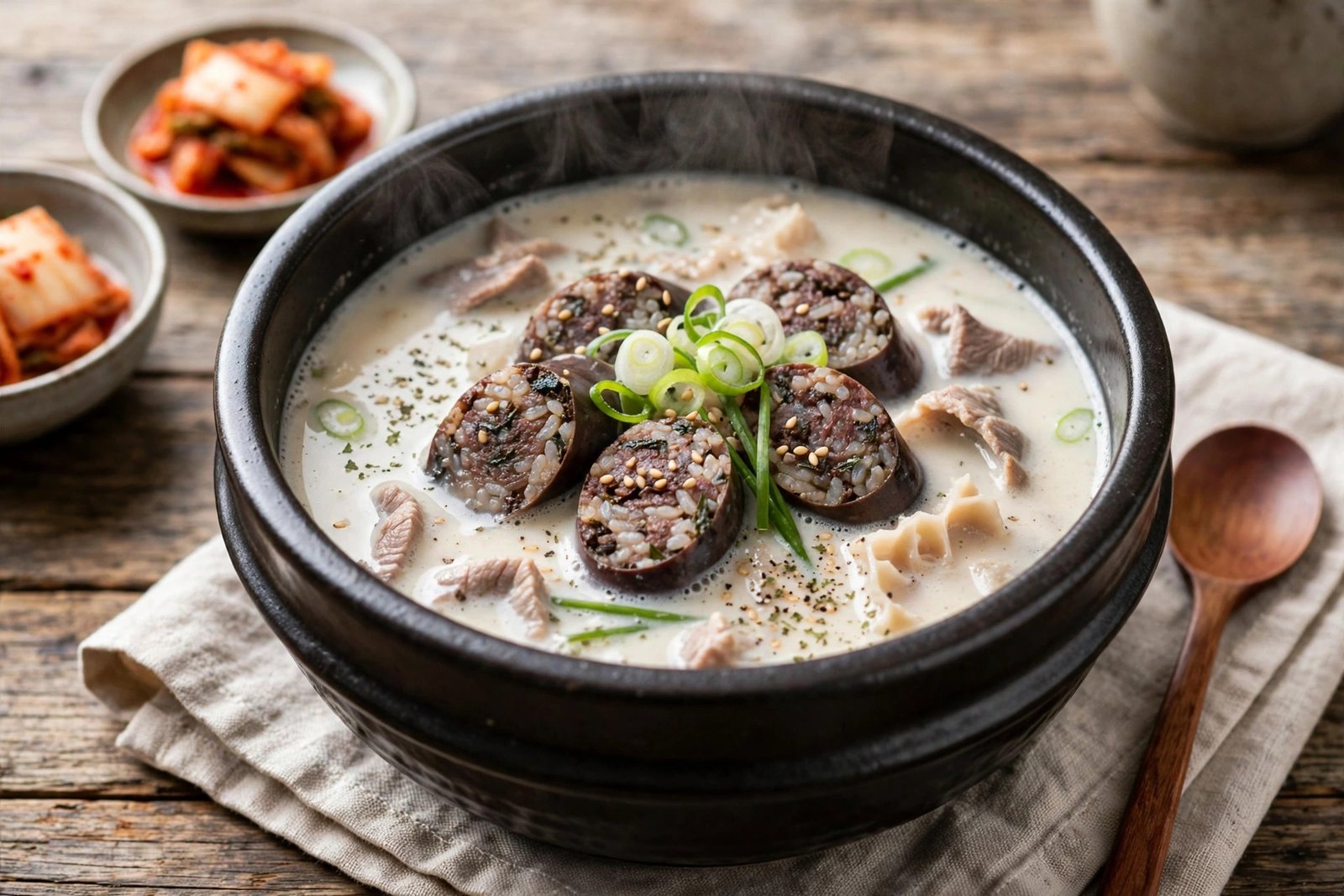
- Ladle the soup into wide bowls, making sure each bowl gets a good share of beef and radish. The broth should be clear and golden, with the radish pieces looking pale and soft. Scatter the remaining spring onions and the sesame seeds over the top.
- Serve the soup hot with a bowl of steamed rice on the side. Spoon the rice into the soup a little at a time, or eat the soup alongside the rice with kimchi. The meal is simple and gentle, and best eaten slowly while the soup is still steaming.
Pro tips
- Blanch the beef in boiling water and rinse it before making the soup, since this step removes the foam and blood that would cloud the broth and leave a grey scum on the surface.
- Use brisket or another cut with fat and connective tissue, because lean beef turns tough and dry in a long simmer instead of becoming tender and giving the broth body.
- Keep the soup at a gentle simmer with the lid slightly open, so the broth stays clear and the beef cooks slowly without toughening, and skim any foam that rises.
- Season the soup near the end of cooking, since salt added early concentrates as the broth reduces and can leave the soup too salty to enjoy.
- Add the spring onions and sesame oil off the heat, so they stay fresh and green and their flavour does not cook away in the hot broth before the soup reaches the table.
Variations & serving ideas
You can make muguk with chicken thighs instead of beef, which gives a lighter, gentler soup that cooks in about 30 minutes. Mushrooms and dried shiitake make a good vegetarian version, with the soaking water adding depth to the broth. The radish stays the heart of the dish whatever protein you use. The radish stays the heart of the dish whatever protein you use, and the clear broth lets the main ingredient show, so use the best beef or chicken you can find.
For a richer soup, use short rib instead of brisket, which adds more fat and a deeper beef flavour. A spoonful of doenjang, Korean soybean paste, stirred in at the end gives an earthy note that suits the radish well. Some cooks add a few slices of fresh ginger for extra warmth on a cold day. A spoonful of doenjang, Korean soybean paste, stirred in at the end gives an earthy note that suits the radish well, and a few slices of fresh ginger add extra warmth on a cold day.
Serve muguk with a bowl of steamed rice and a few side dishes, such as kimchi, pickled vegetables or a simple salad. For an Australian weeknight supper, the soup with rice and kimchi is a complete and satisfying meal. The leftovers also make a good lunch the next day, warmed gently with fresh spring onions. For an Australian weeknight supper, the soup with rice and kimchi is a complete and satisfying meal, and the leftovers also make a good lunch the next day, warmed gently with fresh spring onions.
Pair the soup with a pot of barley tea or a glass of cold water, and keep the drinks simple so the gentle flavours of the soup lead. A small dish of kimchi on the side adds spice and crunch, and a little extra fish sauce on the table lets everyone season their own bowl. A small dish of kimchi on the side adds spice and crunch, and a little extra fish sauce on the table lets everyone season their own bowl to taste.
Getting it right
The key technique is a gentle, steady simmer that keeps the broth clear. The beef must never boil hard, since a rolling boil clouds the soup and makes the meat tough. Keep the heat low, with the lid slightly open, and skim the foam that rises in the first few minutes. A clear broth is the sign of a well-made muguk. A clear broth is the sign of a well-made muguk, and the only way to get it is low heat, a slightly open lid, and a spoon ready to skim the foam in the first few minutes.
Heat control matters from the very first step. The beef gets a quick boil in fresh water and is then rinsed, which removes the blood and foam that would make the soup murky. After that, the soup simmers low and slow, so the beef turns tender and the radish goes sweet. Rushing the heat at any stage spoils the clarity and the texture. After that, the soup simmers low and slow, so the beef turns tender and the radish goes sweet, and rushing the heat at any stage spoils both the clarity and the texture.
The most common mistake is seasoning the soup too early, before the broth has reduced and the flavours have settled. Salt added at the start concentrates as the liquid cooks down, and the soup ends up too salty. Taste and season near the end, when the beef is tender and the radish is soft. The other common slip is using lean beef, which dries out in a long simmer instead of turning tender. The other common slip is using lean beef, which dries out in a long simmer instead of turning tender, so choose brisket or another cut with fat and connective tissue.
Storing & reheating
Leftover muguk keeps in the fridge for up to three days in a sealed container, and the flavour improves overnight as the beef and radish sit in the broth. Store the spring onions separately so they stay fresh and green. The soup also freezes well in portions for up to three months.
To reheat, warm the soup gently in a pot over medium heat until it is steaming, adding a little water if the broth has thickened. Add fresh spring onions and a few drops of sesame oil just before serving. Do not boil the soup hard when reheating, since that clouds the broth and toughens the beef, and add a splash of water if the soup has thickened in the fridge.
Frequently asked questions
What cut of beef is best for muguk?
Brisket is the best choice, since it has enough fat and connective tissue to turn tender in the soup and give the broth body. Short rib also works well, though it is richer. Avoid lean steak, which turns tough and dry in a long simmer.
Can I use the whole radish in the soup?
Yes, the soup is a good way to use up radish, and the longer it simmers, the sweeter and softer it becomes. Add the radish at the start so it has time to absorb the beef flavour. If you add it late, it stays firm and peppery.
How do I know if the soup tastes right?
The soup should taste mild, clean and lightly savoury, with a gentle sweetness from the radish and a warm garlic note in the background. It should never taste salty or heavy. If it tastes flat, add a little more fish sauce; if it tastes too salty, add water.
What should I serve with muguk?
Yes, the soup is traditionally served with a bowl of rice and a few small side dishes, such as kimchi and pickled vegetables. The rice soaks up the broth, and the kimchi adds a spicy crunch that balances the mild soup.
Can I freeze muguk?
Yes, muguk freezes well for up to three months in portions, though the radish softens a little more after thawing. Freeze the soup without the spring onions, and add fresh ones when you reheat it so the bowl looks and tastes fresh.
Can I make muguk with chicken instead of beef?
Yes, you can make a lighter version with chicken or mushrooms, though the flavour will be milder than the beef version. Use chicken thighs for a gentle soup, or dried shiitake mushrooms soaked in water for a vegetarian broth with real depth.