Tekkadon Recipe
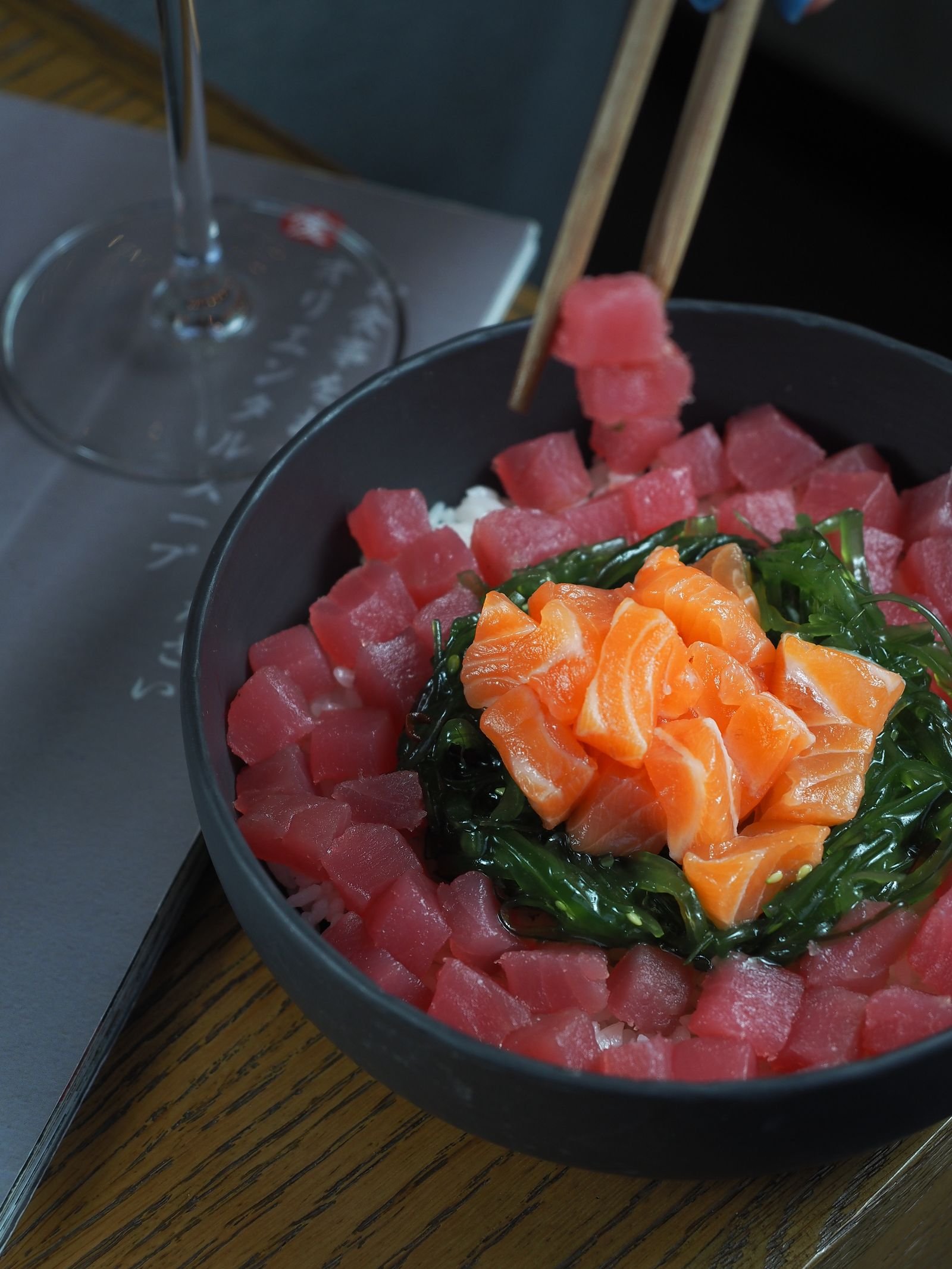
Silky slices of tuna over warm, seasoned rice, with a soy marinade that glistens on every piece — tekkadon is Japan's elegant answer to fast food. The tuna is cool and buttery, the rice is warm and gently sour, and a little wasabi and spring onion wake the whole bowl up. It looks like a restaurant dish and takes less than an hour.
The story behind Tekkadon
Tekkadon was born in Edo, old Tokyo, in the late Edo period, when the city was full of busy workers who needed food that was fast, filling and good. Sushi chefs began laying slices of tuna over a bowl of vinegared rice, and the dish became a staple of the city's food stalls. Its name gives away its history: tekka means red-hot iron, a nickname for the deep red colour of tuna, and don is short for donburi, a rice bowl.
The tuna in tekkadon is usually marinated, or zuke, in a soy-based sauce. This was not just for flavour — in the days before refrigeration, the soy marinade helped keep the fish fresh through a working day. The technique stuck because it tastes wonderful: the soy seasons the tuna right through, firms the flesh slightly, and gives each slice a glossy, deep-red shine. Modern tekkadon keeps the marinade short, often just fifteen to thirty minutes, so the fish stays silky.
In Japan, tekkadon sits somewhere between everyday food and a small treat. You will find it in sushi restaurants, in department-store food halls, and as a quick lunch in office districts. It is also a home-cooking favourite when good tuna is available, because the cooking is really just rice and a marinade — the fish does the rest. The bowl is a reminder that Japanese cooking often does less to an ingredient and lets its quality speak.
This is the bowl to make when you have found good tuna and want to show it off. The rice takes about half an hour, the marinade takes fifteen minutes, and the assembly takes five. Serve it for a weeknight dinner in Australia when you want something light, fresh and a little bit special without turning on the oven — it feels like a treat, and it is on the table before you know it. The first time you make it, buy the best tuna you can find and keep everything else simple — the fish is the whole point, and a good piece of tuna needs very little help to shine.
- Prep time
- 25 mins
- Cook time
- 30 mins
- Total time
- 55 mins
- Servings
- 4 servings
- Calories
- 480
Ingredients
- 400 g sashimi-grade tuna, in one thick piece (ask your fishmonger)
- 2 cups short-grain rice, rinsed until the water runs mostly clear
- 2 cups water, for cooking the rice
- 3 tbsp rice vinegar
- 1 tbsp caster sugar
- 1 tsp fine salt
- 60 ml soy sauce (Japanese-style)
- 1 tbsp mirin
- 1 tbsp sake
- 1 tsp grated fresh ginger
- 4 spring onions, finely sliced
- 1 tbsp toasted sesame seeds
- 1 tsp wasabi paste, plus extra to serve
- 1 tsp sesame oil
Instructions
- Cook the rice first. Rinse the short-grain rice until the water runs mostly clear, drain well, then cook with the water in a rice cooker or a saucepan with a tight lid — about 15 minutes on the stove, then 10 minutes resting off the heat. The rice should be tender, glossy and slightly sticky, with separate grains that hold together when pressed.
- Season the rice while it is hot. Warm the rice vinegar, sugar and salt gently in a small pan or the microwave until the sugar dissolves. Tip the hot rice into a wide bowl, drizzle the seasoning over it, and fold it through with a wooden spoon or rice paddle using cutting motions. Fan the rice as you fold — the air cools it and gives it a light shine. Let it cool to warm, not hot.
- Make the marinade. Whisk the soy sauce, mirin, sake, ginger and sesame oil together in a shallow dish. This is the zuke sauce: it should taste salty with a gentle sweetness and a warm ginger note. Taste it and adjust — a little more mirin if it is too sharp, a little more soy if it is too sweet.
- Slice the tuna. Use your sharpest knife and cut the tuna across the grain into slices about 5 millimetres thick. The slices should be even, glossy and deep red, with a clean cut edge.
- Marinate the tuna briefly. Lay the slices in the marinade in a single layer, turn each one once so both sides are coated, and leave for 15 to 20 minutes in the fridge. Any longer and the soy will start to cure the fish, turning the texture firm and the colour dull. Fifteen minutes is enough for the flavour to reach right through.
- Build the bowls. Spoon warm seasoned rice into four bowls and press it down gently so it forms a neat bed. Lift the tuna slices out of the marinade and arrange them over the rice in overlapping rows, like roof tiles. Drizzle a spoonful of the marinade over the top of each bowl.
- Add the toppings. Scatter the spring onion, sesame seeds and nori strips over the tuna, and put a small dab of wasabi on the side of each bowl rather than mixing it in — that way each person controls their own heat. Serve immediately, while the rice is still warm and the tuna is cool.
- Eat it fresh and fast. Tekkadon is at its best in the first few minutes, when the warm rice meets the cool fish. Mix a little wasabi into a slice as you eat it, or stir a spoonful of marinade through the rice.
Pro tips
- Buy sashimi-grade tuna only. This dish is raw fish, so the tuna must be sold as sashimi grade from a fishmonger you trust — never use ordinary tuna steaks meant for cooking. If the fishmonger will not call it sashimi grade, do not eat it raw — sear it instead.
- Keep everything cold until assembly. The tuna should stay in the fridge until the moment you slice it, and a cold knife and cold board help the slices stay firm, clean and glossy. A knife chilled in the freezer for ten minutes slices raw fish more cleanly.
- Do not over-marinate. Fifteen to twenty minutes is the sweet spot. Longer in the soy and the fish firms up, dulls in colour, and loses the silky texture that makes the dish.
- Warm rice, cool fish. The contrast is the whole point — rice that is too hot will start to cook the tuna, and rice that is cold makes the bowl feel flat. Warm, not steaming. Let the rice sit for five minutes after seasoning so it reaches the right temperature.
- Slice with one smooth stroke. A sharp knife and a single confident cut give you glossy, even slices; sawing tears the flesh and the bowl looks messy instead of elegant.
Variations & serving ideas
Tekkadon is a flexible bowl once you understand the pattern: warm seasoned rice, raw fish, a soy marinade, and a few fresh toppings. Salmon makes a beautiful alternative — use sashimi-grade salmon and the same marinade, and the bowl turns a soft orange-pink. Yellowtail, or kingfish in Australia, is another classic choice, with a richer, oilier bite than tuna. If you want a mixed bowl, combine tuna and salmon in the same dish.
For a cooked version, sear the tuna quickly instead of serving it raw. Heat a pan until it is very hot, sear the tuna block for 20 seconds on each side so the outside is browned and the centre stays rare, then slice and marinate as usual. This is a good option if anyone at the table is unsure about raw fish, and it adds a smoky note that works well with the soy.
If you cannot find sashimi-grade fish, do not use ordinary fish raw — instead, make a cooked donburi with the same rice and toppings. Grilled salmon, seared tuna steak sliced thin, or even a soft omelette over the rice all work. The marinade can become a drizzle sauce in that case, warmed gently and spooned over the top.
Serve tekkadon with simple sides that do not compete with the fish. Miso soup, a small cucumber salad, and pickled ginger are the classics. Green tea is the natural drink, and a cold sake works for a special occasion. Keep the portions neat rather than huge — this is a refined bowl, and a modest serving with a good soup on the side feels more satisfying than an overloaded one. For a special occasion, add a few slices of avocado or a small spoonful of salmon roe on top — both are traditional touches in fancier versions, and they make the bowl look like it came from a sushi restaurant. If you like a little crunch, scatter some finely diced cucumber or pickled radish over the top before serving — the fresh, sharp bite works beautifully against the rich, silky fish. Serve it with cold green tea and a small bowl of miso soup on the side.
Getting it right
The key technique is the rice. Sushi rice is not just plain boiled rice: it is seasoned while hot, folded rather than stirred, and fanned while it cools. Folding with a cutting motion keeps the grains whole instead of crushing them into a paste, and fanning drives off steam so the rice stays glossy and separate. If you stir the rice in circles, it turns gummy; if you skip the fanning, it stays wet and clumps. Take the extra two minutes — the rice is half the dish.
Heat control is about timing, not temperature. The rice needs to be warm when the tuna goes on, which means cooking it first and seasoning it while the tuna marinates. If the rice cools too much, warm it very gently in the microwave for 30 seconds, covered, with a damp paper towel over the top. Never reheat rice in a hot pan — it dries out and hardens at the edges.
The most common mistake is buying the wrong tuna. Sashimi-grade fish is handled and frozen to a standard that ordinary tuna steaks are not, and there is no safe shortcut. The second mistake is over-marinating: people leave the fish in the soy for an hour thinking more flavour is better, and end up with firm, grey-edged tuna. Fifteen to twenty minutes is all it needs. The third is dull knife work — a blunt knife tears the flesh, so sharpen before you start. One more habit worth building: taste the marinade before the fish goes in. It should be salty, sweet and warm with ginger. If it is too sharp, a pinch of sugar fixes it; too sweet, a drop more soy. Getting the marinade right first means the fish can only come out well.
Storing & reheating
Tekkadon does not keep like a cooked dish, and it is best eaten the day it is made. If you must store it, keep the components separate: the seasoned rice in a sealed container in the fridge for up to a day, the tuna in its marinade for no more than a few hours, and the toppings apart. Do not assemble the bowl until you are ready to eat, and never store an assembled bowl overnight.
To use leftover rice, warm it gently in the microwave, covered, with a damp paper towel — about 60 seconds — then re-season lightly if it tastes flat. Leftover marinated tuna should be eaten the same day; do not keep raw tuna overnight once it has been sliced. This dish does not freeze at all: freezing ruins both the rice texture and the raw fish, so cook only what you plan to eat.
Frequently asked questions
What does sashimi-grade mean, and where do I buy it?
Sashimi-grade tuna is handled and frozen to a standard safe for raw eating. Buy it from a fishmonger or a Japanese grocer, and tell them it is for tekkadon — they will point you to the right piece. Never use ordinary tuna steaks raw. Keep it simple and the bowl takes care of itself.
How long should I marinate the tuna?
Fifteen to twenty minutes is ideal. The soy seasons the fish right through in that time. Longer than 30 minutes and the fish starts to cure, turning firm and dull in colour and losing its silky texture. Keep it simple and the bowl takes care of itself.
Can I use salmon instead of tuna?
Yes, sashimi-grade salmon is a wonderful alternative and the marinade works exactly the same way. Yellowtail or Australian kingfish are also classic choices. You can even mix tuna and salmon in one bowl. Keep it simple and the bowl takes care of itself.
Is tekkadon safe to eat at home?
Yes, if you use genuine sashimi-grade fish from a trusted fishmonger, keep it cold, and eat it the same day. People who are pregnant or have a weakened immune system should check with their doctor first, to be on the safe side. Keep it simple and the bowl takes care of itself.
Can I make tekkadon ahead for guests?
Partly. Cook and season the rice up to a few hours ahead and keep it covered at room temperature. Slice and marinate the tuna only 20 minutes before serving, then assemble the bowls at the last moment. Keep it simple and the bowl takes care of itself.
What do I serve with tekkadon?
Miso soup, a small cucumber salad with rice vinegar, and pickled ginger are the classic partners. Green tea is the usual drink. Keep the sides light so the tuna stays the star of the meal. Keep it simple and the bowl takes care of itself.