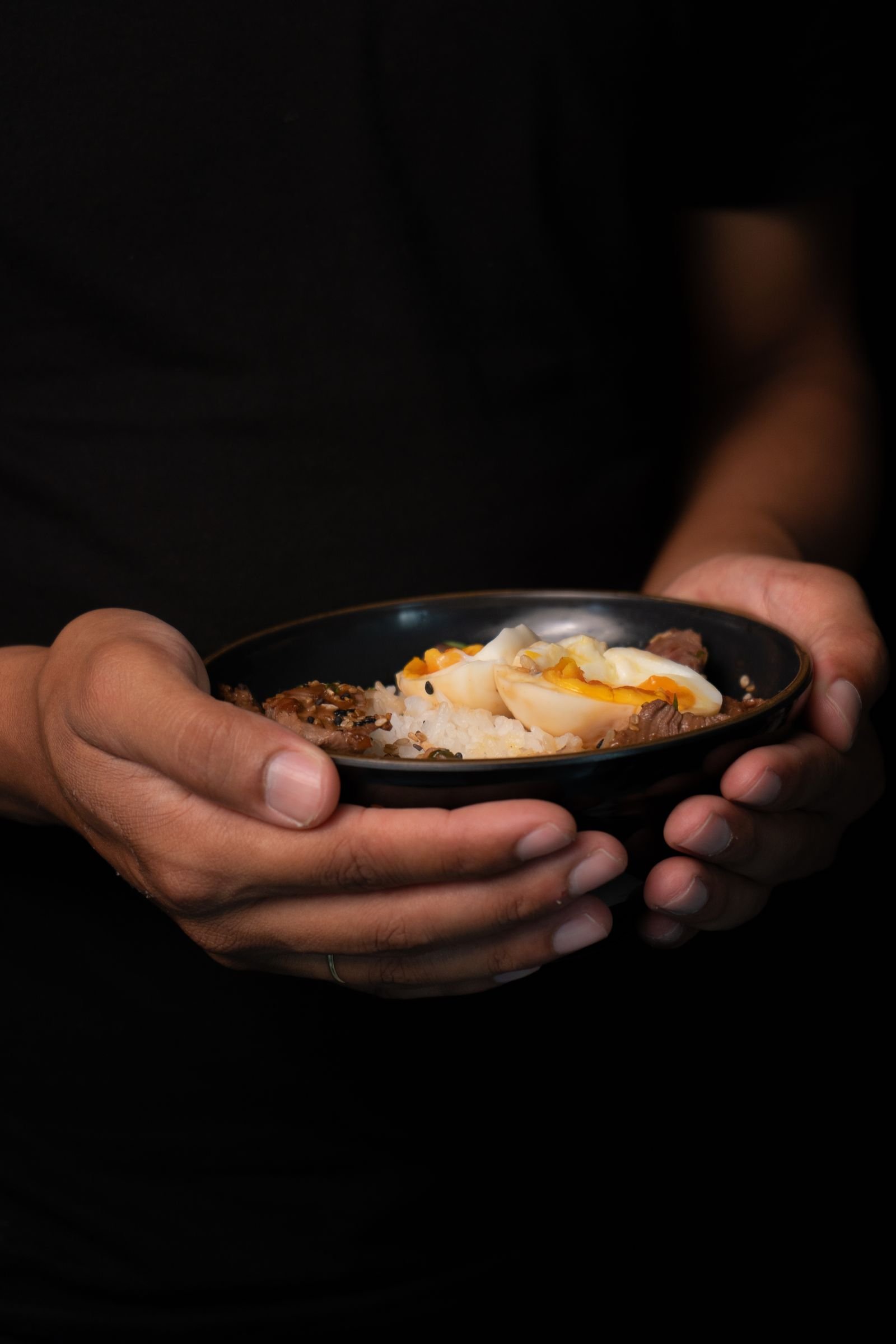
Soba Noodles Recipe
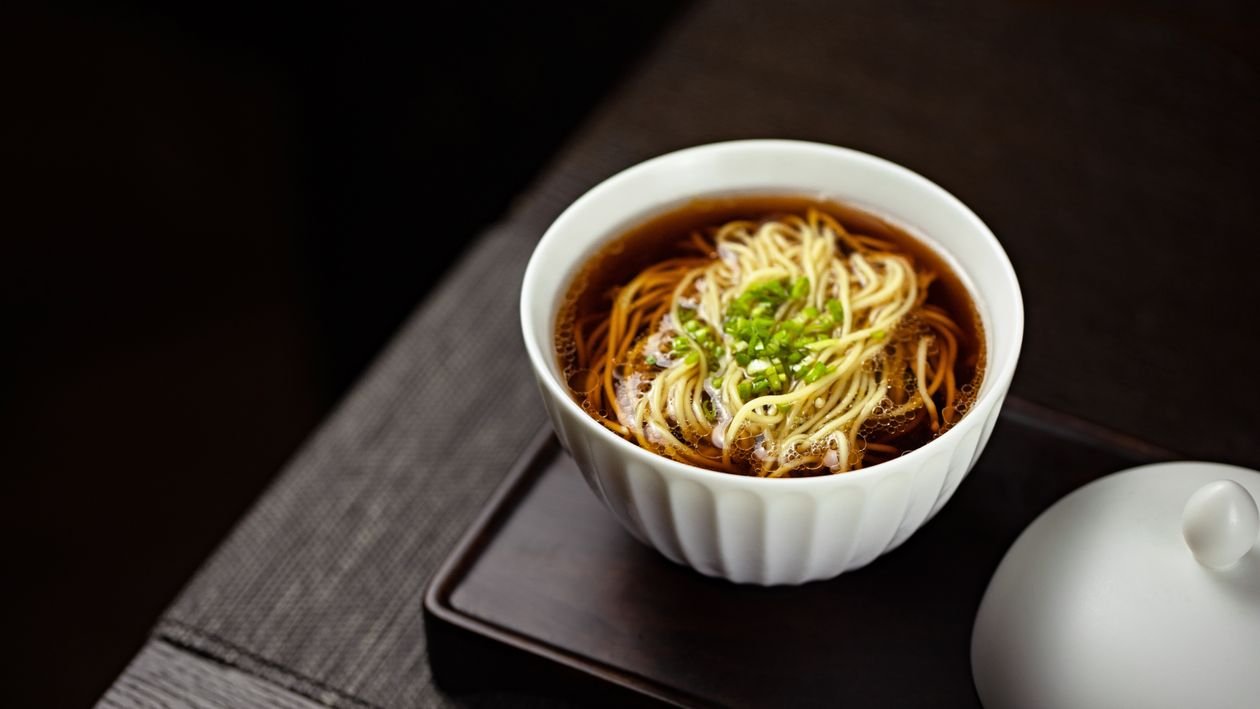
Cool, nutty buckwheat noodles in a savoury dashi broth, topped with spring onion and a soft egg. This soba bowl is light yet deeply satisfying, with springy noodles and a clean, salty-sweet broth. It works as a quick weeknight dinner or a calm weekend lunch, and you can dress it up with tempura or keep it simple. The bowl is quick, clean-tasting, and endlessly adaptable to what you already have on hand.
The story behind Soba Noodles
Soba has been eaten in Japan for centuries, and it really took off in Edo, the old name for Tokyo, during the 1600s and 1700s. Buckwheat grew well in poor mountain soil where rice struggled, so mountain villages milled it into flour and cut it into noodles. Travellers, workers and townspeople loved it because a bowl was cheap, filling and fast. Soba shops lined the streets of Edo, and the dish became part of daily city life in a way few foods manage.
In Japan, soba carries meaning beyond a quick meal. Families eat toshikoshi soba, year-crossing noodles, on New Year's Eve, because the long noodles stand for a long life and the way they snap cleanly is said to cut off the old year's troubles. You will still find standing soba counters at train stations, where commuters eat a hot bowl in minutes before the next train. At home, cold zaru soba with a dipping sauce is a summer favourite, while hot kake soba warms up cold winter evenings.
What makes soba special is the buckwheat itself. Good soba tastes nutty and earthy, quite different from wheat noodles, and the texture should be firm with a gentle bite, never soft or mushy. The broth matters just as much. Dashi made from bonito and kombu, seasoned with soy sauce and mirin, gives a clear, savoury base that lets the noodles shine instead of covering them up. A soft egg, a scatter of spring onion and a little grated ginger finish the bowl without fuss.
This is a dish that fits easily into a busy week. The broth comes together in one pot, the noodles cook in four or five minutes, and the toppings are things you probably already have. Serve it for a weeknight dinner in Australia when you want something warm and light after a long day, or make it on a slow Sunday and eat it with a small plate of tempura on the side. Either way, it tastes like care without demanding hours in the kitchen. Keep dried soba in the pantry and this bowl is always within reach.
- Prep time
- 25 mins
- Cook time
- 30 mins
- Total time
- 55 mins
- Servings
- 4 servings
- Calories
- 420
Ingredients
- 300 g dried soba noodles (about 4 nests, roughly 75 g per person)
- 1.2 litres dashi stock (or 1.2 litres water plus 2 tsp dashi powder)
- 80 ml soy sauce (Japanese-style, not dark soy)
- 60 ml mirin (sweet rice wine, for balance)
- 1 tbsp caster sugar
- 4 spring onions, finely sliced on the diagonal
- 4 eggs, at room temperature
- 1 tbsp grated fresh ginger
- 1 sheet nori, cut into thin strips
- 1 tsp toasted sesame seeds
- 1 tbsp neutral oil, for frying the egg (optional)
- 2 tsp rice vinegar (optional, for the egg water)
Instructions
- Make the broth first. Put the dashi, soy sauce, mirin and sugar in a medium saucepan over medium heat and stir until the sugar dissolves. Bring it to a gentle simmer, not a rolling boil, then turn the heat down low and keep it warm. Taste it now: it should be salty and a little sweet, with a clean savoury depth. If it tastes flat, add a splash more soy; if it is too salty, add a little water.
- Cook the eggs while the broth warms. Bring a small pot of water to a boil, lower the eggs in gently with a spoon, and cook them for 6 minutes for a jammy yolk. Lift them out, drop them into cold water, and peel once they are cool enough to handle. A 6-minute egg gives you a yolk that is set at the edges and soft in the middle, perfect for stirring into hot broth.
- Boil a large pot of water for the noodles. Soba needs plenty of room, so use the biggest pot you have and let the water come to a hard, rolling boil before the noodles go in. Add the soba, stir once with chopsticks so the strands do not clump, and cook for 4 to 5 minutes.
- Rinse the noodles well. Tip them into a colander and rinse under cold running water, tossing them with your hands until the water runs clear and the noodles feel cool and slippery rather than starchy. This step matters more than it looks: it stops the cooking, washes off the cloudy surface starch, and keeps the noodles springy in the hot broth. Shake the colander hard to get the water off.
- Warm the noodles in the broth. Drop the rinsed soba into the simmering broth for 30 seconds, just long enough to heat through, then lift the noodles out with tongs or a spider strainer and divide them between four deep bowls. Pour the hot broth over the top, making sure each bowl gets an even share of liquid.
- Finish each bowl with the toppings. Halve the soft eggs and set them cut-side up on the noodles, then scatter over the spring onion, ginger, nori strips and sesame seeds. Serve right away, while the noodles are hot and the broth is steaming.
- Eat it the Japanese way. Lift the noodles with chopsticks and slurp them — the sound is normal and it cools the noodles as they go in. Sip the broth straight from the bowl once the noodles are gone. If you like heat, a little shichimi togarashi on top wakes the whole bowl up.
- Check the balance before you serve. Taste the broth one last time and adjust: a pinch of sugar softens sharp salt, a few drops of soy deepen it, and a squeeze of ginger brightens it. The bowl should taste clean and savoury, with the nutty soba flavour still coming through. That is the whole test of a good soba bowl.
Pro tips
- Do not overcook the soba. Buckwheat noodles go from firm to floppy fast, so start tasting a minute before the packet time and pull them the moment the centre loses its raw bite. A timer helps here — buckwheat moves fast and a minute of distraction is all it takes.
- Rinse thoroughly, even for a hot bowl. The cold rinse removes the sticky surface starch that would otherwise cloud the broth and make the noodles glue together in a lump.
- Keep the broth at a bare simmer. A hard boil dulls the dashi and can make the soy taste harsh, while a gentle simmer keeps the flavour clear, bright and properly savoury. Taste the broth as it warms and adjust the soy or sugar before the noodles go in.
- Cook the eggs ahead if you like. Six-minute eggs keep in the fridge for two days, peeled, in a sealed container — a handy shortcut that makes a fast weeknight bowl even faster.
- Warm your bowls. A quick rinse with boiling water means the broth stays hot while you eat, and hot broth is half the pleasure of this dish, right to the last spoonful. Do it while the noodles cook so the bowl is ready the moment they are drained.
Variations & serving ideas
Soba is an easy dish to make your own once you have the basic bowl down. The classic cold version, zaru soba, skips the hot broth entirely: serve the chilled noodles on a bamboo tray or plate with a small bowl of concentrated dipping sauce, grated daikon and wasabi on the side. It is the same noodle, a completely different meal, and it is wonderful on a hot Australian summer day when a steaming bowl feels like too much.
Toppings are where you can play. Tempura prawns or vegetables turn the bowl into a small feast, and a piece of grilled chicken or a few slices of rare beef make it heartier for a hungry table. For a vegetarian version, swap the dashi for a kombu and shiitake stock, use a soy-mirin broth, and top the bowl with pan-fried mushrooms, spinach and tofu. The noodles themselves carry the dish, so the toppings just need to be fresh and simple.
If buckwheat is a problem, you can still enjoy the bowl. Some soba is a blend of buckwheat and wheat, so read the packet: pure 100% buckwheat soba, called juwari, is naturally gluten-free but more fragile, while a blend holds up better in the pot. Wheat-based udon works in the same broth if soba is not available, though the flavour will be milder and the bowl a little heavier. Rice noodles are a last resort — they work, but you lose the nutty character that makes soba what it is.
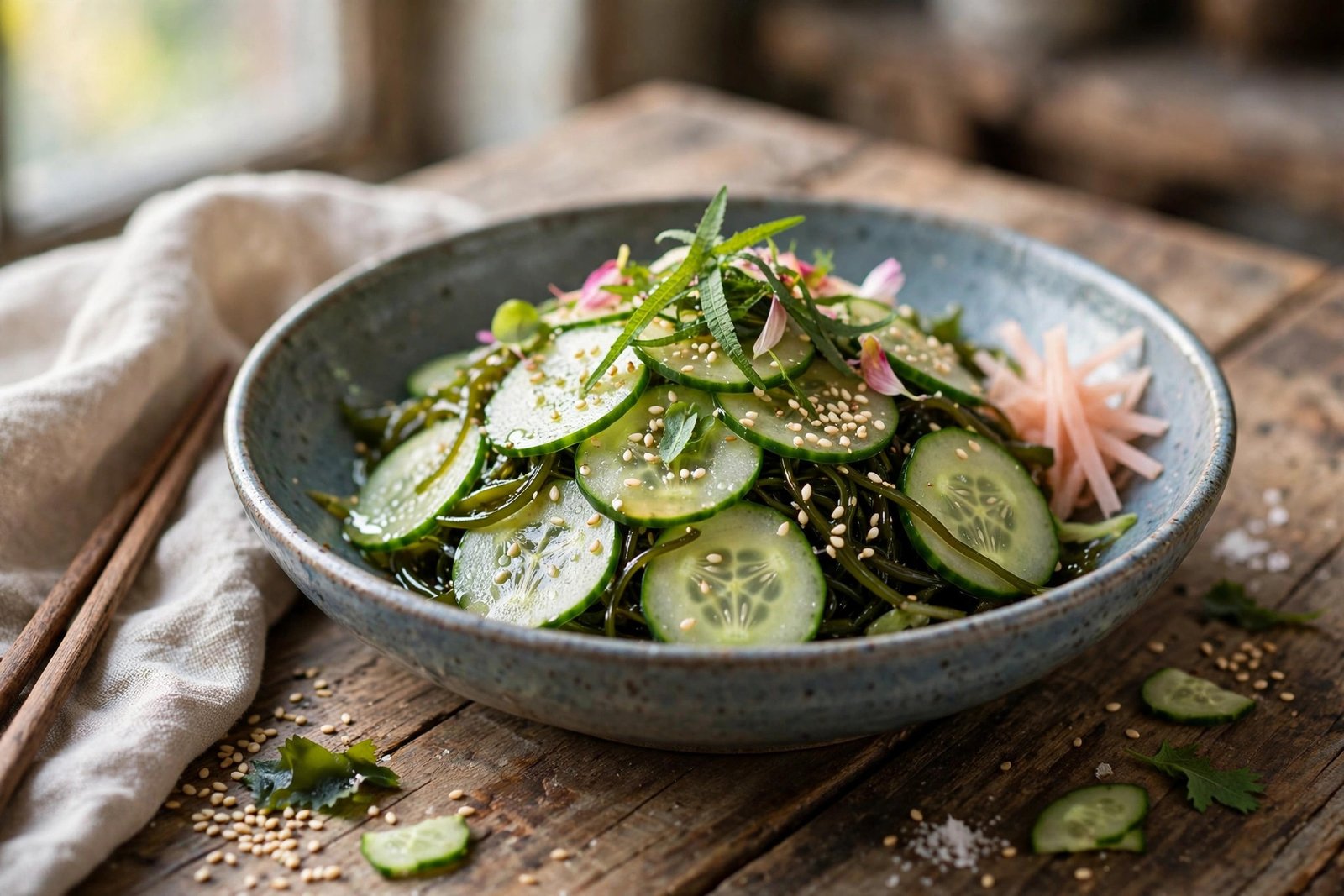
Serve soba as a light main with small sides. A cucumber salad with rice vinegar, a plate of gyoza, or a few slices of pickled ginger all sit happily next to the bowl. Green tea is the natural drink, and a cold beer works well on a warm evening. Keep portions generous — the bowl looks modest, but a full serving of noodles with broth is properly filling, and most people will want seconds of the broth at least. If you want a richer bowl, stir a spoonful of sesame paste into the hot broth before adding the noodles — it turns silky and nutty, almost like a light ramen, and it is lovely on a cold night.
Getting it right
The one technique that decides this dish is the noodle cook. Soba is unforgiving: a minute too long and the strands go soft and start to break, a minute too short and the centre tastes raw and chalky. Use a big pot, lots of water at a full rolling boil, and stir the noodles once as they go in so they do not stick. Start tasting at three minutes if the packet says four, and pull them the second the bite turns tender-firm.
Heat control matters for the broth as well. Dashi is delicate, and a hard boil will flatten its aroma and push the soy sauce towards harshness. Bring the broth up over medium heat, let it just reach a simmer, then hold it low while you cook the noodles. If the broth reduces too far it will taste too salty — top it up with a splash of water rather than more soy, and taste again before serving.
The most common mistake is skipping the rinse. People worry that rinsing cold water will cool a hot dish, but the noodles only spend 30 seconds back in the hot broth and come out perfectly hot. Without the rinse, the surface starch thickens the broth, clouds it, and glues the noodles into a lump. The second common mistake is crowding the pot: too many noodles in too little water drop the temperature, the strands cook unevenly, and you get a mix of mushy and underdone. Cook in two batches if your pot is small.
Storing & reheating
Leftover soba noodles keep in the fridge for up to two days in a sealed container, lightly tossed with a teaspoon of sesame oil so they do not stick. The broth keeps separately for three days and actually tastes a little deeper on day two. Store the toppings apart — sliced spring onion wilts fast, and the egg is best eaten within a day or two.
To reheat, warm the broth to a simmer and drop the noodles in for 30 seconds, just until hot. Do not boil the noodles again or they will turn soft and break. Cooked soba does not freeze well; the texture goes mushy on thawing, so freeze only the broth, which keeps for a month in a sealed container. A fresh soft egg and fresh spring onion make reheated soba taste almost as good as the first bowl.
Frequently asked questions
Can I use instant dashi powder for soba broth?
Yes, and most home cooks do. Dissolve the powder in hot water exactly as the packet directs, then season with soy sauce, mirin and sugar. Good dashi powder gives a clean, savoury base that works well here and saves a lot of time. Small step, big difference.
Why do you rinse soba noodles in cold water?
Rinsing washes off the cloudy surface starch, stops the cooking, and keeps the noodles springy. Without it the broth turns murky and the noodles stick together. You warm them again in the hot broth for 30 seconds, so they still arrive hot. Small step, big difference.
Is soba gluten-free?
Pure 100% buckwheat soba, called juwari, is naturally gluten-free, but many brands blend buckwheat with wheat flour. Check the packet carefully, and also check that the soy sauce you use is gluten-free before serving it to anyone coeliac. Small step, big difference.
Can I serve soba cold instead of hot?
Yes, cold zaru soba is a classic. Chill the rinsed noodles, serve them on a plate with a small bowl of dipping sauce, grated daikon, wasabi and spring onion. It is perfect for hot weather and makes a refreshing light lunch. Small step, big difference.
What can I add to make soba more filling?
Tempura prawns, grilled chicken, sliced beef, or a soft egg all add substance. Pan-fried mushrooms and tofu work well for a vegetarian bowl. A side of gyoza also turns it into a fuller meal for a hungry table. Small step, big difference.
Where can I buy soba noodles in Australia?
Most large supermarkets stock dried soba in the Asian aisle, and Asian grocers carry a wider range, including 100% buckwheat. Look for brands from Japan and check the buckwheat percentage on the packet before you buy. Small step, big difference.