Mapo Nasu Recipe
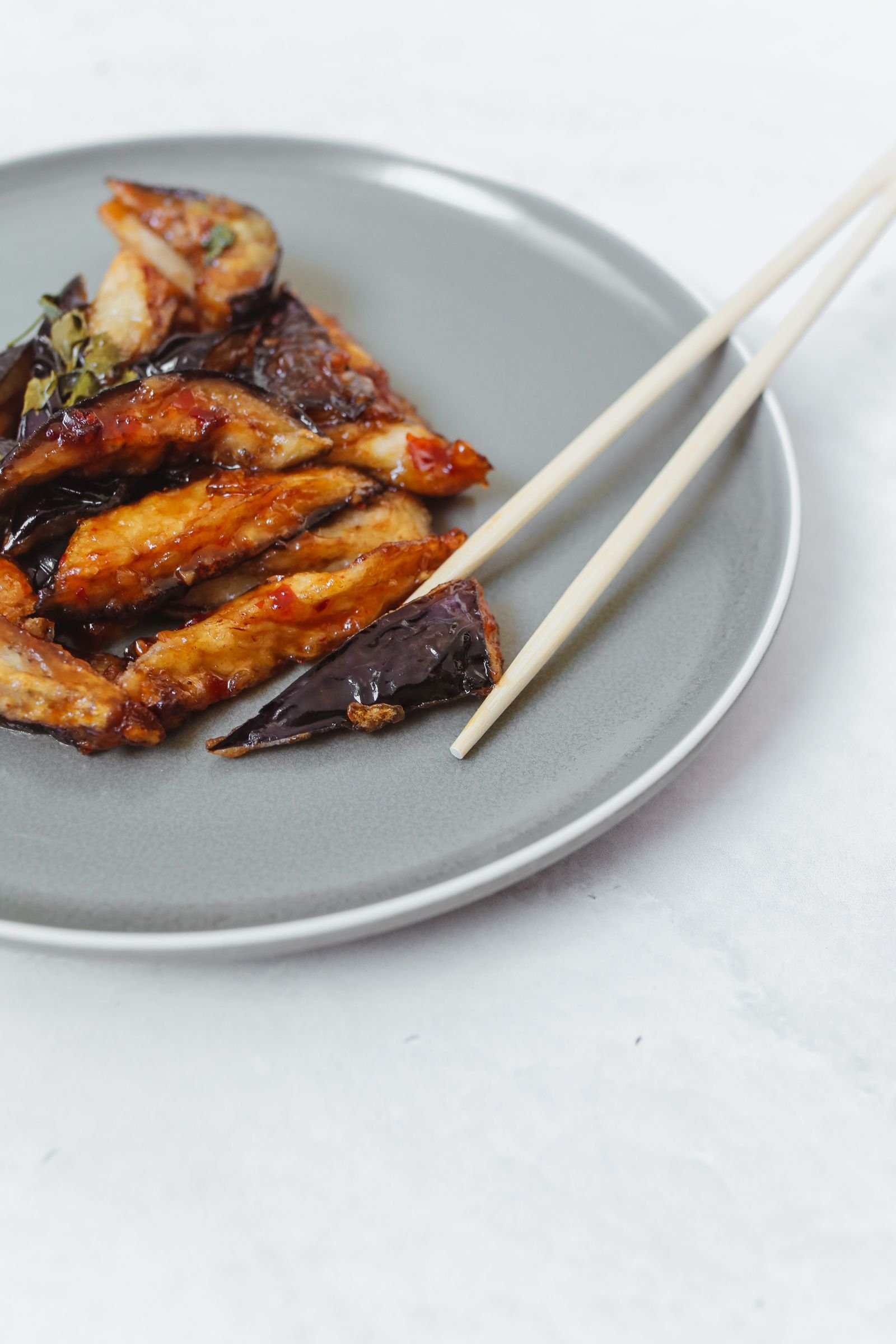
Soft, silky eggplant folded through a rich, spicy miso sauce with savoury pork mince — mapo nasu turns a humble aubergine into the kind of dinner you mop up with rice. The sauce is salty, sweet and warm with chilli, the eggplant melts on the tongue, and the whole pan comes together in about half an hour. Serve it piled over steamed rice with spring onions on top.
The story behind Mapo Nasu
Mapo nasu starts with mapo tofu, the famous Sichuan dish of soft tofu in a spicy, numbing bean sauce. When the dish travelled to Japan, cooks made it their own: the tofu was swapped for eggplant in some kitchens, the fiery Sichuan pepper was softened, and miso and mirin joined the sauce to give it a rounder, sweeter taste. The result, called mabo nasu in Japanese, keeps the heat and the savoury depth of the original while tasting quite different. It is a clear example of how Japan takes a dish from elsewhere and settles it into its own cooking.
In Japan, mapo nasu is home cooking rather than restaurant food. It turns up on weeknight tables, in bento boxes, and as part of a teishoku set meal with rice, miso soup and pickles. It is also a familiar dish in Chinese restaurants across Japan, where it sits on the menu beside mapo tofu and twice-cooked pork. Because it is fast and uses cheap ingredients, it is the kind of dish people cook when the fridge is nearly empty and dinner still needs to happen.
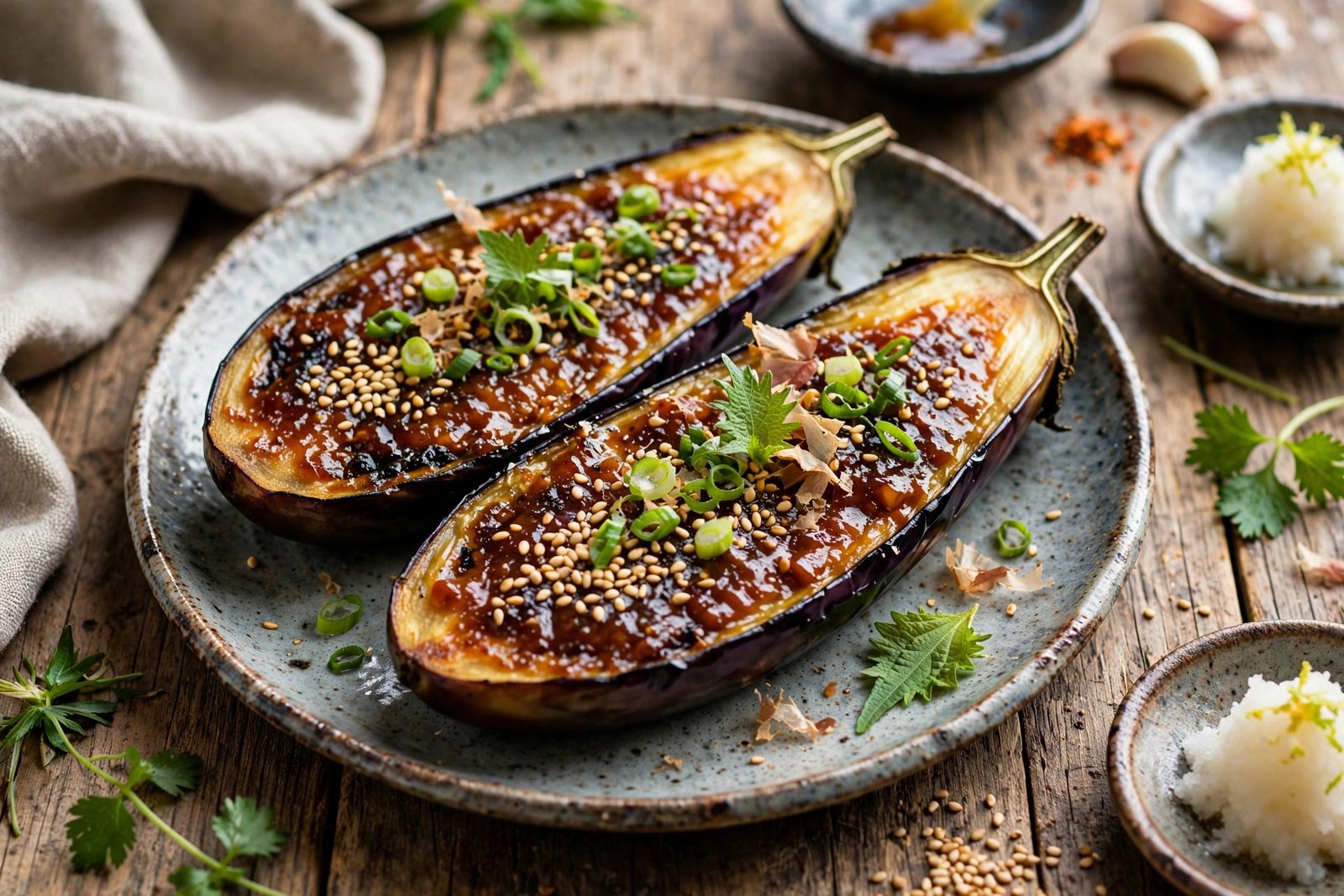
What makes mapo nasu special is the eggplant itself. Fried first in hot oil, it turns soft and almost creamy inside, with a thin skin that holds it together. That softness is the perfect match for the sauce, which is salty, spicy and a little sweet all at once. The pork mince adds a savoury depth, the doubanjiang brings the heat, and the miso rounds the whole thing off. Each spoonful gives you soft eggplant, rich sauce and a little crunch from the spring onions.
Cook it when eggplants are in season in summer and cheap at the market, or whenever you want a fast, warming dinner. It suits a cold evening when you want something spicy, and a busy weeknight when you need food on the table in half an hour. Serve it over rice and it becomes a full meal; serve it as a side and it lifts a plain spread of grilled fish and soup. It is simple food, but it is the kind people ask for again.
- Prep time
- 15 mins
- Cook time
- 20 mins
- Total time
- 35 mins
- Servings
- 4 servings
- Calories
- 420
Ingredients
- 3 Japanese eggplants (about 450 g), or 1 large globe eggplant
- 200 g pork mince
- 3 tablespoons potato starch, plus 1 teaspoon mixed with 2 tablespoons water for the sauce
- 120 ml neutral oil, for frying the eggplant
- 3 spring onions, finely sliced
- 3 garlic cloves, finely chopped
- 1 tablespoon fresh ginger, grated
- 1 tablespoon doubanjiang (chilli bean paste)
- 2 tablespoons miso paste
- 1 tablespoon soy sauce
- 1 tablespoon mirin
- 1 tablespoon sake
- 150 ml dashi or chicken stock
- 1 teaspoon sesame oil, plus chilli oil to serve (optional)
Instructions
- Trim the ends off the eggplants and cut them lengthways into quarters, then slice each spear into finger-length pieces about 5 cm long. Keep the pieces even so they fry in the same time. Toss them with the potato starch until each piece is lightly coated.
- Heat the oil in a large frying pan or wok over medium-high heat until it shimmers. Fry the eggplant in two batches for about three minutes each, turning so all sides touch the oil, until golden at the edges. Lift them out with a slotted spoon and drain on kitchen paper.
- Pour off all but one tablespoon of the oil and set the pan back over medium-high heat. Add the pork mince and break it up with a wooden spoon, letting it fry until it browns and starts to crisp at the edges, about three minutes. Let it sit for a minute before stirring, so it browns rather than steams.
- Push the mince to one side and add the garlic, ginger and the white parts of the spring onions to the empty space. Stir for thirty seconds until the garlic smells sweet, but do not let it brown or it will taste bitter. Stir in the doubanjiang and cook for thirty seconds until the oil turns red.
- Pour in the dashi, soy sauce, mirin and sake, and stir in the miso until it dissolves into the liquid. Bring the sauce to a gentle simmer and let it bubble for two minutes so the flavours come together. Taste it now: it should be salty, a little sweet and warm with chilli.
- Slide the fried eggplant back into the pan and turn the pieces gently so they are coated in the sauce. Simmer for three minutes, turning once, until the eggplant is soft and the sauce clings to it. Stir as little as you can now, or the soft eggplant will break apart.
- Stir the potato starch and water once more, then drizzle it into the pan in a thin stream while you stir gently. The sauce will thicken in about thirty seconds and turn glossy, coating the eggplant and mince in a rich sheen. If it gets too thick, add a splash of water.
- Take the pan off the heat and stir in the sesame oil and the green parts of the spring onions. The sesame oil adds a warm, nutty note right at the end, and the spring onions stay bright and fresh against the dark sauce. Taste once more and adjust the salt with a dash of soy sauce.
- Spoon the mapo nasu into a wide bowl or over mounds of steamed rice, and drizzle with chilli oil if you like heat. Serve it at once, while the eggplant is soft and the sauce is still glossy and hot. Eat it with a spoon so you catch the sauce with every bite.
Pro tips
- Use Japanese or Chinese eggplants if you can find them. Their thin skin and few seeds turn silky when fried, while globe eggplants need peeling and a gentler hand.
- Fry the eggplant in batches. Crowding the pan drops the oil temperature, and the pieces steam instead of frying, which is what makes them soggy.
- Cook the doubanjiang for thirty seconds before the liquids go in. That short fry in oil wakes up the chilli and gives the sauce its deep red colour and rich heat.
- Stir the eggplant as little as you can once it is in the sauce. It is soft by then, and every turn risks breaking it into pieces that disappear into the gravy. Use a wide spoon and fold the pieces over gently instead of stirring in circles, so they stay whole.
- Taste the sauce before you add the eggplant. It should be salty, a little sweet and warm with chilli, and it is easy to adjust now but hard to fix later. A pinch of sugar can soften a sauce that tastes too sharp from the miso.
Variations & serving ideas
Leave out the pork and the dish becomes a fine vegetarian meal. Crumbled firm tofu, fried until golden, stands in well for the mince, and finely chopped shiitake mushrooms add a savoury depth that suits the sauce. Use vegetable stock instead of dashi, and keep the miso and doubanjiang the same. The sauce carries the dish, so the swap is barely noticed, and the eggplant stays the star of the pan. A spoonful of the sauce over plain rice is a meal on its own, even without the eggplant. The eggplant still stars, but the dish feeds more people this way.
If you like heat, push the dish further towards its Sichuan roots. Add a teaspoon of Sichuan peppercorns, toasted and ground, with the doubanjiang, and the sauce gains the tingling warmth that defines real mapo cooking. A spoonful of chilli oil at the end adds colour and fire. Go gently the first time: the numbing heat builds slowly, and you can always add more at the table. Keep a glass of water nearby, and remember that rice and pickles cool the heat between bites.
The sauce also suits other vegetables. Try it with aubergine and sweet potato, or with chunks of pumpkin in autumn, when the sweet flesh balances the salty sauce. Green beans, fried first the same way as the eggplant, make a lighter version that still eats like a proper meal. The method stays the same: fry the vegetable, build the sauce, then bring them together for a short simmer. The sauce clings well to anything with a soft, open texture, so try it with fried tofu puffs too.
Serve it in different ways to change the meal. Piled over rice it is a donburi, spooned into a bowl with noodles it becomes a quick noodle topping, and served on its own with a cold beer it works as a small plate for sharing. It also makes a good filling for a steamed bun, with the sauce soaked into the soft bread. However you serve it, keep the rice or bread close — the sauce is too good to leave behind. Warm the bowls first so the dish stays hot while you eat.
Getting it right
The key move is frying the eggplant before it meets the sauce. Raw eggplant is like a sponge: drop it straight into a wet sauce and it drinks the liquid, turns grey and falls apart. A quick fry in hot oil seals the outside, so the flesh stays creamy while the shape holds. Coat the pieces lightly in potato starch first, fry them in batches so the pan stays hot, and lift them out as soon as the skin turns glossy and the edges are golden.
The sauce is built in layers, and the order matters. Fry the pork mince first so it browns and crisps, then cook the garlic, ginger and spring onion whites in the same pan so they pick up the savoury flavour left behind. The doubanjiang goes in next and fries for thirty seconds until the oil turns red; this short fry wakes up the chilli and deepens its taste. Only then do the liquids go in, with the miso stirred in until it melts into the sauce.
The common mistakes are all about timing and heat. Eggplant that turns to mush was usually crowded into the pan, where it steamed instead of frying, or stirred too much once it was in the sauce. A thin, watery sauce means the starch slurry was skipped or added too early, so drizzle it in at the end and let it bubble for thirty seconds. A bitter sauce points to garlic that browned, so keep the heat moderate and move fast once the aromatics go in.
Storing & reheating
Mapo nasu keeps for up to three days in the fridge in a sealed container, and it often tastes better the next day once the sauce has soaked into the eggplant. Keep it away from the rice until you serve it, or the rice will drink up the sauce and dry the dish out. The flavours settle and deepen overnight, which is why leftovers are so good.
To reheat, warm it gently in a pan over medium heat with a splash of water, stirring once or twice until it bubbles. Do not boil it hard or the eggplant will fall apart. You can freeze mapo nasu for up to one month in a sealed container; thaw it in the fridge overnight and reheat it the same gentle way.
Frequently asked questions
Which eggplant is best for mapo nasu?
Japanese or Chinese eggplants are best: thin skin, few seeds, and flesh that turns silky when fried. A globe eggplant works too, but peel it first and cut it smaller, since its thick skin can turn tough. Pick ones that feel heavy for their size, with smooth, shiny skin and no soft spots.
Can I make mapo nasu vegetarian?
Yes, and it is a good version. Leave out the pork and use plant-based mince, or crumbled firm tofu fried until golden. Finely chopped shiitake gives a savoury depth that stands in nicely for the meat. Use vegetable stock instead of dashi, and the sauce keeps its rich, spicy character.
How do I stop the eggplant going mushy?
Fry it first in hot oil before it meets the sauce. The quick fry seals the outside and keeps the flesh from drinking up the liquid. Cut the pieces evenly, do not crowd the pan, and move them to the sauce once golden. Then simmer gently and stir as little as you can.
Is mapo nasu the same as Chinese mapo eggplant?
Yes. The Chinese name is mapo qiezi, and it uses a similar spicy bean sauce over fried eggplant. The Japanese version leans on miso and mirin for a sweeter, rounder taste, while the Chinese version is often hotter and more numbing from Sichuan pepper. Both are worth making, and the method is much the same.
What do you serve with mapo nasu?
Steamed white rice is the classic partner, and the sauce is made for spooning over it. A bowl of miso soup and a small plate of pickles turn it into a full set meal. It also works as a side dish next to grilled fish or gyoza. A cold beer or green tea suits it well.
How long does mapo nasu keep?
It keeps for three days in the fridge, and many people think it tastes better the next day once the sauce has soaked in. Reheat it gently in a pan with a splash of water, stirring once or twice. Avoid the microwave: it heats unevenly and can turn the eggplant soft. Freeze it for up to one month.