Goma Ae Recipe
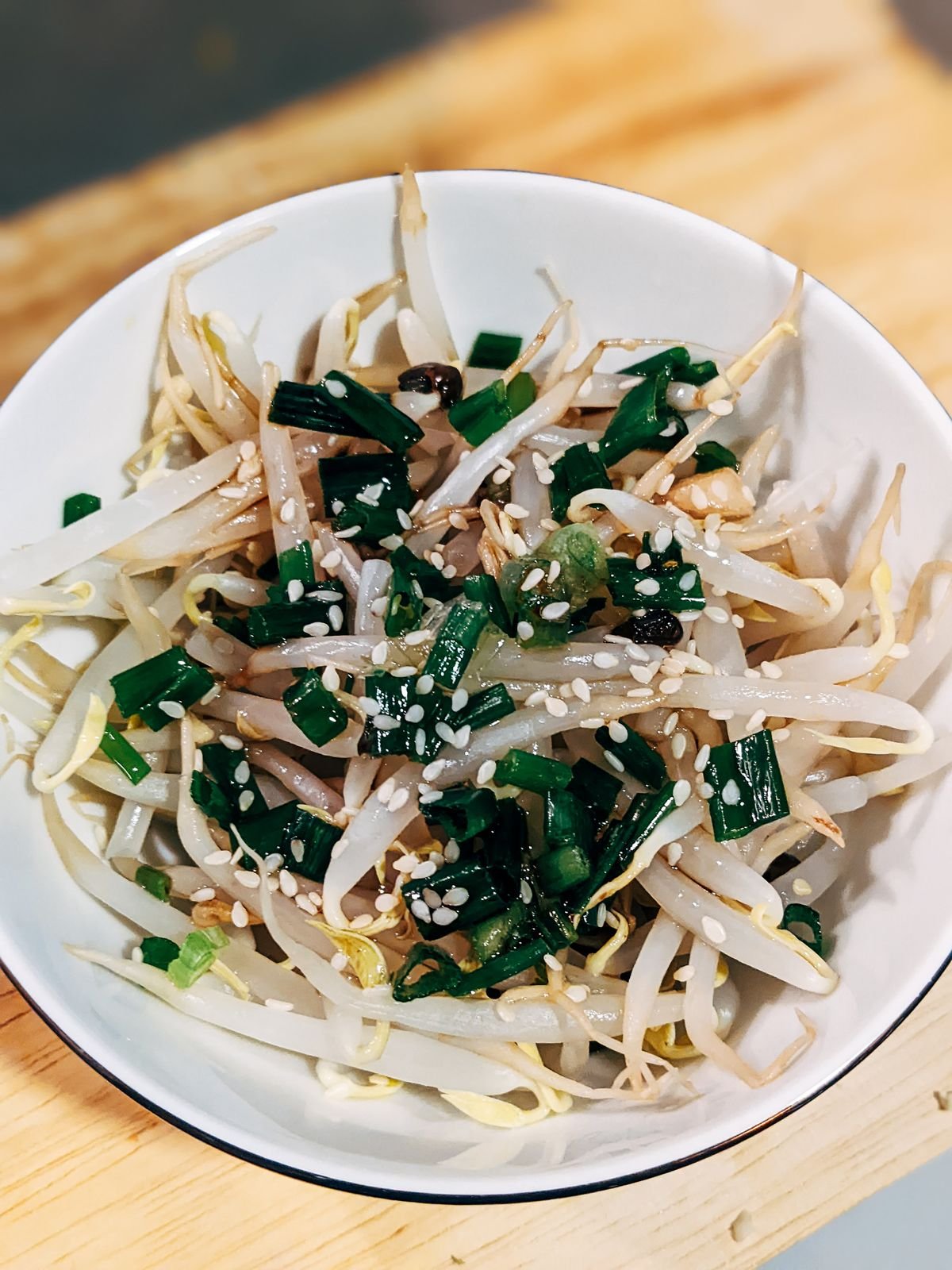
Goma Ae is one of Japan's simplest and most loved side dishes: tender spinach tossed in a rich sesame dressing, sweet, salty and deeply nutty. It takes 25 minutes, uses a handful of ingredients, and sits happily next to rice, grilled fish or a bowl of noodles. It is quiet food, and it is very good.
The story behind Goma Ae
Goma means sesame, and ae means dressed or tossed, so the name tells you exactly what the dish is: vegetables dressed in sesame. Sesame has been grown in Japan for over a thousand years, and the dressing, made by grinding toasted seeds with soy sauce and sugar, is one of the oldest flavourings in Japanese cooking. It appears in temple food, home cooking and restaurant menus alike. The mortar used to grind the sesame, called a suribachi, has ridges inside that crush the seeds efficiently, and it is a common tool in Japanese kitchens.
The dish comes from the tradition of small side dishes, or okazu, that fill a Japanese table alongside rice and soup. A meal in Japan is rarely a single plate; it is rice, soup, a main dish, and several small sides, each with its own flavour and texture. Goma ae is one of the most common of those sides, made with spinach in spring, green beans in summer, and broccoli in winter. Sesame dressing is also used for green beans, broccoli and asparagus, and the same dressing can be made in a larger batch and kept for a few days.
What makes it special is the sesame dressing. Toasted seeds ground in a mortar release their oils and turn into a paste that is rich, nutty and almost creamy, without any cream at all. The soy sauce adds salt and depth, the sugar rounds the edges, and the spinach brings a fresh, green bite. The dressing clings to every leaf, so each mouthful is full of flavour. The dish is part of the traditional Japanese meal structure, where small sides balance the rice and soup, and each one has a distinct flavour.
Cook it when you want a quick, healthy side dish that goes with almost anything Japanese. It suits a weeknight dinner of rice and grilled fish, a bento box lunch, or a larger spread of small dishes for friends. Make it just before serving, while the spinach is still bright green and the dressing is fresh. In spring, the dish is often made with nanohana, or rapeseed flowers, which have a slightly bitter, mustard-like flavour that suits the sweet dressing.
- Prep time
- 15 mins
- Cook time
- 10 mins
- Total time
- 25 mins
- Servings
- 4 servings
- Calories
- 180
Ingredients
- 400 g fresh spinach, washed well
- 4 tablespoons white sesame seeds
- 2 tablespoons soy sauce
- 1 tablespoon sugar
- 1 tablespoon mirin
- 1 teaspoon sesame oil (optional)
- A pinch of salt
- Toasted sesame seeds, to serve
Instructions
- Bring a large pot of water to a boil and add a pinch of salt. Add the spinach in two batches, pushing it down with tongs, and cook for 1 minute only, until the leaves wilt and turn bright green. Do not cook it longer, or the spinach will lose its colour and go soft. Wash the spinach in several changes of cold water, since grit hides in the leaves and no one wants a crunchy surprise in the dressing.
- Lift the spinach out with tongs and drop it straight into a bowl of cold water. This stops the cooking at once and keeps the leaves bright green. Leave it for 1 minute, then lift it out and squeeze it firmly with your hands to remove as much water as you can. Use a large bowl of cold water with a few ice cubes, which stops the cooking faster and keeps the leaves bright green.
- Squeeze the spinach again, a handful at a time, until it forms a compact ball with no water dripping from it. This step matters: wet spinach waters down the dressing and makes the dish taste thin. Cut the squeezed spinach into pieces about 4 cm long. Squeeze the spinach over the sink, a handful at a time, and press it between your palms until no more water drips out.
- Toast the sesame seeds in a dry frying pan over medium heat for 2 to 3 minutes, shaking the pan often. The seeds are ready when they smell nutty and a few start to pop and turn pale gold. Tip them into a mortar or a small bowl at once, so they do not keep cooking in the hot pan. Shake the pan constantly while the seeds toast, since they can go from pale to burnt in seconds if they sit still.
- Grind the warm seeds in the mortar with a pestle, using a circular motion, until about half of them are crushed into a coarse paste and the rest are still whole. You should see a little oil glistening in the paste. A food processor works too, but pulse it briefly so the seeds do not turn to butter. Grind the seeds in small circles with the pestle, pressing down firmly, and stop when about half are crushed to a paste.
- Stir the soy sauce, sugar and mirin into the ground sesame, mixing until the sugar dissolves and the dressing is thick and glossy. Taste it: it should be nutty, salty and a little sweet, with the sesame flavour well forward. Add the sesame oil if you are using it.
- Taste the dressed spinach and add a little more soy sauce or sugar if the flavour needs balancing.
- Put the cut spinach in a bowl and pour the dressing over it. Toss gently with your hands or chopsticks, so every leaf is coated but the spinach is not crushed. Serve at once in small bowls, scattered with a few extra toasted sesame seeds.
Pro tips
- Squeeze the spinach very dry. Any water left in the leaves thins the dressing and makes the whole dish taste washed out. Squeeze it twice, hard, until no more water comes out. If the spinach is very wet after squeezing, wrap it in a clean tea towel and twist it, which removes the last of the water.
- Toast the sesame seeds yourself. Pre-toasted seeds from a packet lose their smell quickly, and the dressing depends on that warm, nutty aroma. Two minutes in a dry pan makes all the difference. Buy sesame seeds from a shop with a fast turnover, since old seeds taste stale and will not give the dressing its nutty aroma.
- Grind the seeds while they are still warm. Warm seeds release their oils more easily and grind into a richer paste. Cold seeds stay dry and the dressing tastes thin and gritty. Taste the dressing with a leaf of spinach before you toss the whole batch, so you can adjust the salt or sweetness.
- Cook the spinach for only 1 minute. It wilts fast, and even 30 seconds too long turns it dull and soft. Have the cold water ready before the spinach goes into the pot, so you can stop the cooking at once. Use white sesame seeds for the classic flavour, since black seeds are stronger and will darken the dressing.
- Dress the spinach just before serving. The dressing soaks into the leaves over time, and after an hour the spinach turns soft and the colour fades. Make it fresh and serve it straight away.
Variations & serving ideas
For a different vegetable, use green beans, broccoli or asparagus in place of the spinach. Blanch green beans for 3 minutes, broccoli for 2 minutes, and asparagus for 2 minutes, then cool and squeeze or drain them well. The sesame dressing works with any tender green vegetable. A little grated ginger in the dressing adds warmth and freshness, though you should use only a small amount so it does not overpower the sesame.
Add a spoonful of miso paste to the dressing for a deeper, more savoury flavour. White miso is best, as it is mild and sweet, and it blends smoothly into the ground sesame. Reduce the soy sauce slightly if you add miso, since both are salty. For a richer dressing, add a spoonful of tahini along with the ground sesame, which makes the dressing smoother and even nuttier.
Swap the sugar for a teaspoon of honey if you like a rounder sweetness. Honey dissolves easily into the warm dressing and adds a gentle floral note. Keep the amount small, as the dressing should be nutty first and sweet second. Blanched carrots, cut into thin sticks, also work well with this dressing, and their sweetness pairs nicely with the soy and sugar.
Serve it as a side dish with steamed rice, miso soup and grilled fish or chicken, or as part of a bento box. It also works next to noodles or a simple stir-fry. A cup of green tea is the classic partner, and the meal needs nothing more than the dressing's quiet richness. If you like a little heat, add a pinch of shichimi togarashi to the finished dish, which gives a gentle warmth without changing the flavour.
Getting it right
The key technique is grinding the sesame seeds. Toasted seeds ground in a mortar release their oils and turn into a paste that coats the spinach and carries the flavour. Grind about half the seeds to a paste and leave the rest whole, so the dressing has both smoothness and crunch. If you grind them all, the dressing turns heavy. If you grind none, it tastes thin. The seeds should be ground until they look like coarse sand, with some whole seeds left for texture, and the paste should smell strongly of sesame.
Heat and timing matter in two small steps: the spinach blanch and the seed toasting. The spinach needs exactly 1 minute in boiling water, then cold water at once. The seeds need 2 to 3 minutes in a dry pan, shaken often, until they smell nutty. Both steps are short, and both are easy to overdo, so stay at the stove and watch them. The sugar should be dissolved fully into the dressing before you toss it with the spinach, or it will taste gritty and uneven.
The common mistake is wet spinach. Even a little water left in the leaves thins the dressing and makes the dish taste bland. Squeeze the spinach hard, twice, and cut it only after it is dry. If the finished dish tastes flat, it usually needs a little more soy sauce or a pinch more sugar, so taste the dressing before you toss it. The spinach should be cut after it is squeezed, not before, since cut leaves are harder to squeeze dry and hold more water.
Storing & reheating
Goma ae is best eaten fresh, within an hour of making it. The spinach stays bright and the dressing stays thick and glossy. If you have leftovers, keep them covered in the fridge for up to 1 day, but the spinach will soften and the colour will fade. Keep the undressed spinach and the dressing in separate containers, so you can toss them together fresh each time you serve the dish.
To plan ahead, blanch and squeeze the spinach up to a day in advance and keep it wrapped in the fridge. Toast and grind the sesame seeds and mix the dressing separately, then toss everything together just before serving. Do not freeze the finished dish, as the spinach turns limp when thawed. The dressing alone keeps for 2 days in a sealed jar in the fridge, and it can be used on other vegetables as well.
Frequently asked questions
What does goma ae mean?
Goma means sesame and ae means dressed or tossed, so the name means vegetables dressed in sesame. It is one of the oldest side dishes in Japanese cooking, made with spinach, green beans or broccoli. The name is made of two words: goma, meaning sesame, and ae, meaning dressed or tossed, so it describes exactly how the dish is made.
Can I use frozen spinach?
Yes, though fresh tastes better. Thaw frozen spinach fully, then squeeze it very dry before dressing it. Frozen spinach holds a lot of water, so squeeze it twice and check that no liquid remains. Frozen spinach is convenient, but it holds more water than fresh, so squeeze it twice and check that it is fully dry before dressing.
Do I need a mortar and pestle?
A mortar gives the best result, as it crushes the seeds without turning them to butter. A small food processor works if you pulse it in short bursts, or you can crush the seeds in a bag with a rolling pin. The mortar gives a better texture with less risk of over-grinding.
Is goma ae vegan?
Yes, as long as the mirin you use is vegan. The dish is just spinach, sesame seeds, soy sauce, sugar and mirin, so it is naturally free of animal products. Mirin is made from fermented rice, and most brands are vegan, though you should check the label to be sure.
Can I make it ahead of time?
You can prepare the parts ahead, but dress the spinach just before serving. Blanch and squeeze the spinach and mix the dressing in advance, then toss them together when you are ready to eat. Dressed spinach wilts fast, so keep the two parts separate until serving time.
What do I serve with goma ae?
It is a side dish, so serve it with steamed rice, miso soup and grilled fish or chicken. It also works in a bento box, next to noodles, or as part of a larger spread of small Japanese dishes. Its nutty flavour pairs well with plain rice and simple grilled food.