Butadon Recipe
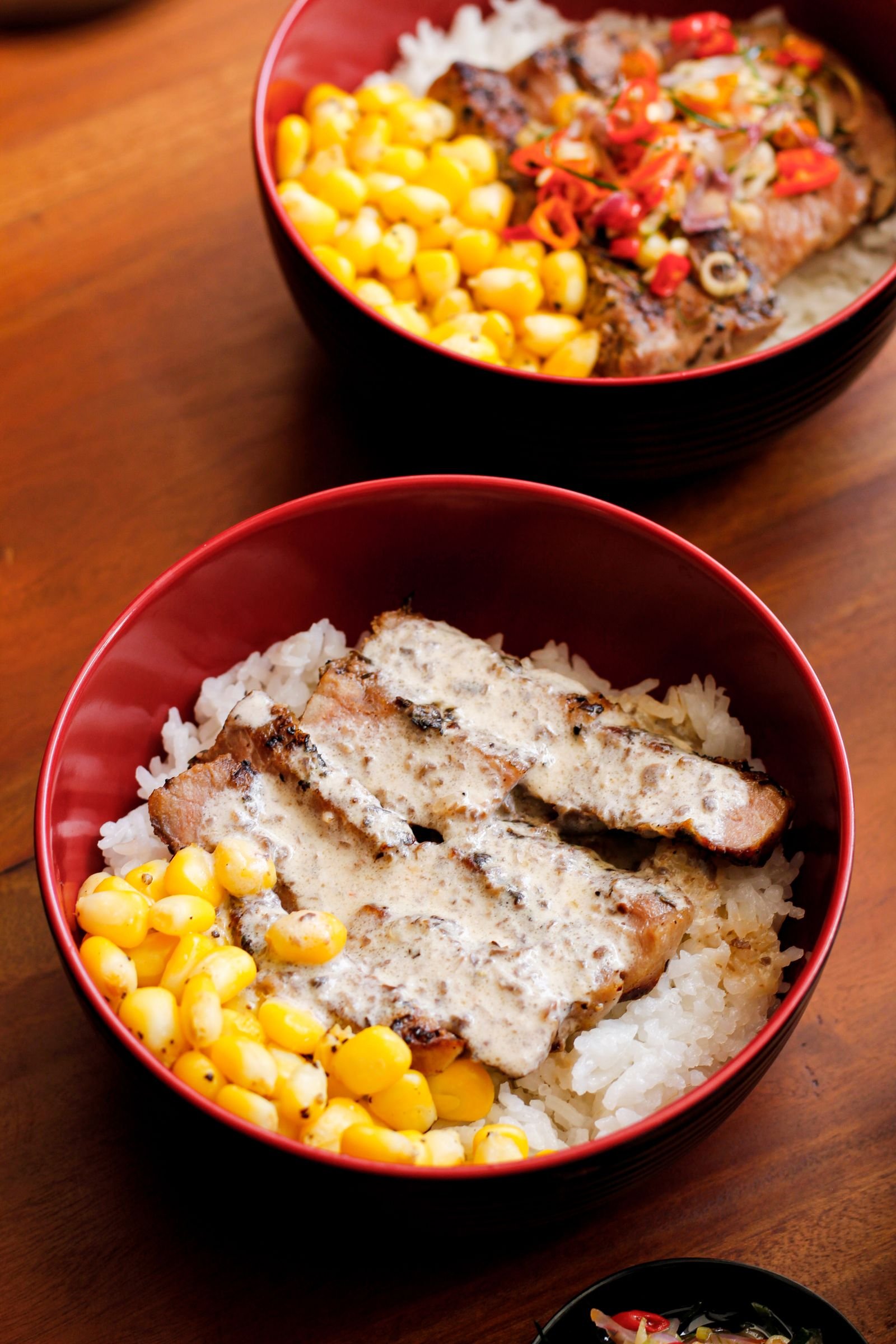
Smoky, caramelised pork piled over steaming rice with a sweet soy glaze — butadon is a Japanese rice bowl that tastes like a barbecue and a comfort dinner at once. The pork turns sticky and charred at the edges, the sauce soaks into the rice, and a soft egg on top ties it all together. It is simple food, done properly, and it disappears fast.
The story behind Butadon
Butadon comes from Obihiro, a city on the island of Hokkaido in northern Japan, where it was created in the 1930s. The story goes that a local restaurant owner wanted a hearty dish for hungry workers, inspired by grilled eel over rice but made with pork instead, which was cheaper and easier to get. He grilled thick slices of pork over charcoal, brushed them with a sweet soy sauce, and laid them over rice. The dish caught on fast and became Obihiro's signature food.
In Hokkaido, butadon is a point of pride. Restaurants in Obihiro compete over their charcoal, their cut of pork and their secret sauce recipe, and visitors travel to the city just to eat it. The original shops still grill over real charcoal, and the smell of pork fat and sweet soy drifting down the street is part of the experience. Outside Hokkaido, the dish spread across Japan as a quick, filling rice bowl, the kind of meal you order when you want something hot, rich and satisfying.
What makes butadon special is the balance between the char and the sweet glaze. The pork is grilled or pan-fried until the edges crisp and caramelise, and the sauce — soy, mirin, sake and sugar — coats each slice in a glossy, sticky layer. Underneath, the plain rice soaks up the extra sauce and the pork juices, so every spoonful tastes of the grill. A soft egg or a scatter of spring onion cuts through the richness just enough.
This is a weeknight hero. The rice cooks itself, the pork takes ten minutes in a hot pan, and the sauce comes together in the same pan. Serve it for a family meal in Australia when everyone is hungry and nobody wants to wait — it lands on the table in under an hour, smells wonderful, and there are rarely leftovers. It also travels well in a lunchbox, which is why it is a favourite for work and school the next day. Once you have made it a few times, the rhythm becomes automatic: rice on, pork in the pan, sauce bubbling, bowls built — dinner on the table before anyone has time to get impatient.
- Prep time
- 25 mins
- Cook time
- 30 mins
- Total time
- 55 mins
- Servings
- 4 servings
- Calories
- 520
Ingredients
- 600 g pork shoulder or pork belly, sliced 5 mm thick (ask your butcher)
- 2 cups short-grain rice, rinsed until the water runs mostly clear
- 2 cups water, for cooking the rice
- 80 ml soy sauce (Japanese-style)
- 60 ml mirin
- 60 ml sake (or dry sherry)
- 2 tbsp brown sugar, firmly packed
- 1 tbsp grated fresh ginger
- 2 cloves garlic, finely grated
- 1 tbsp neutral oil, for searing
- 4 spring onions, finely sliced
- 4 eggs (optional, for topping)
- 1 tsp toasted sesame seeds
- 1 tsp chilli flakes (optional, for heat)
Instructions
- Cook the rice first so it is ready and steaming when the pork is done. Rinse the short-grain rice in a bowl, changing the water until it runs mostly clear, then drain well. Put it in a rice cooker or saucepan with the water, cover, and cook until tender — about 15 minutes on the stove, then 10 minutes resting with the lid on. Fluff with a fork and keep warm.
- Make the sauce while the rice cooks. Whisk the soy sauce, mirin, sake, brown sugar, ginger and garlic together in a small bowl until the sugar starts to dissolve. This is the glaze that will coat the pork, so taste it: it should be salty, sweet and warmly gingery. Set it aside next to the stove, ready to go.
- Prepare the pork. Lay the slices out and pat them very dry with paper towel — dry meat browns, wet meat steams. Season lightly with a pinch of salt. If your slices are very large, cut them into pieces that will sit neatly over rice. Dry pork and a hot pan are the two things that make the char happen.
- Sear the pork in batches. Heat the oil in a large heavy frying pan over high heat until it shimmers and just starts to smoke. Lay the pork in a single layer without crowding and leave it alone for 2 to 3 minutes, until the underside is deep golden and the edges start to crisp. Flip and cook the other side for another 2 minutes.
- Glaze the pork in the pan. Turn the heat down to medium, pour the sauce over the pork, and let it bubble and reduce for 2 to 3 minutes, turning the slices so every piece gets coated. You will hear the sauce thicken and see it turn glossy and sticky.
- Cook the eggs if you are using them. While the pork glazes, fry the eggs sunny-side up in a little oil over medium heat for about 3 minutes, until the whites are set and the yolks are still runny. Or soft-boil them for 6 minutes, cool, peel and halve. A runny yolk melting into the rice is worth the extra pan.
- Build the bowls. Spoon hot rice into four deep bowls and press it down gently with the back of the spoon. Lay the glazed pork over the top, overlapping the slices in a neat layer, then spoon any extra sauce from the pan over the rice. Set an egg on top of each bowl.
- Finish and serve. Scatter the spring onion and sesame seeds over the pork, add chilli flakes if you like heat, and serve immediately while the pork is still sizzling-hot and the rice is steaming. Eat it with chopsticks or a spoon, mixing the egg yolk through the rice as you go.
Pro tips
- Use pork shoulder for the best balance. Belly is richer and more forgiving, but shoulder gives you meaty slices with enough fat to stay juicy, and it caramelises beautifully in a hot pan. Ask the butcher to slice it for you if you are unsure — even slices cook far more evenly.
- Do not crowd the pan. Pork slices need space to brown — if they touch, they steam instead of searing and you lose the crisp edges that make this dish so good. A second pan on another burner makes this easy when you are cooking for a crowd.
- Let the sauce reduce until it coats a spoon. A thin, watery glaze slides off the pork; a properly reduced sauce clings, shines, and soaks into the rice in the best way.
- Pat the pork dry before it hits the pan. Even a little surface moisture stops browning, so take the extra minute with paper towel — it is the difference between grey pork and golden pork.
- Serve on hot rice. The heat of the rice melts the glaze slightly and helps the sauce soak in, so time the pork to finish just as the rice comes off the heat, steaming and ready.
Variations & serving ideas
Butadon is easy to change without losing what makes it good. The classic Obihiro version uses thick pork loin grilled over charcoal, while the home version here uses shoulder in a pan — both are right. If you have a barbecue, cook the pork over direct heat and brush the sauce on during the last minute so it caramelises without burning. A hibachi or a very hot griddle gives the closest thing to the charcoal flavour.
For a lighter bowl, swap the pork for chicken thigh, sliced thin and cooked the same way — it takes the glaze beautifully and stays juicy. Tofu works too: press firm tofu, cut it into thick slices, pan-fry until golden, then glaze. The sauce is the same either way, so the bowl keeps its character. For a vegetarian version, use king oyster mushrooms sliced lengthways; they brown like meat and drink up the sauce.
If you cannot find sake, dry sherry or a splash of white wine does the job, and in a pinch you can leave it out and add a tablespoon of water instead. Brown sugar gives a deeper caramel note than white sugar, but either works. Gluten-free tamari replaces the soy sauce one for one, and the rest of the recipe is already gluten-free as written.
Serve butadon as the main event with something fresh and sharp on the side. A quick cucumber salad with rice vinegar, a small bowl of miso soup, or pickled ginger all cut through the richness. Cold green tea or a cold beer is the natural partner, and the bowl is substantial enough that you do not need much else. For a family meal, put the pork and rice in the middle of the table and let everyone build their own bowl — it turns dinner into a small event. A splash of chilli oil over the finished bowl adds warmth without changing the character of the dish, and a few slices of pickled cucumber on the side give a cool, sharp contrast to the sweet, smoky pork. Leftover pork is excellent the next day, sliced cold over rice or tucked into a sandwich with pickles.
Getting it right
The technique that matters most is the sear. Butadon lives or dies on the pork getting properly browned before the sauce goes in, because the sauce alone cannot create the charred, smoky flavour. The pan must be very hot — the oil should shimmer and the first slice should sizzle loudly the second it touches the metal. If it only hisses quietly, the pan is not hot enough; take the pork out, let the pan recover, and start again.
Heat control after the sauce goes in is the second skill. The sauce has sugar in it, so it can burn fast if the heat stays high. Drop to medium the moment the sauce hits the pan, and keep the pork moving so the glaze coats evenly instead of catching in one spot. You are looking for a bubbling, syrupy sauce that clings to the meat. If it thickens too fast and starts to darken at the edges, splash in a tablespoon of water and pull the pan off the heat.
The most common mistake is adding the sauce too early. If the pork simmers in the sauce from the start, it never browns properly and the texture turns soft and grey. Sear first, glaze second — always in that order. The other mistake is slicing the pork too thick: slices over a centimetre thick stay pale in the middle while the outside burns. Aim for about 5 millimetres, and if your butcher sells it pre-sliced for barbecue, that is exactly what you want.
Storing & reheating
Leftover butadon keeps well. Store the pork and rice separately in sealed containers in the fridge for up to three days — the pork in its sauce, the rice plain. Keeping them apart stops the rice going soggy. The glazed pork also freezes well for up to a month; portion it into containers with a little extra sauce so it stays moist.
To reheat, warm the pork gently in a pan over medium heat with a splash of water, just until it is hot through — high heat will dry it out and burn the sugary glaze. Reheat the rice with a sprinkle of water in the microwave, covered, for two minutes. A fresh fried egg and fresh spring onion on top make the reheated bowl taste close to new. Do not reheat the pork more than once.
Frequently asked questions
What cut of pork is best for butadon?
Pork shoulder is the best all-round choice: meaty, juicy and it caramelises well. Pork belly is richer and more traditional in some shops, while loin is leaner and dries out faster. Ask your butcher to slice it about 5 mm thick. It is worth getting this part right, because it shapes the whole bowl.
Can I make butadon on the barbecue?
Yes, and it is closer to the original charcoal-grilled version. Cook the pork over direct high heat, then brush the sauce on during the last minute so it caramelises without burning. Build the bowls the same way as the pan version. It is worth getting this part right, because it shapes the whole bowl.
Can I make the sauce ahead of time?
Yes. The sauce keeps in a sealed jar in the fridge for up to a week. Warm it gently before using, and give it a good shake or stir — the sugar can settle at the bottom of the jar. It is worth getting this part right, because it shapes the whole bowl.
Is butadon gluten-free?
Not as written, because soy sauce contains wheat. Swap in gluten-free tamari one for one and the rest of the dish is naturally gluten-free. Always check your mirin and sake labels too, just to be safe. It is worth getting this part right, because it shapes the whole bowl.
Can I use chicken instead of pork?
Yes. Boneless chicken thigh, sliced thin, works beautifully with the same sauce and the same method. Cook it until golden and cooked through, then glaze in the pan exactly as you would the pork. It is worth getting this part right, because it shapes the whole bowl.
Where can I buy the ingredients in Australia?
Short-grain rice, soy sauce, mirin and sake are in the Asian aisle of most large supermarkets. Asian grocers have a wider range, including pre-sliced pork for barbecue, which saves a good deal of prep time. It is worth getting this part right, because it shapes the whole bowl.