Aji Furai Recipe
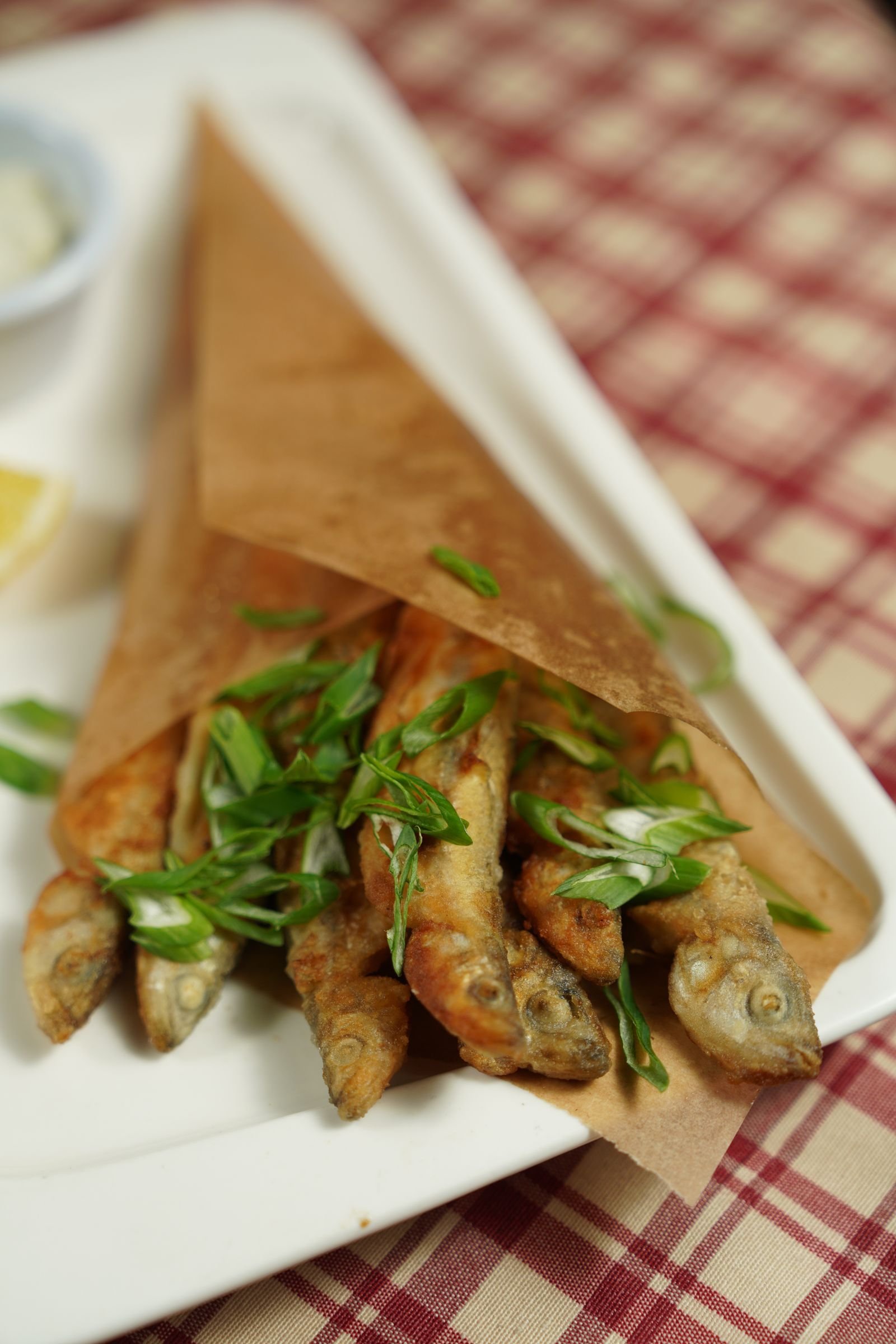
Crisp panko outside, soft and juicy horse mackerel inside — aji furai is the fried fish Japan reaches for again and again. The fillets fry in minutes, the crust stays golden and light, and a squeeze of lemon with shredded cabbage turns it into a proper set meal. Serve it hot with rice, tonkatsu sauce and tartar sauce, and you have a weeknight dinner that tastes like a seaside restaurant.
The story behind Aji Furai
Aji furai arrived in Japan with the wave of Western-style cooking that spread after the country opened its ports in the nineteenth century, and it took hold fast. Cooks took the European idea of breaded fried fish and made it their own with panko, the light, airy breadcrumb that fries up crisper and less greasy than anything else. Horse mackerel, called aji, was the natural fish for the job: it swims in huge numbers around the Japanese coast, it is cheap, and its oily flesh stays moist under high heat. The dish spread from port towns to home kitchens, and by the mid-twentieth century it was a fixed part of the everyday menu.
Today you will find aji furai everywhere in Japan, and that is part of its charm. It turns up in teishoku set meals beside rice, miso soup and pickles, tucked into bento boxes, and piled on plates in izakaya pubs where it is eaten with beer. Supermarket deli counters sell it by the piece, and the port town of Matsuura in Nagasaki proudly calls itself the holy land of aji fry. It is a working dish, the kind of food people eat on ordinary Tuesdays and still look forward to.
What sets aji furai apart is the way the fish is opened out before it is breaded. The fillet is butterflied so it lies flat, the skin stays on, and the tail is left attached as a neat little handle. A thin coat of flour, egg and fine panko gives a shell that shatters when you bite it, while the flesh inside stays soft and full of the clean, slightly sweet taste of fresh mackerel. The oil in the fish does the quiet work here: it keeps the meat from drying out, so even a minute too long in the pan is forgiving.
Cook it when you spot fresh horse mackerel at the fish counter and want dinner on the table in half an hour. It suits a relaxed weeknight, a lunchbox that needs something solid, or a small gathering where everyone can squeeze their own lemon and pick their own sauce. With shredded cabbage and rice, it eats like a proper meal rather than a snack. If your guests like fish and chips, this is the Japanese version they will ask you to make again.
- Prep time
- 25 mins
- Cook time
- 15 mins
- Total time
- 40 mins
- Servings
- 4 servings
- Calories
- 520
Ingredients
- 4 whole horse mackerel (about 150 g each), cleaned and butterflied, or 8 fillets
- 1 teaspoon fine sea salt
- 1/2 teaspoon black pepper
- 3 tablespoons plain flour
- 1 large egg, beaten
- 1 cup fine panko breadcrumbs
- 500 ml neutral oil, such as sunflower or rapeseed, for frying
- 1 lemon, cut into wedges
- 2 cups finely shredded green cabbage
- 4 tablespoons tonkatsu sauce, to serve
- 4 tablespoons Japanese mayonnaise, to serve
- 2 tablespoons tartar sauce, to serve (optional)
Instructions
- Pat the butterflied fillets dry with kitchen paper, then run your fingertips over the flesh to find pin bones and pull them out with tweezers. Season both sides with salt and pepper and leave the fish for five minutes. Dry fish is the whole secret: a wet fillet sheds its coating in the oil.
- Set out three shallow dishes: flour in the first, beaten egg in the second, panko in the third. Keep one hand dry for flour and crumbs and the other wet for the egg, to keep your fingers clean. Line a tray with baking paper to hold the finished fillets.
- Pick up a fillet by the tail and dust both sides lightly in the flour, shaking off the excess. You want a whisper of flour, not a thick coat, because too much turns gummy under the egg and the crust slides off. The tail stays unfloured and works as a handle.
- Dip the floured fillet in the egg and let the extra drip back for a couple of seconds. Lay it on the panko, spoon crumbs over the top and press lightly so they stick. Turn it over and repeat, covering the edges, then set it on the tray and bread the rest.
- Rest the breaded fillets for five minutes while you heat the oil to 180 C. The oil is ready when a pinch of panko sizzles at once and turns golden in about thirty seconds. If the crumbs sink, the oil is too cool; if they darken in a flash, it is too hot.
- Slide two fillets into the oil, skin side down, and leave them for one minute. You will hear a strong sizzle and see the crumbs turn pale gold at the edges. Flip with tongs and fry one more minute until both sides are deep golden. Two minutes in total is enough.
- Lift the fillets out and set them on a wire rack, not on kitchen paper, so steam escapes and the underside stays crisp. Sprinkle a pinch of salt over the hot crust, then fry the next batch once the oil is back to 180 C.
- While the last batch fries, pile shredded cabbage into loose mounds on four plates with lemon wedges. The cool crunch of the cabbage cuts through the rich fish, and lemon lifts the whole plate. Put small dishes of tonkatsu sauce and mayonnaise on the table for dipping.
- Serve at once, while the crust is still crackling and the fish is steaming. Lay two fillets on each plate, leaning them against the cabbage so they stay crisp. Hand round the lemon and sauces, and eat it hot — the first bite is the best one.
Pro tips
- Ask the fishmonger to butterfly the mackerel for you. It takes them a minute, and a clean sebiraki cut makes the frying and the eating much easier. Ask them to leave the tail on, too — it works as a handle and looks good on the plate.
- Use fine panko, not coarse. The small crumbs form a thin, even shell that lets the fish shine through, while coarse crumbs make a heavy crust that hides it. If you only have coarse panko, pulse it briefly in a food processor to break it down.
- Fry in batches of two. Crowding the pan drops the oil temperature fast, and cold oil is what turns crisp panko soft and greasy. Give the oil a minute to climb back to temperature before the next batch goes in.
- Drain on a wire rack, never on flat paper. The rack lets steam escape underneath, so the bottom of the crust stays as crisp as the top.
- Serve it the moment it leaves the pan. Aji furai is at its best in the first five minutes, while the crust is still crackling and the fish is steaming inside. Set the table before you fry, so nothing waits while the fish cools.
Variations & serving ideas
Sardines make a fine version of this dish, and iwashi furai is a classic in its own right. The small fish fry whole once cleaned, and their stronger taste stands up well to the panko. Atlantic mackerel also works if you fillet it and give it an extra minute in the oil. For a milder plate, try sea bass or whiting fillets, which stay delicate and take the same coating without any change to the method. The method stays the same; only the fish and the frying time change a little.
If you want a lighter meal, bake the breaded fillets instead of frying them. Spray both sides with oil, bake at 200 C for about twelve minutes, and turn once halfway through. The crust will be paler and a little less shattering, but the fish stays moist and the dish is much lighter. An air fryer does the same job in about eight minutes and gives a crisper result than the oven. A light spray of oil before baking helps the crumbs colour, and a wire rack underneath keeps the base crisp.
Sauces are where you can play. Tartar sauce is the old favourite, but ponzu with grated daikon gives a sharper, fresher bite. A little curry salt on the hot crust adds warmth, and a dab of mustard mixed into the mayonnaise wakes the whole plate up. Try a squeeze of yuzu juice instead of lemon if you can find it; its floral sourness suits fried fish beautifully. A spoonful of grated daikon with a little soy sauce makes a light, fresh dip that suits the fish well.
Aji furai also makes a fine sandwich. Lay two hot fillets in soft white bread with shredded cabbage and tartar sauce, and you have an aji furai sando, a lunchbox favourite across Japan. It works as a topping for curry rice too, and sliced over a bowl of rice with shredded cabbage it becomes a quick donburi. However you serve it, fry it fresh and eat it hot. It also sits happily on top of a bowl of curry rice, where the sauce soaks into the crust just enough.
Getting it right
The heart of this dish is the butterfly cut, known as sebiraki. The fish is opened from the back so the two fillets stay joined at the belly, the backbone lifts out in one piece, and the fillet lies flat like an open book. Ask your fishmonger to do it if you are unsure, and watch once: the cut follows the spine, the rib bones are felt out with fingertips, and the skin is left on to hold everything together. A well-butterflied fillet fries evenly and looks beautiful on the plate.
Heat control decides whether the crust is crisp or greasy. The oil should sit at 170 to 180 C, hot enough that the panko sizzles hard the moment it touches the surface. A thermometer takes the guesswork out, but the pinch-of-panko test works well too. Fry in small batches and let the oil recover between them; every fillet you add drops the temperature, and cold oil soaks into the crumbs instead of sealing them.
The common mistakes are all easy to fix. A soggy crust usually means the oil was too cool or the pan was crowded, so fry fewer pieces and wait for the temperature to climb back. Coating that falls off points to wet fish or a skipped rest, so dry the fillets well and let the breaded pieces sit for five minutes. Dry, overcooked fish means it stayed in too long: two minutes is enough, and the fillet keeps cooking for a minute after it leaves the oil.
Storing & reheating
Cooked aji furai keeps in the fridge for up to two days in a container lined with kitchen paper. The paper soaks up moisture and slows the crust going soft, though it will never be as crisp as the moment it left the pan. Keep the cabbage and sauces separate so nothing makes the coating soggy.
To reheat, use a hot oven at 180 C for about eight minutes on a wire rack, turning once. The crust firms up again and the fish warms through without drying out. You can freeze breaded, uncooked fillets in a single layer, then bag them for up to one month and fry straight from frozen, adding one extra minute in the oil. Label the bag with the date so you know what is inside.
Frequently asked questions
What fish can I use instead of horse mackerel?
Sardines make the closest swap and are sold as iwashi furai in Japan. Atlantic mackerel works too, though its thicker fillets need an extra minute in the oil. Small sea bass or whiting also work. Pick a fish with firm flesh, and keep the skin on.
Can I make aji furai in an air fryer?
Yes, and it comes out well. Spray the breaded fillets lightly with oil, cook at 200 C for about 8 minutes, and turn them halfway so both sides crisp. The crust will not be as deep and golden as deep-fried, but the fish stays moist and the result is much lighter.
Why does my panko coating fall off in the oil?
The usual cause is moisture on the fish. Pat the fillets very dry with kitchen paper, and shake off every bit of loose flour so the egg has something to grip. Press the panko on firmly, then let the breaded fillets rest for five minutes before frying. That short rest helps the coating set.
What is the difference between furai and katsu?
Furai is the word for breaded and fried seafood, while katsu is used for breaded meat such as pork. The method is the same — flour, egg and panko, then hot oil — but the name tells you the filling. Ebi furai is prawn, kaki furai is oyster, and aji furai is horse mackerel.
Can I prepare aji furai ahead of time?
You can bread the fillets up to four hours ahead and keep them uncovered in the fridge, which helps the coating dry out and fry crisper. Fry just before eating, because the crust softens quickly once it leaves the oil. Cooked aji furai keeps for two days and re-crisps in a hot oven.
What do you serve with aji furai?
Shredded raw cabbage is the classic partner, with a lemon wedge and tonkatsu sauce on the side. Add steamed rice and a bowl of miso soup and you have a teishoku set meal. Tartar sauce is a favourite too, and a simple salad of tomato and cucumber keeps the plate fresh.