Pollo alla Cacciatora Recipe
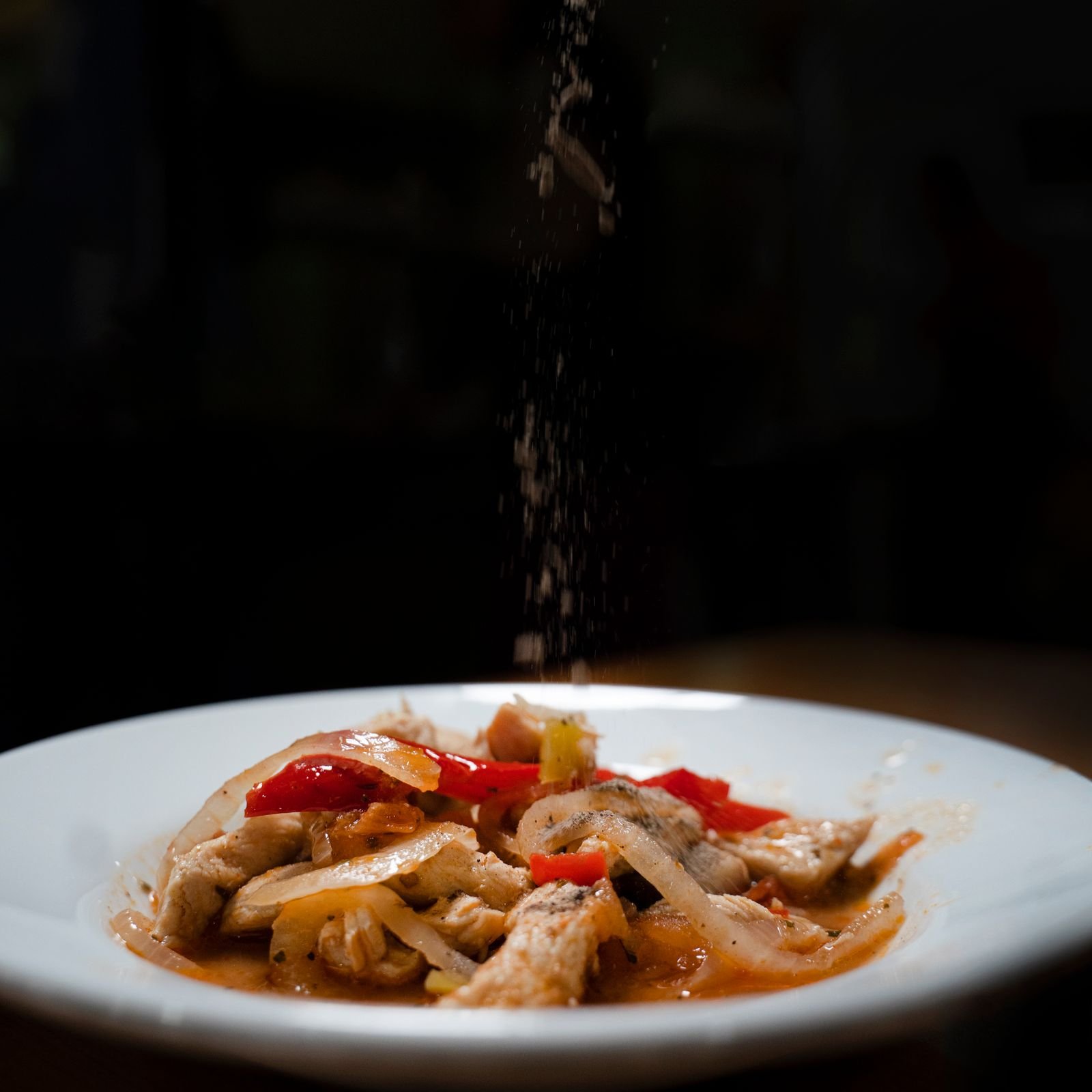
Pollo alla cacciatora is chicken braised slowly with tomatoes, peppers, mushrooms and red wine until the meat falls off the bone and the sauce turns rich and glossy. It is the kind of one-pan dinner that fills the house with a warm, savoury smell and asks for nothing more than crusty bread to mop up the sauce.
The story behind Pollo alla Cacciatora
Pollo alla cacciatora means hunter's chicken, and the name points to its roots. This is a dish from the Italian countryside, cooked in one pan from whatever the hunt or the garden provided: a chicken, tomatoes, peppers, mushrooms, a splash of wine and a few herbs. It was the kind of food made after a long day outdoors, when the cook wanted something hearty that looked after itself on the stove.
Every region of central Italy claims its own version. In Tuscany the sauce leans on red wine and rosemary. Further south, cooks add olives and capers. Some use white wine, some red, and some skip the wine altogether. The bones of the dish stay the same everywhere: chicken browned hard in olive oil, then braised slowly in a tomato sauce until the meat is tender and the sauce has thickened into something worth mopping up with bread.
What makes this dish special is how little effort it asks for the flavour it gives back. The browning builds a deep, savoury base. The wine lifts it off the pan. The tomatoes, peppers and mushrooms soften into the sauce over a long, slow simmer, and the chicken gives up its juices as it cooks, so the sauce tastes of the bird itself. It is honest food, and it tastes like the place it comes from.
Cook it on a weekend evening, when you have an hour and a house full of hungry people. It needs almost no attention once the lid goes on, which leaves you free to set the table or make a salad. Serve it in the pan at the table, with bread or pasta, and let everyone help themselves. It is the sort of dinner that turns an ordinary night into a small occasion.
- Prep time
- 20 mins
- Cook time
- 55 mins
- Total time
- 1 hr 15 mins
- Servings
- 4 servings
- Calories
- 480
Ingredients
- 1 whole chicken (about 1.5 kg), jointed into 8 pieces
- 2 teaspoons fine sea salt and 1 teaspoon black pepper, freshly ground
- 60 g plain flour, for dusting
- 3 tablespoons extra-virgin olive oil
- 1 large onion, finely sliced
- 1 red pepper and 1 yellow pepper, deseeded and cut into strips
- 250 g button mushrooms, halved
- 4 garlic cloves, thinly sliced
- 150 ml dry red wine
- 400 g tin chopped tomatoes
- 2 tablespoons tomato paste
- 1 teaspoon dried oregano
- 1 teaspoon dried oregano and 2 sprigs fresh rosemary
- 1 small handful fresh parsley, chopped
Instructions
- Pat the chicken pieces dry with kitchen paper and season them all over with the salt and pepper. Dust them lightly in the flour, shaking off the excess. Dry skin is the secret to good browning, so take your time here. Wet chicken steams instead of browning, and you lose the flavour that comes from a crisp, golden skin.
- Heat the olive oil in a large, deep pan or Dutch oven over medium-high heat until it shimmers. Lay the chicken pieces in skin side down, leaving space between them, and do not move them for five minutes. You want a deep golden crust. Turn each piece and brown the other side for four minutes, then lift the chicken out onto a plate. Work in two batches if your pan is crowded.
- Turn the heat down to medium and add the onion to the same pan, scraping up the browned bits from the bottom as you stir. Cook for three minutes until the onion softens and turns translucent. Add the peppers and mushrooms and cook for five more minutes, until the peppers soften at the edges and the mushrooms give up their liquid and start to colour.
- Add the garlic and cook for one minute, just until it smells fragrant. Garlic burns quickly, so keep it moving. Stir in the tomato paste and cook it for another minute until it darkens a shade and smells sweet rather than raw. This short fry is what gives the sauce its depth instead of a sharp, tinny tomato taste.
- Pour in the red wine and let it bubble hard for two minutes, scraping the bottom of the pan as it reduces by about half. The wine lifts all the browned flavour off the pan and into the sauce. Add the chopped tomatoes, oregano and rosemary, and season with a little more salt and pepper. Stir well and bring it to a gentle simmer.
- Return the chicken to the pan, skin side up, nestling the pieces into the sauce so the meat is covered but the skin stays above the surface. This keeps the skin from going soggy while the meat cooks through. Put the lid on, turn the heat to low, and simmer for 40 minutes. The sauce should barely bubble, with a slow, lazy plop every few seconds.
- Lift the lid and stir in the olives. Taste the sauce and add salt or a pinch of sugar if the tomatoes are sharp. Replace the lid and cook for 10 more minutes, until the chicken is tender enough to pull from the bone with a fork and the sauce has thickened to a rich, glossy coat that clings to a spoon.
- Take the pan off the heat and let it rest for five minutes. Fish out the rosemary sprigs and scatter the chopped parsley over the top. Serve straight from the pan at the table, with the sauce spooned generously over each piece. Crusty bread, pasta or soft polenta all work well underneath, and a simple green salad is all you need on the side.
Pro tips
- Pat the chicken completely dry before seasoning. Dry skin browns in the pan; damp skin steams and stays pale.
- Brown the chicken in batches if the pan is crowded. Pieces packed together steam each other and never get a proper crust.
- Fry the tomato paste for a full minute before adding the wine. This cooks out its raw, tinny taste and deepens the sauce.
- Keep the chicken skin above the sauce while it braises, so it stays crisp instead of going soft.
- Let the dish rest for five minutes off the heat before serving. The sauce thickens slightly and the flavours settle.
Variations & serving ideas
The classic version uses tomatoes, peppers and mushrooms, but the dish welcomes whatever you have. Try adding a handful of capers with the olives for a sharper, saltier edge, or stir in a spoonful of anchovy paste with the garlic for a deeper savoury note. In autumn, add chunks of butternut squash or a few potatoes to the pan, and they will cook in the sauce alongside the chicken.
If you prefer a lighter sauce, use white wine instead of red and leave out the tomato paste. The result is brighter and more delicate, and it works well in summer with a glass of the same white wine. For a richer version, finish the sauce with a knob of butter stirred in at the end, which gives it a silky shine and rounds off the acidity of the tomatoes.
Serve the chicken over pasta, polenta or mashed potatoes, or simply with a loaf of crusty bread and a green salad. It also works well spooned into a sandwich the next day, pulled off the bone and piled into a roll with some of the sauce. If you are feeding a crowd, the recipe doubles easily in a larger pot, and it tastes even better when made a day ahead.
For a quicker weeknight version, use boneless thighs and cut the simmering time to 25 minutes. The flavour will not be quite as deep as the slow-braised version, but it is still a proper cacciatora. Keep the browning step, because that is where most of the flavour comes from, and do not skip the wine, even if you only have a small glass left in the bottle.
Getting it right
Browning the chicken properly is the most important step in this dish, and it is the one people rush. The pan must be hot and the chicken must be dry, or the skin will steam instead of crisping. Leave the pieces alone once they are in the pan. Five minutes without touching them feels long, but that is how the crust forms. If you move them too soon, the skin tears and sticks, and you lose the flavour that browning creates.
Heat control during the braise is just as important. The sauce should simmer lazily, with a slow bubble breaking the surface every few seconds, and the lid should stay on. If the heat is too high, the sauce reduces too fast, the chicken dries out, and the bottom of the pan catches. If it is too low, the chicken never quite gets tender. Check every ten minutes and adjust the flame so the simmer stays gentle.
The most common mistake is adding the garlic too early, which lets it burn and turn bitter. Garlic needs only a minute, so add it after the peppers and mushrooms have softened. The other mistake is drowning the chicken in sauce. The meat should sit in the sauce, but the skin should stay above the surface, or it turns soft and flabby. Keep the sauce at a level that covers the meat and leaves the skin proud.
Storing & reheating
Cool the chicken quickly and keep it in a covered container in the fridge for up to three days. It often tastes even better the next day, once the sauce and the chicken have had time to settle together. Reheat it gently in a covered pan over low heat, adding a splash of water or stock if the sauce has thickened too much, and bring it to a steady simmer before serving.
You can freeze pollo alla cacciatora for up to three months in a sealed container, sauce and all. Thaw it overnight in the fridge and reheat it slowly on the stove. The peppers and mushrooms soften a little more after freezing, but the flavour holds up well. Scatter fresh parsley over the top when you serve it, to bring back a little brightness.
Frequently asked questions
Can I use chicken thighs instead of a whole chicken?
Yes, thighs are actually the best choice for this dish, because they stay juicy through a long braise. Use bone-in, skin-on thighs and follow the same method. A whole jointed chicken also works well. Boneless breasts will dry out, so if you use them, add them for only the last 20 minutes.
Should I use red or white wine?
Either works, and the choice is regional. Red wine gives a deeper, richer sauce, while white wine keeps the flavours brighter and lighter. Use a dry wine you would happily drink, and never a sweet one. The alcohol cooks off during the long simmer, leaving only flavour behind.
What should I serve with pollo alla cacciatora?
Both are good, and the choice is yours. Pasta catches the sauce beautifully, while polenta gives a softer, more comforting base. Crusty bread is the simplest option and lets you mop up every drop. Serve the chicken in the pan at the table and let people help themselves.
Can I make this dish ahead of time?
Yes, and it often tastes better the next day, once the flavours have settled. Cool it quickly, cover it and keep it in the fridge for up to three days. Reheat it gently in a covered pan over low heat, adding a splash of water or stock if the sauce has thickened too much.
Why did my sauce dry out during cooking?
The most common cause is heat that is too high. The sauce should barely bubble, with a lazy plop every few seconds. If it boils hard, the chicken toughens and the sauce reduces too fast. Keep the lid on and the heat low, and check every ten minutes to make sure it is only simmering.
Can I freeze pollo alla cacciatora?
Yes, it freezes well for up to three months in a sealed container. Thaw it overnight in the fridge and reheat it gently on the stove. The peppers and mushrooms soften a little more after freezing, but the flavour stays good. Add a handful of fresh parsley when you serve it to brighten it up.