Lasagne alla Bolognese Recipe
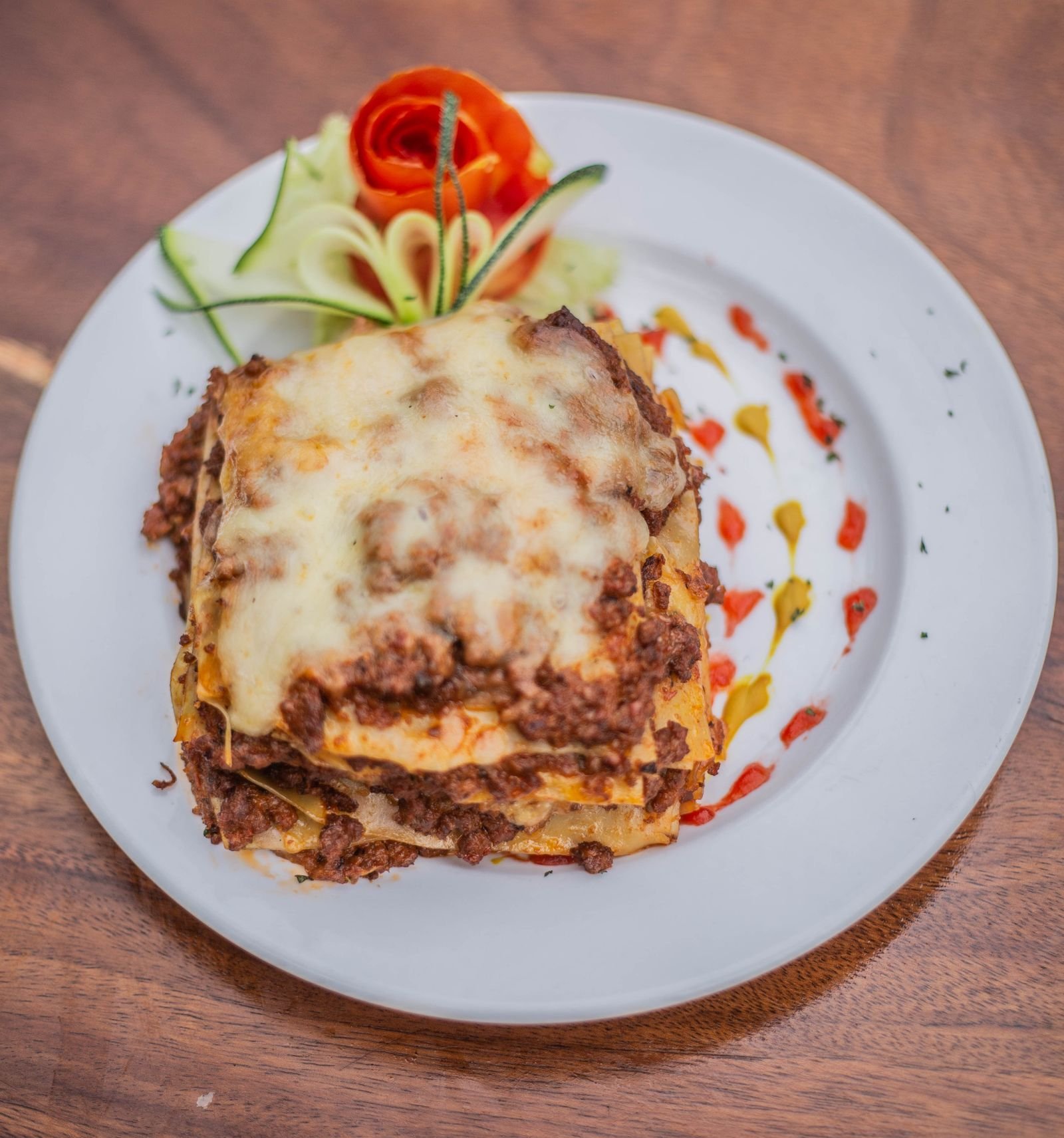
Layers of tender egg pasta, slow-cooked beef ragu and creamy bechamel come together in this classic Lasagne alla Bolognese. It bakes until the top turns golden and bubbling, then rests into neat, generous slices. This is the dish to make when you want a real Italian Sunday dinner at home. It is rich without being heavy, and the leftovers taste even better the next day.
The story behind Lasagne alla Bolognese
Lasagne alla Bolognese comes from Emilia-Romagna, the region in northern Italy that also gave the world Parmigiano-Reggiano and fresh egg pasta. The dish grew out of the kitchens of Bologna, where cooks layered wide sheets of pasta with a long-simmered meat ragu and bechamel sauce. Early versions were simpler, but the form we know today took shape in the 19th and 20th centuries, when the ragu became the star and bechamel replaced the ricotta used further south. The ragu itself was formally defined by the Italian Academy of Cuisine in 1982, with beef, pork, tomato, onion, carrot, celery, wine and milk among its ingredients.
In Bologna, lasagne is Sunday food and celebration food. Families gather around a big baking dish, and the cook who makes it well earns a quiet kind of respect. The dish shows up at Christmas, at birthdays and at long lunches that stretch into the afternoon. It is never rushed. The ragu simmers for hours, the pasta is rolled thin, and the whole thing is assembled with care before it goes into the oven.
What makes this version special is the balance between its three parts. The ragu brings deep, savoury flavour from beef, pork, tomato and a splash of milk that softens the acidity. The bechamel adds a smooth, gentle richness that holds the layers together. The pasta itself, made with egg, turns tender without falling apart, so each slice keeps its shape on the plate. Parmigiano on top gives the finish a salty, nutty crust.
Cook this lasagne when you have an afternoon to spare and people you like coming over. It feeds a crowd, it tastes even better the next day, and it fills the house with the smell of simmering beef and tomato. Make the ragu in the morning if you can, assemble in the afternoon, and let the finished dish rest ten minutes before you cut it. That rest is what turns a good lasagne into a great one. If you can, make the ragu a day ahead; the flavours settle overnight and the sauce tastes rounder and deeper the next day.
- Prep time
- 30 mins
- Cook time
- 1 hr 15 mins
- Total time
- 1 hr 45 mins
- Servings
- 6 servings
- Calories
- 650
Ingredients
- 500 g minced beef and 250 g minced pork
- 1 onion, 1 carrot and 1 celery stalk, finely chopped
- 2 garlic cloves, minced
- 400 g canned chopped tomatoes
- 2 tbsp tomato paste
- 120 ml whole milk
- 120 ml dry white wine
- 9 fresh lasagne sheets
- 60 g butter and 60 g plain flour, for the bechamel
- 600 ml whole milk, for the bechamel
- 80 g Parmigiano-Reggiano, finely grated
- 2 tbsp olive oil
- Salt and black pepper, to taste
Instructions
- Warm the olive oil in a large heavy pot over medium heat. Add the onion, carrot and celery and cook for 8 to 10 minutes, stirring often, until the vegetables soften and the onion turns translucent. You want them sweet and soft, not browned.
- Raise the heat to medium-high and add the beef and pork. Break the meat up with a wooden spoon and cook for 8 to 10 minutes until it browns all over and the pan smells rich and savoury. Pour in the wine and let it bubble for 2 minutes, scraping the bottom of the pot.
- Stir in the tomato paste, chopped tomatoes and a good pinch of salt. Turn the heat down low, cover the pot partway, and simmer gently for 45 minutes. The sauce should blip softly and thicken until a spoon dragged through it leaves a clear trail.
- Pour in the 120 ml milk, stir it through, and simmer 10 minutes more. Taste and adjust the salt and pepper. The ragu should taste mellow and deep, with the milk taking the sharp edge off the tomato.
- Make the bechamel while the ragu simmers. Melt the butter in a saucepan over medium heat, whisk in the flour and cook for 1 minute until it smells faintly nutty. Pour in the milk a little at a time, whisking constantly, and cook for 5 to 6 minutes until the sauce coats the back of a spoon. Season with salt and a pinch of nutmeg if you like.
- Heat the oven to 190C (170C fan). Spread a thin layer of ragu over the base of a 30 x 20 cm baking dish, then a spoonful of bechamel. Lay 3 lasagne sheets on top, trimming them to fit. Repeat the layers twice more, finishing with ragu, bechamel and a generous shower of Parmigiano.
- Cover the dish loosely with foil and bake for 35 minutes. The sauce should be bubbling at the edges when you peek under the foil. Remove the foil and bake 15 minutes more until the top is golden and blistered in places.
- Take the lasagne out of the oven and let it rest for 10 to 15 minutes before cutting. This rest lets the layers set, so your slices hold together instead of sliding apart. Cut into squares with a sharp knife and serve hot.
- Serve with a simple green salad and crusty bread. The salad cuts through the richness, and the bread is there for the sauce left on the plate. A glass of red wine, if you drink it, suits the ragu well. Keep a little extra Parmigiano on the table for anyone who wants more.
Pro tips
- Use fresh lasagne sheets if you can find them; they turn silky in the oven and need no pre-boiling. Dried sheets work too, but give them a quick 1-minute dip in boiling water first so they soften evenly.
- Let the ragu simmer low and slow. A hard boil makes the meat tough and the sauce sharp, while a gentle simmer builds the deep flavour this dish is known for. Stir the ragu now and then so it does not catch on the bottom of the pot.
- Do not overload the dish with bechamel. A thin, even layer between the pasta sheets is enough to bind everything without turning the lasagne heavy or wet. A wooden spoon is best for stirring, since it will not scratch the pot.
- Grate your own Parmigiano-Reggiano rather than buying pre-grated cheese. Freshly grated cheese melts better and tastes far more nutty and complex.
- Resting the lasagne before slicing is not optional. Ten minutes of patience gives you clean layers; cutting too soon gives you a delicious but messy pile. If you cut it too soon, the layers slide apart and the cheese runs; ten minutes of patience gives you clean, neat squares.
Variations & serving ideas
Swap the pork for more beef, or use a mix of beef and Italian sausage with the casings removed for a richer ragu. A splash of red wine works in place of white, and a little pancetta fried with the vegetables adds a smoky depth. For a lighter version, use half the bechamel and add a layer of wilted spinach between the pasta sheets; the spinach brings colour and a fresh, green note that balances the meat.
If someone at the table avoids dairy, a good olive oil and a cashew-based white sauce can stand in for the bechamel, though the result will taste different from the classic. Gluten-free lasagne sheets are widely available now and hold up well if you do not overcook them. Keep the layers the same and watch the baking time, since gluten-free pasta can dry out faster than wheat pasta. A little extra bechamel on the top layer keeps it moist while it bakes.
Serve lasagne as the main event with little else on the plate. A bitter-leaf salad with lemon and olive oil is the classic partner, and it cleans the palate between bites. Crusty bread helps with the sauce, and a simple tomato salad works in summer when tomatoes are at their best. Keep side dishes light so the lasagne stays the star.
Pair it with a medium-bodied red wine such as a Sangiovese or a Barbera, which have enough acidity to cut through the richness. If you prefer not to drink wine, sparkling water with lemon does the same job of refreshing the palate. Finish the meal with something simple, like fresh fruit or a small scoop of gelato, because a heavy dessert after lasagne is more than most people want. A little grated nutmeg in the bechamel is traditional in Bologna, and a splash of cream in the ragu makes it silkier still. Fresh basil is not traditional in a Bolognese lasagne, so leave it out and let the ragu speak for itself. A simple green salad with a sharp lemon dressing is the best partner, and a glass of Lambrusco, lightly sparkling, is a classic choice in Emilia-Romagna.
Getting it right
Start with the ragu, because it carries the whole dish. Brown the meat properly before adding any liquid; the dark, caramelised bits at the bottom of the pot are pure flavour. If the meat steams instead of browning, the pan is too crowded, so cook it in two batches. Add the wine while the pan is still hot so it lifts those browned bits off the bottom.
Control the heat through the whole cook. The vegetables soften over medium heat, the meat browns over medium-high, and the ragu simmers on the lowest flame that keeps it bubbling gently. A sauce that boils hard will splatter, reduce too fast and turn the meat grainy. You want a slow blip, a surface that moves lazily, and a smell that grows deeper the longer it cooks.
The most common mistake is a watery lasagne. It usually means the ragu was too thin or the bechamel too runny. Simmer the ragu until a spoon leaves a trail, and cook the bechamel until it coats a spoon thickly. Another common slip is under-seasoning the bechamel, which leaves the dish bland between layers. A pinch of salt in the bechamel itself makes a real difference, and a grating of nutmeg adds a warm background note that suits the milk and butter. Taste each part as you go and salt each layer lightly, so the finished lasagne is seasoned all the way through. Let the finished lasagne rest for ten minutes before you cut it; the layers need that time to settle, and the slices will hold their shape.
Storing & reheating
The finished lasagne keeps in the fridge for up to 4 days in a covered dish. Let it cool completely before covering, or condensation will make the top soggy. Reheat individual portions in the oven at 180C for about 20 minutes, covered with foil, until the centre is hot all the way through.
For longer storage, freeze the lasagne in portions once it has cooled. Wrap each portion tightly in cling film and then foil, and it will keep for up to 3 months. Thaw overnight in the fridge before reheating, and add a spoonful of milk or bechamel on top if the pasta looks dry. Avoid the microwave for whole portions, since it heats unevenly and can turn the pasta rubbery.
Frequently asked questions
Can I make Lasagne alla Bolognese ahead of time?
Yes, and it often tastes better for it. Assemble the lasagne up to a day ahead, cover it tightly and keep it in the fridge. Take it out 30 minutes before baking so it is not fridge-cold, then bake as usual, adding about 10 extra minutes if the centre is still cool.
Do I need to boil fresh lasagne sheets first?
No. Fresh sheets go straight into the dish and soften in the sauce as they bake. Dried sheets benefit from a quick 1-minute dip in boiling water, but many no-boil dried sheets work fine if the ragu is generous and the dish is covered with foil.
What is the difference between lasagne and lasagna?
Lasagne is the Italian plural and the spelling used in Italy, while lasagna is the American spelling. The dish is the same idea, but the Bolognese version uses bechamel and ragu, while many American versions use ricotta cheese instead. Both spellings describe layered pasta, but the fillings and sauces differ by region.
Can I freeze cooked lasagne?
Yes. Cool it fully, then freeze in portions wrapped in cling film and foil for up to 3 months. Thaw overnight in the fridge and reheat in the oven at 180C for about 20 minutes until hot through the middle.
Why did my lasagne turn out watery?
The ragu was probably too thin, or the bechamel too runny. Simmer the ragu until it holds a trail from a spoon, and cook the bechamel until it coats the spoon. Resting the lasagne for 10 minutes after baking also lets the layers set and absorb excess moisture.
Can I make this lasagne without pork?
Yes. Use all beef, or swap the pork for minced turkey or chicken. The flavour will be lighter and less rich, so add a little extra Parmigiano and a longer simmer to build depth. The method stays exactly the same.