Sev Usal Recipe
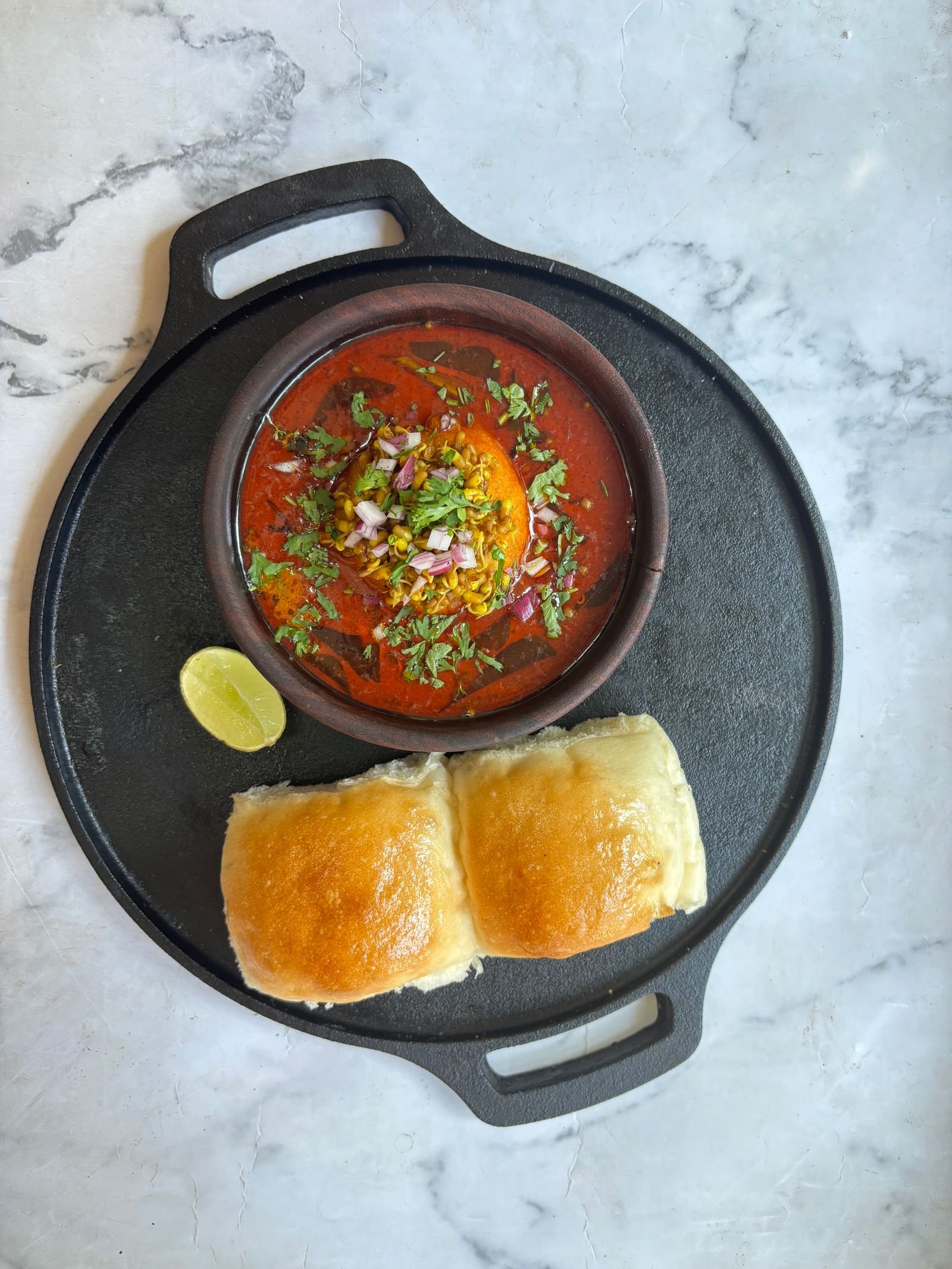
A spicy Gujarati curry of white peas simmered in a tangy tomato gravy, piled high with crunchy sev, chopped onion and fresh coriander. Sev usal is street food at its best: soft peas, sharp lemon, and a crisp topping in every spoonful. Serve it with soft pav and a glass of buttermilk.
The story behind Sev Usal
Sev usal comes from Vadodara, a city in Gujarat, where it is one of the best-loved street foods. The dish grew out of the Gujarati habit of cooking dried peas and beans into spicy gravies, then topping them with something crisp. Vendors ladle the hot usal into bowls, pile on the sev, onion and coriander, and hand it over with soft pav bread. It is cheap, filling and eaten standing up, which is exactly what street food should be.
In Gujarat, usal is everyday food as well as street food. Families cook a pot of peas in the morning, keep the gravy ready, and build bowls through the day as people come home. The sev is bought from a local shop rather than made at home, which keeps the dish quick. Each city in Gujarat has its own version, and Vadodara is the one people travel for, because the balance of spice, tang and crunch there is hard to beat.
What makes sev usal special is the contrast in the bowl. The peas are soft and the gravy is warm and spiced, while the sev stays crisp on top and the raw onion adds a sharp bite. A squeeze of lemon ties it all together, cutting through the spice and waking up the tomato. No single part is complicated, but together they make a bowl that is hard to stop eating. The pav on the side is not an afterthought either; it soaks up the gravy and turns the snack into a meal.
Cook sev usal when you want something bold and fun for lunch or a casual supper. It suits a Sunday lunch in the UK, when friends are coming over and you want food that everyone builds at the table. Set the usal in the middle, put the sev, onion and lemon in small bowls around it, and let people pile their own. It also works well as a one-pot family meal on a cold evening, with buttermilk on the side.
- Prep time
- 25 mins
- Cook time
- 30 mins
- Total time
- 55 mins
- Servings
- 4 servings
- Calories
- 380
Ingredients
- 1 cup dried white peas (vatana), soaked overnight
- 2 tablespoons oil
- 1 teaspoon cumin seeds
- 1 onion, finely chopped
- 2 tomatoes, pureed
- 1 tablespoon ginger-garlic paste
- 2 green chillies, chopped
- 1 teaspoon red chilli powder, 1 teaspoon coriander powder and 1/2 teaspoon turmeric powder
- 1/2 teaspoon garam masala, 1 teaspoon sugar and salt to taste
- 1 cup sev (crunchy chickpea noodles), 1 onion finely chopped and fresh coriander leaves, to garnish
- 1 lemon, cut into wedges, and pav bread or dinner rolls to serve
Instructions
- Rinse the soaked white peas and put them in a pressure cooker with 2 cups of fresh water and a pinch of salt. Cook for 4 to 5 whistles, about 15 minutes, until the peas are tender enough to squash between your fingers but still hold their shape. If you do not have a pressure cooker, simmer them in a covered pot for 40 to 45 minutes instead. Drain, keeping a cup of the cooking water.
- Heat the oil in a large pan over medium heat. Add the cumin seeds and let them crackle for about 30 seconds until they smell warm and nutty. Stir in the chopped onion and cook for 5 minutes until soft and golden at the edges, stirring so it does not catch.
- Add the ginger-garlic paste and green chillies and cook for one minute until the raw smell disappears. Pour in the tomato puree and cook for 6 to 7 minutes, stirring often, until the mixture darkens, thickens and the oil starts to separate at the edges. You will smell the tomatoes turn sweet and cooked rather than sharp.
- Stir in the red chilli powder, coriander powder, turmeric and garam masala. Cook for one more minute so the spices fry in the oil and lose their raw edge. Add the cooked peas with their reserved cooking water and the sugar, then season with salt. The gravy should be loose enough to ladle, like a thick soup.
- Simmer the usal for 10 minutes on low heat, stirring now and then, so the peas soak up the masala and the gravy thickens slightly. Taste and adjust the salt, sugar and chilli. The flavour should be spicy, tangy and a little sweet all at once, with the peas soft but not mushy.
- While the usal simmers, get the toppings ready. Chop the second onion fine, pick the coriander leaves, cut the lemon into wedges and put the sev in a bowl. Warm the pav in a dry pan or the oven until soft. Everything should be on the table before you ladle the usal, because the sev goes soft fast once it meets the hot gravy.
- Ladle the hot usal into deep bowls, filling each one about three-quarters full. The peas should sit in plenty of gravy, because the pav is for scooping and the sev needs moisture to cling to. Squeeze half a lemon wedge over each bowl, which brightens the whole dish at once.
- Pile a generous handful of sev over each bowl, then scatter the chopped onion and coriander on top. Serve at once, with warm pav on the side. The first spoonful should have soft peas, hot gravy and a crunch of sev together, which is exactly the mix that makes this dish work.
- Eat it while the sev is still crisp. Tear the pav, dip it into the gravy and pile a little of everything onto each piece. Add more sev as you go, rather than all at once, so every spoonful keeps its crunch. A glass of buttermilk or chaas on the side cools the heat nicely.
Pro tips
- Soak the peas overnight, no shortcuts. A short soak leaves the centres hard, and no amount of simmering fixes that evenly. If you forgot, use tinned peas or chickpeas instead of rushing the dried ones.
- Save the pea cooking water. It is full of flavour and starch, and it gives the gravy body without needing extra thickener. Add it a little at a time until the gravy is loose enough to ladle.
- Fry the tomato puree properly. It should darken, thicken and release oil at the edges before the peas go in. If the gravy still smells sharp and raw, give it another two minutes on the heat.
- Keep the toppings separate until serving. Sev, onion and coriander all lose their crunch and bite within minutes of touching hot gravy, so set them in small bowls and build each portion fresh.
- Balance the heat with sugar and lemon. A teaspoon of sugar rounds out the chilli without making the dish sweet, and lemon juice at the end brightens everything. Taste before you serve and adjust both.
Variations & serving ideas
The classic version uses white peas, but you can swap in dried chickpeas, green peas or a mix of beans without changing the method. Chickpeas give a nuttier bite and hold their shape well, while green peas cook faster and make a softer usal. Sprouted moong also works and adds a fresh, earthy note, though it needs less cooking time, so check it after 10 minutes.
If you cannot find sev, use crushed papdi, Bombay mix or even crushed plain crisps as the crunchy topping. The flavour will shift a little, but the crunch is what matters. For a milder bowl, leave out the green chillies and halve the red chilli powder, then add extra lemon and a spoon of yoghurt on top. A spoon of tamarind chutney stirred in at the end gives a sweeter, tangier version.
Serve sev usal with soft pav, buttered and warmed on a pan, which is the traditional partner. It also works with bread rolls, sliced white bread, or even rice if you prefer a plate meal. A glass of buttermilk or chaas is the classic drink, and a simple onion and cucumber salad on the side adds freshness.
This dish pairs well with other Gujarati street food. Serve it beside dhokla or khandvi as part of a snack spread, or follow it with a sweet such as shrikhand or jalebi. The usal base on its own is a useful curry too: spoon it over rice, tuck it into a wrap, or serve it with chapati for a lighter meal without the sev.
Getting it right
The skill in sev usal is getting the peas right. Soak them overnight so they cook evenly, and cook them until they are tender enough to squash but still hold their shape. Peas that are undercooked stay hard in the middle, and peas that are overcooked fall apart and turn the gravy starchy. A pressure cooker is the easiest way to control this, and the reserved cooking water adds body to the gravy, so save a cup before you drain.
Heat control matters in the masala too. Cook the tomato puree on medium heat until the oil separates at the edges, which takes a full 6 to 7 minutes. If you add the peas too early, the gravy tastes raw and sharp. Keep the heat low once the peas go in, so the usal simmers gently instead of boiling hard, which would break the peas apart and dry out the gravy.
The most common mistake is adding the sev too early. Sev soaks up gravy in minutes, so build each bowl only when you are ready to eat. Another common fault is a gravy that is too thick, which makes the dish heavy. The usal should be loose enough to ladle, so add water a splash at a time until it flows like a thick soup. If the flavour is flat, it usually needs more salt and a squeeze of lemon rather than more chilli.
Storing & reheating
The usal base keeps well in the fridge for up to 3 days in a sealed container, and the flavour actually improves overnight as the spices settle into the peas. It also freezes well for up to a month; cool it fully, pack it in portions, and leave a little room in each container for it to expand. Thaw in the fridge overnight before reheating.
Reheat the usal in a pan over medium heat with a splash of water, stirring until it bubbles. Never store the sev, onion or coriander mixed into the usal, because the sev turns soggy within minutes and the onion goes soft. Keep the toppings separate in small boxes in the fridge, and the sev in a dry jar at room temperature, then build each bowl fresh.
Frequently asked questions
Can I use tinned peas instead of dried?
Yes, use tinned white peas or chickpeas if you are short on time. Rinse them well and simmer for 15 minutes in the masala instead of 30. The texture is a little softer than soaked dried peas, but the flavour is still good.
What is sev usal?
Usal means a sprouted or dried legume cooked in a spiced gravy, and sev is the crunchy chickpea noodle piled on top. Together they make a Gujarati street food dish from Vadodara, eaten with pav bread and a squeeze of lemon.
Is sev usal healthy?
It is a filling, fibre-rich meal. White peas add protein and fibre, the gravy is mostly tomato and onion, and the sev adds crunch with some fat. Keep the sev topping modest and serve with salad to keep the plate balanced.
Can I make sev usal ahead of time?
The usal base keeps for 3 days in the fridge and freezes for a month, and it tastes better the next day. Keep the sev, onion and coriander separate until serving, because the sev goes soft within minutes of touching the hot gravy.
How do I make it less spicy?
Cut back the red chilli powder and green chillies, and add a spoon of sugar to round out the heat. Serve extra yoghurt on the side, which cools each bite. The lemon and sev still give you the flavour without the burn.
Can I make it with chickpeas?
Yes. Use dried chickpeas instead of white peas, or a mix of both. Cook them the same way, in the pressure cooker until tender, then simmer in the same gravy. The chickpea version is a little nuttier and holds its shape well.