Moong Dal Recipe
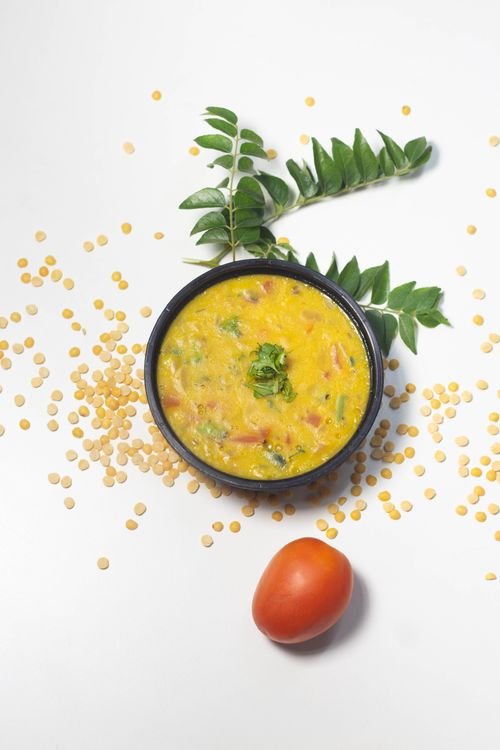
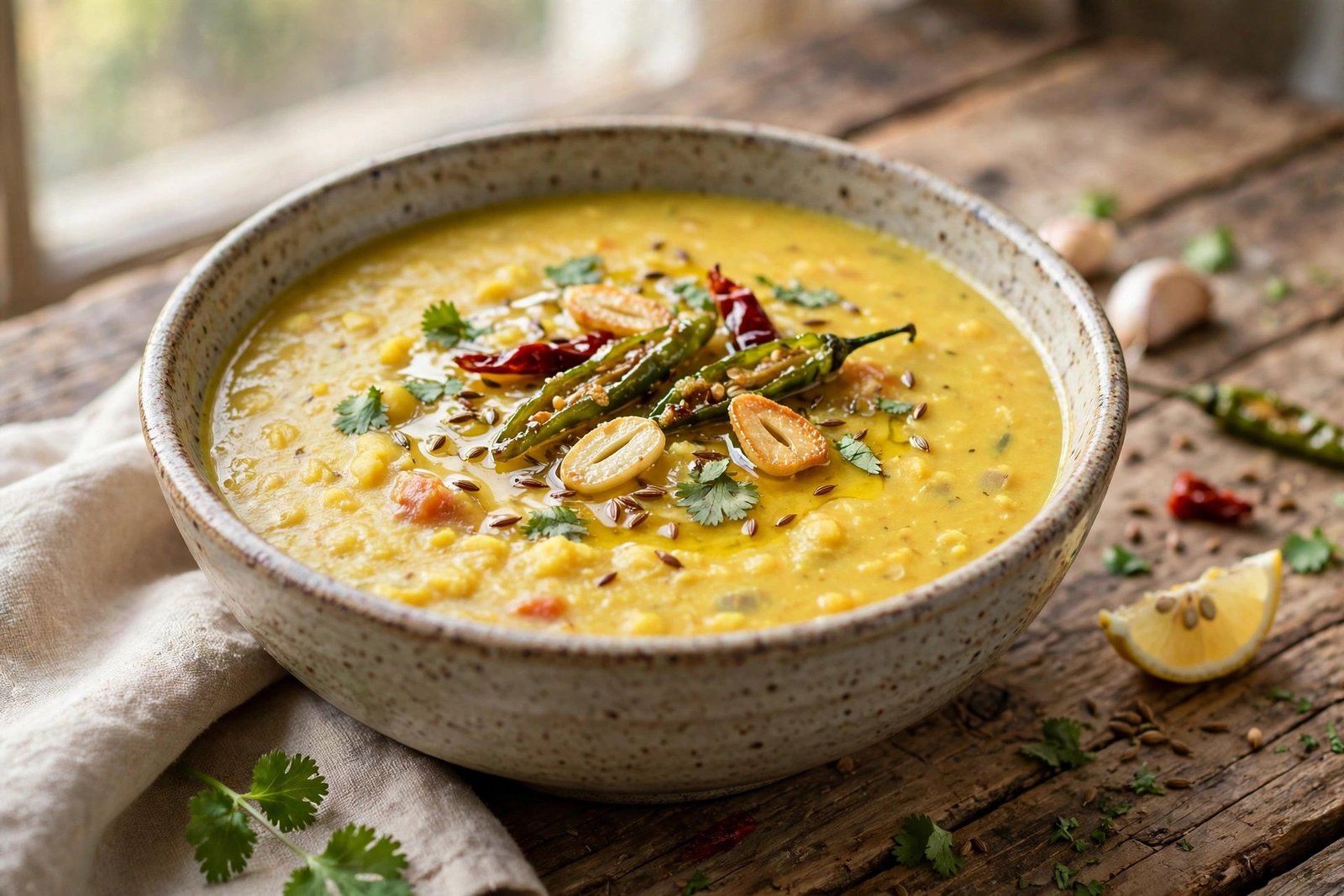
Moong dal is the gentlest dal in the Indian kitchen — split yellow lentils simmered with turmeric until they melt into a soft, golden bowl. A sizzling tadka of ghee, cumin and garlic poured over the top gives it warmth and depth, while a squeeze of lemon lifts everything at the end. It is light, comforting and quick. Serve it with steamed rice, roti and a spoonful of pickle.
The story behind Moong Dal
Moong dal begins with the mung bean, one of the oldest pulses grown on the Indian subcontinent. Farmers have cultivated mung for thousands of years, and once the small green bean is hulled and split, it becomes the pale yellow dal that cooks faster than any other lentil. Old Ayurvedic texts praise it as light and easy to digest, and that reputation has followed it into modern kitchens, where it is still the first dal many cooks learn and the one they return to most often.
In Indian homes, moong dal is everyday food in the best sense. It shows up on busy weeknights, in lunchboxes, and on the plates of people recovering from illness, because it asks little of the cook and gives back a warm, gentle meal. It is also the base of khichdi, the soft rice-and-lentil dish served to babies, to the elderly, and to anyone who needs something kind on the stomach. Few dishes carry that much quiet trust, and moong dal earns it by being both simple and deeply satisfying.
What makes this dal special is its texture and its speed. The lentils collapse into a smooth, creamy mass without a pressure cooker and without long hours on the stove, so you can go from dry lentils to dinner in under an hour. The flavour is mild and slightly sweet, which makes it the perfect canvas for a tadka. Hot ghee, popping cumin, golden garlic and a slit green chili give it a warmth that the lentils alone never could, and the contrast between the soft dal and the sizzling tempering is what keeps people coming back.
Cook moong dal whenever you want a meal that calms rather than excites. It suits a quiet weeknight, a light lunch before a long afternoon, or a day when someone at the table is feeling under the weather. Pair it with plain rice and a sharp pickle, and you have a complete dinner that costs very little and leaves everyone full. It is also a good first dal for a new cook, because it forgives small mistakes and still tastes like it was made with care.
- Prep time
- 30 mins
- Cook time
- 25 mins
- Total time
- 55 mins
- Servings
- 4 servings
- Calories
- 280
Ingredients
- 1 cup split yellow moong dal (200 g)
- 4 cups water, plus extra as needed
- 1/2 teaspoon turmeric powder
- 1 teaspoon salt, plus more to taste
- 1 tablespoon ghee or vegetable oil
- 1 teaspoon cumin seeds
- 1/2 teaspoon mustard seeds
- 3 garlic cloves, thinly sliced
- 1 small onion, finely chopped
- 1 medium tomato, finely chopped
- 1 green chili, slit lengthways
- 1/2 teaspoon red chili powder
- 2 tablespoons fresh coriander leaves, chopped
- 1 tablespoon lemon juice
Instructions
- Rinse the moong dal in a bowl under cold running water, swirling it with your hand and tipping the cloudy water away. Repeat three or four times until the water runs mostly clear, then cover the dal with fresh water and leave it to soak for 20 minutes. Drain it well before cooking.
- Tip the drained dal into a heavy pot with 4 cups of water and the turmeric. Bring it to a gentle boil over medium-high heat, then turn the heat down so it simmers softly. A pale foam will rise to the surface in the first few minutes; skim it off with a spoon and throw it away.
- Let the dal simmer uncovered for 20 to 25 minutes, stirring now and then so it does not stick. You will see the lentils swell, split open and slowly collapse into a soft, golden mass. The dal is ready when a spoon pressed against a lentil crushes it with no resistance at all.
- Season with the salt and give the dal a good whisk or a few strong strokes with a ladle. You want a smooth, creamy texture with just a little body left, not a completely flat puree. If it looks too thick, stir in hot water a ladle at a time until it flows slowly off the spoon.
- Heat the ghee in a small pan over medium heat until it shimmers and smells nutty. Add the cumin seeds and mustard seeds and wait for them to pop and crackle, which takes about 20 seconds. Keep the pan moving so the seeds toast evenly without burning.
- Add the sliced garlic and cook for 30 seconds until the edges turn pale gold and the smell turns sweet and warm. Stir in the chopped onion and cook for 3 to 4 minutes until it softens and turns translucent at the edges. Do not let the garlic go dark brown or the tadka will taste bitter.
- Add the tomato, green chili and red chili powder, and cook for 3 minutes until the tomato softens and the oil starts to separate at the edges of the pan. The mixture should look jammy and smell rich and spicy. This is the moment the tadka is ready to meet the dal.
- Pour the hot tadka straight into the pot of dal and listen for the sizzle as it hits the surface. Stir it through, then taste and adjust the salt. The dal should taste warm and gently spiced, with the garlic and cumin sitting clearly on top of the mild lentils.
- Stir in the lemon juice and most of the chopped coriander, then cover the pot and let the dal rest for 5 minutes. This short rest lets the flavours settle together. Serve hot with rice or roti and the remaining coriander scattered over the top.
Pro tips
- Rinse the dal until the water runs clear, since the dusty starch on unrinsed lentils makes the dal cloudy and slightly bitter.
- Soak for 20 minutes if you can; the lentils cook more evenly and the dal turns out creamier with less stirring.
- Salt only after the lentils are soft, because salting too early can toughen the skins and slow the cooking.
- Keep the tadka ingredients ready beside the stove, since cumin and garlic go from perfect to burnt in seconds.
- Add lemon juice off the heat at the very end, so the bright citrus flavour stays fresh instead of cooking away.
Variations & serving ideas
The easiest variation is the tadka itself. Swap the cumin and mustard seeds for a pinch of asafoetida and a dried red chili, or add a few curry leaves for a South Indian touch that smells wonderful as it hits the hot ghee. Some cooks stir a spoon of grated ginger into the tadka with the garlic, while others finish with a pinch of garam masala for a warmer, deeper flavour. Each version keeps the same soft dal underneath, so you can change the tempering to suit the mood of the day.
You can also build the dal up into a heartier bowl. Stir in a chopped tomato and a handful of spinach in the last five minutes, or add a diced potato with the lentils so it melts into the dal. A spoon of grated coconut stirred in at the end gives a gentle sweetness that works well with rice. If you want more heat, add a second green chili or a little extra red chili powder to the tadka, and taste as you go so the spice stays friendly rather than fierce.
For substitutions, the ghee can be replaced with any neutral oil or with a spoon of butter, and the result stays rich because the cumin and garlic do most of the work. If you cannot find split yellow moong, whole green moong works too, though it needs a longer soak and a longer simmer, and the texture stays a little firmer. Masoor dal is the closest swap, cooking in about the same time with a slightly earthier taste, while toor dal needs a pressure cooker to reach the same softness.
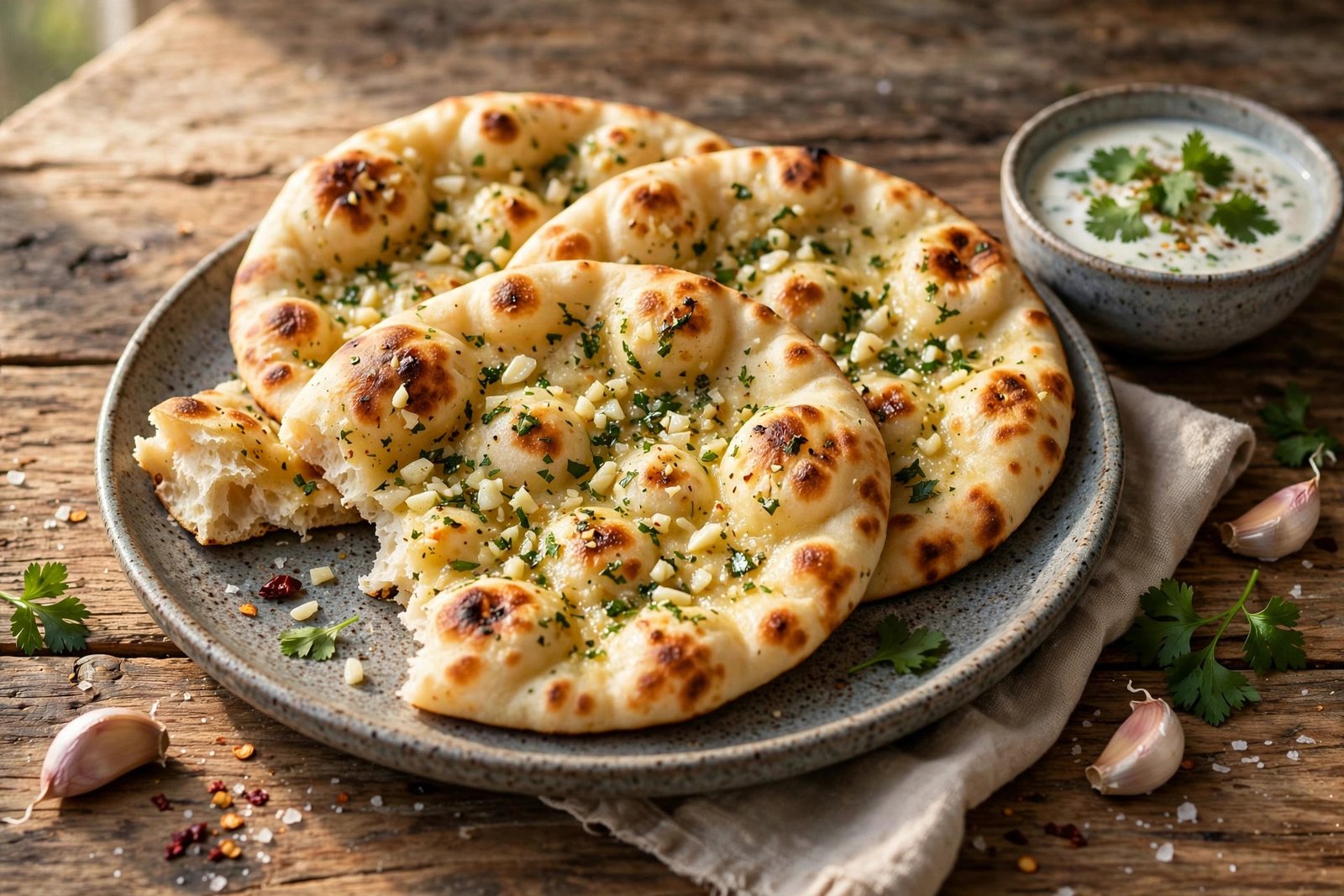
Serve moong dal the way most Indian families do, with steamed basmati rice and a wedge of lemon, or with warm roti for scooping. It pairs well with a sharp mango pickle, a crisp papad, and a small salad of onion, tomato and cucumber that cuts through the richness of the ghee. For a fuller meal, add a dry vegetable dish such as aloo gobi or a simple cabbage stir-fry on the side, and finish with a spoon of plain yoghurt. The dal also makes a gentle khichdi when cooked with an equal amount of rice.
Getting it right
The key technique in this recipe is the simmer. Moong dal needs gentle, steady heat rather than a rolling boil, because a hard boil throws the lentils around, breaks them unevenly, and can push foam over the rim of the pot. Keep the heat low enough that the surface trembles and bubbles lazily, and stir every few minutes so the lentils at the bottom do not settle and catch. Skim the foam in the first five minutes, since it carries the dusty, slightly bitter notes you do not want in the finished dal.
Timing matters in two places: the dal itself and the tadka. The lentils need a full 20 to 25 minutes before they are truly soft, and rushing them leaves hard, chalky centres that no amount of mashing will fix. Test by pressing a lentil against the side of the pot with a spoon; it should give way at once. The tadka moves much faster, with cumin popping in seconds and garlic turning gold in half a minute, so have everything chopped and beside the stove before the ghee goes on the heat.
The most common mistake is a bland dal, and it almost always comes from salting too late or skimping on the tadka. Salt the dal once the lentils are soft, then taste and adjust after the tempering goes in, because the two layers of flavour need to meet. If the dal turns out too thick, thin it with hot water, never cold, which would dull the flavour and cool the pot. If the garlic burns, start the tadka again; a burnt tadka will haunt the whole pot, while a fresh one takes only two minutes.
Storing & reheating
Let the dal cool completely before you store it, since putting a hot pot in the fridge warms everything around it and makes the dal sweat. Spoon it into a sealed container and keep it in the fridge for up to 4 days; the flavour often improves overnight as the cumin and garlic settle into the lentils. For longer storage, freeze it in portions for up to 3 months, leaving a little room at the top of each container because the dal expands as it freezes.
Reheat the dal gently in a pot over low heat, stirring often and adding hot water a ladle at a time, because it will have thickened into a firm mass in the fridge. Do not reheat it on high heat, which scorches the bottom before the middle is warm. Add the lemon juice and fresh coriander only after reheating, so the dal tastes freshly made rather than reheated.
Frequently asked questions
What is moong dal, and where can I buy it?
Split yellow moong dal is the hulled, split mung bean. It cooks faster than most lentils, turning soft and creamy in about 20 minutes. You will find it in Indian grocery shops and the lentil aisle of large supermarkets, usually in a yellow bag labelled moong dal or yellow moong.
Do I need to soak moong dal before cooking?
Yes, a short soak helps. Twenty minutes in warm water lets the lentils cook evenly and shaves a few minutes off the simmer. If you skip it, just add 5 to 10 minutes to the cooking time and keep the heat low so the dal does not catch on the bottom.
Why does my moong dal get so thick as it cools?
Moong dal thickens a lot as it cools because the lentils keep absorbing water. Stir in hot water a ladle at a time until it loosens to the texture you like. Aim for a soft, spoon-coating consistency when you finish cooking, since it will firm up on the table.
Can I make moong dal ahead of time?
Yes, it keeps well. Cool it completely, then store it in a sealed container in the fridge for up to 4 days. Reheat gently with a splash of water and stir often. Add the lemon and fresh coriander only after reheating so their flavour stays bright.
Is moong dal vegan and gluten-free?
Yes. This dal is naturally gluten-free and vegetarian, and it turns vegan if you swap the ghee for oil. It is also easy on the stomach, which is why doctors and home cooks reach for it when someone is unwell or eating lightly.
What should I serve with moong dal?
Steamed basmati rice is the classic partner, with a wedge of lemon and a spoon of yoghurt or pickle on the side. It also works well with roti, jeera rice, or a simple khichdi. A crisp papad and a small salad of onion and tomato round out the plate.