Karela Sabzi Recipe
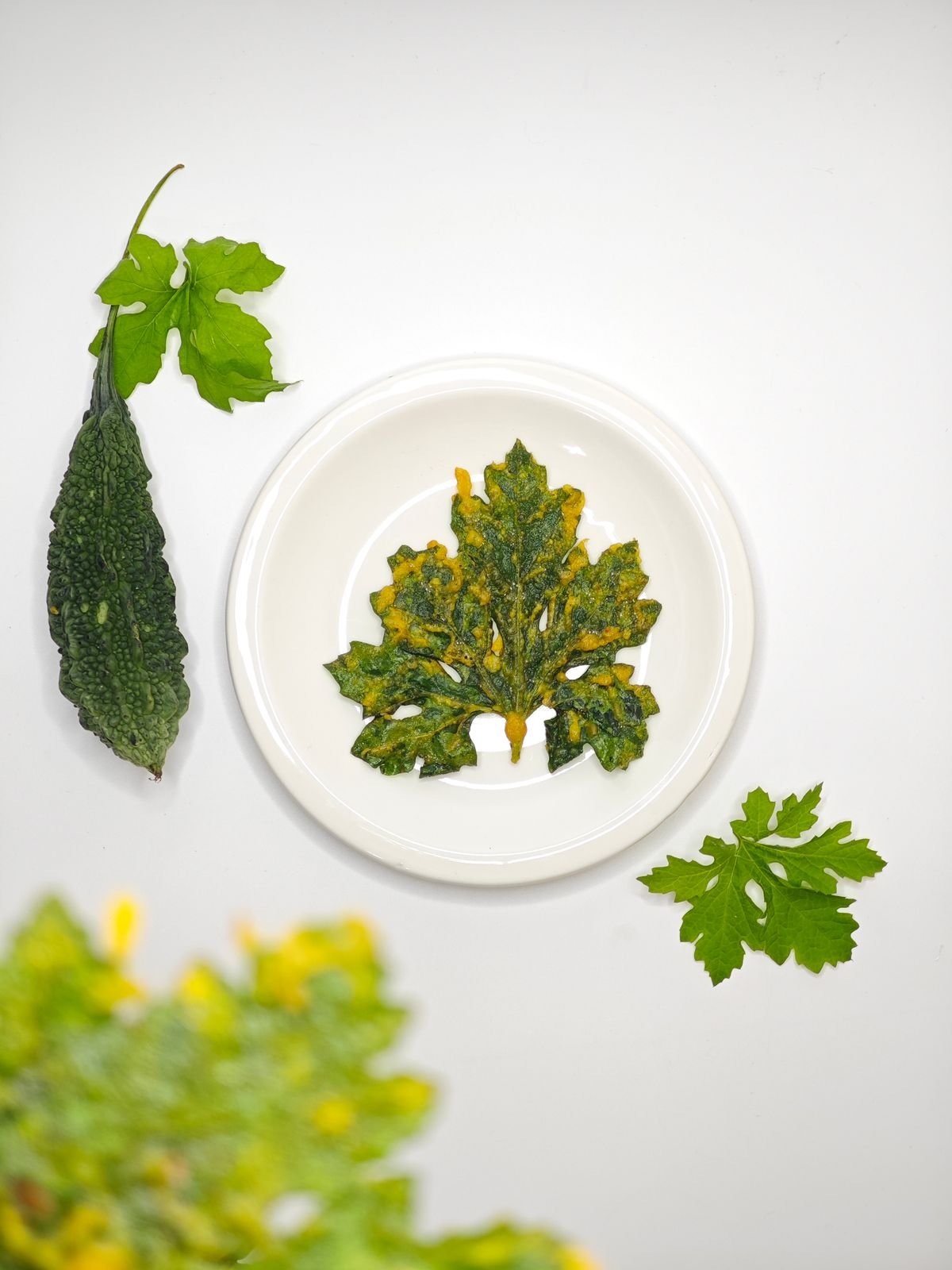
Karela sabzi takes bitter gourd, a vegetable many people avoid, and turns it into a dish worth a second helping. Salted and squeezed to tame the bitterness, the slices are cooked with onion, tomato, and warm spices until they turn soft, tangy, and lightly caramelised at the edges. It is a bold, honest sabzi for people who like strong flavours. Serve it hot with roti and dal.
The story behind Karela Sabzi
Karela, also called bitter gourd or bitter melon, grows across India and has been cooked in home kitchens for generations. Its sharp bitterness is famous, and so is the trick for handling it: scrape the ridged skin, slice the gourd, rub it with salt, and let it rest. The salt draws out the bitter juices, which are then squeezed away. What is left is a vegetable that still tastes distinctively of itself, but gently enough to enjoy. The salt cure is the heart of the dish, and every cook has their own timing for it. Some leave the slices for 15 minutes, others for half an hour, but the idea stays the same: pull the bitter juices out before the cooking starts.
In North Indian homes karela sabzi is a regular on the thali, often cooked on days when the family wants something light and strongly flavoured. It is also a familiar dish in fasting and temple food, where bitter tastes are valued as part of a balanced meal. Many people who grew up avoiding karela as children come back to it as adults, once they taste a version cooked well with enough onion and a little jaggery to round off the edges.
What makes this sabzi work is balance. Onion cooked slowly until sweet, tomato for tang, and a pinch of jaggery or sugar take the sharp top off the bitterness without hiding the karela completely. The slices themselves turn soft inside with edges that catch a little colour in the pan. Eaten with roti, the flavour is bold and clean, and a spoon of yogurt on the side cools everything down.
Cook it when bitter gourds are firm, dark green, and heavy for their size, which is most of the year in India. It suits a simple dinner of dal, rice, and roti, or a lunchbox, since it keeps well and tastes good at room temperature. Make it when you want a change from the usual mild sabzis, and serve it to people who enjoy strong flavours rather than to cautious eaters. It is also a good dish for a lunchbox, since it keeps its flavour at room temperature and does not need reheating to taste good.
- Prep time
- 20 mins
- Cook time
- 25 mins
- Total time
- 45 mins
- Servings
- 4 servings
- Calories
- 190
Ingredients
- 4 medium bitter gourds (karela), about 400 g
- 1 tablespoon salt, for drawing out bitterness
- 2 medium onions, thinly sliced
- 2 medium tomatoes, finely chopped
- 1 tablespoon ginger-garlic paste
- 2 green chillies, slit lengthwise
- 3 tablespoons mustard oil or any cooking oil
- 1 teaspoon cumin seeds
- 1/2 teaspoon turmeric powder
- 1 teaspoon coriander powder
- 1/2 teaspoon red chilli powder
- 1 teaspoon jaggery or sugar
- 1/2 teaspoon amchur (dried mango powder)
- 2 tablespoons chopped coriander leaves
Instructions
- Scrape the bitter gourds lightly with a knife to remove the rough ridges, then rinse them. Cut off both ends, slit each gourd lengthwise, and scoop out the seeds and white pith with a spoon. Slice into thin half-moons, about a quarter inch thick.
- Put the slices in a bowl, sprinkle over the tablespoon of salt, and mix well. Leave them for 20 minutes. You will see water collecting at the bottom of the bowl as the salt pulls out the bitter juices.
- Squeeze the slices firmly in handfuls to press out as much liquid as you can, then rinse them once under running water and squeeze again. Taste a raw slice: it should still be bitter, but much milder than before. Pat the slices dry.
- Heat the oil in a wide pan over medium heat. Add the cumin seeds and let them crackle for 20 to 30 seconds. A wide pan matters here because the slices need space to fry rather than steam in a pile.
- Add the sliced onions and cook for 6 to 7 minutes, stirring often, until they turn soft and golden at the edges. Sweet, well-cooked onion is what balances the karela, so do not rush this step. The onions should smell sweet, not sharp.
- Stir in the ginger-garlic paste and green chillies and cook for one minute until the raw smell fades. Add the tomatoes, turmeric, coriander powder, and red chilli powder. Cook for 5 to 6 minutes, mashing the tomatoes, until the oil separates and the masala turns glossy.
- Add the squeezed karela slices and mix gently so the masala coats them. Cook uncovered on medium heat for 8 to 10 minutes, stirring now and then. The slices will soften and pick up colour at the edges. Listen for a gentle sizzle; if the pan goes quiet, add a spoon of water.
- Sprinkle in the jaggery and amchur and cook for 2 to 3 minutes more, stirring gently. The jaggery melts into the masala and takes the sharp edge off the bitterness, while the amchur adds a clean sour note. Taste and adjust the salt, remembering the slices were salted earlier.
- Take the pan off the heat and rest the sabzi covered for 5 minutes. Scatter the chopped coriander over the top and serve hot with roti, paratha, or plain rice. A spoon of plain yogurt on the side makes the flavours easier to enjoy.
Pro tips
- Pick young, firm bitter gourds that are dark green and heavy for their size. Older, pale ones with hard seeds taste far more bitter and never soften properly, no matter how long you cook them.
- Do not skip the salting and squeezing. It removes a real share of the bitterness, and no amount of jaggery can fix a karela that was never salted, so give this step the full 20 minutes.
- Slice thin and even. Thick slices stay bitter in the middle and chewy at the edges, while thin slices cook through and catch a little colour, which is where much of the flavour comes from. Use a sharp knife so the slices stay clean and even instead of tearing.
- Cook the onions until they are properly golden, not just soft. Their sweetness is the main counterweight to the karela, and pale onions leave the dish sharp and one-sided.
- Go light on salt at the end. The slices were salted and rinsed, so taste first and add only a small pinch if the sabzi truly needs it, since you cannot take salt back out.
Variations & serving ideas
Bharwa karela is the stuffed version: whole small gourds are filled with a spiced onion and peanut masala, tied with thread, and cooked slowly in oil. It takes more time, but it is the version served at family gatherings and festivals. If you like this sabzi, the stuffed version is worth trying on a weekend. The filling is usually made a day ahead so the flavours have time to come together. To make it, slit small gourds, scrape out the seeds, and pack in a filling of roasted onion, peanut, and spices. Tie each one with cotton thread so the filling stays put while it cooks.
For a drier, crispier style, fry the salted and squeezed slices in hot oil until they turn golden at the edges, then toss them with the cooked onion-tomato masala. The crisp edges give the dish a completely different texture, and it works well as a side with dal and rice. Fry the slices in batches so they have room in the oil. Crowding the pan drops the temperature and the slices steam instead of crisping, which defeats the purpose of frying them first.
Add a cubed potato with the onions for a milder, heartier mix, or stir in a handful of roasted peanuts for crunch. Some cooks add a spoon of grated coconut at the end for a South Indian touch. A pinch of garam masala stirred in just before serving adds warmth without extra heat. A pinch of hing (asafoetida) in the tempering adds a savoury depth that suits the strong flavour of the karela. A spoon of grated raw mango in summer adds a sharp, fresh sourness that suits karela well. Use it in place of the amchur and cut the jaggery back a little.
Serve karela sabzi with roti or paratha and a bowl of dal, with plain yogurt to cool the palate. It also pairs well with steamed rice and a little ghee. Leftovers make a good filling for a wrap with sliced onion and a smear of green chutney. It also works as a side with khichdi on a light day, when you want one strongly flavoured dish next to something plain and soft.
Getting it right
The key technique is the salt cure. Salt draws water out of the karela slices, and the bitter compounds leave with that water. Twenty minutes is enough for thin slices. Squeezing matters as much as salting: press the slices firmly in your hands and you will see cloudy liquid run out. A slice that is salted but never squeezed stays almost as bitter as a raw one. Rinsing after squeezing matters too. A quick rinse washes away the salty liquid clinging to the slices, so the finished dish is not over-salted. Always taste before adding more salt at the end.
Heat control shapes the texture. Medium heat lets the slices soften slowly and brown at the edges without burning the masala underneath. If the heat is too high, the outside chars while the inside stays tough. If it is too low, the slices steam in their own moisture and turn limp and grey. If the slices start to stick, add a spoon of oil around the edge of the pan rather than water. Water cools the pan and turns the slices soft, while oil keeps the frying going.
The common mistake is adding the jaggery too early, which makes the slices cook in sweet liquid and stay soft without colour. Add it near the end so the slices have already browned. The second mistake is undercooking the onion: pale, sharp onion plus bitter karela is a harsh combination, while sweet golden onion makes the whole dish work. If the finished sabzi still tastes too bitter, a little more jaggery and a squeeze of lemon will help. Add them off the heat and let the dish rest for 5 minutes before tasting again.
Storing & reheating
Cool the sabzi completely and store it in a sealed container in the fridge for up to 3 days. It reheats well and the bitterness softens a little more overnight. Keep it covered, since the strong smell can travel to other foods in the fridge. The onion in the sabzi means it should not sit out long, so get it into the fridge within 2 hours of cooking, especially on a hot day.
It freezes for up to a month, though the slices soften further on thawing. Reheat in a pan over low heat with a splash of water, and stir gently so the slices keep their shape. The microwave works too: heat in short bursts and stir between each one. Frozen karela sabzi is best used as a filling or mixed with rice, since the slices lose some of their firmness after thawing.
Frequently asked questions
How do I remove bitterness from karela?
Scrape the ridges, slice thin, rub with salt, and rest for 20 minutes. Then squeeze the slices firmly to press out the bitter juices, rinse once, and squeeze again. Cooking them with sweet golden onion, tomato, and a little jaggery takes the sharp edge off the rest.
Is karela sabzi healthy?
Yes. Bitter gourd is low in calories and rich in fibre, vitamin C, and folate, and it has long been valued in Indian home cooking. This recipe uses only a little oil and no cream, so it fits easily into a light, everyday meal with roti and dal.
Can I make karela sabzi without onion and garlic?
Yes. Cook the salted and squeezed slices in a simple tempering of cumin, turmeric, and green chilli, then finish with amchur and jaggery. The result is lighter and sharper, and it suits fasting days and temple-style meals. Serve it with roti and a spoon of yogurt to keep the meal balanced.
Why is my karela still very bitter?
It was probably not salted long enough or not squeezed firmly. Use young, dark green gourds, salt them for a full 20 minutes, and press out as much liquid as you can. Cooking the onions until golden and adding jaggery at the end also helps a great deal.
What should I serve with karela sabzi?
Roti or paratha with dal is the classic pairing, and a spoon of plain yogurt cools the bitterness. It also works with steamed rice and ghee. Avoid serving it next to other strongly flavoured dishes, or the flavours will fight each other.
Can I prepare karela ahead of time?
Yes. Salt, squeeze, and rinse the slices up to a day ahead and keep them in a sealed box in the fridge. Cook them fresh when you are ready to eat. The cooked sabzi also keeps for 3 days in the fridge and tastes a little milder the next day.