Chana Dal Fry Recipe
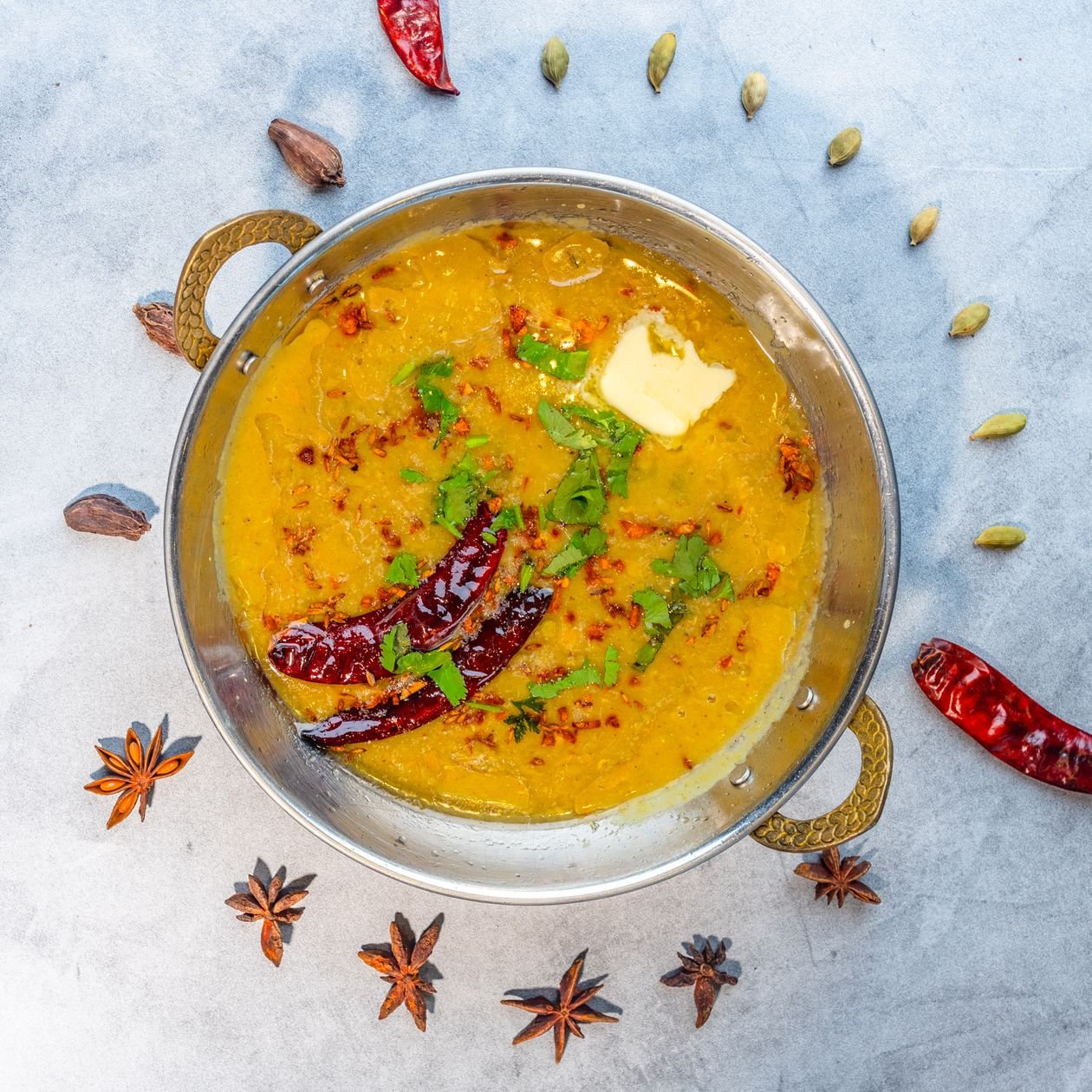
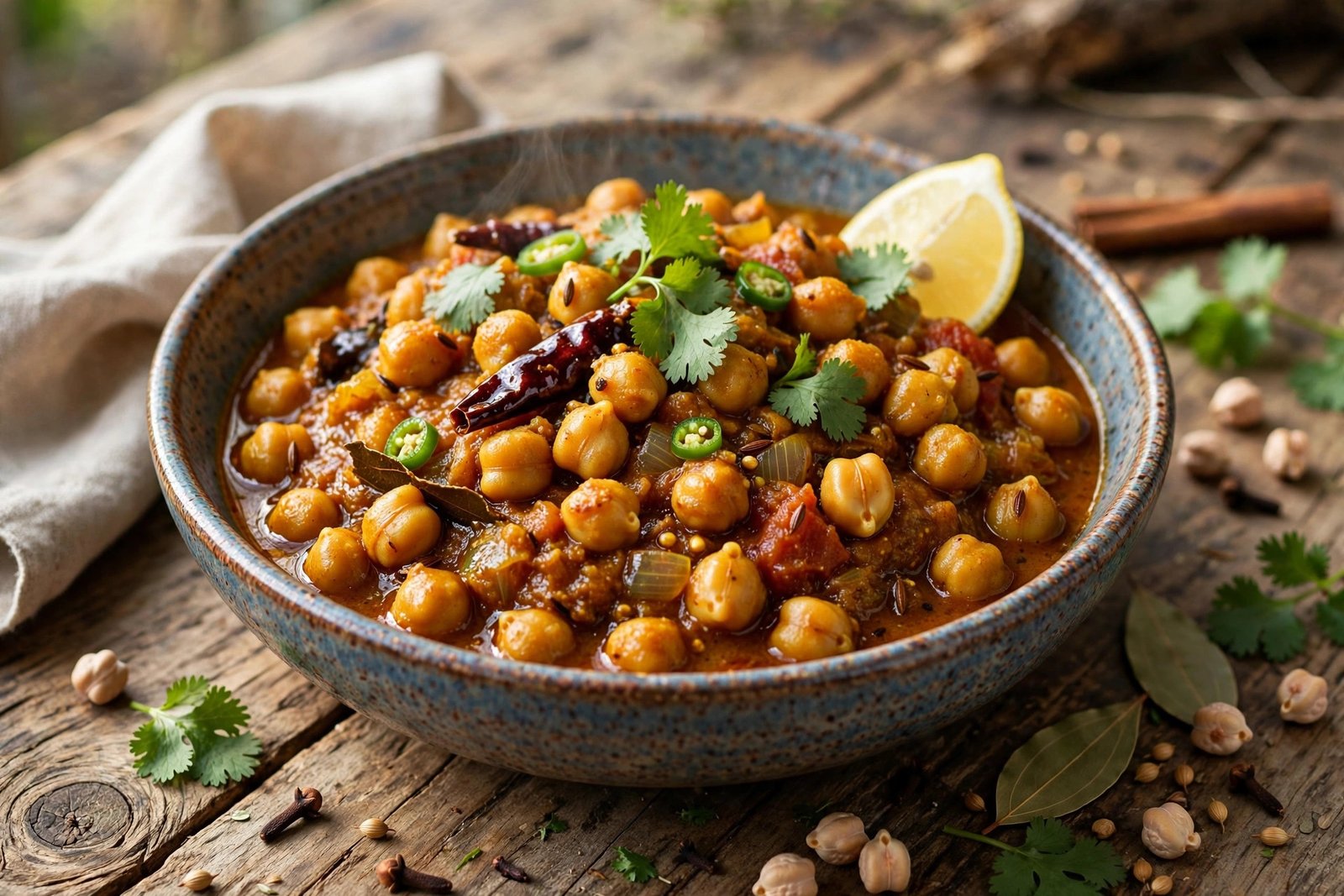
Chana Dal Fry is a North Indian classic of split chickpeas simmered with onion, tomato and warm spices, then finished with a sizzling tadka of ghee, garlic and dried red chili. The dal turns thick and golden, the tempering crackles as it hits the pot, and the whole dish smells of cumin and garlic. Serve it with rice or roti and a spoonful of yoghurt.
The story behind Chana Dal Fry
Chana dal is the split form of Bengal gram, the small brown chickpea that sits in almost every North Indian pantry. Cooks have simmered it into a simple dal for as long as anyone can remember, because it is cheap, filling and full of protein. The word fry in the name does not mean the lentils are fried. It refers to the tadka, the final flourish of hot ghee poured over the finished dal with crackling cumin seeds and chili.
The dish belongs to the daily rhythm of home cooking across Punjab, Delhi and Uttar Pradesh. It shows up on weekday thalis next to rice or roti, in roadside dhabas where truck drivers eat, and at family lunches where it is the quiet, dependable dish everyone reaches for. Nobody makes a fuss about it, yet no meal feels quite complete without a bowl of dal somewhere on the table. At roadside dhabas, the dal is kept in a big pot over a low flame all day, and the cook ladles it out with a piece of roti or a scoop of rice whenever a driver stops to eat.
What makes Chana Dal Fry stand out from other dals is its texture. Chana dal holds its shape where red lentils melt away, so each spoonful has body: soft pieces of dal in a thick, golden sauce rather than a smooth puree. The tadka adds the drama. Hot ghee carries the toasted cumin and garlic right through the pot, and the smell alone tells you dinner is ready.
Cook this on a night when you want something warm and uncomplicated. It needs little more than a pot, a pan and a handful of spices, and it feeds four generously. Make a double batch and you have lunch sorted for the next two days, which is how most Indian households treat dal: cook once, eat twice, and let the flavours deepen overnight. A bowl of dal, a pile of rice and a wedge of lemon is a complete meal, and it costs less than almost any other dinner you can cook at home.
- Prep time
- 15 mins
- Cook time
- 40 mins
- Total time
- 55 mins
- Servings
- 4 servings
- Calories
- 320
Ingredients
- 1 cup chana dal (200 g), rinsed
- 3 cups water, plus extra as needed
- 1/2 teaspoon turmeric powder
- 1 teaspoon salt, plus more to taste
- 2 tablespoons ghee or vegetable oil
- 1 teaspoon cumin seeds
- 1 medium onion, finely chopped
- 1 tablespoon ginger, finely grated, and 3 garlic cloves, finely chopped
- 2 medium tomatoes, finely chopped
- 1 green chili, slit lengthways
- 1 teaspoon coriander powder
- 1/2 teaspoon red chili powder
- 1/2 teaspoon garam masala
- 2 tablespoons fresh coriander leaves, chopped
Instructions
- Rinse the chana dal in several changes of cold water until the water runs clear. Tip it into a bowl, cover with fresh water and leave it to soak for 30 minutes. Soaking softens the dal evenly, so it cooks to a creamy texture without some pieces staying hard.
- Drain the dal and put it in a heavy pot with 3 cups of water and the turmeric. Bring it to a boil over medium-high heat, then skim off the pale foam that rises to the surface. This takes about two minutes and keeps the dal tasting clean.
- Turn the heat to low, cover the pot with the lid ajar, and simmer for 25 to 30 minutes. Stir now and then and add a splash of hot water if the level drops. The dal is ready when you can crush a piece easily between your fingers and the pot looks thick and golden. If a few pieces still feel firm, give the pot five more minutes; undercooked chana dal stays chalky in the middle and no amount of seasoning will hide it.
- While the dal simmers, heat the ghee in a small frying pan over medium heat. Add the cumin seeds and wait until they pop and darken a shade, about 30 seconds. If they smoke, the pan is too hot, so lift it off the heat for a few seconds before you carry on.
- Add the onion and cook for 6 to 7 minutes, stirring often, until it turns soft and golden at the edges. Then add the ginger and garlic and cook for one more minute, until the raw smell disappears and the pan smells warm and toasty.
- Tip in the tomatoes and green chili with the coriander powder and red chili powder. Cook for 5 to 6 minutes, stirring and pressing the tomatoes with the back of the spoon, until the mixture darkens, the oil starts to show at the edges, and the tomatoes lose their raw, sharp smell. The masala is ready when it pulls away from the sides of the pan in a soft mass and the oil glistens around the edges.
- Scrape this masala into the cooked dal and stir it through. Add the salt and simmer the dal for another 5 minutes so the flavours marry. Taste and adjust the salt; the dal should taste savoury first, with a gentle heat behind it.
- For the tadka, heat a small ladle or pan of ghee until it shimmers, then add a pinch of cumin seeds and a dried red chili. When the seeds crackle, pour the hot ghee straight over the dal. It will hiss and bubble, and the smell of toasted cumin will fill the kitchen.
- Stir in the garam masala and half the fresh coriander, then cover the pot for two minutes so the steam carries the spices through the dal. Serve hot, scattered with the remaining coriander, alongside rice or roti.
Pro tips
- Rinse the dal well before soaking. The cloudy water you pour away carries dust and loose starch that would make the dal taste flat.
- Salt the dal at the end, not the start. Salt added early can toughen the lentils and stretch the cooking time by several minutes.
- If your dal is still firm after 30 minutes, add half a cup of hot water and keep simmering. Old dal from the back of the cupboard simply takes longer than a fresh bag. A pinch of baking soda in the soaking water can speed things up, but it can also make the dal mushy, so use it only if you are short on time.
- Keep the tadka pan small. A ladle or tiny pan heats the ghee fast and lets you pour it in one confident splash instead of dribbling it in.
- Taste the dal after the masala goes in and before the tadka. That is the moment to fix the salt and heat, while the pot is still open and easy to adjust.
Variations & serving ideas
For a richer version, stir in two tablespoons of cream or a knob of butter at the end, and let it melt through the hot dal. This softens the chili heat and gives the dal a silky finish that works well for a weekend lunch. A squeeze of lemon at the table brightens the whole bowl and cuts through the richness. A swirl of cream also makes the dal friendlier for children, since it softens both the heat and the sharpness of the tomato.
To make it heartier, add a handful of chopped spinach in the last five minutes of cooking. The leaves wilt straight into the dal and add colour and iron without changing the flavour much. Diced potato or cauliflower also works; add them with the dal at the start so they cook through in the same pot.
If you like heat, add a second green chili or a pinch more red chili powder to the masala. If you prefer it mild, leave the green chili out and use sweet paprika instead of chili powder for colour without the burn. The cumin and garlic in the tadka still give the dish plenty of flavour.
Serve Chana Dal Fry with steamed basmati rice and a spoonful of plain yoghurt, or with roti and a simple onion and cucumber salad. It also makes a good filling for a wrap with pickled onion and a smear of chutney. A cup of masala chai after the meal is the classic way to finish.
Getting it right
The key skill in this recipe is cooking the dal to the right texture. You want it soft enough to crush between your fingers, but not so broken down that it turns into a smooth paste. Simmer it gently with the lid ajar and check it from 25 minutes onwards. A hard, rolling boil will break the dal apart and make it gluey, while too little water will leave the pieces chalky in the middle.
The masala needs patience too. Onions should turn properly golden before the tomatoes go in, and the tomatoes should cook until the oil separates at the edges of the pan. If you rush this stage, the dal will taste raw and sharp. If you let the pan go dry, the spices will catch and turn bitter, so keep the heat at medium and add a splash of water when the mixture starts to stick. If the masala starts to stick, add a tablespoon of water and scrape the bottom of the pan; those browned bits are full of flavour and should go into the dal, not into the bin.
The most common mistake is adding the tadka too early or too cool. The ghee must be hot enough to make the cumin seeds pop the moment they hit it, and the pour should go over the dal while the pan is still sizzling. A lukewarm tadka just sits on the surface and never carries its flavour through the pot, so heat the ghee until it shimmers and work quickly.
Storing & reheating
Chana Dal Fry keeps in a sealed container in the fridge for up to four days, and the flavour often improves overnight as the spices settle. Reheat it gently on the stove with a splash of water, since the dal thickens as it sits. Stir in the fresh coriander only after reheating so it stays green and bright.
It freezes well for up to two months. Cool the dal fully, pack it into freezer containers with a little headroom, and thaw it in the fridge overnight. Warm it slowly over low heat, add water to loosen it, and finish with a fresh tadka of ghee and cumin if you want the flavour to taste newly made.
Frequently asked questions
What is chana dal, and where can I buy it?
Chana dal is split Bengal gram, made from small brown chickpeas with the skin removed. It looks a lot like yellow split peas but tastes nuttier and holds its shape better. Find it in Indian grocery shops or the lentil aisle of a large supermarket.
Do I have to soak chana dal before cooking?
Soaking is optional if you have a pressure cooker, but it is still worth doing. A 30-minute soak evens out the cooking and cuts the simmering time by about 10 minutes. Without soaking, plan on 40 to 45 minutes of gentle boiling.
Why does my dal get too thick as it cools?
Add more hot water a ladle at a time and stir it in. Chana dal keeps absorbing liquid as it sits, so the dal you serve an hour later will always be thicker than the dal straight off the stove. Aim for a loose, spoon-coating texture when you finish cooking.
Can I make Chana Dal Fry ahead of time?
Yes, and it often tastes better the next day once the spices have settled in. Cool it fully, store it in a sealed container in the fridge, and reheat gently with a splash of water. Add the fresh coriander only after reheating.
What should I serve with Chana Dal Fry?
Steamed basmati rice is the classic match, with a wedge of lemon and a spoon of plain yoghurt. It also goes well with roti, jeera rice, or a simple salad of onion, tomato and cucumber on the side. The dal thickens as it rests, so keep a little hot water handy.
Is Chana Dal Fry vegan?
It is vegetarian as written, since the only animal product is ghee. Swap the ghee for vegetable oil or a plant-based butter and the dish becomes fully vegan. The flavour stays rich because the cumin, garlic and chili carry the tempering.