Youvetsi Recipe
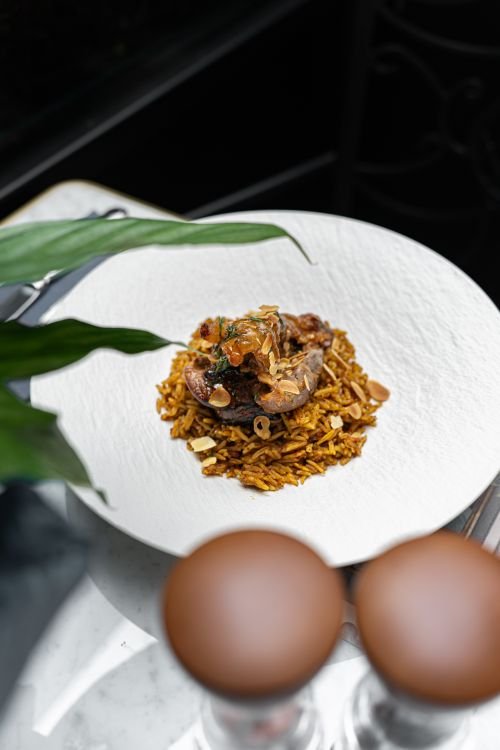
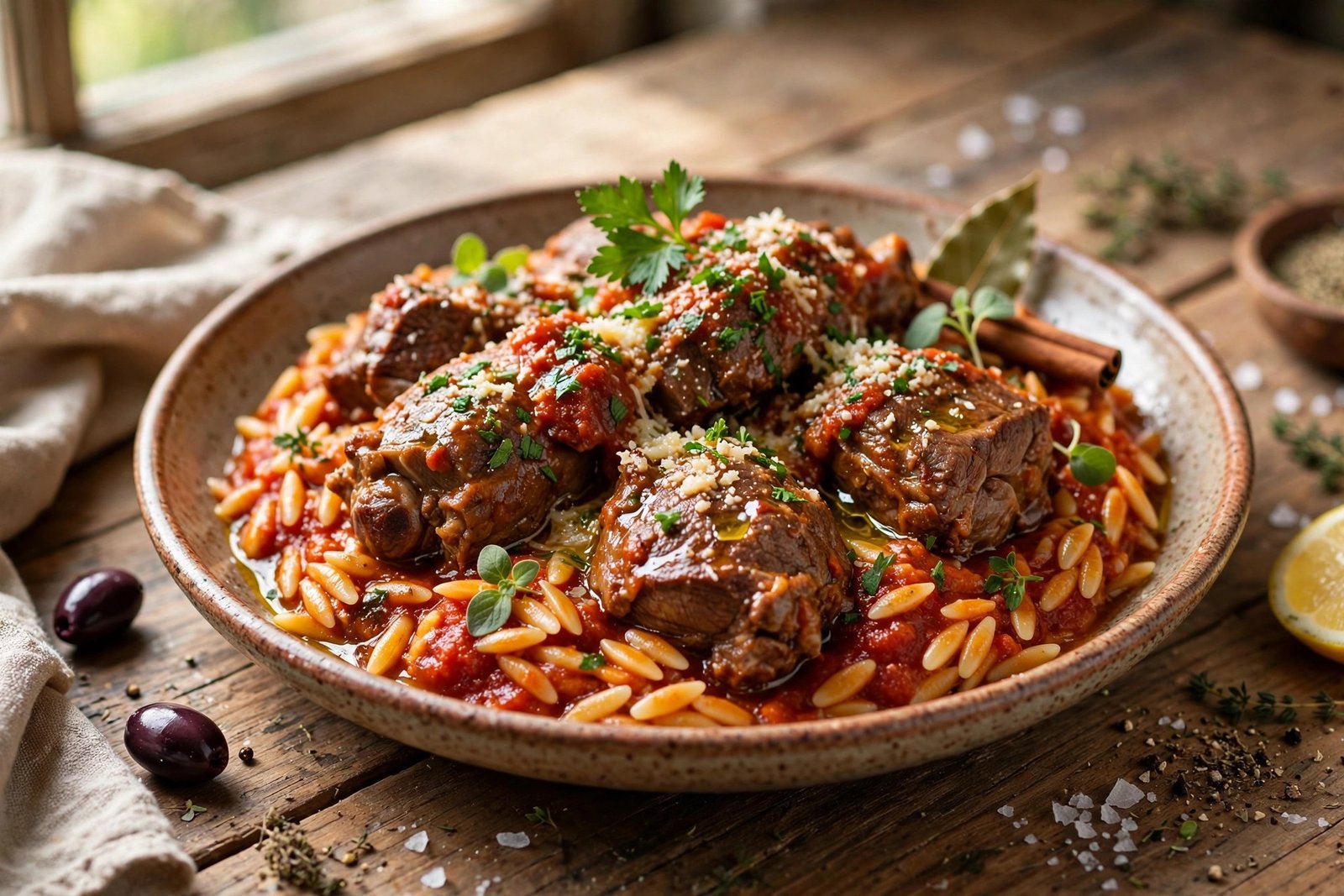
Tender lamb simmers in a rich tomato sauce with cinnamon and garlic, then bakes in the oven with orzo pasta until the pasta turns soft and the sauce thickens around it. This Greek Youvetsi is warm, comforting and deeply savoury, finished with salty grated cheese. Serve it straight from the baking dish with crusty bread and a simple salad for a relaxed family dinner.
The story behind Youvetsi
Youvetsi is a Greek dish of meat and orzo baked together in a tomato sauce, and its name comes from the yuvetsi, the clay pot it was traditionally cooked in. Lamb is the classic meat, though beef is common too, and the sauce carries cinnamon, garlic and oregano, the warm spices that mark Greek cooking apart from its neighbours. The orzo goes into the pot raw and cooks in the sauce, drinking up the flavour of the meat and the tomatoes as it softens. What comes out of the oven is a single dish that needs little else beside it.
In Greece, Youvetsi is Sunday food and family food, the kind of dish that goes into the oven in the late morning and comes out when everyone is gathered around the table. It shows up at name days and at Easter gatherings. The baking dish goes straight to the middle of the table, and people serve themselves with a large spoon, taking lamb, pasta and sauce together. There is nothing fussy about it, and that is the point. It is generous, warm and made to be shared.
What makes Youvetsi special is the way the orzo changes the sauce. Pasta cooked separately in water tastes plain next to a rich sauce, but orzo baked in the meat juices absorbs the tomato, the cinnamon and the lamb fat as it swells. The result is a dish where the pasta and the sauce are one thing, not two things sitting side by side. The cinnamon is the quiet surprise: it does not make the dish sweet, it makes the tomato taste deeper and the lamb taste richer, in a way that is hard to place until someone tells you it is there.
Cook Youvetsi when you want a proper one-pot dinner without a sink full of pans. It suits cold evenings, weekend lunches and any night when friends are coming and you want the house to smell like something good is in the oven. The work is mostly browning meat and stirring a pot, and the oven does the rest. Make it once and you will keep coming back to it, because it feeds four easily, reheats well, and tastes like a meal someone spent all day on.
- Prep time
- 25 mins
- Cook time
- 55 mins
- Total time
- 1 hr 20 mins
- Servings
- 4 servings
- Calories
- 560
Ingredients
- 800 g lamb shoulder, cut into chunks
- 250 g orzo pasta
- 400 g tin chopped tomatoes
- 3 tablespoons olive oil
- 1 large onion, finely chopped
- 4 garlic cloves, finely chopped
- 2 tablespoons tomato paste
- 1 teaspoon ground cinnamon
- 1 teaspoon dried oregano
- 1 bay leaf
- 500 ml hot beef or lamb stock
- 100 g kefalotyri or pecorino cheese, grated
- Salt and black pepper to taste
Instructions
- Heat the olive oil in a large ovenproof pot or deep pan over medium-high heat until it shimmers. Add the lamb chunks in a single layer and brown them for eight to ten minutes, turning now and then, until the outside turns a deep golden brown. Work in two batches if the pot is crowded.
- Move the browned lamb to a plate and turn the heat down to medium. Add the chopped onion to the same pot and cook for six to seven minutes, stirring often, until it turns soft and pale gold. Scrape the bottom of the pot as you stir.
- Add the garlic and cook for one minute until it smells warm and sweet, then stir in the tomato paste and cook for another minute until it darkens a shade. Stir in the cinnamon and oregano so the spices warm through in the oil.
- Tip in the chopped tomatoes and the bay leaf, then return the lamb to the pot. Pour in about 250 ml of the hot stock and stir everything together. Bring it to a boil, then turn the heat down low, put the lid on, and let it simmer for forty minutes until the lamb feels tender.
- Check the lamb by pressing a piece with a spoon. It should give easily and start to shred at the edges. If it still feels firm, add a splash more stock, put the lid back on and cook for ten minutes longer. Taste and season with salt and pepper.
- Heat the oven to 190 C. Stir the orzo into the pot with the rest of the hot stock, and mix well so the pasta is spread evenly through the sauce. The mixture should look loose and a little wet at this stage. If it looks dry, add another splash of stock.
- Cover the pot with a tight lid or foil and bake for twenty minutes. Take it out, give it a good stir to stop the orzo clumping. If the top looks dry, add a splash of hot stock around the edges, then put the lid back on and bake for ten more minutes.
- Take the lid off and scatter the grated cheese evenly over the top. Return the dish to the oven, uncovered, for five minutes until the cheese melts and turns lightly golden in patches. The sauce should be thick and the orzo soft, with the lamb pieces spread through the pasta and the top just starting to colour.
- Let the Youvetsi rest for ten minutes before serving so the orzo settles and the sauce thickens around it. Spoon it into warm bowls, scatter a little more grated cheese on top if you like, and serve it with crusty bread and a simple salad while it is still hot.
Pro tips
- Brown the lamb in batches if your pot is crowded. A single layer with space around each piece sears properly, while a full pot just steams the meat and leaves the sauce without depth.
- Use hot stock when you top up the pot, because cold liquid slows the cooking and can make the orzo go gummy on the outside while staying firm inside. Keep a kettle of stock warm beside the stove.
- Stir the dish once halfway through baking. The orzo at the edges cooks faster than the orzo in the middle, and a good stir keeps the pasta even and stops it clumping into a solid mass.
- Season the sauce a little more strongly than you think it needs before the orzo goes in. The pasta absorbs salt as it cooks, and a sauce that tastes right on its own can turn bland once the orzo has drunk it up.
- Let the dish rest for ten minutes after it leaves the oven. The orzo settles, the sauce thickens around it, and the lamb relaxes, so each spoonful holds together instead of running across the plate.
Variations & serving ideas
Beef is the most common swap for lamb, and chuck works best because it turns tender over the same slow simmer. Chicken is a lighter option, though it needs less time in the sauce, so brown it, simmer it for twenty minutes, and then add the orzo. A mix of lamb and beef also works, giving a flavour that sits between the two. For a meat-free version, use chickpeas or large white beans with a vegetable stock, and add a handful of spinach at the end so it wilts into the hot pasta. Each version keeps the tomato, cinnamon and orzo backbone that makes the dish what it is.
Some cooks add a glass of red wine to the sauce after browning the meat, letting it bubble for two minutes before the tomatoes go in. Others stir in a pinch of allspice or a little nutmeg alongside the cinnamon for a warmer spice note. A spoonful of honey is sometimes added to round out sharp tomatoes, though it should stay a background note, not a sweetness you can taste. Kefalotyri is the classic cheese, but pecorino or Parmesan work well when it is hard to find.
Serve Youvetsi with a Greek salad of tomatoes, cucumber, red onion, olives and feta, which adds crunch and sharpness beside the rich, soft pasta. Crusty bread is good for scooping up the sauce, and a bowl of tzatziki or plain yoghurt with lemon adds a cool, fresh note. A few olives on the side add a salty bite. Keep the sides simple and fresh, because the baked dish is already rich and filling on its own.
For drinks, a glass of red wine suits the lamb and the tomato sauce, and a cold beer works well on a warm evening. Leftovers reheat nicely the next day, and a spoonful of Youvetsi makes a good lunch packed in a container with a little extra grated cheese. However you serve it, bring the baking dish to the table while it is hot and let people help themselves, because this is a dish that belongs in the middle of the table.
Getting it right
The key technique in Youvetsi is browning the lamb properly before anything else goes into the pot. Use a hot pan, olive oil that shimmers, and meat in a single layer, so each piece sears instead of steaming. That brown crust is where much of the flavour comes from, and the dark bits left in the pot melt into the sauce and deepen it. If you crowd the pan, the meat boils in its own juice and the finished dish tastes flat, so brown in batches when you need to.
The second skill is managing the liquid. Orzo drinks up a surprising amount of sauce, so the pot should look loose and wet when it goes into the oven, much wetter than you think it needs. If it looks right at that stage, it will come out dry. Stir the dish once halfway through baking, because the pasta at the top dries out while the pasta at the bottom swims, and a good stir evens it out. Add hot stock, not cold water, when it needs topping up.
The common mistake is under-seasoning the sauce before the orzo goes in, because the pasta soaks up salt as it cooks and the finished dish can taste bland. Another is baking it uncovered for the whole time, which dries out the top layer of pasta before the rest is cooked. If your Youvetsi comes out dry, stir in hot stock and let it rest covered for ten minutes, and it will loosen. If it comes out wet, bake it uncovered for five more minutes and the sauce will thicken.
Storing & reheating
Let the Youvetsi cool to room temperature, then move it into a clean container with a tight lid. It keeps in the fridge for three days, though the orzo will keep absorbing sauce as it sits, so it firms up more than a meat stew would. For longer storage, freeze it in portions for up to two months, leaving a little space at the top of each container.
Reheat it in the oven at 180 C with a splash of stock or water and a cover of foil, for about twenty minutes, until it bubbles through. Stir halfway so the pasta heats evenly. A microwave works for a single portion, but stir in a spoonful of water first and stop halfway to mix, or the edges will dry out while the centre stays cool.
Frequently asked questions
What is orzo, and can I use a different pasta?
Orzo is a small pasta shaped like grains of rice, and it is the classic choice for Youvetsi because it cooks in the sauce and soaks up the flavour. If you cannot find it, use another small pasta such as ditalini or small shells. Avoid long pasta like spaghetti, which does not cook evenly in the baking dish.
Can I make Youvetsi ahead of time?
Yes, and it reheats very well. Cool it quickly, cover it tightly and keep it in the fridge for up to three days. Reheat it in the oven at 180 C with a splash of water and a cover of foil, or warm a portion in the microwave with a spoonful of water stirred through first.
Which meat works best for Youvetsi?
Lamb is the traditional choice, and shoulder or shank gives the richest result after a slow simmer. Beef works well too, especially chuck, and it needs about the same cooking time. Chicken is a lighter option, but it cooks faster, so add it to the sauce later and bake for a shorter time.
How do I know when the orzo is done?
It should be moist and spoonable, with the orzo soft and the sauce clinging to every grain. If the pan looks dry when it comes out of the oven, stir in a splash of hot stock or water and let it rest for five minutes. The orzo keeps absorbing liquid as it sits.
Can I make Youvetsi without an oven?
Yes. Simmer the meat and sauce on the stove for forty minutes, then stir in the orzo and cook for fifteen minutes more, adding stock as needed. It will not have the same baked top, but the flavour will be very close. You can also finish it under the grill for two minutes for a little colour.
What should I serve with Youvetsi?
A Greek salad with tomatoes, cucumber, onion and feta is the classic partner, and crusty bread is good for scooping up the sauce. A glass of red wine suits the rich lamb, and a bowl of plain yoghurt with a little lemon adds a fresh note beside the warm, spiced pasta.