Sofrito Recipe
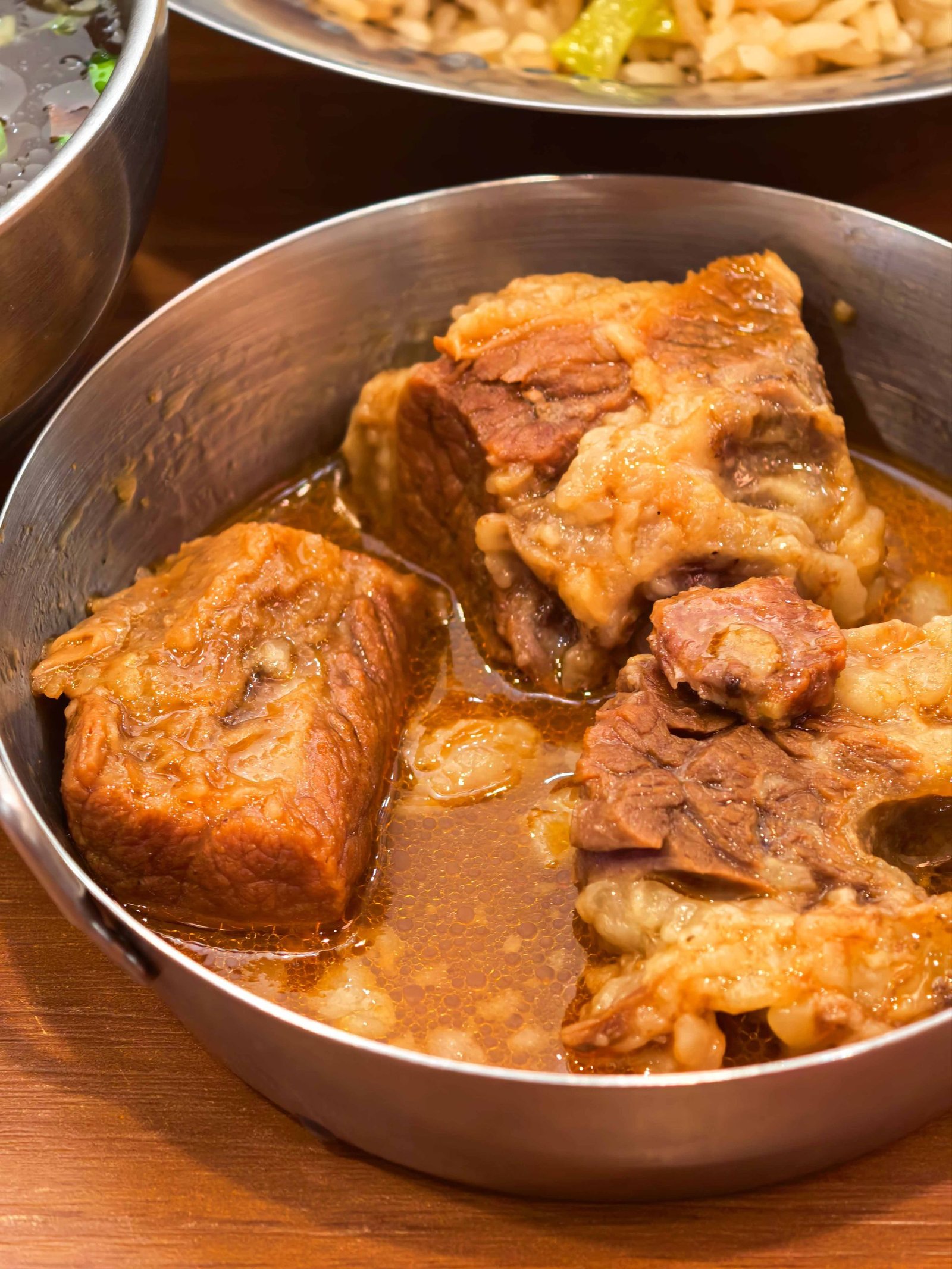
Corfu sofrito is nothing like the Spanish sauce of the same name. This is thin slices of veal, floured and browned, then braised in a pale, garlicky sauce of white wine, vinegar, and parsley. The meat turns meltingly tender, the sauce is sharp and savoury, and a spoonful of mashed potatoes underneath catches every drop. It is quiet-looking food that tastes far bigger than it looks.
The story behind Sofrito
Sofrito belongs to Corfu, the green Ionian island off the west coast of Greece, where it is one of the most loved dishes on the table. The name comes from the Italian soffritto, meaning lightly fried, a reminder of the centuries when Corfu was ruled by Venice and Italian words and flavours settled into the island's cooking. The dish is simple at heart: thin slices of veal, dusted with flour, fried until golden, then simmered in white wine with garlic, parsley, and a splash of vinegar. The island's Venetian past shows in the name and in the cooking, and the dish has survived because it is simple, quick, and quietly elegant.
In Corfu, sofrito is home cooking and celebration food at once. It turns up at Sunday lunch, at family gatherings, and in the small tavernas of Corfu Town, where it is served with mashed potatoes or rice. The sauce is pale, not red, and the plate looks plain next to the island's tomato-rich stews. People who know it, though, order it first. The flavour is all in the balance: the sharpness of the vinegar, the warmth of the garlic, the freshness of the parsley, and the wine holding it all together.
What makes sofrito special is the way the veal is cut and cooked. The slices are pounded thin, so they cook quickly and stay tender, and the flour coating does two jobs at once: it browns in the pan and then thickens the sauce as the meat simmers. The result is meat so soft you can cut it with the side of a fork, sitting in a sauce that is light, tangy, and made for mopping up with bread. The flour on the veal does quiet work in the background, thickening the pan juices into a sauce that coats a spoon, and the parsley stirred in at the end keeps the whole dish tasting fresh rather than heavy.
Cook sofrito when you want something elegant without a lot of work. It suits a dinner with friends, a quiet evening meal, or a Sunday lunch that does not need to take all day. Make it for a family meal in Canada on a weekend evening, serve it with a big bowl of mashed potatoes, and watch the sauce disappear first. It is the kind of dish that makes people ask for the recipe before they have finished eating.
- Prep time
- 20 mins
- Cook time
- 55 mins
- Total time
- 1 hr 15 mins
- Servings
- 4 servings
- Calories
- 430
Ingredients
- 700 g veal escalopes or thin veal steaks
- 60 g plain flour, for dusting
- 1 teaspoon fine sea salt
- 1/2 teaspoon black pepper
- 4 tablespoons olive oil
- 1 tablespoon butter
- 8 garlic cloves, thinly sliced
- 180 ml dry white wine
- 120 ml chicken or beef stock
- 2 tablespoons white wine vinegar
- 1 large bunch flat-leaf parsley, leaves chopped (about 40 g)
- 1 bay leaf
- Mashed potatoes or steamed rice, to serve
Instructions
- Lay the veal slices between two sheets of plastic wrap or baking paper and pound them gently with a meat mallet or a rolling pin until they are about 5 mm thick. Thin meat cooks quickly and stays tender, which is the whole point of this dish. Season both sides with salt and black pepper.
- Spread the flour on a plate and dust each slice of veal lightly on both sides, shaking off the excess. You want a thin, even coating, not a thick crust. The flour will brown in the pan and later thicken the sauce, so a light dusting is all you need.
- Heat the olive oil in a large, wide frying pan over medium-high heat until it shimmers. Fry the veal in batches, about 2 minutes per side, until golden brown. Do not crowd the pan, or the slices will steam instead of browning. Lift each batch out onto a plate as it is done.
- Turn the heat down to medium and add the butter to the same pan. Tip in the sliced garlic and cook for 1 to 2 minutes, stirring constantly, until it turns pale gold and smells sweet. Watch it closely: garlic goes from golden to burnt in seconds, and burnt garlic will spoil the sauce.
- Pour in the white wine and let it bubble for 2 minutes, scraping the bottom of the pan with a wooden spoon to lift up the browned bits. The wine will hiss as it hits the hot pan. Then add the stock, the white wine vinegar, and the bay leaf, and stir everything together.
- Return the veal slices to the pan, tucking them into the sauce in a single layer where you can. Spoon some sauce over the top. Bring the liquid to a gentle simmer, then turn the heat down to low, put the lid on, and cook for 35 to 40 minutes, turning the slices once halfway through.
- After 35 minutes, lift the lid and check the veal. It should be tender enough to cut with a fork, and the sauce should have thickened to a light, glossy coating. If the sauce is still thin, take the lid off and simmer for 5 more minutes. If it is too thick, add a splash of stock.
- Stir in most of the chopped parsley, keeping a little back for the top, and let the pan sit off the heat for 5 minutes. Taste the sauce and adjust the salt and vinegar. It should taste bright and garlicky, with a gentle sharpness that makes you want another spoonful.
- Serve the sofrito hot, spooned over mashed potatoes or steamed rice, with the sauce ladled over the top. Scatter the reserved parsley over each plate. Crusty bread on the side is useful for the last of the sauce, and a simple salad keeps the meal balanced.
Pro tips
- Pound the veal thin and evenly. Thick slices cook unevenly and turn tough, while thin, even slices stay tender and soak up the sauce. Five millimetres is about right. Five millimetres is about right, and an even thickness matters more than an exact number, so take your time with the mallet and check the edges as you go.
- Do not crowd the pan when browning. The slices need space and a hot pan to brown properly. Two or three batches is normal, and each batch only takes a few minutes.
- Watch the garlic like a hawk. Pale gold and fragrant is perfect; brown and bitter is a ruined sauce. If the garlic catches, it is better to start that step again than to carry on.
- Add the vinegar a little at a time and taste. Different vinegars have different strengths, and the sauce should be bright, not sour. Two tablespoons is a guide, not a rule.
- Use a dry white wine you would happily drink. The wine is a main flavour here, not a background note, and a sweet or cheap cooking wine will show in the finished sauce.
Variations & serving ideas
Veal is the classic choice, but this dish works well with other meats. Thin beef steaks, pounded the same way, give a deeper flavour and need a few extra minutes in the sauce. Chicken breast, sliced thin and pounded flat, cooks faster, so check it after 25 minutes. Pork escalopes are a good budget option and turn tender in the same time as veal. Pork escalopes are a good budget option and turn tender in the same time as veal, while a firm white fish, cooked briefly in the sauce, makes a lighter version that still carries the garlic and wine flavours.
The sauce can bend a little too. Some Corfiot cooks add a squeeze of lemon at the end instead of more vinegar, which gives a fresher, brighter finish. A spoonful of capers stirred in with the parsley adds a salty pop. If you like a richer sauce, swirl in a knob of cold butter at the very end, off the heat, and let it melt into a gloss. A squeeze of lemon at the end brightens the sauce, and a spoonful of capers stirred in with the parsley adds a salty pop that suits the wine and garlic well.
Mashed potatoes are the traditional partner, and they are the best thing for catching the sauce. Rice works just as well, and fried potatoes are common in Corfu tavernas. For a lighter meal, serve the sofrito with steamed green beans or a simple salad, and let the sauce be the star. Fried potatoes are common in Corfu tavernas and their crisp edges are made for this sauce, while steamed green beans keep the meal lighter and let the sauce be the star.
Serve it as a Sunday lunch with potatoes and a glass of white wine, or as a dinner-party main that looks far more effortful than it is. A dry white wine, a crisp salad, and good bread are all you need alongside. Leftovers reheat gently and the sauce often tastes even better the next day. A dry white wine and good bread are all you need alongside, and the pot is just as good the next day.
Getting it right
The thin cut is everything in sofrito. Pounding the veal to about 5 mm does three things: it breaks down the fibres so the meat stays tender, it makes the slices cook evenly, and it gives the flour a flat surface to cling to. Work gently with the mallet, starting from the centre and moving outward, and stop when the slice is even. If you pound too hard, the meat tears and the slices fall apart in the pan.
Browning needs a hot pan and dry meat. If the veal is damp from the fridge, the flour turns gummy and the slices steam instead of browning. Pat the slices dry before flouring them, and let the oil shimmer before the first slice goes in. Two minutes a side is enough for a golden crust. The meat finishes cooking in the sauce, so do not try to cook it through in the pan. If the sauce tastes flat at the end, a few drops of vinegar or a squeeze of lemon will lift it; taste, add a little, and taste again rather than pouring in a large splash at once.
The sauce is a balance of wine, vinegar, and garlic, and the most common mistake is letting one of them take over. Too much vinegar makes the dish sour; burnt garlic makes it bitter. Add the vinegar as written, taste at the end, and adjust by half-teaspoons. And keep the simmer gentle once the lid goes on. A hard boil toughens thin meat, while a low simmer lets it relax into tenderness.
Storing & reheating
Sofrito keeps in the fridge for up to 3 days in a sealed container. The sauce thickens as it cools, so reheat it gently in a covered pan over low heat, adding a splash of stock or water to loosen it. Stir in fresh parsley after reheating to brighten the flavour. Stir in a little fresh parsley after reheating to brighten the flavour, and add a splash of stock if the sauce has thickened too much in the fridge.
For longer storage, freeze the cooked veal and sauce together for up to 2 months. Thaw overnight in the fridge and reheat slowly on the stove. Make fresh mashed potatoes or rice to serve with it, since reheated potatoes go gluey. Do not freeze the dish with the potatoes mixed in.
Frequently asked questions
Is Corfu sofrito the same as Spanish sofrito?
No, they are different dishes that share a name. Spanish sofrito is a cooked base of onion, garlic, and tomato used to start many dishes. Corfu sofrito is a complete dish of thin veal slices braised in a white wine, garlic, and parsley sauce. The name comes from the same Italian word, meaning lightly fried.
Can I make sofrito with beef instead of veal?
Yes. Use thin beef steaks, pounded to about 5 mm, and brown them the same way. Beef needs a little longer in the sauce, so give it 45 to 50 minutes instead of 35 to 40, and check that it is tender before serving. The sauce and seasonings stay the same.
What should I serve with Corfu sofrito?
Mashed potatoes are the classic partner and the best way to catch the sauce. Steamed rice and fried potatoes are also common in Corfu. A simple green salad and crusty bread round out the meal, and a dry white wine is the natural drink with it.
Can I use chicken instead of veal?
Yes, chicken breast works well. Slice it thin, pound it flat, and brown it the same way, then simmer for about 25 minutes instead of 40. Check that it is cooked through and tender. The garlic, wine, and parsley sauce suits chicken just as well as veal.
Why is my sofrito sauce too sour?
The vinegar is the usual cause. Different vinegars vary in strength, so add it a little at a time and taste. If the sauce is already too sharp, stir in a pinch of sugar or a knob of butter, which softens the edge. A splash of stock also helps to round it out.
Can I make sofrito ahead of time?
Yes, it reheats well and the flavour often improves overnight. Cook it fully, cool it, and keep it in the fridge for up to 3 days. Reheat gently in a covered pan over low heat, loosening the sauce with a splash of stock, and stir in fresh parsley just before serving.