Rizogalo Recipe
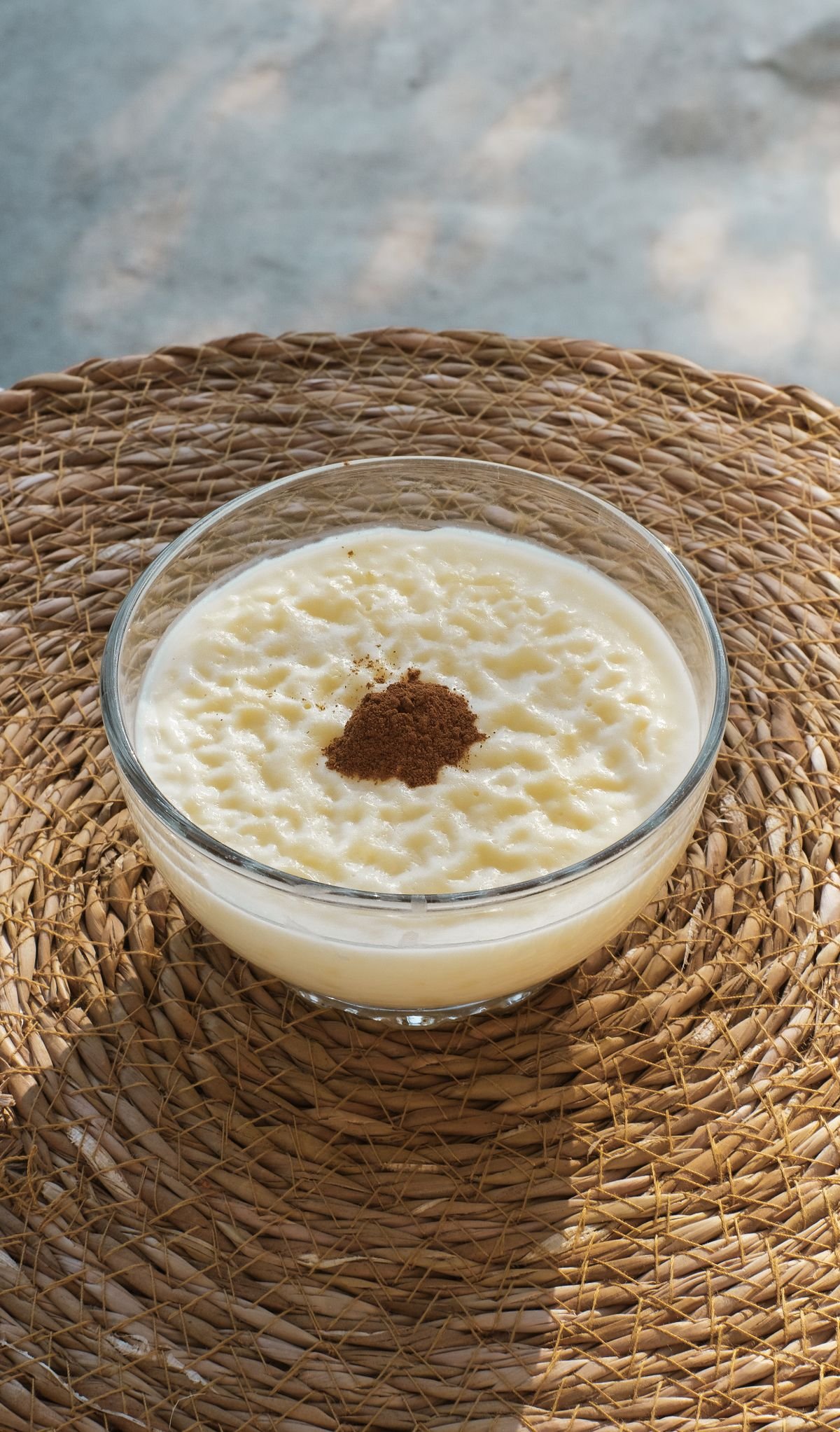
Rizogalo is the Greek rice pudding that turns a few simple ingredients into something silky and comforting. Short-grain rice simmers slowly in milk until it swells soft and the pudding turns thick and creamy, scented with vanilla and a cinnamon stick. Serve it warm from the pot or chilled from the fridge, dusted with ground cinnamon, and you have the dessert every Greek grandmother makes without a recipe.
The story behind Rizogalo
Rizogalo is the rice pudding of Greece, and its name tells you exactly what it is: rizi means rice and gala means milk. It is one of the oldest desserts in the Greek kitchen, made from the two ingredients every household always had — rice and milk — simmered slowly until they turned into something soft, sweet and comforting. There is no oven involved and no fancy technique, just a pot, a spoon and patience. Every Greek family has its own version, and every cook will tell you theirs is the right one.
In Greece, rizogalo is home food. It is the dessert mothers make on a Sunday afternoon, spooned into small bowls and set in the fridge to chill while the family eats lunch. Children come home from school to find a bowl waiting, dusted with cinnamon. Tavernas serve it too, often with a spoonful of sour cherry preserve on top, and it is the kind of dessert that appears at the end of a long meal without anyone ordering it — it simply arrives, cool and creamy, as if it had always been there.
What makes a good rizogalo is the texture. The rice must be soft but not mushy, the milk thick enough to coat a spoon but still loose enough to pour. Short-grain rice is the secret: it releases its starch slowly as it cooks, thickening the milk from the inside without any flour. The cinnamon stick scents the whole pot as it simmers, the vanilla rounds it out, and the egg yolk at the end gives the pudding a soft golden colour and a silky finish.
Cook rizogalo when you want a dessert that asks little of you and gives a lot back. It is a lovely cool pudding for a warm evening in Australia, made in the afternoon and eaten chilled after dinner, with cinnamon dusted over the top. It suits a slow Sunday lunch too, served in small bowls while everyone is still sitting round the table. Make a double batch if you like — it keeps for days in the fridge, and a cold bowl of rizogalo is one of the gentlest ways to end a meal.
- Prep time
- 10 mins
- Cook time
- 45 mins
- Total time
- 55 mins
- Servings
- 4 servings
- Calories
- 310
Ingredients
- 1/2 cup short-grain rice (arborio or carnaroli)
- 4 cups whole milk
- 1/2 cup water
- 1/3 cup sugar
- 1 cinnamon stick
- 1 teaspoon vanilla extract
- 1 tablespoon cornstarch
- 1 egg yolk
- 1 teaspoon lemon zest, finely grated
- 1 pinch salt
- Ground cinnamon, for dusting
- 2 tablespoons cold milk, for the cornstarch slurry
Instructions
- Rinse the short-grain rice under cold running water until the water runs mostly clear, then drain it well. This washes away the loose surface starch that can make the pudding gluey, while keeping the starch inside the grains that will thicken the milk as it cooks. Set the rinsed rice aside while you get the pot ready.
- Tip the rice into a heavy-bottomed saucepan with the half cup of water and the cinnamon stick, and bring it to a gentle simmer over medium heat. Cook for 8 to 10 minutes, stirring now and then, until the water is mostly absorbed and the rice grains have started to swell and soften. The rice should look plump and the pot should smell faintly of cinnamon already.
- Pour in the milk and add the sugar, vanilla extract, lemon zest and a pinch of salt. Stir well and bring the mixture back to the gentlest simmer — the surface should barely tremble, with small bubbles breaking around the edges. If the milk boils hard it can catch on the bottom and taste scorched, so keep the heat low and steady.
- Cook the pudding for 35 to 40 minutes, stirring often with a wooden spoon and scraping the bottom and corners of the pot. The rice will swell, the milk will slowly thicken and the spoon will start to leave a brief trail behind it. You will hear a soft, lazy bubbling, and the kitchen will fill with the smell of warm milk, vanilla and cinnamon.
- While the pudding cooks, whisk the cornstarch with the 2 tablespoons of cold milk in a small bowl until completely smooth. In a separate bowl, whisk the egg yolk until pale. When the rice is soft and the pudding has thickened, take the pot off the heat and let it sit for 2 minutes so it stops bubbling.
- Spoon a little of the hot pudding into the egg yolk, whisking constantly, then pour the warmed yolk back into the pot in a slow stream, stirring all the time. This tempers the yolk so it blends in smoothly instead of scrambling. Stir in the cornstarch slurry the same way, then return the pot to low heat for 2 more minutes until the pudding turns glossy and thick.
- Fish out the cinnamon stick and give the pudding a final stir. It should be thick enough to coat the back of a spoon and fall from it in a slow, heavy ribbon. Remember that it will firm up a lot as it cools, so take it off the heat while it still looks a little looser than you want the finished pudding to be.
- Spoon the rizogalo into small bowls or glasses while it is still warm, smoothing the tops with the back of a spoon. Press a piece of cling film directly onto the surface of each bowl to stop a skin forming, or leave them uncovered if you like the skin. Let them cool on the bench for 20 minutes, then chill in the fridge for at least 2 hours.
- Serve the rizogalo cold, dusted generously with ground cinnamon, or warm if you prefer it that way. A little extra cinnamon on top is traditional, and a few drops of honey or a spoonful of sour cherry preserve on the side makes it feel like a taverna dessert. Eat it slowly, with a small spoon, and enjoy the creamy, cool comfort of it.
Pro tips
- Use short-grain rice, not long-grain or basmati. Short-grain rice releases its starch slowly as it cooks, and that starch is what thickens the milk into a creamy pudding. Long-grain rice stays separate and firm, and the pudding will never turn silky no matter how long you cook it.
- Keep the heat low and stir often, especially in the last 15 minutes. Milk catches easily on the bottom of the pot, and a scorched layer will flavour the whole batch. A heavy-bottomed saucepan helps a lot, and a wooden spoon that reaches the corners is your best friend here.
- Temper the egg yolk properly before it goes into the pot. Whisk a spoonful of hot pudding into the yolk first, then pour the warmed yolk back in a slow stream while you stir. This keeps the yolk smooth and gives the pudding its golden colour and silky finish without any scrambled bits.
- Take the pudding off the heat while it still looks slightly loose. Rizogalo firms up a great deal as it cools, and a pudding that looks perfect in the pot will set too thick in the fridge. It should fall from the spoon in a slow, heavy ribbon, not stand up in peaks.
- Press cling film directly onto the surface of each bowl before chilling. A skin forms when the surface dries out in the fridge, and the film stops it completely. If you actually like the skin, leave the bowls uncovered — some families prefer it that way, and it is entirely a matter of taste.
Variations & serving ideas
For a richer rizogalo, swap one cup of the milk for cream, which makes the pudding softer and more luxurious. For a lighter version, use low-fat milk and leave out the egg yolk, adding an extra teaspoon of cornstarch instead. A little orange zest stirred in with the lemon gives a brighter, citrus note, and a spoonful of honey instead of sugar makes the sweetness softer and more floral.
You can flavour the pudding in different ways. A split vanilla pod simmered with the cinnamon stick gives a deeper vanilla taste than extract. A spoonful of rosewater stirred in at the end makes a fragrant, floral version, and a pinch of mastic, ground fine, gives the pudding a subtle pine-like note that is very traditional in some parts of Greece. Keep the additions gentle so the milk and rice stay the stars.
Serve rizogalo chilled, dusted with ground cinnamon, as a light dessert after a big meal. In Australia, it is a perfect cool pudding for a warm evening — make it in the afternoon, chill it well, and serve it in small bowls with a spoonful of sour cherry preserve or a drizzle of honey on top. It also works warm on a cool night, spooned straight from the pot into bowls.
Pair rizogalo with a small cup of strong Greek coffee or a glass of cold milk, and keep the rest of the meal simple. It follows a grilled fish dinner or a roast chicken beautifully, because its cool creaminess cleans the palate. Leftover rizogalo can be layered with stewed fruit in a glass for a quick trifle, or spread on toast with cinnamon for a sweet breakfast.
Getting it right
The key technique is the slow simmer. Rice pudding cannot be rushed: the milk must stay at the gentlest heat, barely trembling, for 35 to 40 minutes while the rice swells and releases its starch. A hard boil scorches the milk on the bottom of the pot and gives the pudding a bitter, burnt taste that no amount of cinnamon can hide. Use a heavy-bottomed pan, keep the heat low and stir often, scraping the bottom and corners where the milk likes to catch.
Tempering the egg yolk is the second skill. The yolk must be warmed gradually with a little hot pudding before it goes into the pot, or it will scramble into tiny yellow flecks. Whisk constantly as you add the hot pudding to the yolk, then pour the mixture back into the pot in a slow stream, still whisking. The same rule holds for the cornstarch: mix it smooth with cold milk first, never straight into the hot pot.
The most common mistakes are cooking too hot, stopping too early and judging the thickness while it is hot. Too much heat scorches the milk, so keep it low. Too little time leaves the rice hard and the pudding runny, so give it the full 40 minutes. And remember that rizogalo thickens a lot as it cools — take it off the heat while it still looks a little looser than you want, or you will end up with a pudding you can slice instead of spoon.
Storing & reheating
Rizogalo keeps in the fridge for up to 4 days in covered bowls or a sealed container. Press cling film onto the surface before chilling to stop a skin forming, and dust with cinnamon only when you serve it, so the spice stays dry and fragrant. The pudding firms up as it chills, so let a bowl sit out for 10 minutes before eating if you prefer it softer.
To reheat, warm the pudding gently in a small saucepan over low heat with a splash of milk, stirring until it loosens and turns creamy again. You can also microwave a single portion for 40 seconds, stirring halfway. Rizogalo does not freeze well — the milk separates and the rice turns grainy — so make only as much as you will eat within a few days.
Frequently asked questions
Why is my rizogalo too runny?
A runny rizogalo usually means it did not cook long enough or the rice-to-milk ratio was off. Simmer it gently for the full 40 minutes, stirring often, and give it 10 minutes off the heat — it thickens a lot as it cools. A spoonful of cornstarch mixed with cold milk helps too.
Can I make rizogalo dairy free?
Yes, a dairy-free version works with oat milk or almond milk, though the pudding will be a little less rich. Use full-fat oat milk for the best texture, and add an extra teaspoon of cornstarch to help it set. The flavour is gentler, but still lovely with cinnamon.
Can I eat rizogalo warm?
Yes, and in Greece it is often eaten warm, straight from the pot, especially on cold evenings. Warm rizogalo is softer and looser, while chilled rizogalo is firmer and more spoonable. Both are correct — it is simply a matter of taste.
Can I make rizogalo without egg?
Yes, just leave the egg yolk out and increase the cornstarch to 2 tablespoons. The yolk adds richness and a golden colour, but the cornstarch alone will still thicken the pudding nicely, and the flavour of milk, vanilla and cinnamon carries it.
Can I make a sugar-free version?
Yes. Use a sugar-free sweetener that measures like sugar, or leave the sugar out entirely and serve the pudding with honey drizzled on top. The milk and rice bring their own gentle sweetness, so a lightly sweetened version still tastes good.
How do I stop a skin forming on top?
A skin forms when the surface dries out as it cools. Press a piece of cling film directly onto the surface of each bowl before chilling, or stir the pudding once or twice as it cools. If a skin does form, just lift it off — the pudding underneath is fine.