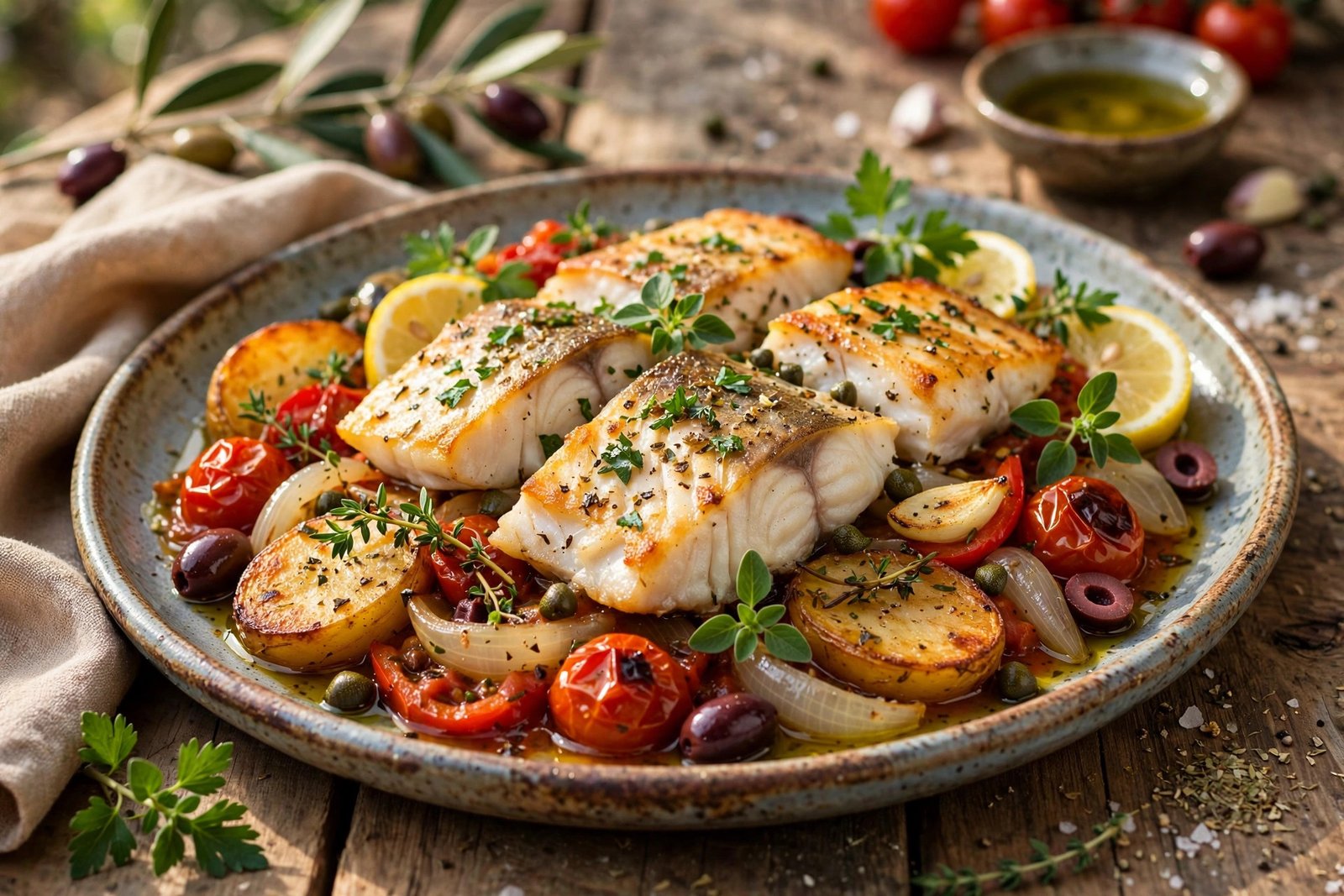
Pantzaria Salata Recipe
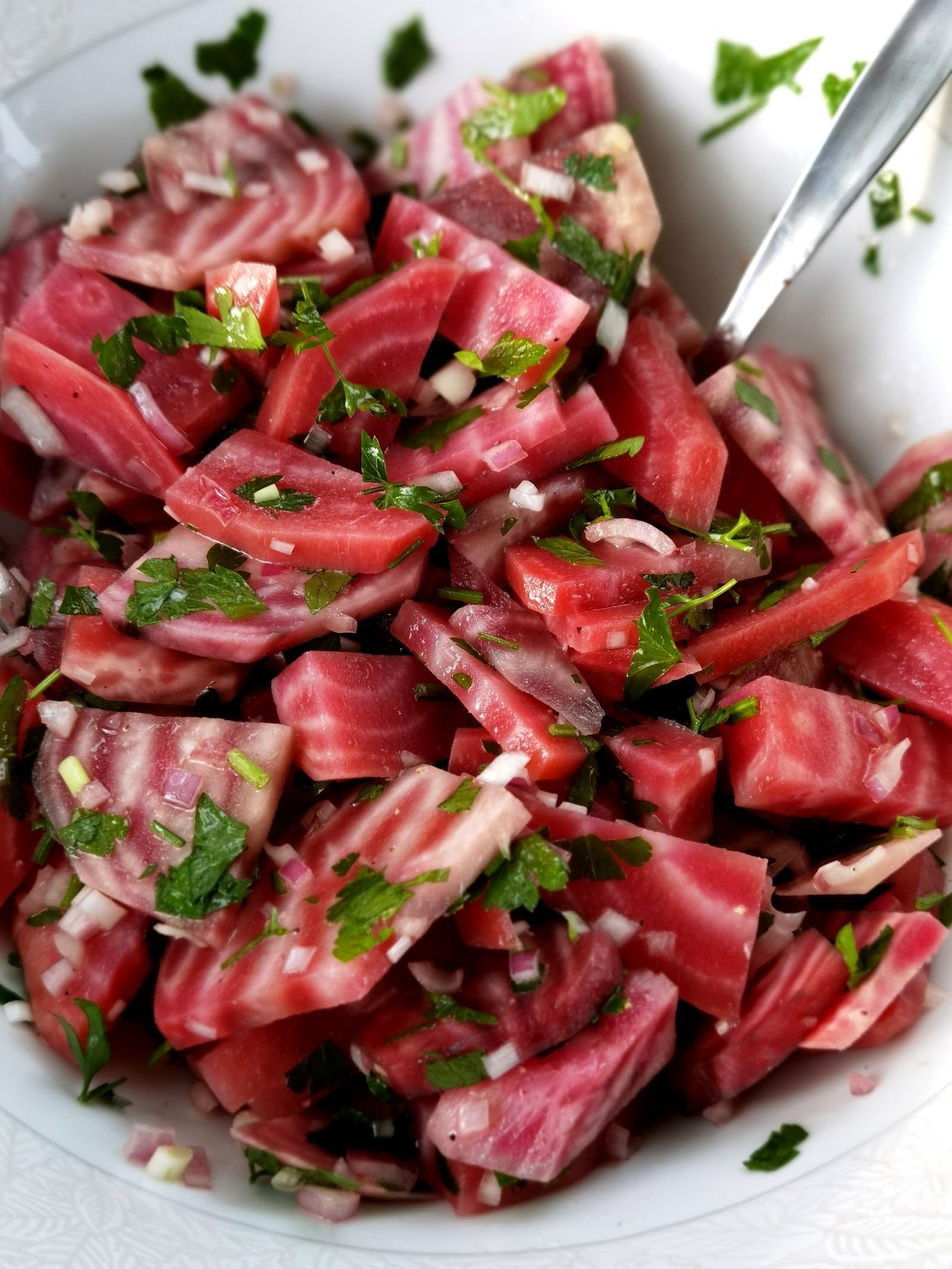
Pantzaria salata is Greece's earthy beetroot salad: tender beets, boiled until soft and sliced, dressed with garlic, olive oil and red wine vinegar, then scattered with walnuts and parsley. It is sweet, sharp and deeply coloured, the kind of salad that looks beautiful on the table and tastes even better. It is simple, honest and very Greek. It is simple, honest and very Greek, and it takes only a few good ingredients to make it shine.
The story behind Pantzaria Salata
Pantzaria salata is one of the oldest salads in the Greek kitchen, and it starts in the garden. Beetroots grow well in Greek soil, and for generations they have been boiled, sliced and dressed with oil and vinegar as a simple, everyday salad. The dish is a taverna staple — it appears on the table as a mezze, a side dish, or a small plate to share — and it is the kind of food that needs no special occasion. Good beets, good oil, garlic and vinegar are all it asks for. Good beets, good oil, garlic and vinegar are all it asks for, and it rewards that simplicity every time. In the Greek islands, the beet leaves are often cooked too, wilted with olive oil and lemon as a second dish.
In Greece this salad belongs to the shared table. It sits among the small plates of a mezze spread, next to tzatziki, olives and grilled fish, and everyone takes a little. It is also a fasting food, eaten during Lent when the table turns to vegetables, and a winter dish, when beets are at their sweetest. The deep red colour makes it stand out on the table, and its earthy sweetness balances the sharp, salty flavours around it. A spoonful of yogurt on the side is the classic taverna pairing, and it cools the sharp garlic dressing nicely.
What makes pantzaria salata special is the balance between the beet and the dressing. Beets are naturally sweet and earthy, and the garlic, vinegar and lemon cut through that sweetness with a sharp, bright edge. Olive oil rounds the whole thing out, and the walnuts add a crunch that keeps the soft beets interesting. It is a simple idea — sweet vegetable, sharp dressing, crunchy topping — and it works every time.
Make this salad when you have good beetroots and a little time to boil them. It suits a mezze table, a grilled fish dinner, or a lunch of bread, cheese and salads. It also keeps well, so you can cook the beets a day ahead and dress the salad when you need it. Serve it at room temperature, in a shallow dish, and let the colour speak for itself.
- Prep time
- 15 mins
- Cook time
- 45 mins
- Total time
- 1 hr
- Servings
- 4 servings
- Calories
- 190
Ingredients
- 4 medium beetroots, about 600 g
- 3 garlic cloves, finely minced
- 1/4 cup extra virgin olive oil
- 2 tablespoons red wine vinegar
- 1 tablespoon fresh lemon juice
- 1 teaspoon sea salt
- 1/2 teaspoon black pepper
- 1/4 cup walnuts, roughly chopped
- 2 tablespoons chopped flat-leaf parsley
- 1 tablespoon chopped dill
- 1 small red onion, thinly sliced
- 100 g Greek yogurt, to serve (optional)
Instructions
- Scrub the beetroots well under cold water and trim the leaves, leaving about 2 cm of stem so the colour does not bleed out during cooking. Do not peel them yet — the skin protects the flesh and keeps the colour deep while they boil.
- Put the beetroots in a large pot, cover with cold water, and bring to a boil over high heat. Turn the heat down and simmer for 40 to 45 minutes, until a knife slides easily into the largest beet. Small beets may be ready at 30 minutes, so check them one at a time.
- Lift the beets out with a slotted spoon and let them cool for 10 minutes, until you can handle them. The skins should slip off easily under your thumbs — rub them off over the sink, as the juice stains. Wear an apron or old clothes, because beet juice marks everything it touches.
- Slice the peeled beets into rounds about 5 mm thick, or cut them into wedges if you prefer. Lay the slices in a shallow serving dish in a single layer so the dressing can reach every piece. The colour should be a deep, rich red-purple.
- Whisk the olive oil, red wine vinegar, lemon juice, minced garlic, salt and pepper in a small jug until the dressing comes together. Taste it — you want a sharp, garlicky dressing with enough salt to season the sweet beets. Add a little more vinegar if it tastes flat.
- Pour the dressing over the beets and toss gently so every slice is coated. The beets will drink in the dressing and the colour will deepen. Let the salad sit for at least 15 minutes so the garlic and vinegar work into the beets.
- Scatter the chopped walnuts, red onion, parsley and dill over the top just before serving. The walnuts add crunch, the onion adds a sharp bite, and the herbs bring a fresh green note against the deep red beets.
- If you are using the yogurt, spoon it alongside the beets rather than over them, so people can take as much as they like. The cool, tangy yogurt is a lovely contrast to the earthy beets and the sharp dressing.
- Serve the salad at room temperature, not cold from the fridge. The flavours are brightest when the beets are not chilled, and the olive oil stays fluid rather than clouding up. Give it one last gentle toss before it goes to the table.
- Arrange the beet slices in overlapping circles on a wide plate for a table-ready look, and drizzle any dressing left in the bowl over the top. The deep red colour against a white plate is part of the pleasure of this salad.
Pro tips
- Cook the beets whole and unpeeled. Peeling them before cooking lets the colour and flavour bleed into the water, while whole beets stay deep red and sweet all the way through. Buy beets of a similar size so they cook in the same time and none turns mushy while the others finish.
- Wear gloves or old clothes when you peel them. Beet juice stains hands, boards and clothes, and the colour is stubborn. A wooden board will hold the stain, so use plastic or a plate.
- Do not overcook the beets. They should be tender enough for a knife to slide in, but still hold their shape when sliced. Mushy beets fall apart in the dressing and turn the salad into a pink mash.
- Let the salad rest for at least 15 minutes before serving. The beets absorb the garlic and vinegar as they sit, and the flavour is far better than a salad dressed at the last minute.
- Toast the walnuts lightly in a dry pan for 2 minutes before chopping. It takes almost no time and gives them a warmer, nuttier flavour that stands up to the strong beets.
Variations & serving ideas
Swap the walnuts for toasted almonds or hazelnuts if you prefer — both give the same crunch with a slightly different flavour. Crumbled feta over the top turns the salad into a heartier dish, and a spoonful of Greek yogurt on the side is the classic taverna pairing. Some cooks add a few capers for a salty pop. A few capers scattered over the top add a salty pop that cuts through the earthy sweetness of the beets. Toasted almonds or hazelnuts give the same crunch with a slightly different, nuttier flavour, if walnuts are not your thing.
If you like a milder garlic note, use one clove instead of three, or let the minced garlic sit in the vinegar for 10 minutes before whisking in the oil — the acid softens the raw bite. For a sweeter dressing, add a teaspoon of honey, which plays well against the earthy beets. Letting the minced garlic sit in the vinegar for 10 minutes softens its raw bite before the oil goes in. A teaspoon of honey in the dressing plays well against the earthy beets, and a little more lemon juice brightens it if the beets taste very sweet.
The salad is generous about how you serve it. It is a classic mezze plate, a side for grilled fish or roast chicken, and a colourful addition to a buffet table. It also works chopped into smaller pieces as a topping for bruschetta, or spooned over a bed of greens as a first course. Chopped into smaller pieces, the salad makes a colourful topping for bruschetta or a bed of greens. It is a colourful addition to a buffet table, where its deep red colour stands out among the other dishes.
For a fuller meal, pair it with a bean dish like gigantes plaki or a lentil salad. The earthy beets and the creamy beans are natural partners, and the sharp dressing keeps the plate lively. A glass of cold white wine or a simple sparkling water with lemon is the right company. The earthy beets and creamy beans are natural partners, and the sharp dressing keeps the whole plate lively.
Getting it right
The key technique in pantzaria salata is cooking the beets properly, and the test is simple: a knife should slide into the largest beet with no resistance. Start them in cold water and bring them up to a simmer — dropping beets into boiling water can crack the skins. Simmer gently rather than boiling hard, and check the small beets first, as they cook faster and will turn mushy if left in too long. Small beets cook faster than large ones, so lift them out one at a time and test each with a knife to keep them from turning mushy.
Peeling is easier than it looks. Let the beets cool for 10 minutes, then rub the skins off with your thumbs under running water or over the sink. The skins slip away easily when the beets are properly cooked. Slice them while they are still slightly warm — they absorb the dressing better that way — and dress them as soon as they are sliced. Wear gloves when you peel them, as the juice stains hands and boards, and the colour is stubborn to wash off.
The most common mistakes are easy to fix. Beets that turn mushy were cooked too long or boiled too hard; next time, check them earlier and keep the simmer gentle. A salad that tastes flat needs more vinegar or more salt — beets are sweet, and they need a sharp dressing to balance them. And if the garlic tastes harsh, let it sit in the vinegar for a few minutes before adding the oil.
Storing & reheating
Pantzaria salata keeps in an airtight container in the fridge for up to 4 days, and the flavour improves after a day as the garlic and vinegar work deeper into the beets. Keep the walnuts separate and add them just before serving so they stay crunchy. The colour may stain the container a little, so use glass or a plastic box you do not mind marking.
You can cook the beets a day or two ahead and keep them whole and unpeeled in the fridge, then slice and dress them when you need the salad. Do not freeze the finished salad — the beets turn soft and watery when thawed, and the dressing separates. Slice and dress only what you need, and keep the rest of the cooked beets whole in the fridge.
Frequently asked questions
What is pantzaria salata?
Pantzaria salata is a Greek beetroot salad made from boiled beets sliced and dressed with garlic, olive oil and red wine vinegar, usually topped with walnuts and herbs. It is a classic taverna mezze. It is a classic taverna mezze, served in small plates to share, and it appears on tables across Greece all year.
How long do beetroots take to boil?
Medium beets take 40 to 45 minutes in simmering water. A knife should slide easily into the largest beet. Small beets may be ready in 30 minutes, so check them one at a time. A knife should slide easily into the largest beet, while the flesh still holds its shape when you slice it.
Should I peel beetroots before boiling?
No, cook them whole and unpeeled. The skin protects the flesh and keeps the colour deep. Once cooked and slightly cooled, the skins slip off easily with your thumbs. The skin protects the flesh and keeps the colour deep, and it slips off easily once the beets have cooled a little.
Can I make pantzaria salata ahead of time?
Yes, it is better after a day in the fridge as the dressing works into the beets. Cook the beets ahead, and add the walnuts just before serving so they stay crunchy. Keep the walnuts separate until serving, so they stay crunchy, and the salad will taste freshly made.
What do Greeks serve with beetroot salad?
It is a mezze plate served with tzatziki, olives and bread, and a side for grilled fish or roast chicken. A spoonful of Greek yogurt on the side is the classic pairing. A spoonful of Greek yogurt on the side is the classic pairing, and it cools the sharp garlic dressing nicely.
Is pantzaria salata vegan?
Yes, without the optional yogurt it is naturally vegan — just beets, garlic, olive oil, vinegar and walnuts. It is also a traditional Lenten dish in Greece. It is a traditional Lenten dish, eaten when the table turns to vegetables and simple, plant-based food.