Kotosoupa Avgolemono Recipe
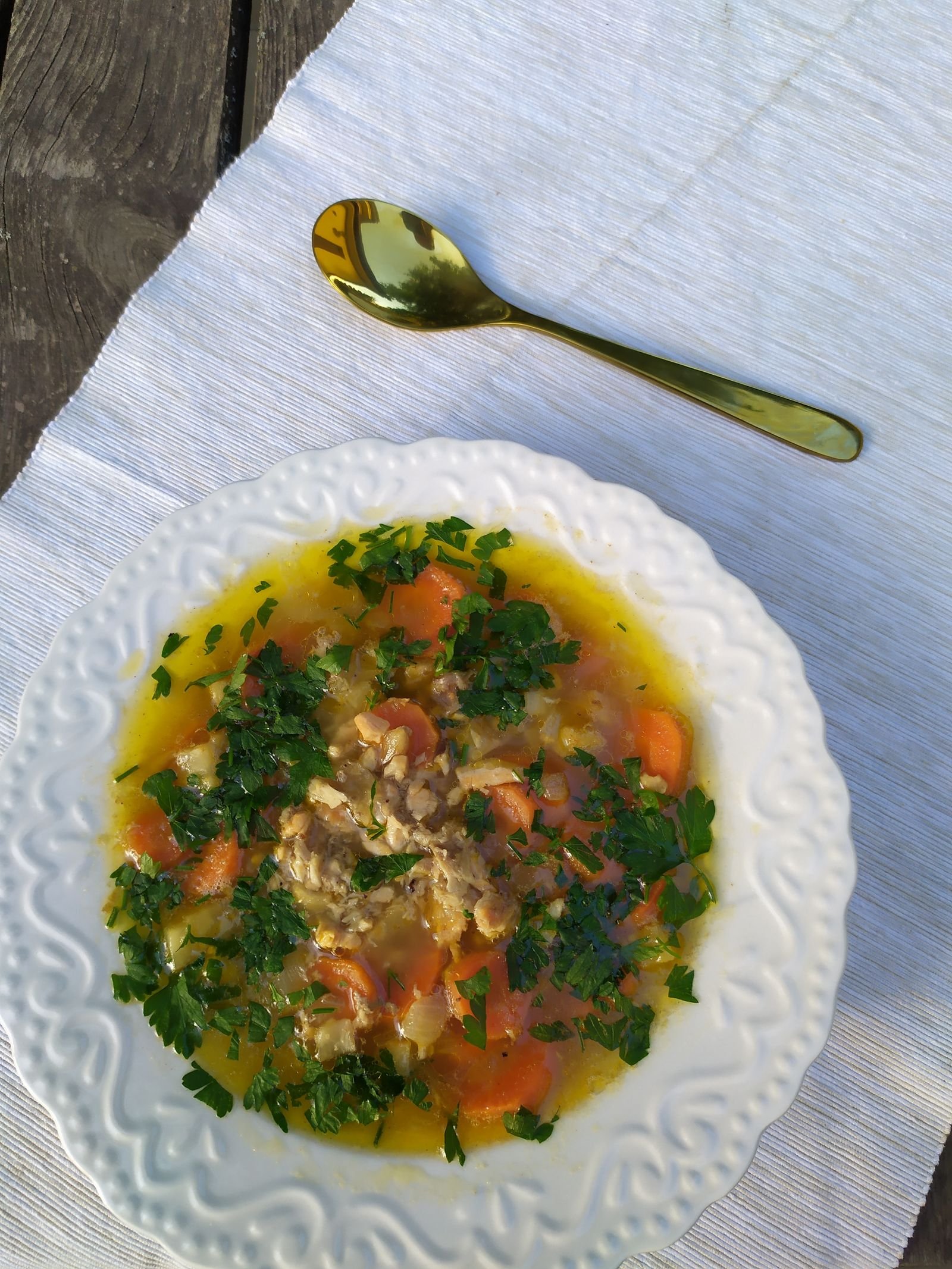
Kotosoupa avgolemono is Greece's beloved lemon chicken soup: tender chicken and rice simmered in a light broth, then finished with avgolemono, a silky sauce of egg and lemon whisked in at the end. It is creamy without any cream, bright without being sharp, and deeply comforting — the soup Greek families turn to on cold days and when someone needs cheering up.
The story behind Kotosoupa Avgolemono
Kotosoupa avgolemono is the soup Greek families reach for when someone is ill, when the weather turns cold, or when the day simply needs comfort. It is a simple chicken soup, but the avgolemono — a sauce of egg and lemon whisked into the hot broth — turns it into something special. The egg gives the soup a silky, creamy body without any cream, and the lemon gives it a bright, clean lift. The technique is old, and it shows up across the Greek kitchen, in soups, in stuffed vegetables, and in sauces for meat and fish. Greek cooks learned long ago that a beaten egg and lemon could give a broth the richness of cream without any dairy at all.
In Greece this soup is home food in the truest sense. It is the soup a mother makes for a child with a cold, the first course at a Sunday family lunch, and the dish that appears on the table after a long day. It is also a soup of economy — a whole chicken gives you meat for the soup, bones for the broth, and enough left over for another meal. Nothing is wasted, and everything tastes of care. When the balance is right, the soup tastes like comfort itself, and one bowl is rarely enough.
What makes this soup special is the balance between the rich and the bright. The chicken broth is warm and gentle, the rice gives the soup body, and the avgolemono ties it all together with a creamy tang. The lemon must be present but not sharp — you should taste it as a freshness at the back of the spoon, not as a sour bite. When the balance is right, the soup tastes like comfort itself.
Cook this soup when you want something warm and soothing without much work. It suits a cold evening, a day when someone in the house is under the weather, or a quiet family dinner. It is also a good soup to make in a big batch — the flavour holds up well — though the avgolemono is best added fresh each time you reheat it. Serve it with crusty bread and lemon wedges.
- Prep time
- 15 mins
- Cook time
- 45 mins
- Total time
- 1 hr
- Servings
- 4 servings
- Calories
- 340
Ingredients
- 1 whole chicken, about 1.4 kg, or 4 bone-in thighs
- 1.5 litres water or light chicken stock
- 1 onion, halved
- 2 carrots, sliced into rounds
- 2 celery stalks, sliced
- 1/2 cup short-grain rice, rinsed
- 2 large eggs, at room temperature
- 1/3 cup fresh lemon juice, about 2 lemons
- 2 bay leaves
- 1 teaspoon sea salt
- 1/2 teaspoon black pepper
- 2 tablespoons olive oil
- Fresh dill, chopped, to garnish
- Lemon wedges, to serve
Instructions
- Put the chicken, onion, carrots, celery, bay leaves and water in a large pot and bring it to a boil. Skim off the foam with a spoon — a clean broth starts here, and the foam carries the cloudy, bitter bits you do not want.
- Turn the heat down to a gentle simmer, cover the pot with the lid slightly ajar, and cook for 35 minutes. The chicken should turn tender and the broth should smell clean and warm. Keep the simmer gentle — a rolling boil will make the chicken tough and the broth cloudy.
- Lift the chicken out onto a plate and let it cool for 5 minutes. Strain the broth through a fine sieve into a clean pot and return the carrots and celery to it. Discard the onion and bay leaves. The strained broth should look clear and golden.
- Add the rinsed rice to the broth and simmer for 15 minutes until the grains are tender and slightly swollen. While the rice cooks, pull the chicken meat off the bones in bite-sized pieces and discard the skin and bones. The meat goes back into the pot at the end.
- Whisk the eggs until pale and frothy, about 1 minute, then add the lemon juice and whisk again until smooth. The eggs must be at room temperature, or they will seize when the hot broth hits them.
- Take the pot off the heat completely — this is the most important step. Ladle in the hot broth one spoonful at a time, whisking constantly, until you have added about 2 cups and the mixture feels warm and looks pale and creamy.
- Pour the tempered egg and lemon mixture back into the pot in a slow stream, stirring all the time. Return the shredded chicken to the pot and stir gently. The soup should turn a soft, pale gold and look slightly thicker than before, but it must never boil again.
- Season with salt and pepper and taste — you want a gentle lemon brightness, not a sharp sourness. Add a little more lemon juice if it tastes flat, or a spoonful of warm broth if it tastes too sharp. Stir in the olive oil for a soft, glossy finish.
- Ladle the soup into warm bowls and scatter over the chopped dill. Serve straight away with lemon wedges on the side and crusty bread for dipping. The soup is best eaten fresh, while the avgolemono is still silky and the rice is at its most tender.
- Keep a small jug of extra lemon juice on the table so everyone can adjust their own bowl. Some people like their avgolemono gently lemony, while others want a brighter, sharper lift, and the soup welcomes both.
Pro tips
- Never let the soup boil after the egg and lemon go in. Boiling scrambles the egg and turns the silky sauce into a grainy mess — take the pot off the heat first and keep it off. Use a whole chicken rather than pieces when you can, as the bones give the broth a deeper, rounder flavour.
- Temper the eggs slowly, one ladle at a time. Rushing this step is the most common reason the sauce splits, and a split avgolemono cannot be fixed once it curdles. Let the chicken cool for a few minutes before shredding it, or the meat will tear and dry out in your hands.
- Use room-temperature eggs. Cold eggs seize when hot broth hits them, while room-temperature eggs blend smoothly and give you a silkier sauce.
- Rinse the rice before it goes in. The rinse removes surface starch, so the soup stays light and clear instead of turning thick and starchy as it sits.
- Taste the lemon at the end, not at the start. Lemons vary in sharpness, and the right amount depends on the broth in front of you — a little more or a little less makes a real difference.
Variations & serving ideas
Swap the rice for orzo, the small rice-shaped pasta that many Greek families use instead. It cooks in about 8 minutes and gives the soup a slightly different, silkier texture. Some cooks use a mix of rice and orzo, or add a handful of tiny pasta stars for children. A few spoonfuls of cooked chickpeas make the soup heartier. Some cooks use a mix of rice and orzo, or add a handful of tiny pasta stars that children love. A few spoonfuls of cooked chickpeas make the soup heartier, and they sit well with the lemon and rice.
If you like a richer soup, use stock instead of water and add a little more chicken. For a lighter version, use skinless chicken breast and skim the broth well — the avgolemono still gives it a creamy feel without much fat. A knob of butter stirred in at the end is a northern Greek touch that adds warmth. A knob of butter stirred in at the end is a northern Greek touch that adds warmth and a soft richness. For a lighter version, use skinless chicken breast and skim the broth well — the avgolemono still gives it a creamy feel.
The soup is generous about how you serve it. Crusty bread is the classic partner, for dipping into the silky broth. A simple green salad with lemon dressing on the side makes a complete light meal, and a plate of olives and feta turns it into a proper Greek lunch. Crusty bread is the classic partner, for dipping into the silky broth, and a little extra lemon on the table lets everyone adjust their own bowl. The bread soaks up the silky broth, and a second helping is almost guaranteed.
For a fuller meal, follow the soup with a grilled fish or a simple roast chicken, and keep the flavours light and lemony throughout. A glass of cold white wine suits the lemon brightness, and a pot of mountain tea or chamomile after the meal is the traditional Greek way to finish a comforting dinner. For a fuller meal, follow the soup with a grilled fish or a simple roast chicken, keeping the flavours light and lemony throughout.
Getting it right
The key technique in this soup is tempering the avgolemono, and it is worth learning properly. Whisk the eggs until they are pale and frothy, then add the lemon juice and whisk again. Take the pot completely off the heat, and add the hot broth to the eggs one ladle at a time, whisking constantly. By the time you have added two cups, the egg mixture should feel warm — only then do you pour it back into the pot, in a slow stream, stirring all the time. If the soup does boil after the sauce goes in, take it off the heat at once — the damage is done, but a quick stir can sometimes save the texture.
Heat control runs through the whole dish. The chicken needs a gentle simmer, not a rolling boil, so the meat stays tender and the broth stays clear. The rice needs a steady simmer too, so it cooks evenly without sticking. And once the avgolemono is in, the soup must never boil again — even a brief boil will scramble the eggs and ruin the silky texture.
The most common mistakes are easy to fix. A grainy or split sauce means the broth was too hot or added too fast — temper more slowly next time, and always take the pot off the heat first. A cloudy broth means the soup boiled too hard or was not skimmed at the start. A soup that tastes too sharp needs a little more broth or a pinch of salt to round out the lemon.
Storing & reheating
Kotosoupa avgolemono keeps in the fridge for up to 3 days, though the rice will keep absorbing liquid and the soup will thicken as it sits. Store the soup and the avgolemono separately if you can — keep the plain chicken and rice soup in one container, and whisk up a fresh egg and lemon sauce when you reheat it. The rice will keep absorbing liquid as it sits, so the soup thickens — stir in a little warm stock when you reheat it.
You can freeze the plain soup base — broth, chicken and rice — for up to 2 months, but do not freeze the finished soup with the avgolemono in it, as the egg sauce separates when thawed. Thaw the base overnight in the fridge, reheat it gently, then temper in a fresh egg and lemon mixture just before serving.
Frequently asked questions
What is avgolemono?
Avgolemono is a Greek sauce made from eggs and lemon juice, whisked together and tempered with hot broth. It gives soups and sauces a silky, creamy texture and a bright lemon flavour without any cream. The sauce also appears in stuffed vegetables and in sauces for fish, always giving the same silky, lemony finish.
Why did my avgolemono split?
The broth was too hot or added too fast, or the soup boiled after the sauce went in. Always take the pot off the heat, temper the eggs slowly with one ladle at a time, and never let the soup boil again. Slow down the tempering next time and keep the pot well away from the heat.
Can I use orzo instead of rice?
Yes, orzo is a popular choice in Greek homes. It cooks in about 8 minutes and gives the soup a silkier texture. Add it in the same step as the rice and watch it closely so it does not overcook. Orzo cooks faster, so add it later and check it at 8 minutes to keep it from turning soft.
Can I make kotosoupa avgolemono ahead of time?
Yes, but keep the soup base and the avgolemono separate. Store the chicken and rice soup in the fridge, then whisk up a fresh egg and lemon sauce and temper it in when you reheat. Whisk the egg and lemon fresh each time you reheat, and never let the soup boil once the sauce is in.
Is this soup good when you are ill?
In Greece it is the classic soup for a cold or an upset stomach. The light broth is easy to digest, the lemon feels cleansing, and the warm, gentle flavours are soothing when you do not feel like eating much. The light broth is easy to digest, and the warm lemon flavour feels cleansing when your appetite is small.
What should I serve with this soup?
Crusty bread is the classic partner for dipping into the silky broth. A simple green salad with a lemon dressing makes a complete light meal. A plate of olives and feta on the side turns the soup into a proper Greek lunch without much extra work.