Crème de Carottes Recipe
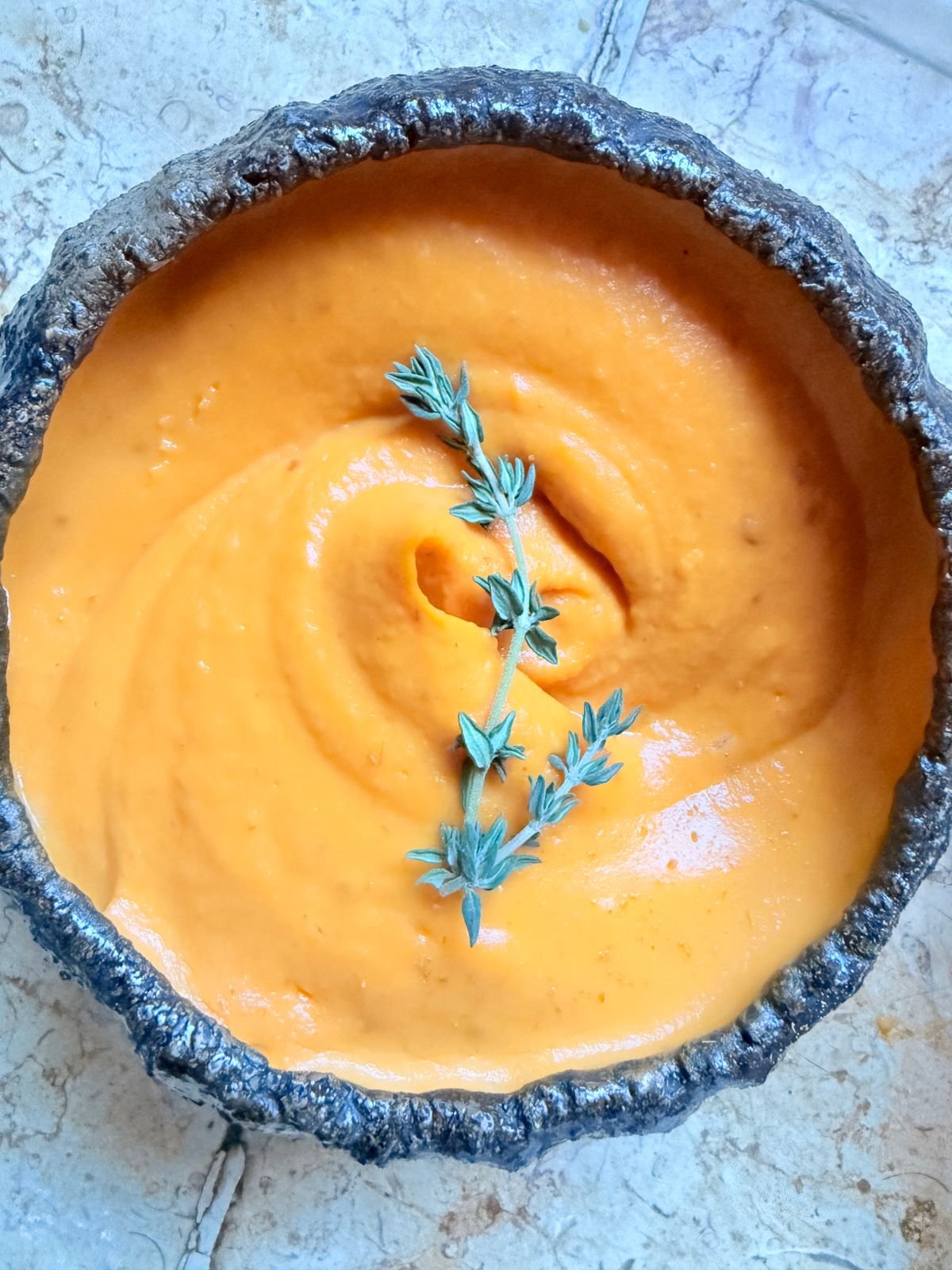
A smooth, golden soup made from sweet carrots, onion and a little cream, blended until it pours like silk. Crème de carottes is the quiet classic of French home cooking — simple, warming and honest, with a spoonful of crème fraîche and a scatter of herbs on top. It takes one pot, half an hour, and almost no effort at all.
The story behind Crème de Carottes
Carrot soup has been on French tables for as long as anyone can remember, because carrots are cheap, keep well through winter, and turn sweet when cooked slowly. Crème de carottes is the refined version of that humble pot — the same carrots and onion, blended smooth and finished with cream until the soup pours like silk. It appears on bistro menus as a starter and in home kitchens as a light supper, and it has stayed in fashion precisely because it asks so little of the cook.
In France, soup is not an afterthought. It opens the meal, it fills a lunch on its own, and it is the food that appears when someone is tired, cold or unwell. French cooks treat a simple soup with the same care they give a sauce, tasting and adjusting until the balance is right. Carrot soup shows that attitude at its clearest: there are only a few ingredients, so each one has to be good, and the cook's job is to let them speak rather than to hide them under heavy seasoning.
What makes this soup special is its texture. A well-made crème de carottes is completely smooth, with no grain or fibre, and it coats the spoon without being heavy. The sweetness of the carrots is balanced by the onion and the salt, and the cream rounds off the edges without drowning the flavour. The colour does the rest — a warm, deep orange that looks like sunshine in a bowl. It is a soup that tastes as good as it looks, which is rarer than it sounds.
Cook this on a cold evening when you want something warm and gentle, or as a first course before a heavier main. It suits a quiet weeknight supper with bread and cheese, and it is kind to a cook who is short on time — one pot, one blender, and the stove does most of the work. Buy carrots that feel firm and heavy, keep the seasoning simple, and blend longer than you think you need to. Those three habits are the whole secret.
- Prep time
- 15 mins
- Cook time
- 35 mins
- Total time
- 50 mins
- Servings
- 4 servings
- Calories
- 280
Ingredients
- 800 g carrots, peeled and sliced
- 1 onion, finely chopped
- 2 garlic cloves, sliced
- 30 g unsalted butter
- 1 litre vegetable or chicken stock
- 1 bay leaf
- 1 teaspoon fresh thyme leaves
- 100 ml double cream
- 2 tablespoons crème fraîche, to serve
- 1 tablespoon olive oil
- Sea salt and black pepper
- 1 small bunch chives, snipped
- Crusty bread, to serve
Instructions
- Peel the carrots and cut them into coins about 1 cm thick. Even pieces matter more than pretty ones — if some are thick and some thin, they cook at different speeds and the soup blends unevenly. Chop the onion finely and slice the garlic thinly, and keep them in separate piles so you can add them in order.
- Melt the butter in a large saucepan over medium heat until it foams. Add the onion and a pinch of salt, and cook for 5 minutes, stirring now and then, until the onion turns soft and translucent. You want it sweet and pale, not brown — browning would darken the soup and add a bitter note that fights the carrots.
- Add the garlic and cook for 30 seconds, just until you can smell it. Then tip in the carrots and stir them around in the butter for 2 minutes so each piece is coated and glossy. This short fry warms the carrots through and helps their sweetness come out in the soup.
- Pour in the stock and add the bay leaf and the thyme. Turn the heat up until the liquid reaches a steady simmer, then lower it to a gentle bubble. The surface should move lazily; a hard boil will make the carrots break apart too fast and the soup taste flat. Skim off any foam that rises in the first few minutes.
- Cook for 25 minutes, or until the carrots are completely soft when you press one against the side of the pan with a spoon. They should give way with no resistance at all. If they still feel firm in the middle, give them another 5 minutes — undercooked carrots will never blend smooth, no matter how long you run the blender.
- Fish out the bay leaf and throw it away. Pour in the cream and stir it through, then take the pan off the heat. Blend the soup in batches in a jug blender, or use a stick blender straight in the pan, until it is completely smooth. Hold the blender running a full minute longer than seems necessary — that extra time is what turns a good soup into a silky one.
- Taste the soup and season it well. Carrots are sweet, so the soup needs more salt than you might expect before the flavours come into balance. Add black pepper a little at a time and taste as you go. If the soup is too thick, stir in a splash of hot stock until it pours from the ladle in a smooth, even ribbon.
- Ladle the soup into warm bowls. Swirl a spoonful of crème fraîche across the top of each one, drizzle with a little olive oil, and scatter the chives over everything. The garnish should sit on the surface, so add it at the last moment. Serve at once with crusty bread for dipping.
- Set the bowls down and eat the soup while it is hot. The first spoonful should taste sweet, buttery and clean, with the cream rounding off the edges. If you are serving it as a starter, keep the portions small — a full bowl is a light lunch on its own.
Pro tips
- Choose carrots that feel firm and heavy for their size, with bright colour and no soft spots. Old, bendy carrots taste woody and will never make a sweet soup.
- Cut the carrots into even coins so they cook at the same speed. Uneven pieces mean some are mush while others are still firm, and the soup will not blend smoothly.
- Do not brown the onion. A pale, soft onion keeps the soup sweet and the colour clear; a browned onion darkens the soup and adds a bitter edge.
- Blend in small batches with the lid held down firmly. Hot soup expands in a blender and can lift the lid, so fill the jug only halfway and use a folded tea towel for safety.
- Warm the bowls before you serve. Soup cools fast in a cold bowl, and a warm bowl keeps the crème fraîche swirl and the chives looking fresh for longer.
Variations & serving ideas
The simplest change is the spice. A small piece of fresh ginger, peeled and grated, adds warmth without heat and suits the soup well — add it with the garlic so it softens in the butter. A pinch of ground cumin gives an earthier flavour that is common in southern French versions, and a little curry powder turns the soup gently golden and fragrant. Add spices a little at a time and taste as you go; carrots absorb flavour fast, and too much spice will bury their sweetness.
You can also change the vegetables. A potato stirred in with the carrots makes the soup thicker and more filling, while a parsnip adds a nutty sweetness that works well in winter. Roasting half the carrots first, at 200°C for 25 minutes until the edges brown, gives a deeper, caramelised flavour that the simmered version does not have. Try the roasted version on a weekend when you have the oven on anyway.
The toppings are where you can have fun. Toasted pumpkin seeds add crunch, a drizzle of walnut oil adds a nutty note, and a spoonful of grated Gruyère melted into the hot soup turns it into a heartier lunch. For a fresher plate, add a spoonful of chopped parsley or a few thin ribbons of raw carrot on top. Butter-fried croutons are the classic choice, and they take five minutes in a pan while the soup simmers.
Serve crème de carottes as a starter before a roast, or as a light lunch with a cheese sandwich and a green salad. A glass of dry white wine suits it as a starter, and a simple fruit dessert — baked apples or a poached pear — rounds off the meal without heaviness. The soup also travels well in a flask, which makes it a good choice for a picnic or a packed lunch on a cold day.
Getting it right
The texture of this soup comes down to two things: cooking the carrots until they are fully soft, and blending for longer than feels necessary. Carrots that are still firm in the middle will never blend smooth — they leave tiny hard flecks that no amount of blending fixes. Test with a spoon against the side of the pan; the carrot should crush with almost no pressure. If you are unsure, give it five more minutes. Overcooked carrots are forgiving here, undercooked ones are not.
The second skill is the blend itself. A jug blender gives the smoothest result because its blades spin faster than a stick blender, but either tool works if you are patient. Blend in batches, never filling the jug more than halfway with hot soup, and hold the lid down with a towel. Once the soup looks smooth, keep blending for another full minute. That extra time breaks down the last fibres and whips in a little air, which is what makes the soup feel silky rather than simply pureed.
The most common mistake is under-seasoning. Sweet vegetables need a surprising amount of salt before their flavour wakes up, and cream softens salt further, so taste the soup after the cream goes in and season again. The other mistake is boiling the soup hard, which makes the carrots fall apart too fast and dulls the flavour. Keep the simmer gentle and the lid slightly open, and the soup will reward you with a clean, sweet taste and a bright orange colour.
Storing & reheating
This soup keeps beautifully in the fridge for three to four days, and the flavour actually deepens overnight as the carrots and thyme settle together. Store it in a sealed container and cool it quickly before refrigerating. Reheat gently over low heat, stirring often, and add a splash of hot stock or water because the soup thickens as it sits. Taste and re-season before serving, since cold dulls salt.
Crème de carottes freezes well for up to three months. Freeze it in portions without the crème fraîche topping, and leave a little room in each container for the soup to expand. Defrost overnight in the fridge and reheat slowly on the stove. Stir in the cream and fresh garnish only after reheating, so the soup keeps its fresh colour and silky texture.
Frequently asked questions
Can I freeze crème de carottes?
Yes, and it is one of the best soups to freeze. Cool it fully, then freeze in portions for up to three months. Leave out the cream until you reheat, then stir it in fresh. The soup thickens slightly after freezing, so add a splash of stock or water when you warm it.
Can I use a stick blender for this soup?
A stick blender works well and saves washing up, but a jug blender gives a smoother finish. If you use a jug blender, fill it only halfway with hot soup and hold the lid down with a folded tea towel. Blend for a full minute longer than you think you need — that extra time is what makes the soup silky.
Should I roast the carrots first?
Roasting the carrots first gives a deeper, sweeter flavour, but the classic recipe simmers them, which is quicker and lighter. If you have time, roast half the carrots at 200°C for 25 minutes until the edges brown, then simmer them with the rest. The soup will taste richer and slightly caramelised.
Why is my soup thicker the next day?
The soup will thicken in the fridge as the starch sets, so stir in a little hot stock or water when you reheat it. Warm it gently over low heat and stir often so it does not catch on the base. Taste again before serving — cold soup always needs a pinch more salt.
Can I add ginger or cumin to this soup?
Both work, but they taste different. Ginger adds warmth and a little heat, and a small piece — about 2 cm, peeled and grated — suits the soup well. Cumin gives an earthier, warmer note and is common in southern French versions. Try one at a time so you know which one your table prefers.
What toppings go well with carrot soup?
Keep the soup simple and let the garnish do the work. A swirl of crème fraîche, a few toasted pumpkin seeds, a drizzle of good olive oil, or a scatter of chopped chives all look and taste good. Croutons fried in butter add crunch, and a little grated Gruyère melted on top turns a light soup into a more filling lunch.