Clafoutis aux Pommes Recipe
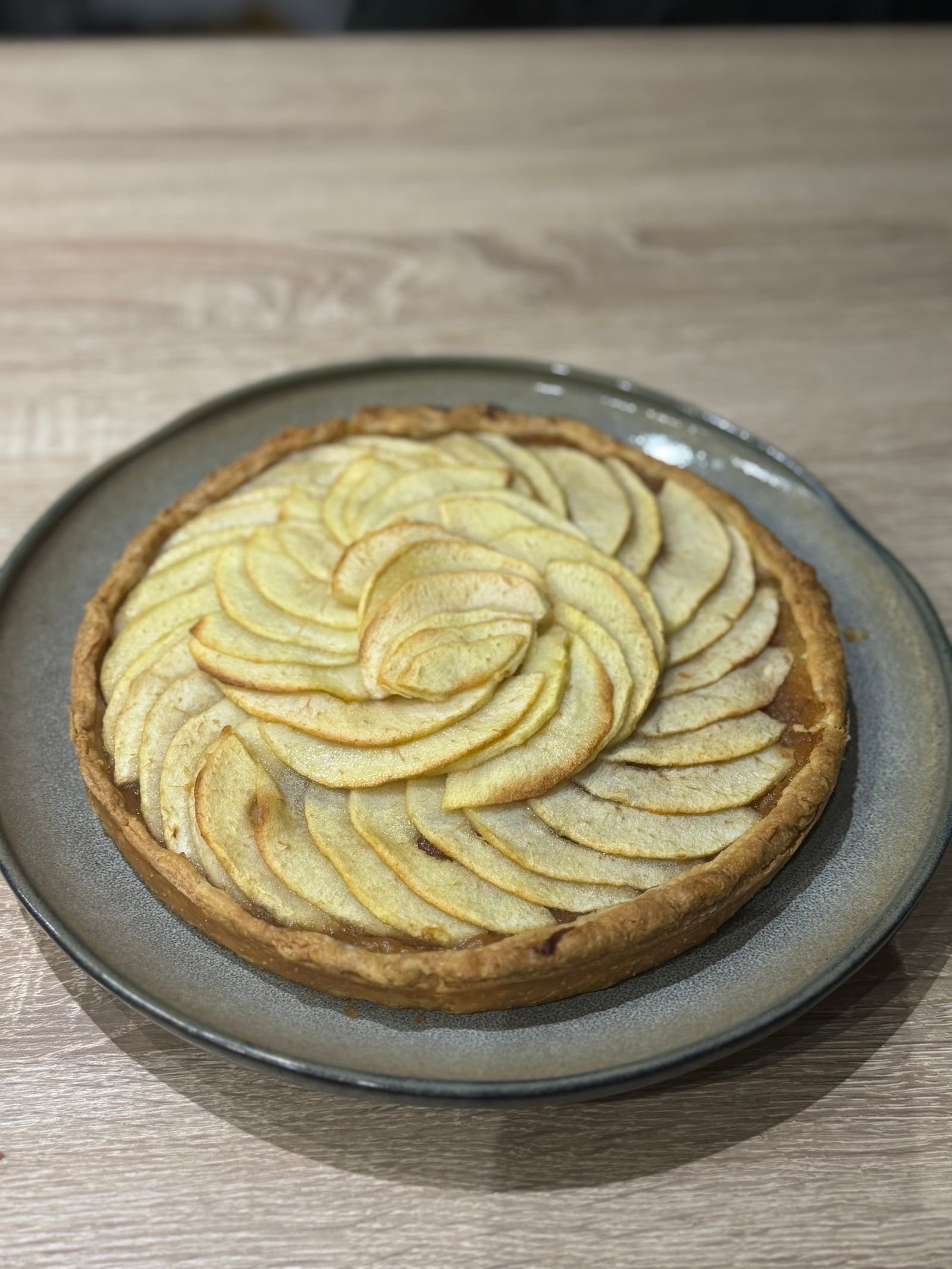
Clafoutis aux Pommes is the kind of dessert French families make without a recipe book, because the method is so simple. Sliced apples are arranged in a buttered dish and a thin, eggy batter is poured over them. In the oven it puffs up around the fruit and turns golden, soft in the middle and lightly crisp at the edges.
The story behind Clafoutis aux Pommes
Clafoutis comes from the Limousin region of central France, where it was first made with black cherries, stones and all, straight from the orchard. The name comes from an old word meaning to fill or stuff, which is exactly what the batter does around the fruit. Farmhouse cooks made it with what they had: eggs, milk, flour, sugar, and whatever fruit was ripe. It was never a fancy dessert, and that is part of its charm. The cherries were traditionally left unstoned, because the stones were said to add a faint almond flavour to the batter as it baked, and many older cooks still insist on it.
In French homes a clafoutis is the pudding you make when friends drop by or when the fruit bowl is full and something needs using. It takes ten minutes to put together and the oven does the rest, so the cook can get on with the meal. The cherry version is the famous one, but apples, pears, plums, and apricots all have their season, and every region defends its own favourite fruit. In Limousin the clafoutis was often carried to the fields in its dish, wrapped in a cloth, and eaten warm at midday with a jug of cider.
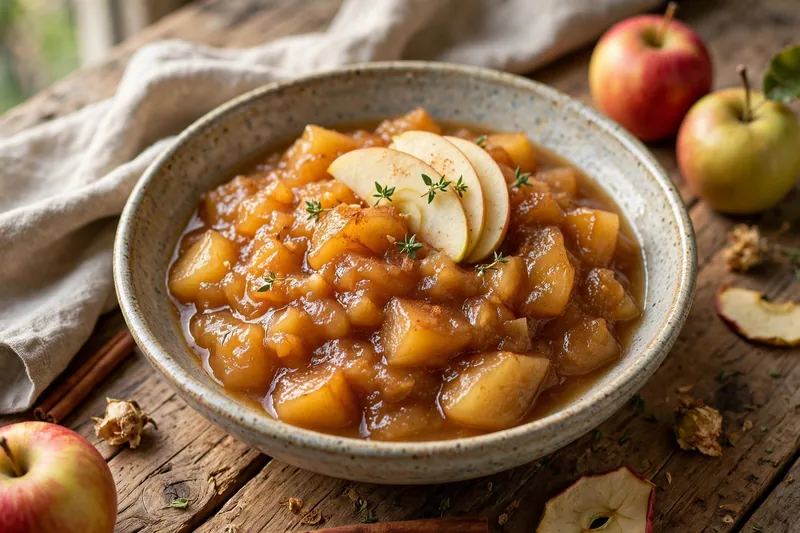
What makes this dessert so good is the way the apples change in the oven. They soften and turn sweet and a little jammy where they touch the dish, while the batter around them sets into something between a custard and a pancake. A little Calvados or vanilla in the batter adds warmth, and a dusting of icing sugar on top makes the plain dish look finished. It is simple food, but the textures are exactly right. A little grated lemon zest in the batter brightens the apples and stops the finished dish from tasting too sweet, especially if your apples are already sugary.
Cook this in autumn, when apples are at their best, or any evening when you want a warm dessert without a project. It is at its best served straight from the oven, still puffed and warm, with the centre just set. It also suits a relaxed lunch, because you can mix the batter while the main course cooks and slide the dish in as you sit down to eat. It is also a forgiving dessert for a nervous cook, because the batter hides any uneven slicing and the dish looks rustic and generous whatever happens.
- Prep time
- 20 mins
- Cook time
- 40 mins
- Total time
- 1 hr
- Servings
- 6 servings
- Calories
- 310
Ingredients
- 4 medium apples, such as Braeburn or Cox
- 3 medium eggs
- 100 g caster sugar, plus extra for the dish
- 80 g plain flour
- 300 ml whole milk
- 1 teaspoon vanilla extract
- 1 tablespoon Calvados or brandy (optional)
- 30 g unsalted butter, melted, plus extra for greasing
- 1 pinch of salt
- 1 teaspoon ground cinnamon
- Icing sugar, for dusting
Instructions
- Heat the oven to 180°C and butter a 24 cm round baking dish generously, then dust it lightly with caster sugar. The sugar helps the edges of the clafoutis turn golden and stops the batter from sticking. A well-buttered dish also gives the edges a light caramel crispness that makes serving easier.
- Peel the apples, cut them into quarters, and remove the cores. Slice each quarter into thin wedges, about 5 mm thick, so they cook through in the same time as the batter sets. Thick chunks will stay hard in the middle.
- Arrange the apple slices in the buttered dish in overlapping circles, like the petals of a flower. Sprinkle the cinnamon over them. A neat arrangement is not just for looks; it means every slice gets coated in batter and cooks evenly.
- Whisk the eggs and sugar in a large bowl for about 2 minutes until the mixture turns pale and slightly frothy. This whisking puts air into the batter, which helps the clafoutis puff up in the oven. The mixture should fall from the whisk in a thin ribbon, and if it seems too thick, add a spoonful more milk until it flows easily.
- Sift in the flour and salt and whisk until smooth, then pour in the milk a little at a time, whisking as you go. Add the vanilla, the Calvados if you are using it, and the melted butter, and whisk until you have a thin, lump-free batter like single cream.
- Pour the batter slowly over the apples, starting at the edge and working inward, so it seeps between the slices without washing them out of place. The apples should peek through the surface in places, and that is how it should look.
- Bake for 40 minutes until the top is puffed and golden and the centre barely wobbles when you shake the dish gently. The edges will rise higher than the middle, and the surface should look set rather than wet. If it browns too fast, cover it loosely with foil.
- Take the dish out of the oven and leave it to settle for 10 minutes. The clafoutis will sink a little as it cools, and that is normal; the texture firms up and the slices become easier to serve.
- Dust the top generously with icing sugar just before serving. Serve it warm, straight from the dish, in generous spoonfuls with cream, crème fraîche, or a scoop of vanilla ice cream. A dusting of icing sugar just before serving makes the plain dish look finished and special.
Pro tips
- Use a firm, slightly tart apple such as Braeburn or Cox. Soft eating apples collapse into mush, while a firm apple keeps its shape and gives the dessert some bite. Taste a slice of your apple raw before you start, because a sharp apple needs a little more sugar in the batter than a sweet one.
- Slice the apples thinly and evenly. Uneven slices cook at different rates, so you end up with some pieces still crunchy and others falling apart.
- Do not overmix the batter once the flour goes in. A few gentle strokes are enough; heavy beating develops the gluten and makes the clafoutis tough instead of tender. A whisk works better than a spoon for this batter, because it breaks up lumps of flour before they have a chance to set.
- Butter and sugar the dish well. The sugar coating gives the edges a light caramel crispness and stops the batter from gripping the dish when you serve it.
- Serve it warm, not hot. Ten minutes of resting lets the custard set properly, so it slices cleanly instead of running across the plate.
Variations & serving ideas
Pears make the most natural swap, especially Conference or Comice, sliced the same way and baked with a little ground ginger instead of cinnamon. Plums, halved and stoned, give a sharper, juicier clafoutis, and apricots in summer are lovely with a drop of almond extract in the batter. The classic cherry version uses whole cherries, traditionally with the stones left in. Cherries remain the classic, and if you can find dark, ripe ones in June, use them whole with the stones in, just as the farmers of Limousin did.
For a richer batter, replace 100 ml of the milk with single cream, which makes the finished clafoutis softer and more custardy. A spoonful of ground almonds folded into the batter adds a gentle nutty flavour and a slightly denser crumb. If you like spice, add a pinch of nutmeg or a little grated lemon zest. A splash of rum or kirsch in place of the Calvados gives a different warmth, and a pinch of ground ginger with the cinnamon suits pears especially well. A spoonful of ground almonds folded into the batter adds a gentle nutty flavour and a slightly denser crumb.
Serve the clafoutis warm with pouring cream, or with a spoonful of thick Greek yoghurt for a lighter finish. At a dinner party, a scoop of vanilla ice cream melting into the warm custard is hard to beat. A glass of cider or a light dessert wine suits it well. For a simple weeknight version, serve it with a spoonful of plain yoghurt instead of cream, which adds a pleasant sharpness against the sweet apples. A jug of extra custard on the table is a nice touch for anyone who wants a second helping.
This dessert is best in autumn and winter, when apples are at their peak and a warm pudding feels right. It also works as a simple finish to a Sunday roast, because the batter takes five minutes and the oven does the rest while you eat the main course. A glass of sweet cider or a light dessert wine suits the clafoutis, and at a children's table a mug of hot chocolate is the natural partner.
Getting it right
The skill in a clafoutis is the batter, which should be thin and smooth, more like a crêpe batter than a cake mix. The eggs do the work: whisked with sugar, they trap air and give the finished dish its gentle lift. The flour is there to hold the custard together, so measure it carefully; too much flour makes a stodgy, heavy pudding. Let the batter rest for fifteen minutes before pouring it over the fruit, which gives the flour time to absorb the milk and makes the finished texture smoother.
Heat and timing are straightforward but worth respecting. A 180°C oven sets the batter from the outside in, and the dish is ready when the centre wobbles only slightly, like a set custard. If you bake it until the centre is completely firm, it will be dry by the time it reaches the table. The short rest after baking matters just as much, because the residual heat finishes the setting. If your oven runs hot, check the clafoutis five minutes early, because the thin batter can go from golden to dark quickly in the last stretch.
The most common mistake is using the wrong apples, either too soft or cut too thick. Soft apples dissolve into the batter and leave you with a sweet, shapeless pudding. The other mistake is impatience at the slicing stage: cutting into the clafoutis while it is still steaming hot makes it fall apart. Ten minutes of patience gives you clean, proud slices. A metal baking dish browns the edges better than a ceramic one, though ceramic holds its heat longer and keeps the clafoutis warm at the table.
Storing & reheating
Clafoutis is best eaten warm on the day it is made, but leftovers keep well in the fridge for up to 2 days. Cover the dish with cling film once it is completely cool, and keep it away from strong-smelling foods, because the custard picks up fridge odours easily. A slice reheated in a small pan with a knob of butter tastes almost as good as fresh, because the butter crisps the edges again.
Reheat slices in a 160°C oven for 10 minutes until warm through, which brings back some of the crisp edges. The microwave works in a hurry, but it softens the top and makes the texture a little rubbery. Do not freeze clafoutis, because the custard turns watery when it thaws. If the clafoutis dries out in the fridge, serve it with extra cream or custard, which brings back the softness it lost overnight.
Frequently asked questions
What apples are best for Clafoutis aux Pommes?
Firm, slightly tart apples such as Braeburn, Cox, or Granny Smith work best. They hold their shape in the oven and their sharpness balances the sweet batter. Avoid soft, floury apples, which collapse into mush and make the pudding heavy.
Is clafoutis a cake or a custard?
It sits somewhere between the two. The batter has flour like a cake, but it is thin and eggy like a custard, and it sets softly around the fruit. The finished texture is closer to a baked custard with a gentle bite than to a sponge cake. The flour just gives the eggs something to hold on to.
Do I need Calvados in the batter?
No, it is optional. A tablespoon of Calvados or brandy adds a warm, apple-friendly note, but the clafoutis is lovely without it. Vanilla extract alone is enough, and you can leave the alcohol out entirely for children. A little extra vanilla in the batter makes up for leaving it out.
Why did my clafoutis sink in the middle?
Some sinking is normal, because the puffed edges settle as the dish cools. If it sinks a lot, the batter may have been underbaked, or too much air was whisked in. Bake until the centre only just wobbles, and let it rest for ten minutes before serving.
Can I make clafoutis ahead of time?
You can mix the batter up to a day ahead and keep it in the fridge, then stir it and pour it over the apples when you are ready to bake. The finished dish is best warm from the oven, though leftovers reheat well for up to two days. Leftovers reheat well for up to two days.
Can I use other fruit in a clafoutis?
Yes, the same batter works with pears, plums, apricots, or the classic black cherries. Keep the fruit in similar-sized pieces so it cooks evenly, and avoid very wet fruit, which can make the batter soggy in the middle. Stone fruit should be halved and stoned first, and cherries can go in whole.