Shabnam Curry Recipe
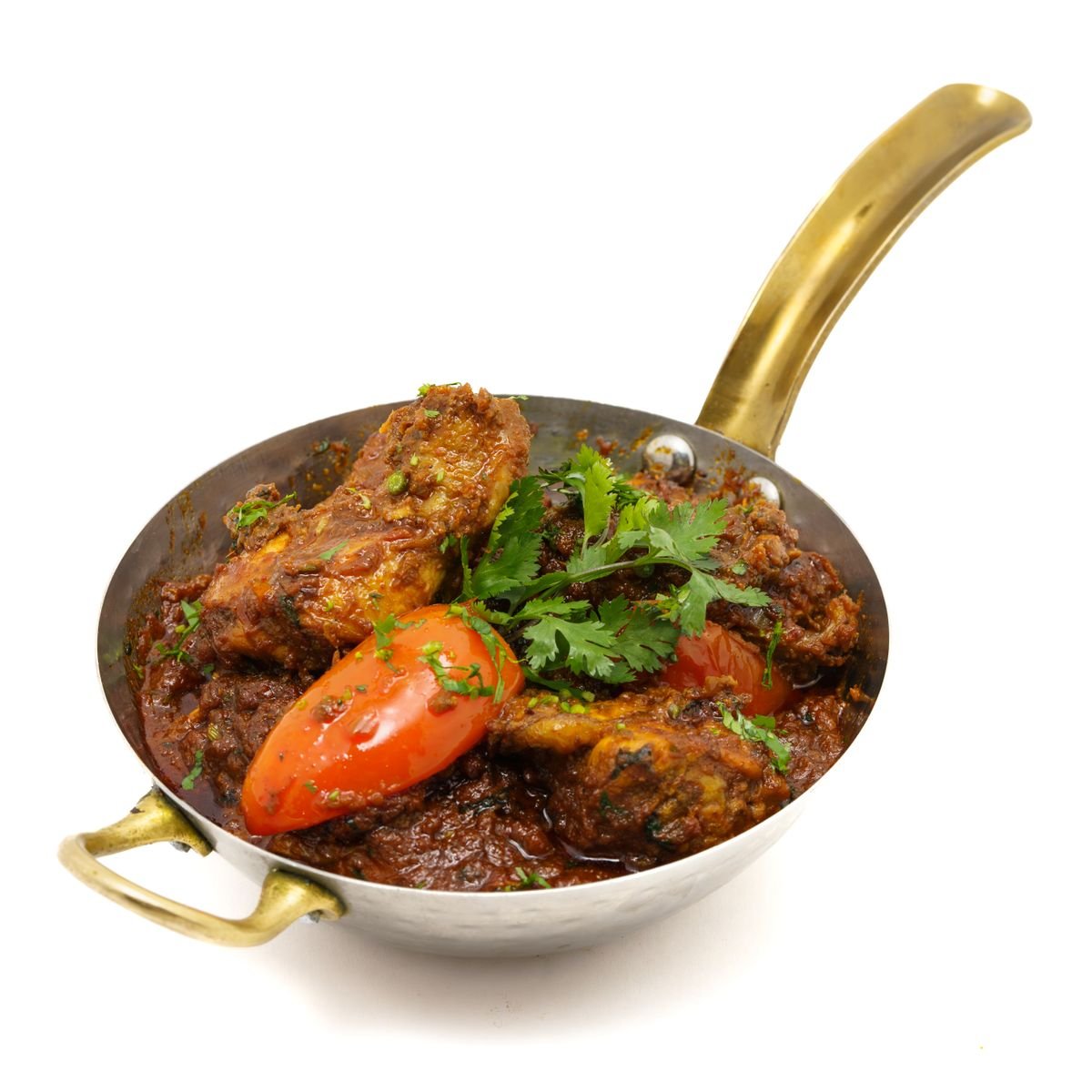
Shabnam curry is a pale, silky chicken curry from the Desi kitchen, built on cashew paste, yogurt and cream instead of tomatoes. Green chillies and white pepper give it a gentle warmth, while cardamom and a drop of kewra water add a soft floral note. It is mild, rich and quietly elegant — the kind of curry you serve with fresh naan when you want comfort without heat.
The story behind Shabnam Curry
Shabnam means dew in Urdu and Hindi, and the name fits this curry well. It is a pale, soft curry — a white gravy rather than a red one — and it comes from the Mughal-influenced kitchens of North India and Pakistan, where cooks learned to build richness from nuts, yogurt and cream instead of tomatoes and chillies. In those kitchens a white curry was a mark of skill: without tomatoes or red chilli powder to hide behind, every ingredient had to be balanced and every step had to be careful. The result is a dish that tastes gentle and looks delicate, yet carries real depth.
In Desi homes this curry belongs to the dawat table, the spread laid out when guests come for dinner. It often sits beside a spicier red curry, giving everyone at the table a choice — heat for those who want it, and something mild and creamy for those who do not. It shows up at weddings and family gatherings too, where its pale colour stands out among the richer dishes. Cooks make it for elders, for children, and for anyone who loves Desi food but cannot handle much chilli.
What makes shabnam curry special is the way it builds flavour without heat. Cashew paste gives the gravy its body and a soft sweetness. Yogurt brings a light tang that keeps the richness from feeling heavy. Green chillies add warmth rather than fire, and white pepper adds a quiet bite that you feel more than you taste. Cardamom and kewra water sit in the background, giving the curry a gentle perfume. Nothing shouts; everything works together, and the chicken stays the star.
Cook this curry when you want a Desi dinner that feels a little special without turning up the heat. It suits a Friday night family meal, a dinner for guests who prefer mild food, or a cold evening when you want something warm and soothing. It is also a good first curry to cook for someone new to Desi food — the flavours are familiar enough to feel welcoming, and different enough to be memorable. Serve it with fresh naan and let the gravy do the talking.
- Prep time
- 20 mins
- Cook time
- 35 mins
- Total time
- 55 mins
- Servings
- 4 servings
- Calories
- 520
Ingredients
- 750 g chicken, bone-in pieces
- 1 cup yogurt, whisked smooth
- 1/2 cup cashews, soaked 30 minutes
- 2 medium onions, finely sliced
- 4 green chillies, slit lengthwise
- 1 tablespoon ginger-garlic paste
- 4 green cardamom pods, lightly crushed
- 1 teaspoon white pepper powder
- 1/2 teaspoon garam masala
- 1/2 cup fresh cream
- 3 tablespoons ghee or oil
- 1 teaspoon kewra water
- Salt, to taste
- Fresh coriander leaves, to garnish
Instructions
- Soak the cashews in warm water for 30 minutes, then drain and grind them with 3 tablespoons of water into a completely smooth paste. Run your finger through it — you should feel no grit at all. A grainy paste will never give you that silky gravy, so take your time here and scrape down the grinder twice.
- Heat the ghee in a heavy pot over medium-low heat and add the sliced onions with a pinch of salt. Cook them slowly for 10 to 12 minutes, stirring often, until they turn soft and translucent. Do not let them colour at all — the moment the onions brown, your white gravy turns beige, so keep the heat low and be patient.
- Stir in the ginger-garlic paste and the crushed cardamom pods and fry for 1 minute until the raw smell fades and the kitchen smells warm and sweet. Add the green chillies and the cashew paste, then cook for 3 to 4 minutes, stirring constantly, until the paste thickens and the ghee starts to glisten at the edges.
- Turn the heat down to low and add the whisked yogurt one spoonful at a time, stirring well after each spoonful. This slow addition stops the yogurt from splitting in the hot pot. Once it is all in, let the gravy simmer gently for 3 minutes until it looks smooth and creamy.
- Add the chicken pieces and white pepper, then turn the pieces over in the gravy so each one is coated. Cover the pot and cook on low heat for 25 minutes, stirring once or twice. The chicken should turn tender and the gravy should thicken enough to coat the back of a spoon.
- Lift the lid and check the chicken — the juices should run clear when you pierce the thickest piece with a knife. If the gravy looks too thick, stir in 2 to 3 tablespoons of warm water. Season with salt, keeping in mind that the cream going in next will soften the salt a little.
- Take the pot off the heat and stir in the cream and the garam masala. The gravy will turn a soft ivory colour and smell gently spiced. Stir in the kewra water last, and taste — you want a mild, creamy curry with a warm hum of chilli, not a sharp one.
- Rest the curry, covered, for 5 minutes before serving so the flavours settle and the gravy clings to the chicken. The surface should look glossy and pale, with specks of green chilli and cardamom showing through.
- Spoon into a warm serving bowl, scatter over the coriander leaves, and serve straight away with hot naan or sheermal. The curry is best eaten fresh, while the cream is still soft and the chicken is at its most tender.
Pro tips
- Soak the cashews properly and grind them with just a little water. Dry cashews stay gritty, and too much water makes a thin paste that never thickens the gravy the way it should. A heavy pot spreads the heat evenly and stops the pale gravy from catching on the bottom while it simmers.
- Whisk the yogurt until it is completely smooth before it goes anywhere near the pot. Lumpy yogurt curdles the moment it hits heat, and no amount of stirring will bring a split gravy back.
- Cook the onions on low heat and watch them, not the clock. Onions go from translucent to golden in under a minute if the heat creeps up, and golden onions mean a brown gravy.
- Add the cream off the heat. Boiling cream can split and turn oily, while cream stirred into a cooling pot stays smooth and keeps the gravy pale and glossy.
- If you want the curry a touch richer for guests, stir in an extra tablespoon of cream at the table. If you want it lighter, swap half the cream for warm milk and skip the ghee in favour of oil.
Variations & serving ideas
Swap the chicken for paneer and you get a shabnam paneer that cooks in half the time — add the cubes in the last 10 minutes so they stay soft. Mushrooms work well too; use button mushrooms, halved, and cook them until they give up their water and turn silky. Boiled eggs, halved and slipped into the gravy for the last 5 minutes, make a simple egg shabnam that is popular for quick family dinners. A spoonful of saffron water stirred in at the end gives the gravy a gentle golden colour and a soft floral note.
If cashews are hard to find, use blanched almonds ground the same way, or a mix of melon seeds and almonds for a lighter body. You can also use poppy seed paste, a classic thickener in old Mughal-style white curries, though it needs a good soak and a thorough grind. Each swap changes the flavour slightly — almonds taste a little nuttier, melon seeds a little cleaner — but the pale, creamy character stays. If kewra water is hard to find, a single drop of rose water works, though you should use it sparingly.
The dish is generous about how you serve it. Naan is the usual partner, but sheermal or a soft tandoori roti works just as well, and plain basmati rice lets the gravy shine. A simple kachumber salad of onion, tomato and cucumber, and a bowl of cool raita, cut through the richness and give the plate some freshness and crunch. Sheermal is a good partner too — its soft, slightly sweet bread soaks up the pale gravy beautifully.
For drinks and sides, keep things cool and simple. A sweet lassi or a glass of cold water with lemon suits the mild flavours better than anything fizzy or sharp. If you are building a bigger spread, pair the curry with a dry vegetable dish like aloo gobi and a lentil dish — the white curry sits happily between them, and the table feels complete without any one dish fighting the others. A glass of sweet lassi cools the palate, and a simple green salad adds the freshness the rich gravy needs.
Getting it right
The key technique here is keeping the gravy white, and that starts with the onions. Slice them thin and cook them on low heat with a pinch of salt, stirring often, until they collapse into a soft, translucent mass. If the pan is too hot they will brown in seconds, and browned onion cannot be undone. Some cooks add a splash of water and cover the pan to steam the onions soft — that works well, and it keeps the colour pale while the onions cook through.
Heat control matters again when the yogurt goes in. Yogurt splits when it meets sudden high heat, so turn the flame down to its lowest setting and add the yogurt a spoonful at a time, stirring each spoonful in fully before adding the next. Once it is all in, let the gravy bubble very gently — you want the occasional lazy blip, not a rolling boil. The same rule applies to the cream at the end: take the pot off the heat first, then stir it in.
The most common mistakes are easy to fix. A gravy that turns brown usually means the onions coloured — start them lower and slower next time, and add a splash of water if they catch. A split gravy means the yogurt went in too fast or the heat was too high; take the pot off the heat, whisk in a spoonful of cold cream, and stir hard — it often comes back together. Chicken that dries out means the pot cooked too long or too hot; keep the flame low, keep the lid on, and check at 25 minutes.
Storing & reheating
Shabnam curry keeps in an airtight container in the fridge for up to 3 days, and the flavour actually settles nicely overnight as the cardamom and kewra work through the gravy. Let it cool to room temperature before you put the lid on, and keep it away from strong-smelling foods in the fridge — the cream picks up other smells easily.
You can freeze it for up to 2 months, though cream-based gravies can turn slightly grainy after freezing. Thaw it overnight in the fridge, then reheat it very gently in a pan over low heat, stirring often. Stir in a spoonful of fresh cream at the end to bring the texture back, and never boil it hard when reheating or the yogurt and cream may split.
Frequently asked questions
What does shabnam mean in shabnam curry?
Shabnam means dew in Urdu and Hindi. The name refers to the curry's pale, soft white gravy, which looks light and delicate compared with the deep red gravies of most Desi curries. The name refers to the curry's pale, soft white gravy, which looks light and delicate next to red curries.
Is shabnam curry spicy?
No, it is one of the mildest Desi curries. The heat comes only from green chillies and white pepper, both used gently. You can leave out the chillies entirely and still have a full-flavoured curry. The heat comes only from green chillies and white pepper, both used gently, so children can eat it happily.
Can I make shabnam curry without cashews?
Yes. Blanched almonds ground to a smooth paste work well, and a mix of melon seeds and almonds is a good lighter option. The gravy will taste slightly different but stay pale and creamy. The gravy will taste slightly different with almonds, but it stays pale, creamy and mild.
Why did my white gravy turn brown?
The onions almost certainly browned. Cook them on low heat, stir often, and add a splash of water if they start to colour. Once onions brown, the gravy cannot go back to white. Cook the onions on low heat, stir often, and add a splash of water the moment they start to colour.
Can I use boneless chicken for shabnam curry?
Yes, boneless thigh works well and cooks faster — check it at 18 to 20 minutes. Bone-in chicken gives a richer gravy, but boneless is easier to serve and eat. Bone-in chicken gives a richer gravy, but boneless thigh is easier to serve and cooks a little faster.
What should I serve with shabnam curry?
Fresh naan or sheermal is the classic partner, with plain basmati rice as a good second choice. Add a kachumber salad and a bowl of raita for freshness and crunch. Add a kachumber salad and a bowl of raita for freshness, crunch and a cool contrast to the rich gravy.