Mash Daal Recipe
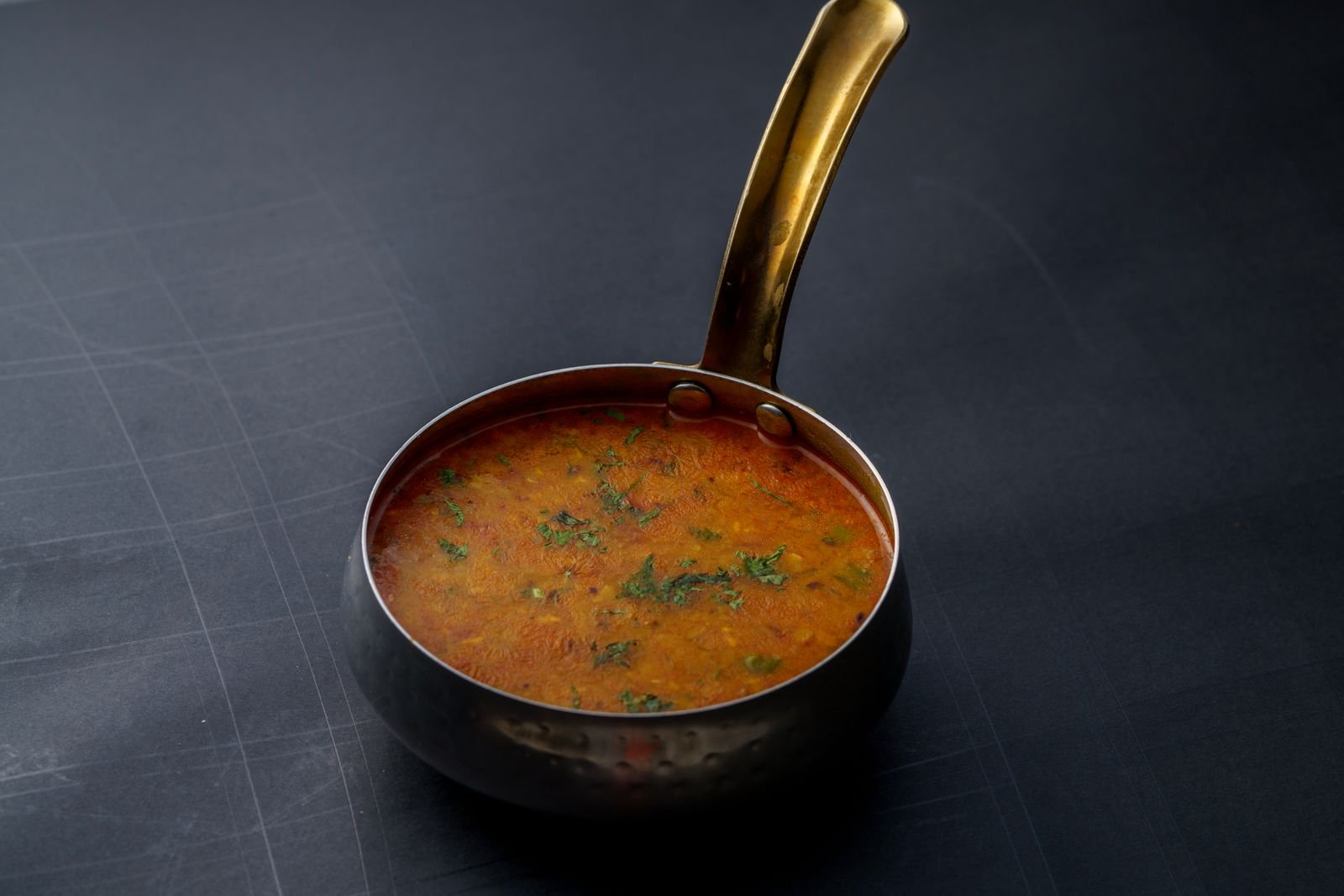
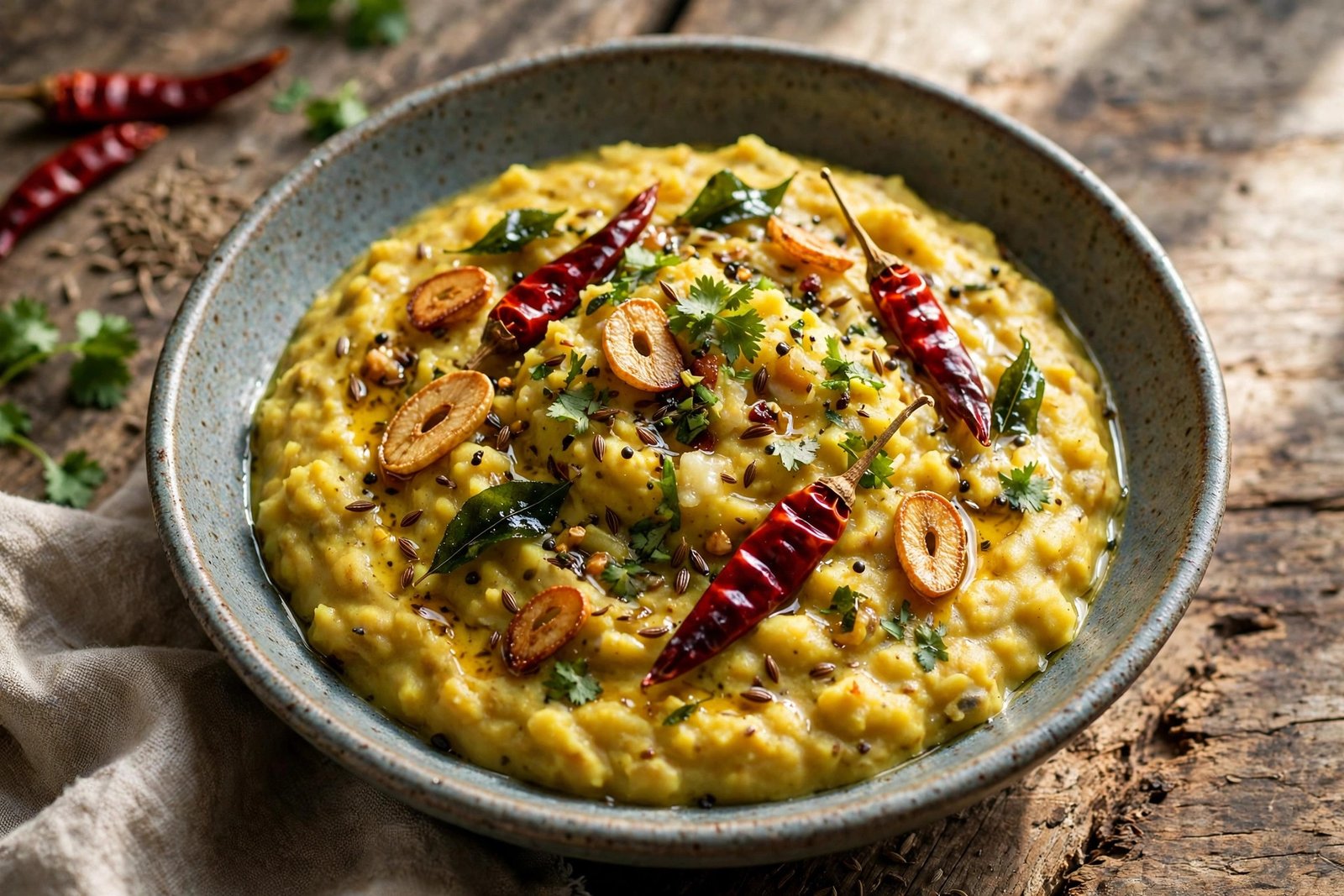
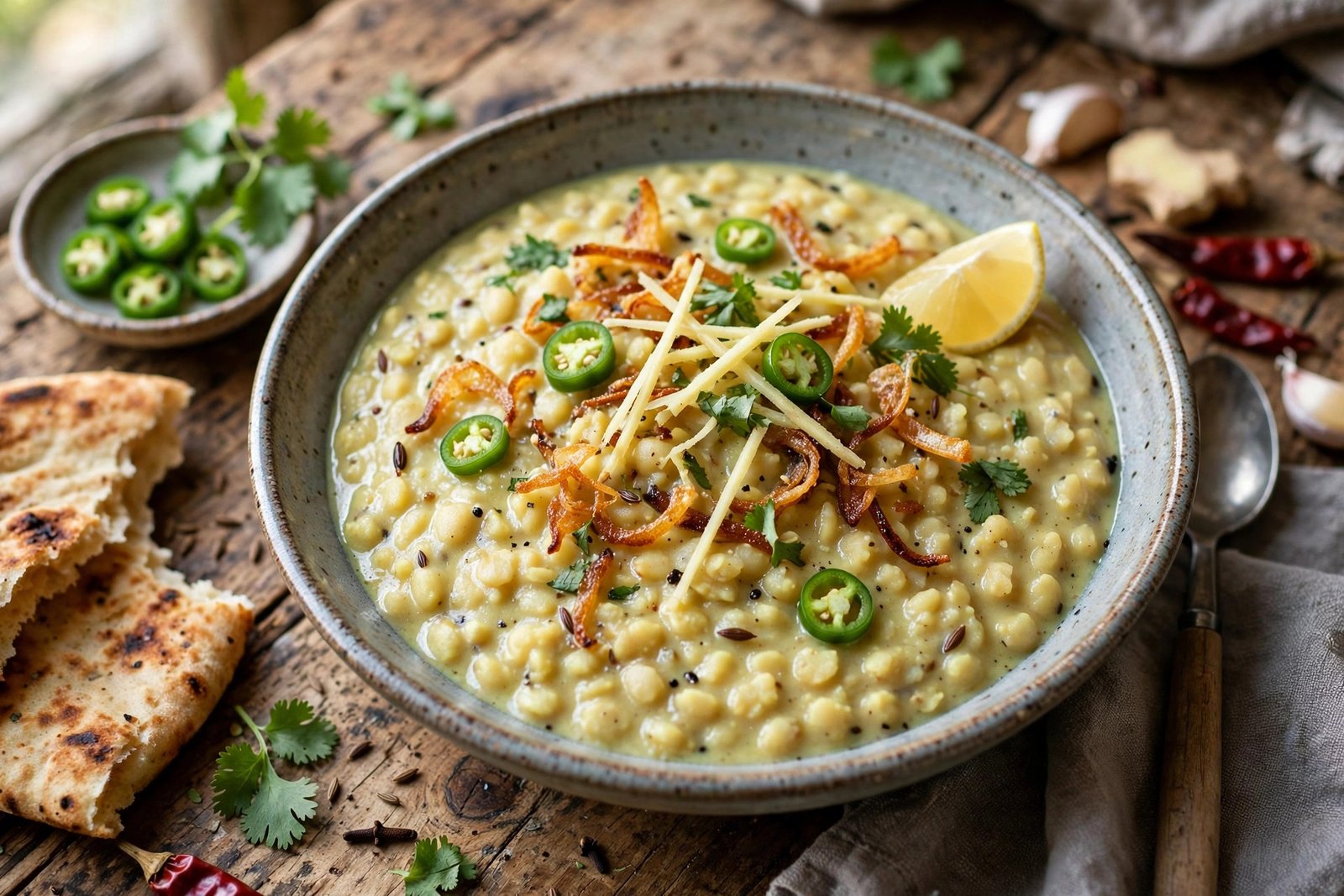
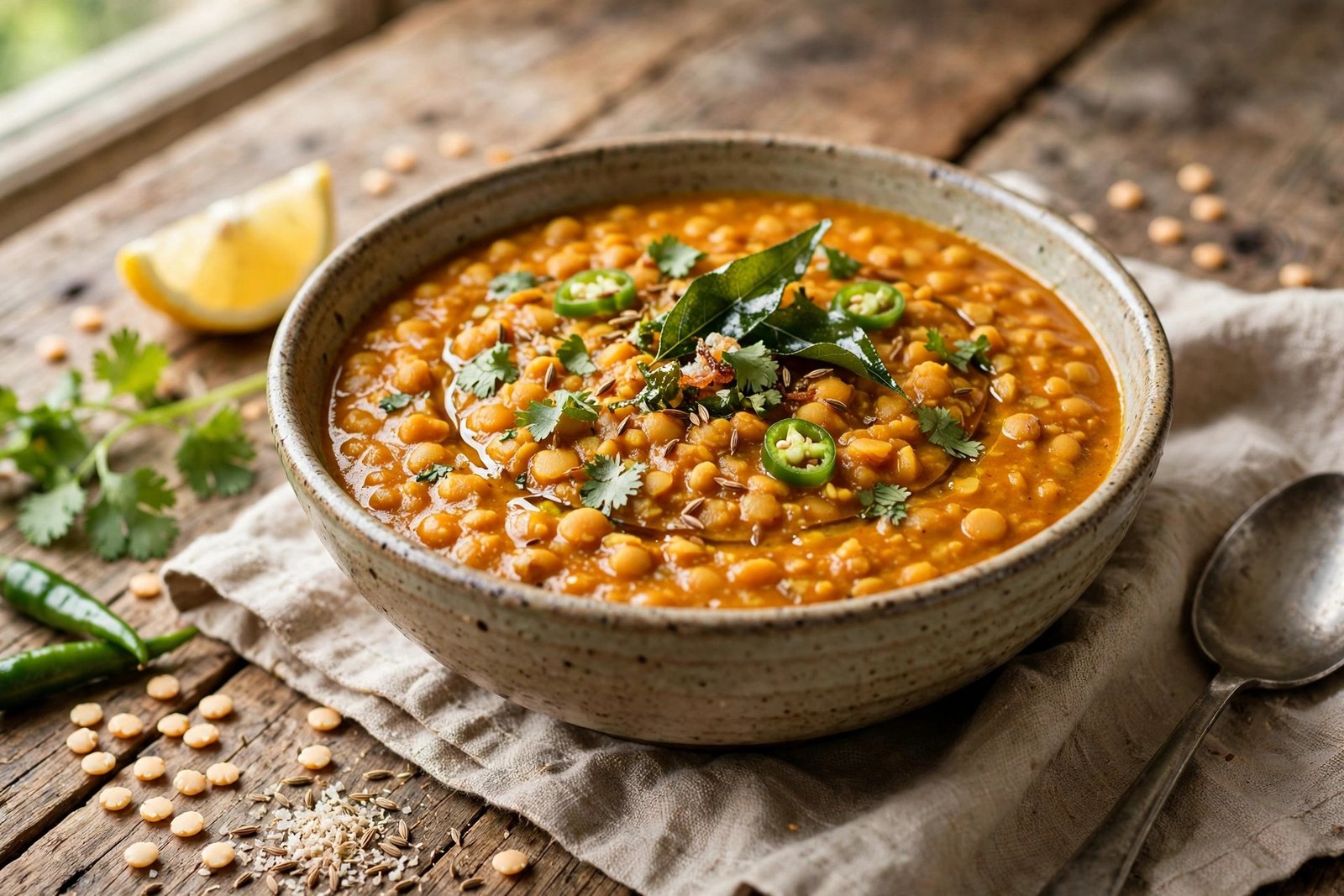
Creamy white urad lentils simmered with onion, tomato and green chilli, finished with a sizzling ghee tadka. Mash daal is comfort food in a bowl: mild, smooth and gently spiced, the kind of dal that goes with everything. Serve it with steamed rice, chapati and a spoon of pickle for a proper one-pot family meal.
The story behind Mash Daal
Mash daal is the everyday dal of Punjab and the wider desi world, made from white urad dal, the split and skinned black gram. It is one of the oldest lentils in South Asian cooking, grown in the region for thousands of years and cooked in homes long before restaurants existed. The name mash is the Punjabi word for this lentil, and the dish is as plain and honest as its name: lentils, onion, tomato, spice and ghee.
In Punjabi and Pakistani homes mash daal is the dal that turns up most often on the table. It is cooked for lunch with rice, for supper with chapati, and for guests when a simple, filling meal is needed. It is also the dal that people turn to when they want something gentle on the stomach, because white urad is easier to digest than whole black urad and the spice level can be kept mild. Every family has its own version, and everyone is sure theirs is the right one.
What makes mash daal special is its texture. White urad breaks down as it cooks into a thick, creamy dal that is smooth without needing cream or blending. The flavour is mild and nutty, which lets the tadka do the talking: hot ghee, crackling cumin and dried red chilli poured over the top at the last moment. That hiss of the tadka hitting the dal is one of the best sounds in a desi kitchen.
Cook mash daal when you want a simple, nourishing meal that feeds a family without fuss. It works as a one-pot family meal in Nigeria, served with rice and a spicy pepper sauce on the side for those who want more heat. Make a big pot on a Sunday, eat it fresh with chapati, and keep the rest for the next day, when a fresh tadka makes it taste brand new.
- Prep time
- 25 mins
- Cook time
- 30 mins
- Total time
- 55 mins
- Servings
- 4 servings
- Calories
- 310
Ingredients
- 1 cup white urad dal (mash daal), soaked 2 hours
- 3 cups water
- 1 onion, finely chopped
- 2 tomatoes, finely chopped
- 2 green chillies, slit
- 1 teaspoon ginger, grated
- 1 teaspoon turmeric powder, 1 teaspoon coriander powder and 1/2 teaspoon red chilli powder
- Salt to taste
- 2 tablespoons ghee and 1 teaspoon cumin seeds
- 2 dried red chillies
- 1/4 teaspoon asafoetida (hing)
- Fresh coriander leaves, chopped
- 1 lemon, cut into wedges
Instructions
- Rinse the soaked urad dal well and put it in a pot with 3 cups of water and the turmeric. Bring to a boil over high heat, then skim off any white foam that rises to the surface. Turn the heat down to low, cover the pot and simmer for 25 to 30 minutes. The dal should be soft enough to squash easily between your fingers, with most of the grains broken down into a creamy mix.
- While the dal simmers, heat a tablespoon of ghee in a separate pan over medium heat. Add the onion and cook for 4 to 5 minutes until soft and golden at the edges. Stir in the ginger and green chillies and cook for one more minute until the ginger smells warm and cooked rather than raw.
- Add the tomatoes, coriander powder and red chilli powder to the pan. Cook for 5 to 6 minutes, stirring often, until the tomatoes soften into a thick paste and the oil starts to glisten at the edges. The masala should smell sweet and cooked, with no sharp raw tomato smell left.
- Tip the tomato masala into the cooked dal and stir well. Simmer together for 8 to 10 minutes on low heat so the flavours come together. The dal should be thick and creamy, coating the back of a spoon. If it is too thick, add hot water a splash at a time. If it is too thin, simmer it uncovered for a few more minutes.
- Season with salt and taste. The dal should be mild, warm and savoury, with a gentle heat from the green chilli. Stir in half the chopped coriander and squeeze in a little lemon juice, which lifts the whole dish. Keep the dal hot on the lowest heat while you make the tadka.
- Now make the tadka. Heat the remaining tablespoon of ghee in a small pan over medium heat. When the ghee is hot and shimmering, add the cumin seeds and let them crackle for about 20 seconds. Add the dried red chillies and asafoetida, and swirl the pan for a few seconds until the chillies darken slightly and the kitchen smells of toasted spice.
- Pour the sizzling tadka straight over the hot dal. You will hear a sharp hiss as the hot ghee hits the surface, and the smell of cumin and chilli will rise at once. Stir the tadka through the dal, or leave it sitting on top for the table to see. Either way, serve it at once so the tadka stays bright.
- Ladle the dal into bowls and scatter the rest of the coriander over the top. Serve with steamed rice or warm chapati, a spoon of pickle and a wedge of lemon on the side. The dal should be creamy and smooth, with the tadka giving each spoonful a warm, toasty edge.
Pro tips
- Soak the dal for at least 2 hours, or overnight if you can. Soaked urad cooks evenly and breaks down into a creamy dal, while unsoaked dal stays grainy in the middle and takes much longer on the stove.
- Skim the foam as the dal comes to a boil. The white foam is harmless, but removing it keeps the dal clear and stops it from boiling over and making a mess of the stove.
- Add salt at the end, not the start. Salt added too early can toughen lentils and slow the cooking. Season once the dal is soft, then simmer for a few minutes so the salt spreads through the pot.
- Make the tadka fresh and pour it on at the last moment. The sizzle and smell are the whole point, and they fade fast. If you are reheating the dal the next day, make a fresh tadka to bring it back to life.
- Keep the dal loose enough to ladle. Urad dal thickens a lot as it cools, so make it slightly thinner than you think you want it. A splash of hot water when you serve fixes a dal that has gone too thick.
Variations & serving ideas
The classic version is mild and creamy, but you can bend it in several directions. Add a chopped potato or a handful of spinach to the dal while it simmers for extra body and colour. A spoon of tomato puree instead of fresh tomato gives a deeper, sweeter base. For a richer version, stir in a spoon of cream or butter at the end, which is how some dhabas serve it.
If you want more heat, add an extra green chilli or a pinch of red chilli flakes to the tadka. A spoon of pickle stirred into your own bowl gives a sharp, spicy kick without changing the pot for everyone else. For a lighter version, use oil instead of ghee and keep the tadka small, though the flavour will be less round.
Serve mash daal with steamed basmati rice and a spoon of pickle, which is the classic pairing. It also works with chapati, naan or a slice of bread for scooping. A simple salad of onion, tomato and cucumber on the side adds crunch, and a glass of lassi or buttermilk cools the meal down.
This dal pairs well with other desi dishes. Serve it beside a dry vegetable sabzi and rice for a full vegetarian thali, or next to a chicken or lamb curry when you want a mixed table. Leftover mash daal makes a good filling for wraps, spread on a chapati with sliced onion and a little chutney, and it works well thinned out as a soup with a squeeze of lemon.
Getting it right
The skill in mash daal is cooking the lentils to the right texture. Soak the dal for at least 2 hours so it cooks evenly, and simmer it gently rather than boiling it hard. The grains should break down into a creamy mix with a few soft pieces still visible. If the dal is still grainy, give it more time and more water. A whisk or a potato masher at the end helps if you want it extra smooth.
Heat control matters in the tadka. The ghee must be hot enough for the cumin seeds to crackle at once, but not so hot that they burn in seconds. Burnt cumin tastes bitter and will spoil the whole pot. Add the dried red chillies last, swirl the pan for a few seconds, and pour the tadka over the dal straight away. The sizzle tells you it worked.
The most common mistake is under-seasoning. Lentils need a fair amount of salt, and the flavour concentrates as the dal cools, so taste it hot and then taste it again after a minute. Another common fault is a thin, watery dal, which happens when too much water goes in at the start. Add water in stages and simmer uncovered at the end to thicken. If the tadka tastes flat, the ghee was not hot enough, so heat it until it shimmers before the seeds go in.
Storing & reheating
Mash daal keeps well in the fridge for up to 3 days in a sealed container. It thickens as it cools, which is normal for urad dal, so do not worry when you open the box and find it almost solid. It also freezes well for up to 2 months; cool it fully, pack it in portions, and leave a little space in each container for it to expand.
Reheat gently in a pan over low heat with a splash of water, stirring often so the dal does not stick or catch on the bottom. Taste for salt before serving, since the flavour concentrates as the dal sits. A fresh tadka of ghee, cumin and dried chilli poured over the reheated dal brings back the smell and flavour of a just-cooked pot.
Frequently asked questions
Can I make mash daal in a pressure cooker?
Yes. A pressure cooker is the easiest way: cook the soaked dal for 3 whistles, about 12 minutes, until it is soft and creamy. Without one, simmer in a pot for 35 to 40 minutes, adding hot water as needed so the dal stays covered.
What lentil is mash daal made from?
Mash daal is made from white urad dal, the split and skinned black gram lentil. It cooks into a thick, creamy dal that is mild and smooth. Do not confuse it with whole black urad, which is darker and takes much longer to cook.
Is mash daal healthy?
Yes, mash daal is naturally gluten-free and high in protein and fibre. It is also easy to digest when soaked properly. Keep the ghee modest and serve with rice and salad for a balanced, wholesome plate.
Can I make mash daal ahead of time?
Yes, it keeps for 3 days in the fridge and freezes for up to 2 months. Store the tadka in the dal or make it fresh when reheating. The dal thickens as it cools, so add a splash of water when you warm it up.
Why does my mash daal taste flat?
The dal is too watery, or the tadka was added too early and lost its punch. Simmer the dal uncovered until it coats the back of a spoon, and add the sizzling tadka right before serving so the spices stay bright and the ghee smells fresh.
Can I reheat mash daal the next day?
Yes, and it is a good idea. The dal thickens as it sits, and a splash of water plus a fresh tadka brings it back to life. Reheat on low heat, stir often, and taste for salt before serving, because the flavour concentrates overnight.