Daal Gosht Recipe
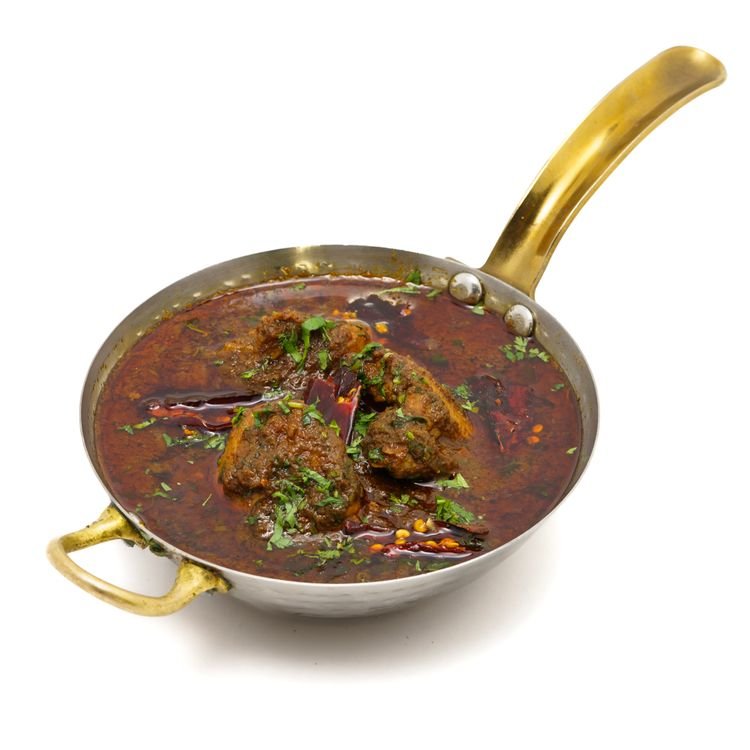
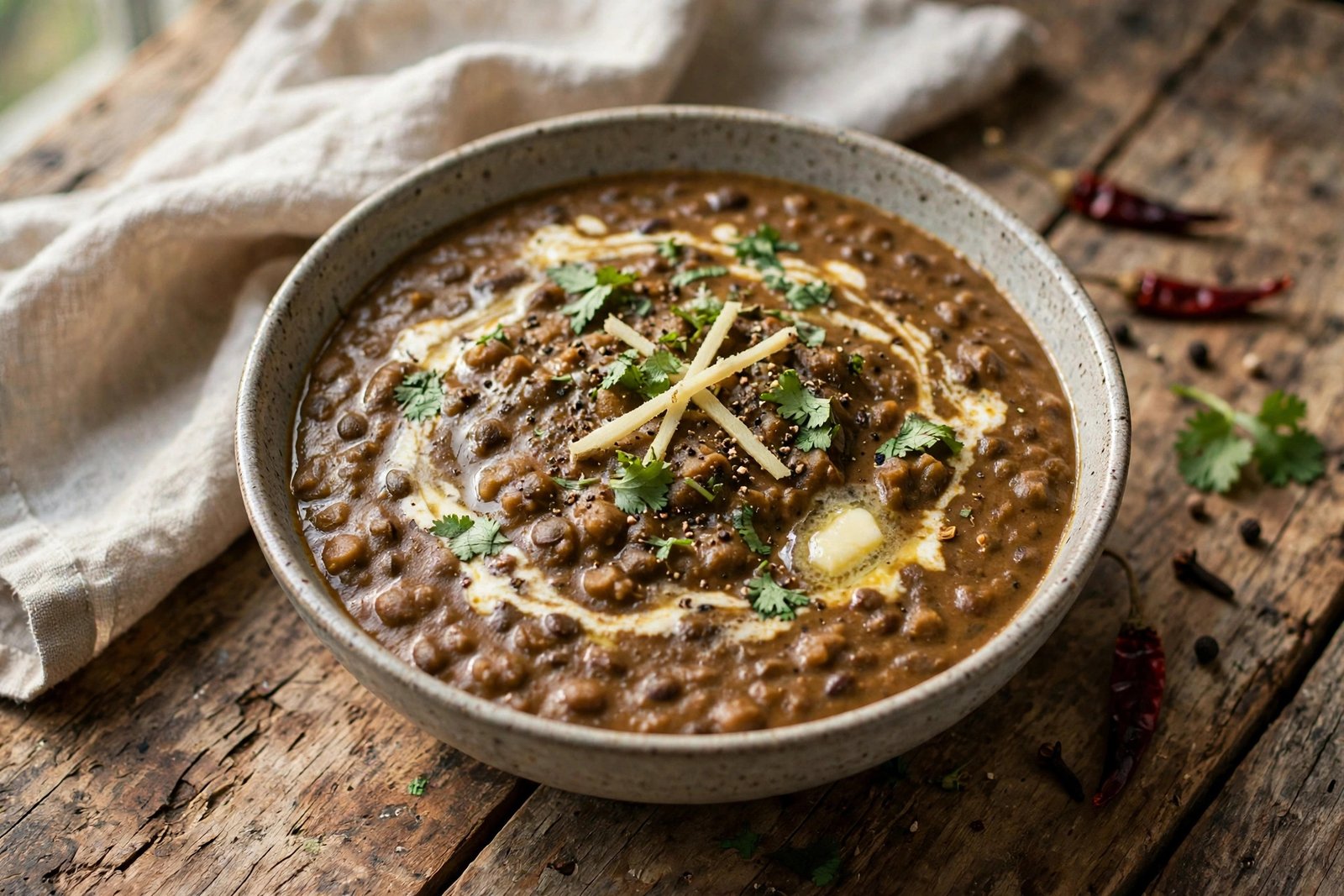
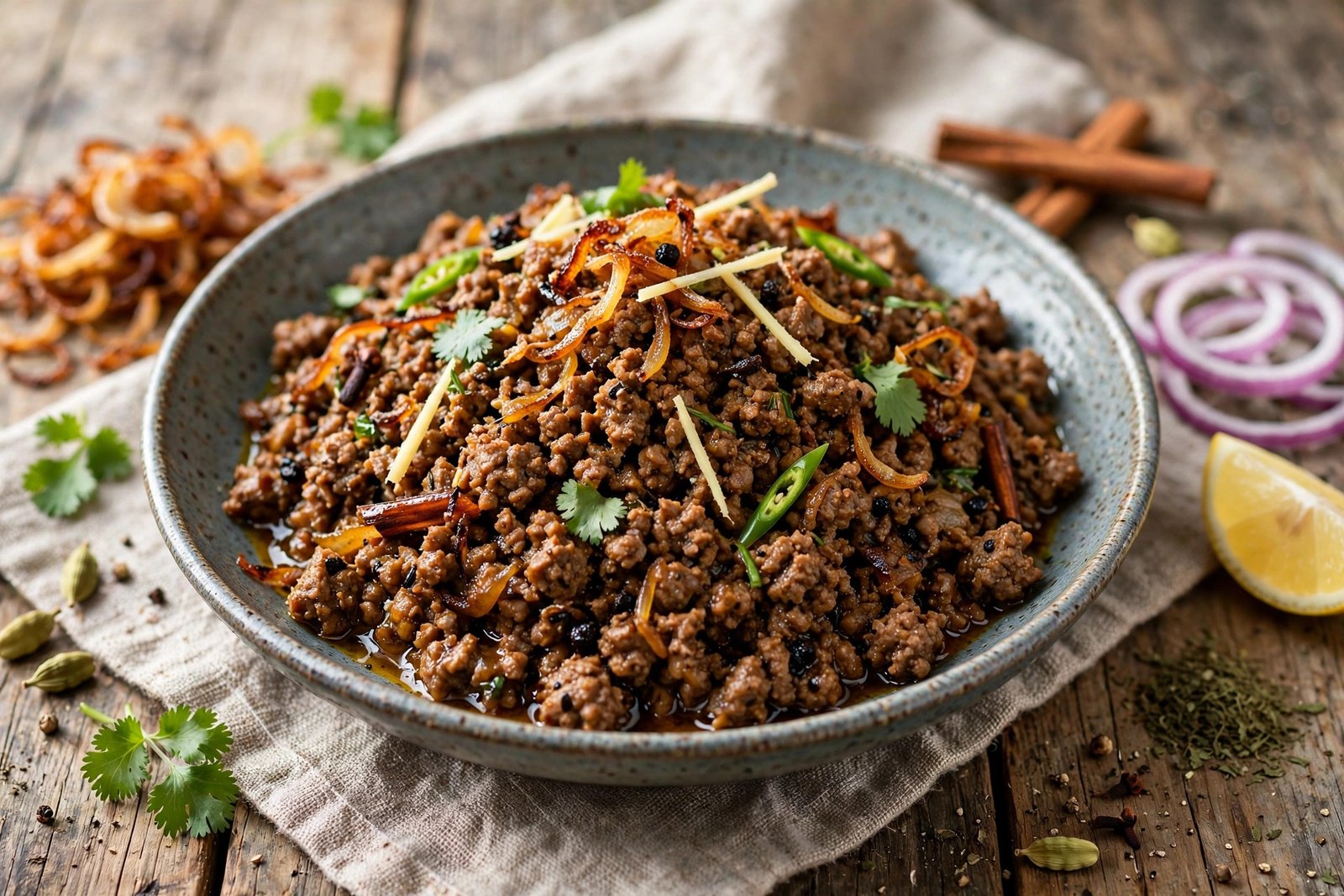
Daal gosht is the kind of curry that makes a whole house smell like a celebration. Tender mutton simmers with chana dal until the lentils melt into a thick, golden gravy, and a final sizzle of garlic and red chilli ties it all together. It is rich without being heavy, and it tastes even better the next day. Serve it with hot naan or plain rice and watch it disappear.
The story behind Daal Gosht
Daal gosht grew out of the kitchens of Hyderabad, where cooks learned to stretch good meat with lentils without losing any of the richness. Chana dal was cheap, filling and full of protein, and when it cooked down beside mutton it turned into a thick gravy that clung to every piece. The dish travelled with families across the Deccan and into Pakistan, and each home settled on its own balance of dal to meat, its own heat level, its own finish of lemon or tamarind.
In Pakistani homes daal gosht is Friday food. It shows up at the lunch table after prayers, in big pots at weddings, and on the menu of every roadside dhaba worth its salt. It is the dish a host cooks when guests are coming and nobody wants to fuss over five different curries. One pot, one gravy, bread and rice on the side, and everyone eats well. The smell alone tells neighbours something good is cooking.
What makes it special is the meeting of two textures. The mutton stays in soft, pull-apart chunks while the dal breaks down into a smooth, almost creamy sauce. You get the deep, meaty flavour of a slow curry and the gentle earthiness of lentils in the same spoonful. The tarka at the end, garlic and dried red chilli crackling in hot ghee, adds a sharp, smoky top note that lifts the whole pot. A squeeze of lemon right before serving wakes everything up. If you taste the pot before the tarka goes in and then again after, you will understand why that final sizzle matters so much: the same curry suddenly tastes brighter, rounder and more finished.
Cook it on a slow weekend afternoon when you have time to let the pot do its work. It suits cold evenings, family gatherings, and any day you want one solid, generous dish instead of a spread. It also travels well, so it is a smart choice for taking to someone's house or packing for a long drive. Make a big pot, because the leftovers are the best part.
- Prep time
- 20 mins
- Cook time
- 50 mins
- Total time
- 1 hr 10 mins
- Servings
- 4 servings
- Calories
- 520
Ingredients
- 500 g mutton, bone-in pieces
- 1 cup chana dal, soaked 2 hours and drained
- 1 large onion, finely sliced
- 2 medium tomatoes, chopped
- 1 tablespoon ginger garlic paste
- 2 green chillies, slit lengthwise
- 1 teaspoon red chilli powder
- 1 teaspoon turmeric powder
- 1 teaspoon coriander powder
- 1 teaspoon cumin seeds
- 4 tablespoons ghee or cooking oil
- Salt to taste, plus fresh coriander and lemon wedges to serve
Instructions
- Rinse the soaked chana dal and set it aside. Rinse the mutton pieces under cold water and pat them dry, so they brown properly instead of steaming. Dry meat takes colour faster and gives the gravy a deeper flavour.
- Heat the ghee in a heavy pot over medium heat until it shimmers. Add the cumin seeds and let them crackle for about 20 seconds, then add the sliced onion. Cook for 8 to 10 minutes, stirring often, until the onion turns soft and golden at the edges.
- Add the ginger garlic paste and cook for 2 minutes until the raw smell disappears and the paste turns a shade darker. Stir in the chopped tomatoes and cook for 5 to 6 minutes until they soften, break down and the oil starts to separate at the edges of the masala.
- Add the red chilli powder, turmeric and coriander powder with a splash of water so the spices fry without burning. Cook for 2 minutes until the masala looks glossy and smells warm and toasty. This step builds the base flavour of the whole dish.
- Add the mutton pieces and turn the heat up to medium-high. Fry for 6 to 8 minutes, turning the pieces so each one browns on the outside. You want a good sear on the meat, with browned bits sticking to the bottom of the pot, because that is where the flavour lives.
- Pour in 3 cups of hot water and bring the pot to a boil. Skim off any foam that rises, then lower the heat, cover the pot and simmer for 25 minutes. The meat should be nearly tender when you press a piece with the back of a spoon.
- Add the drained chana dal and the slit green chillies. If the pot looks dry, add half a cup of hot water. Cover and cook on low heat for 20 to 25 minutes until the dal is soft and starting to melt into the gravy and the meat is fully tender.
- Check the thickness. If the gravy is too thin, cook uncovered for 5 minutes, stirring so the dal does not catch. If it is too thick, stir in a little hot water. Taste and adjust the salt. The finished gravy should coat a spoon and fall off it slowly.
- Heat a tablespoon of ghee in a small pan until it is smoking hot. Add a pinch of red chilli flakes and a sliced garlic clove, and the moment the garlic turns golden, pour the sizzling tarka over the curry. Cover the pot for 2 minutes so the smoke settles in, then serve with lemon wedges and fresh coriander.
Pro tips
- Soak the chana dal for at least 2 hours. Dry dal takes far longer to soften and can stay chalky in the middle even after an hour of cooking.
- Bone-in mutton gives a richer gravy than boneless cuts, because the bones release flavour as they simmer. Ask your butcher for small curry-cut pieces.
- Use hot water whenever you top up the pot. Cold water shocks the meat, tightens the fibres and can make it tough.
- Do not rush the onion. Pale, undercooked onion leaves the gravy thin and raw-tasting, while a properly golden onion gives it body and sweetness.
- Let the finished curry rest for 10 minutes before serving. The dal thickens slightly as it cools, and the flavours settle into each other.
Variations & serving ideas
Swap the mutton for beef and the dish works just as well, though beef needs about 15 minutes more on the simmer. Chicken is a quicker option: use bone-in pieces, add them after the dal has cooked for 10 minutes, and finish in 20 minutes total so the meat stays juicy. Keema makes a fast weeknight version too, and it cooks through in the same time as the dal.
Change the dal and you change the character of the curry. Masoor dal melts completely and gives a smoother, silkier gravy, while toor dal holds a little more shape and a nuttier taste. A mix of half chana and half masoor is a good middle ground. If you like a sour note, stir in a tablespoon of tamarind pulp or a squeeze of lemon at the end instead of serving lemon on the side.
Serve daal gosht with plain boiled rice if you want the gravy to shine, or with hot naan and a kachumber salad of onion, tomato and cucumber when you want a full plate. A spoonful of plain yoghurt on the side cools the heat and adds a fresh tang. Roti works well too, and it is the usual choice in many homes for a weekday meal.
For a bigger table, pair it with a dry vegetable dish like aloo gobi or bhindi, and finish with kheer or a simple fruit custard. A glass of salted lassi cuts through the richness nicely. Keep the rest of the menu simple, because daal gosht is filling and it deserves to be the centre of the meal.
Getting it right
The key technique is cooking the meat and the dal on two different clocks inside one pot. Meat needs a long, gentle simmer to turn tender, while chana dal needs steady heat to soften and break down. Brown the meat well first, give it a head start in the simmer, and only then add the dal. If the dal goes in too early it turns to mush before the meat is ready, and if it goes in too late it stays firm while the meat overcooks.
Control the heat in stages. Start hot to brown the meat and build colour, then drop to a low simmer for the long cook, so the pot bubbles lazily rather than boiling hard. A fierce boil toughens meat and splatters the stove, while a gentle simmer lets the collagen melt into the gravy. Keep the lid slightly ajar if the pot threatens to boil over, and check the water level each time you stir so nothing dries out and sticks. Stir every 10 minutes once the dal is in, scraping the bottom, because dal sinks and catches easily.
The most common mistake is adding too much water at the start. Dal releases starch as it cooks and thickens the gravy on its own, so a pot that looks right at the beginning often ends up too thin. Start with less water than you think you need and top up with hot water as you go. The other common slip is skipping the tarka, which is not decoration: that hot ghee carries the garlic and chilli flavour right through the finished curry.
Storing & reheating
Let the curry cool completely, then store it in an airtight container in the fridge for up to 3 days. The gravy thickens as it sits, so stir in a splash of hot water when you reheat it. Warm it gently on the stove over low heat, stirring often, until it bubbles evenly. Avoid the microwave if you can, because it heats unevenly and can dry out the meat.
For longer storage, freeze the curry in single-meal portions for up to 2 months. Leave the tarka and the lemon out until serving time, since freezing dulls their sharpness. Thaw overnight in the fridge, then reheat slowly on the stove. Add a fresh tarka on top and the curry tastes almost as good as the day you made it.
Frequently asked questions
Can I make daal gosht in a pressure cooker?
Yes, and it saves about 20 minutes. Brown the meat and build the masala as usual, then add the dal and water, and cook for 3 whistles on medium heat. Let the pressure release on its own before opening the lid, then finish with the tarka.
Why is my dal still hard after cooking?
Old dal or a short soak is the usual cause. Chana dal needs at least 2 hours of soaking, and very old stock can need 4 hours. Cook it longer on low heat with enough water, and never add salt or lemon until the dal is soft, since both slow the softening.
Can I use boneless mutton for daal gosht?
You can, and it cooks about 10 minutes faster. Use shoulder or leg pieces cut into chunks. The gravy will be a little lighter without the bones, so add an extra spoon of ghee at the tarka stage to make up for it.
How do I keep the gravy from turning too thin?
Start with less water and let the dal do the thickening. If the curry is still thin at the end, mash a few spoonfuls of dal against the side of the pot and simmer uncovered for 5 minutes. The starch thickens the gravy fast.
Is daal gosht spicy?
It has a warm, gentle heat rather than a fierce one. The single teaspoon of chilli powder in this recipe gives a mild glow. Add an extra green chilli or half a teaspoon more powder if you like it hotter, or leave the chillies out for a mild version.
What should I serve with daal gosht?
Plain rice is the classic partner, and it soaks up the gravy well. Naan or roti works too, with a kachumber salad and plain yoghurt on the side. Keep the rest of the meal simple, since the curry itself is rich and filling.