Crispy Duck Recipe
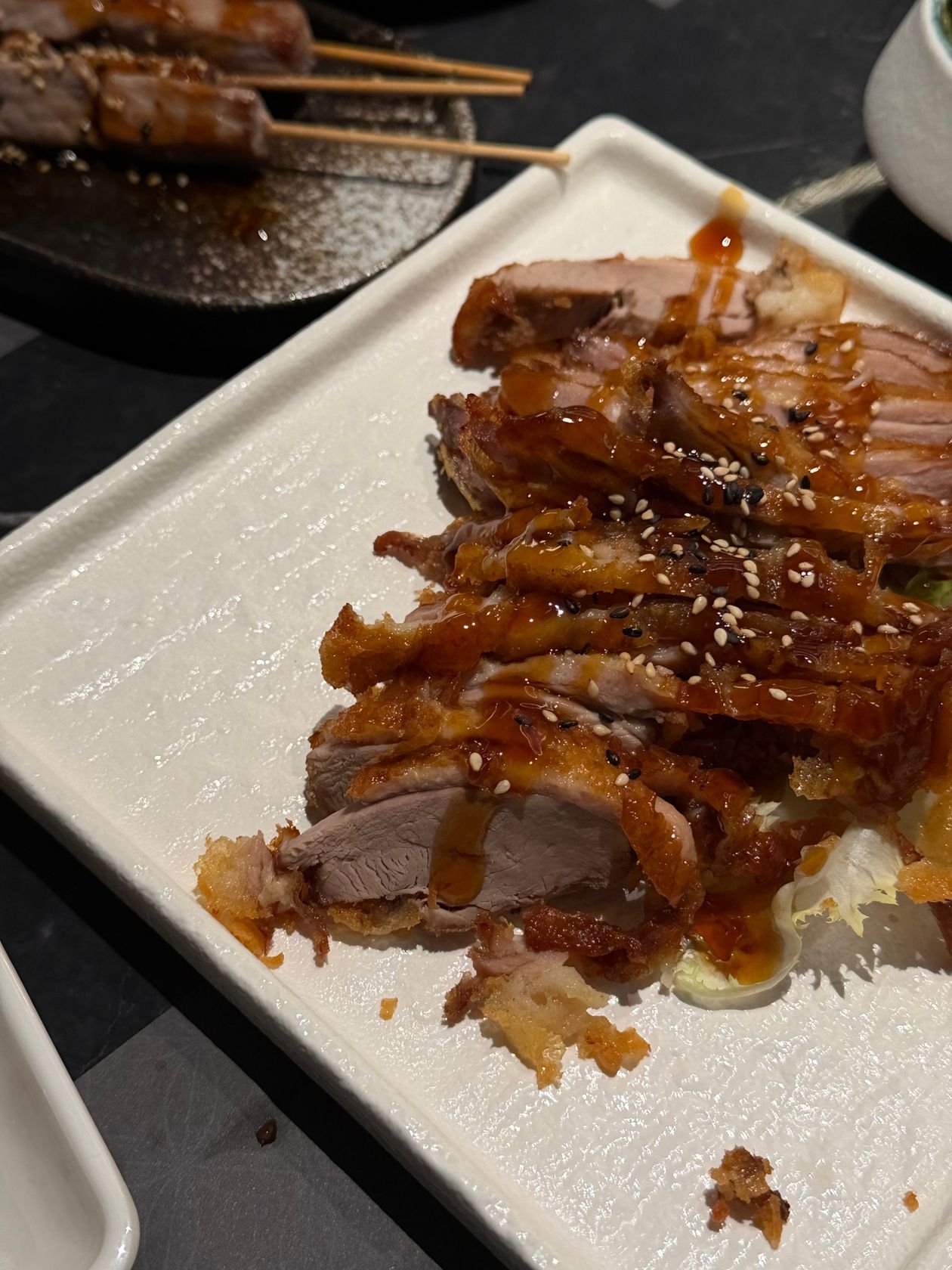
Crackling skin, juicy meat, and a warm five-spice glaze make crispy duck one of the great Cantonese roasts. This home version skips the restaurant oven and uses a simple two-step method: a gentle simmer first, then a hot roast that dries and crisps the skin. Serve it sliced over rice or tucked into pancakes with spring onion and hoisin, and watch it disappear fast.
The story behind Crispy Duck
Crispy duck, or siu aap in Cantonese, is one of the great sights of Hong Kong and Guangzhou. In roast shops across both cities, lacquered ducks hang in the window, their skins burnished a deep mahogany by maltose glaze and hot air. The dish grew out of the Cantonese tradition of siu mei, roasted meats cooked in high-heat ovens and sold by weight, chopped to order with a heavy cleaver. Duck earned its place at the front of the shop because its skin, when handled right, turns into something no other roast can match: thin, glassy, and shattering under the teeth.
In Cantonese homes the duck is a celebration bird. It shows up at Lunar New Year tables, at family reunion dinners, and whenever a meal needs a centrepiece that says the cook went to real trouble. The bird is usually bought ready-roasted from a siu mei shop, then chopped and served with rice and a small bowl of the roasting juices. Cooking it at home is less common, because the classic method needs a fiercely hot oven and a duck that has been air-dried for hours, but the results are worth the planning. A home cook who gets the skin right earns a round of applause before anyone has even tasted the meat.
What makes the dish special is the contrast. Good crispy duck gives you two textures at once: skin that crackles like thin toffee, and meat underneath that stays moist and richly flavoured. The trick is drying. Duck skin holds a lot of fat and water, and if that moisture is still there when the bird hits the heat, the skin steams instead of crisping. That is why this recipe simmers the duck first to render the fat, then lets it dry uncovered in the fridge overnight, then roasts it hard. Five-spice, ginger, and star anise perfume the meat from the inside while the glaze does its work outside.
Cook this on a weekend when you have time to let the duck dry properly, or start it the night before a dinner party. The hands-on work is short, but the drying step is doing the real job, so do not rush it. Leftovers are a gift: shred the meat for pancakes, fried rice, or noodle soup the next day, and the crisped skin, chopped small, is wonderful scattered over a salad. Once you have made it once, the timing feels easy, and you will wonder why you ever paid roast-shop prices.
- Prep time
- 30 mins
- Cook time
- 1 hr 30 mins
- Total time
- 2 hrs
- Servings
- 4 servings
- Calories
- 640
Ingredients
- 1 whole duck (about 2 kg), giblets removed
- 2 tablespoons maltose or honey
- 2 tablespoons light soy sauce
- 1 tablespoon Shaoxing wine
- 1 teaspoon five-spice powder
- 1 tablespoon sea salt
- 4 slices fresh ginger
- 3 spring onions, cut into long pieces
- 2 star anise
- 1 cinnamon stick, broken in half
- 4 garlic cloves, smashed
- 2 tablespoons rice vinegar
- 1 teaspoon sesame oil
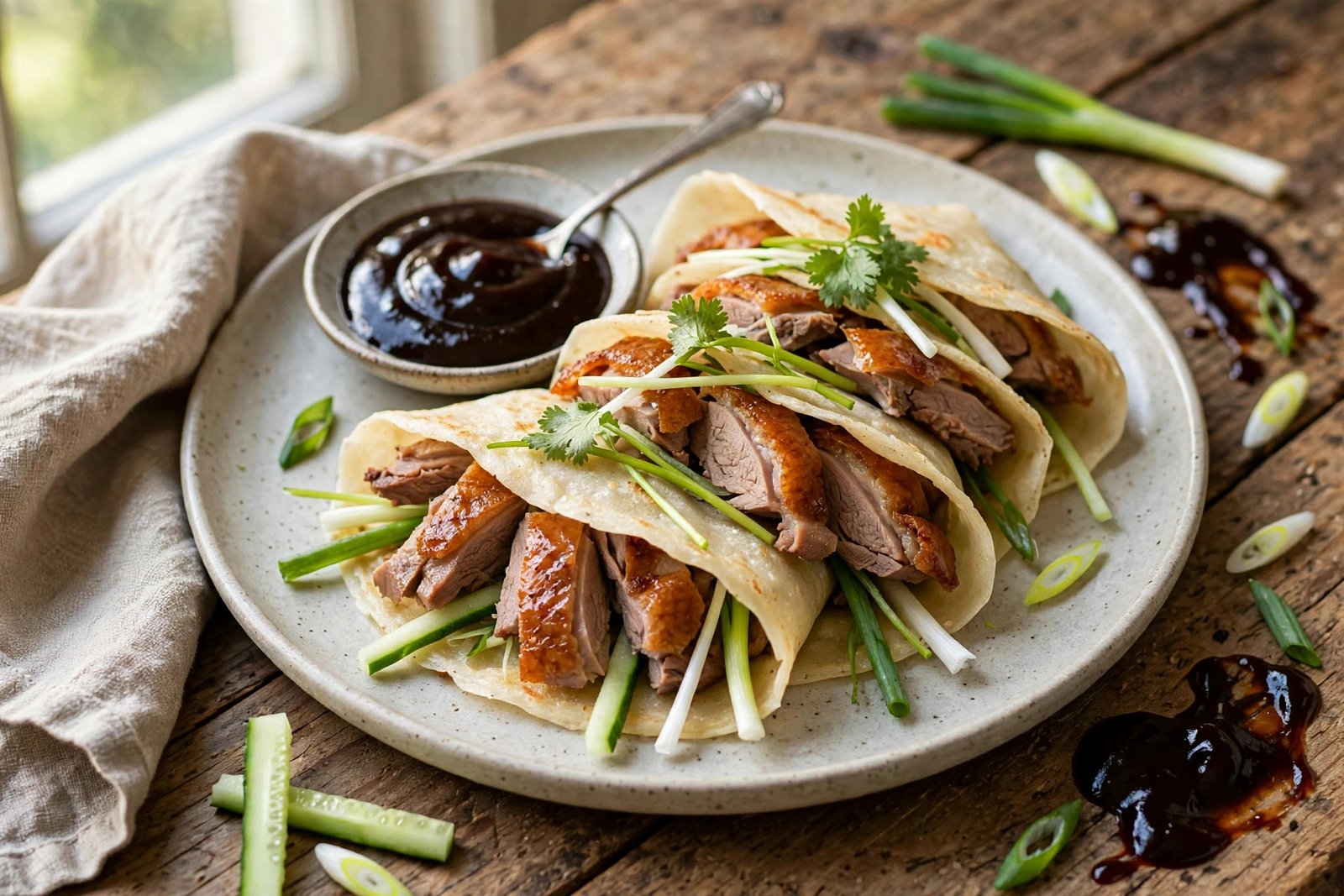
- Hoisin sauce, cucumber and spring onion, to serve
Instructions
- Pat the duck dry inside and out with kitchen paper, then trim any loose fat from the cavity. Prick the skin all over with a skewer or sharp fork, taking care to pierce only the skin and fat, not the meat underneath. This lets the fat escape while the duck cooks, which is the first step toward crisp skin.
- Mix the five-spice, salt, and sesame oil into a paste and rub it all over the duck, inside the cavity too. Stuff the cavity with the ginger, spring onions, star anise, cinnamon, and garlic. Leave the duck uncovered in the fridge for at least 4 hours, or overnight if you can, so the skin dries out properly.
- Set a large pot of water on to boil, then lower the duck in on a rack or in a steamer basket so it sits above the water. Cover and steam for 40 minutes. The meat will cook gently and a good deal of fat will drip away. Lift the duck out carefully and let it cool for 10 minutes.
- Heat the oven to 220C (425F). Warm the maltose or honey with the soy sauce, Shaoxing wine, and rice vinegar in a small pan until it turns into a thin, brushable glaze. Brush it all over the duck, making sure the legs and wings are coated too. The glaze gives the skin its colour and shine.
- Set the duck breast-side up on a rack inside a roasting tin and slide it into the hot oven. Roast for 25 minutes, then brush with another layer of glaze and turn the oven down to 200C (400F). The skin should already be tightening and starting to colour.
- Roast for another 35 to 40 minutes, brushing with glaze once more halfway through. Listen for the fat sizzling and watch the skin: you want a deep reddish brown all over, with the legs pulling slightly away from the body. If the wings darken too fast, tuck a small piece of foil over them.
- Check the thickest part of the thigh with a thermometer; it should read 74C (165F). The juices should run clear when you pierce the thigh. If the skin is still pale, give it 5 more minutes at 230C (450F), watching closely so the glaze does not burn.
- Rest the duck on a board for 15 minutes before you cut it. Resting lets the juices settle back into the meat, and the skin stays crisp as it cools slightly. Do not cover the duck with foil while it rests, or the steam will soften the skin you worked so hard to crisp.
- Carve the duck Chinese-style: cut off the legs and wings, slice the breast meat off the bone, then chop everything into neat pieces with a heavy knife or cleaver. Serve with hoisin sauce, shredded cucumber, and spring onion, plus steamed rice or thin pancakes for wrapping.
Pro tips
- Buy the duck a day ahead and leave it uncovered in the fridge overnight after seasoning. Dry skin is the whole secret, and the fridge does the drying for you.
- Prick the skin well, especially around the thighs and back where the fat layer is thickest. Every hole is an escape route for fat that would otherwise keep the skin soft.
- Do not skip the steaming step. It renders out fat and par-cooks the meat, so the hot roast only has to crisp the skin instead of cooking a raw bird.
- Keep the oven hot and resist opening the door to peek. Each opening drops the temperature and lets steam build up, which works against crisping.
- Save the fat that drips into the roasting tin. Strained and kept in a jar, duck fat is superb for roasting potatoes or frying eggs.
Variations & serving ideas
For a simpler weeknight version, use duck legs instead of a whole bird. Season and prick them the same way, steam for 25 minutes, then roast at 220C (425F) for 30 minutes until the skin crackles. The flavour is the same, the timing is shorter, and there is no carving to worry about. Duck breasts work too: score the skin, sear skin-side down in a cold pan until crisp, then finish in a hot oven for 8 to 10 minutes.
If you cannot find maltose, honey is a fine stand-in and gives a slightly sweeter, lighter glaze. Brown sugar dissolved in a little hot water works as well, though it darkens faster, so watch the oven more closely in the last 10 minutes. For a plainer roast, leave the glaze off entirely and brush the skin with soy sauce alone; you lose the shine but keep the crunch, and the meat tastes just as good.
Serve the duck the Cantonese way, chopped and piled over steamed rice with a spoonful of the roasting juices, or go the Peking-style route with thin pancakes, hoisin, cucumber batons, and spring onion shreds. The meat is also excellent shredded into a noodle soup, where the crisp skin softens slightly and soaks up the broth. Leftover duck makes a fine fried rice the next day, fried hard in a wok with day-old rice, egg, and peas.
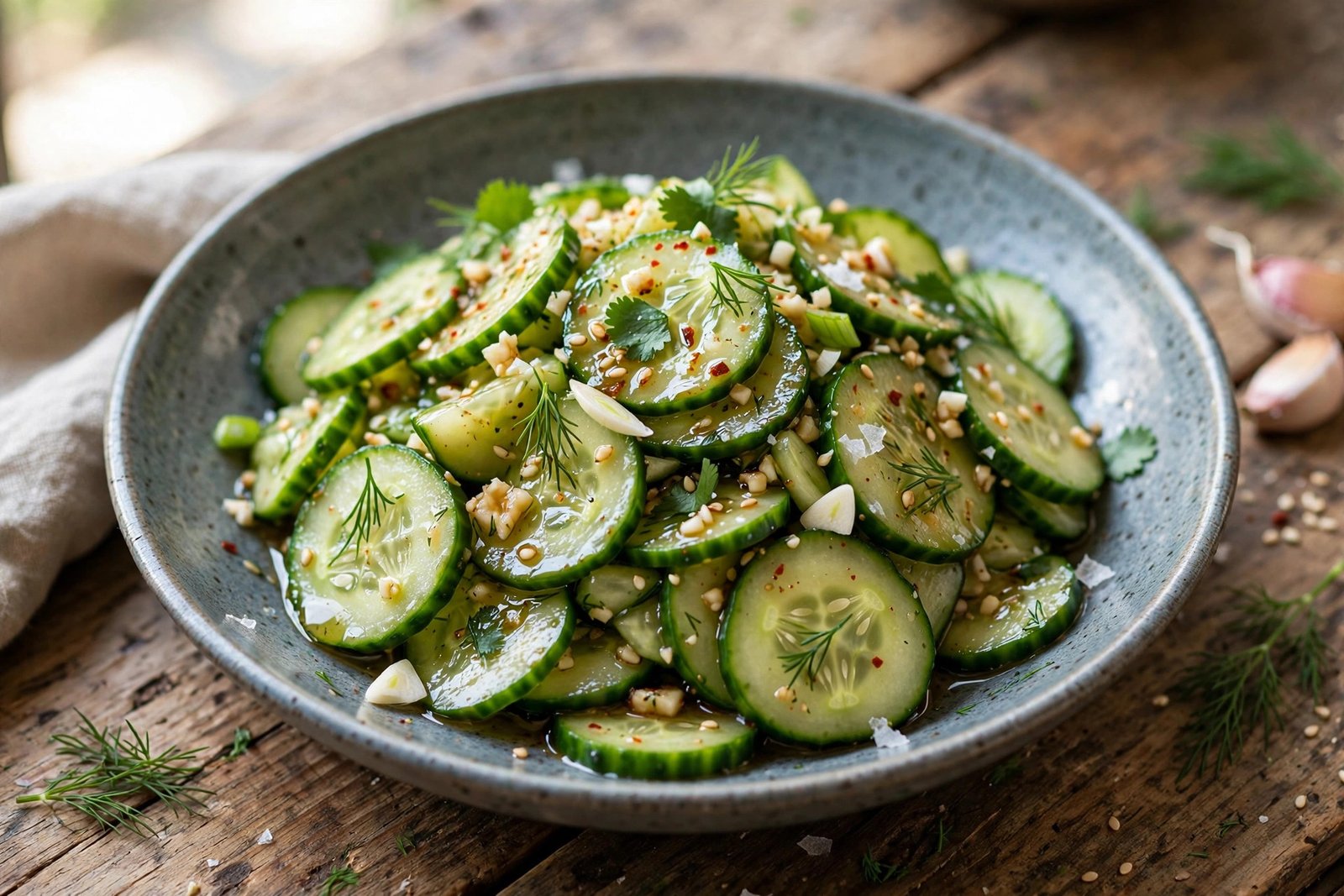
Pair the richness with something sharp and fresh. A quick cucumber salad with rice vinegar and chilli, pickled mustard greens, or a simple stir-fried green like gai lan with garlic all cut through the fat nicely. For drinks, a cold lager, a light jasmine tea, or a dry Riesling all work. Keep the rest of the table simple; the duck is the star, and heavy side dishes only compete with it.
Getting it right
The key technique here is drying the skin, and it happens in three stages. First the pricking, which opens paths for fat to leave. Then the uncovered rest in the fridge, which dries the surface. Then the steam, which renders fat from below the skin. By the time the duck reaches the hot oven, the skin is thin, dry, and ready to crisp instead of steam. Each stage on its own helps a little; together they make the difference between soggy and shattering.
Heat control matters most in the last 20 minutes. The oven needs to be hot enough to drive moisture out of the skin, but the glaze contains sugar, and sugar burns. That is why the recipe starts at 220C (425F) and drops to 200C (400F) after the first glaze. If your oven runs hot, or the skin colours too fast, drop the temperature by 10 degrees and add a few minutes. A thermometer in the thigh is worth more than any timer, because ducks vary in size.
The common mistakes are easy to name. Skipping the drying time gives soft, pale skin that never recovers, however long you roast it. Covering the duck to rest traps steam and undoes the crisping in minutes, so leave it uncovered. Carving too soon sends the juices running onto the board instead of staying in the meat. And pouring sauce over the finished duck before serving softens the skin, so always serve the sauce on the side and let people dip.
Storing & reheating
Leftover duck keeps in the fridge for up to 3 days in a sealed container. Keep the skin separate from the meat if you can, so the meat does not soften it. Reheat the meat gently in a covered pan with a splash of water or stock, and crisp the skin pieces separately under the grill for 2 to 3 minutes until they sizzle again.
For longer storage, shred the meat off the bone and freeze it in portions for up to 2 months, wrapped well to keep air out. Thaw overnight in the fridge, then reheat in a hot wok or oven. The skin will not stay crisp after freezing, so save the frozen portions for fried rice, noodles, or soup, where the meat matters more than the crunch.
Frequently asked questions
Why is my duck skin not crispy?
The skin was probably still damp when it went into the oven. Dry it uncovered in the fridge overnight, prick it well, and steam it first to render the fat. A hot oven and no foil cover while resting will finish the job.
Can I make crispy duck without a steamer?
Yes. Simmer the duck gently in a large pot of water with ginger and spring onion for 30 minutes, then lift it out and dry it. You get the same fat-rendering effect, and the broth makes a lovely base for noodle soup.
What is maltose and where do I find it?
Maltose is a thick, mild malt syrup used in Chinese roasting to give skin its shine and colour. Look for it in Asian supermarkets, usually near the sauces. Honey is a good substitute if you cannot find it.
Can I use duck legs instead of a whole duck?
Absolutely. Duck legs are easier and faster, and the skin crisps beautifully. Steam them for 25 minutes, then roast at 220C (425F) for about 30 minutes. Two legs per person makes a generous serving.
How do I know when the duck is cooked?
A thermometer in the thickest part of the thigh should read 74C (165F), and the juices should run clear. The legs will also feel loose when you wiggle them, and the skin should be deep reddish brown all over.
What should I serve with crispy duck?
Steamed rice, thin pancakes with hoisin and spring onion, or a simple noodle soup all work well. Add a sharp, fresh side such as cucumber salad or stir-fried greens to balance the richness of the duck.