Snickerdoodles Recipe
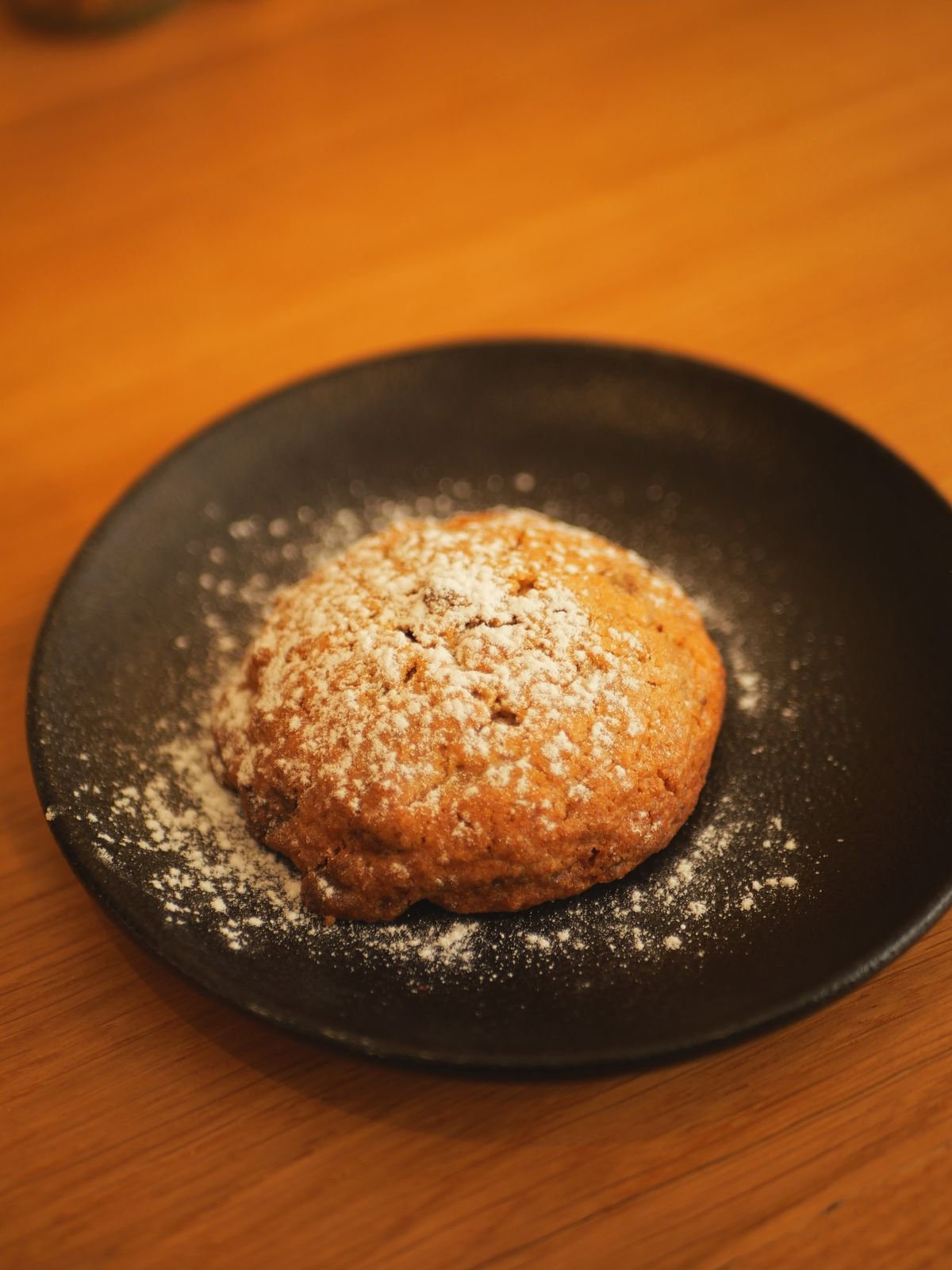
Snickerdoodles are soft, chewy sugar cookies rolled in cinnamon sugar, with a tangy edge from cream of tartar and a crackled top that gives way to a tender middle. They smell like a bakery the moment they come out of the oven, and they are the kind of cookie that never lasts long in the jar. Simple pantry ingredients, one bowl, and a batch that makes the whole house smell like cinnamon. Bake them for a weeknight treat or a holiday tin.
The story behind Snickerdoodles
Snickerdoodles are one of America's oldest cookies, and they come from New England, where they were baked in farmhouse kitchens in the 1800s. The name is a puzzle, and nobody knows it for certain, though one popular idea traces it to a German word for snail-shaped pastries, and another to a nonsense word that early American bakers simply liked the sound of. Whatever the name means, the cookie itself is unmistakable, a soft sugar cookie rolled in cinnamon sugar, with a tangy edge that sets it apart.
The cookie is built on a short list of pantry ingredients: butter, sugar, eggs, flour and vanilla, plus cream of tartar, which is the ingredient that makes a snickerdoodle what it is. The cream of tartar gives the cookie its gentle sour note and its soft, chewy texture, and it helps the tops crackle as they bake. Without it, you have a sugar cookie. With it, you have a snickerdoodle, and the difference is easy to taste. The cookie spread across the country with the families who baked it, and by the early 1900s it was a standard in American cookbooks, the kind of recipe a cook knew by heart.
What makes snickerdoodles special is the way they feel to eat. The outside is crisp with cinnamon sugar, the top is cracked and sugary, and the middle stays soft and tender, almost cake-like. They are not a crunchy cookie and not a soft one, but something in between, and they taste of butter and cinnamon in equal measure. The smell of a tray coming out of the oven is enough to bring everyone into the kitchen.
Snickerdoodles fit a weeknight bake in the US, because the dough takes ten minutes to mix and the cookies bake in twelve. They are a good cookie to make with children, since rolling the balls in cinnamon sugar is messy in the best way, and they are a fine cookie for a holiday tin, a school bake sale, or a jar on the counter that empties a little faster than you planned. Make a double batch, because one batch is never enough.
- Prep time
- 25 mins
- Cook time
- 30 mins
- Total time
- 55 mins
- Servings
- 4 servings
- Calories
- 480
Ingredients
- 2 3/4 cups all-purpose flour
- 2 teaspoons cream of tartar
- 1 teaspoon baking soda
- 1/2 teaspoon salt
- 1 cup unsalted butter, softened
- 1 1/2 cups granulated sugar
- 2 large eggs
- 1 teaspoon vanilla extract
- 1/4 cup granulated sugar, for rolling
- 1 tablespoon ground cinnamon, for rolling
Instructions
- Whisk the flour, cream of tartar, baking soda and salt together in a medium bowl until they are evenly mixed. The cream of tartar should disappear into the flour, with no little clumps left, since a clump will leave a sour spot in one cookie.
- Beat the softened butter and the sugar in a large bowl with a hand mixer or a wooden spoon for 2 to 3 minutes, until the mixture turns pale, fluffy and light. You will hear the sugar crunch at first, then the sound will soften as the butter and sugar cream together into a smooth, pale mass.
- Beat in the eggs one at a time, mixing well after each one, then stir in the vanilla. The mixture should look smooth and glossy, with no streaks of yolk left, and it will smell sweet and buttery with a hint of vanilla.
- Add the flour mixture in two parts, stirring gently after each one, until the dough just comes together. Stop as soon as the last streak of flour disappears, since overmixing makes tough cookies. The dough should be soft and a little sticky, and it should hold its shape when you scoop it.
- Cover the bowl and chill the dough in the fridge for 30 minutes. The chill firms the butter, which keeps the cookies from spreading flat, and it gives the cream of tartar time to work on the texture. While the dough chills, heat the oven to 375°F and line two baking trays with parchment.
- Mix the rolling sugar and cinnamon together in a small bowl. Scoop the dough into balls about the size of a walnut, roll each one smooth between your palms, then roll it in the cinnamon sugar until it is coated all over. The sugar should stick in a thick, even layer, and your hands will smell of cinnamon.
- Set the balls on the lined trays about 2 inches apart, and press each one down very gently with the palm of your hand, just enough to flatten the top slightly. The cookies will spread as they bake, and the space between them keeps them from running together into one big sheet.
- Bake for 10 to 12 minutes, until the edges are set and lightly golden and the centres still look soft and puffy. The tops will have fine cracks across them, and the kitchen will smell of cinnamon and warm butter. Do not wait for the centres to look done, since they finish on the tray. The edges will look set and lightly golden, while the centres stay pale and puffy, which is exactly right.
- Let the cookies cool on the trays for 5 minutes, then move them to a wire rack to cool fully. They will firm up as they cool, staying soft in the middle with a crisp, sugary edge, and they are at their best while still a little warm from the oven.
Pro tips
- Use butter that is soft but still cool. Butter that is too warm melts into the dough and makes flat cookies, while butter straight from the fridge will not cream properly.
- Chill the dough for 30 minutes. The chill firms the butter, keeps the cookies thick, and gives the cream of tartar time to work on the texture.
- Do not overmix the flour. Stir only until the last streak disappears, since overmixed dough makes tough, dense cookies instead of soft, chewy ones.
- Take the cookies out while the centres still look soft. They finish baking on the hot tray, and a soft centre is the sign of a good snickerdoodle.
- Roll the balls generously in cinnamon sugar. A thick, even coating is what gives the cookie its crackled top and its first taste of cinnamon.
Variations & serving ideas
The classic snickerdoodle is cinnamon sugar and nothing else, but the dough takes to change well. Add a pinch of nutmeg to the cinnamon sugar for a warmer spice note, or a little cardamom for a flavour that suits the holiday season. A spoonful of brown sugar in place of some of the white sugar makes a chewier, more caramel-flavoured cookie.
For a richer cookie, brown the butter first and let it cool before you cream it, which gives the dough a nutty, toffee-like depth. White chocolate chips or a handful of chopped pecans folded into the dough make a heartier cookie, and a spoonful of pumpkin spice in the rolling sugar turns the batch into a fall favourite. A drizzle of white chocolate over the cooled cookies makes them look like a bakery treat. A spoonful of espresso powder in the dough gives a mocha note that suits the cinnamon, and a little orange zest in the sugar is a bright change for spring.
If you need a swap, a gluten-free flour blend made for baking works well in this recipe, though the cookies will be a little more delicate, so handle them gently. For a dairy-free version, use a plant-based butter and a flax egg, and the cookies will still be soft and cinnamon-sugary. For a smaller batch, halve the recipe and bake just one tray.
Serve snickerdoodles warm from the oven with a glass of cold milk, which is the classic pairing, or with coffee or hot chocolate on a cold evening. They pack well in a lunchbox, stack neatly in a holiday tin, and sit happily next to ice cream as a crumbled topping. A plate of snickerdoodles on the table at a family gathering rarely survives the first hour, and the recipe is easy to double when you need more.
Getting it right
Creaming the butter and sugar is the step that sets the texture, and it needs a full 2 to 3 minutes. The mixture should turn pale and fluffy, with the sugar mostly dissolved into the butter, and the bowl will feel lighter when you lift the spoon. Under-creamed dough makes dense, flat cookies, while properly creamed dough traps air that lifts the cookies as they bake and keeps them soft inside.
Chilling the dough is not optional if you want thick, chewy cookies. Warm dough spreads fast in a hot oven, and the cookies come out thin and crisp at the edges with no soft centre left. Thirty minutes in the fridge firms the butter enough to hold the shape, and the cookies bake up thick with crackled tops. If your kitchen is warm, chill the shaped balls on the tray for 10 minutes before they go in the oven.
The most common mistake is overbaking. Snickerdoodles look underdone when they are ready, with centres that are still soft and puffy, and they finish setting on the hot tray as they cool. If you wait until the centres look firm in the oven, the cookies will be dry and hard by the time they cool. The second mistake is overmixing the flour, which makes tough cookies, so stir only until the last streak of flour disappears.
Storing & reheating
Snickerdoodles keep in a sealed container at room temperature for up to 5 days, and they stay soft if you tuck a slice of bread into the tin, which keeps the cookies moist. The cinnamon sugar coating may soften a little over time, but the flavour stays the same.
For longer storage, freeze the baked cookies in a sealed bag for up to 2 months, with parchment between the layers so they do not stick. Thaw them at room temperature for 30 minutes, or warm them in a 300°F oven for 5 minutes for a fresh-baked feel. The dough balls also freeze well for up to 2 months and bake straight from frozen.
Frequently asked questions
What does cream of tartar do in snickerdoodles?
Cream of tartar is the ingredient that makes a snickerdoodle taste like itself. It gives the cookie its gentle tang and its soft, chewy texture, and it helps the tops crackle as they bake. Without it, the cookie is just a sugar cookie, still good, but not a snickerdoodle.
Can I chill snickerdoodle dough?
Yes. Chill the dough for at least 30 minutes, and up to 2 days, wrapped tightly. Chilled dough spreads less, which gives you thicker, chewier cookies, and the flavour deepens a little as it rests. Roll the balls in cinnamon sugar just before baking.
Why did my snickerdoodles spread too flat?
The most likely cause is butter that was too soft, or dough that was too warm. Use butter that is soft but still cool to the touch, and chill the dough for 30 minutes before baking. Baking on a cool tray also helps, since a hot tray melts the dough before it can set.
Can I freeze snickerdoodle dough?
Yes. Roll the dough into balls and freeze them on a tray, then bag them for up to 2 months. Bake straight from frozen, adding 2 minutes to the baking time, and roll them in cinnamon sugar before they go in the oven.
Why are my snickerdoodles dry?
Use a little less flour, or add a tablespoon of milk to the dough. Overbaking is the other common cause, so take the cookies out when the centres still look soft and let them finish on the tray. A soft centre and a crisp edge is the goal.
Can I make snickerdoodles dairy-free?
Yes. Use a good plant-based butter and a flax egg, 1 tablespoon of ground flax mixed with 3 tablespoons of water, left to sit for 5 minutes. The cookies will be a little less chewy but still soft and cinnamon-sugary, and the cream of tartar still does its work.