Hoppin' John Recipe
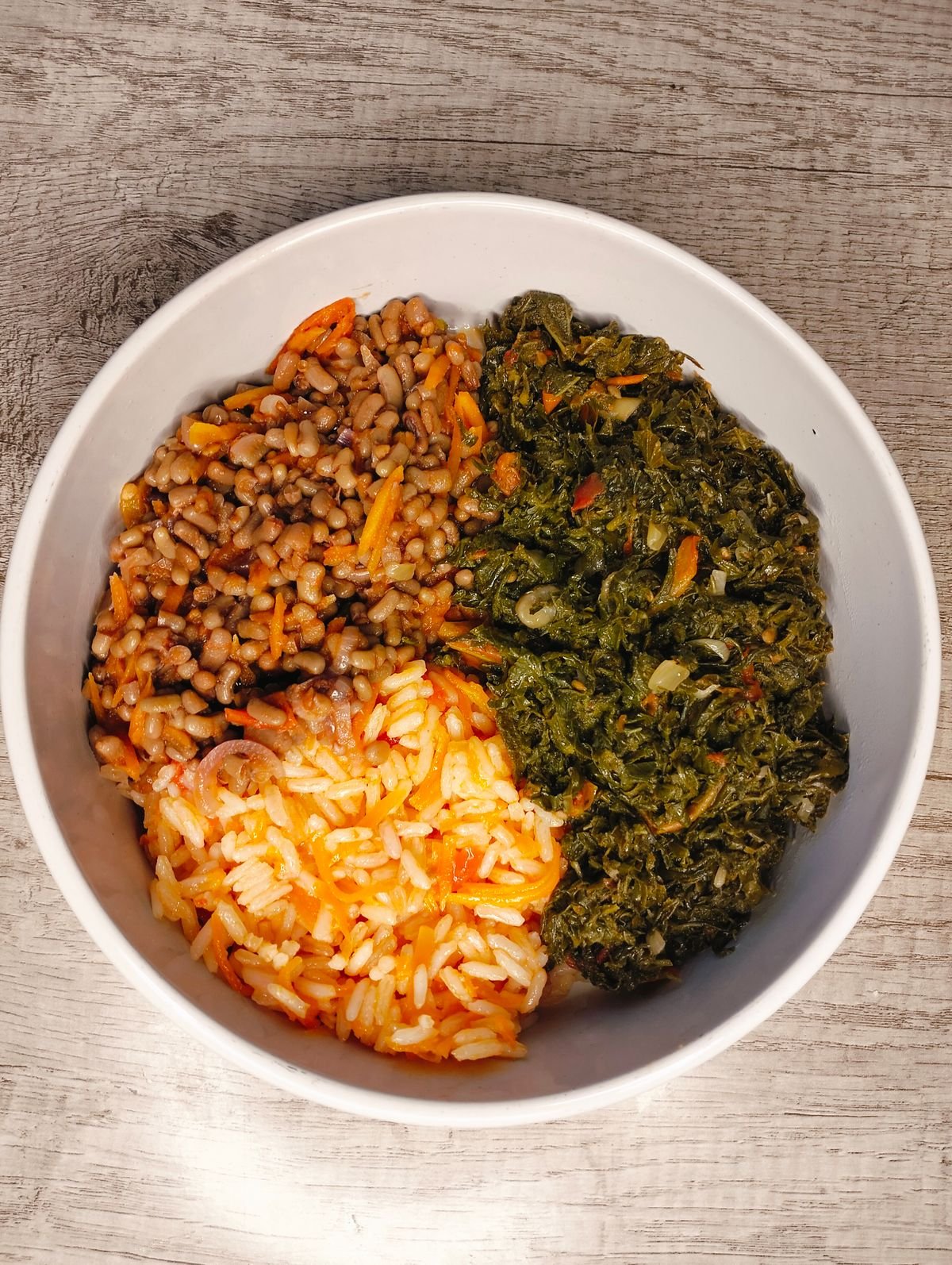
Hoppin' John is the Lowcountry's lucky pot of black-eyed peas, rice and smoky pork, simmered with onion, pepper and celery until the peas are tender and the rice has drunk up all the flavour. It is the dish Southern families eat on New Year's Day for good luck, with collard greens and cornbread on the side. One pot, simple ingredients, and a bowl that tastes like history. Make it on a cold night and it will warm the whole house.
The story behind Hoppin' John
Hoppin' John comes from the Lowcountry of South Carolina and Georgia, and its roots run back to the enslaved Africans who were brought to the rice fields of the region in the 1700s. They carried with them the knowledge of growing rice and cooking black-eyed peas, a food that had crossed the Atlantic from West Africa, and the dish that grew from those two ingredients became a foundation of Southern cooking. The name's origin is uncertain, though one old story credits a Charleston street vendor, and the dish has kept the name ever since.
The dish is a one-pot meal built on peas, rice and pork, with onion, pepper and celery, the Lowcountry's version of a holy trinity, simmered together until the rice has absorbed the smoky broth. It is humble food, made from ingredients that were cheap and available, and it fed families through long winters and hard years. Over time it became something more than a meal, a dish tied to a date on the calendar and to a belief about the year ahead. The rice itself was once the region's great wealth, grown in flooded fields by people whose knowledge came from West Africa, and the dish carries that history in every spoonful.
That belief is the New Year's Day tradition. In the South, eating Hoppin' John on January 1st is said to bring good luck and prosperity for the year, because the peas stand for coins. It is served with collard greens, which stand for paper money, and cornbread, which stands for gold, so the whole plate is a wish for wealth, eaten with a straight face and a full heart. Families argue about the details, ham hock or bacon, peas cooked with the rice or served over it, but nobody argues about the date.
Hoppin' John fits a weeknight dinner in the US, because it is a one-pot meal that feeds a family and costs very little. The dried peas need a soak, but canned peas work fine when time is short, and the rest is chopping and simmering. Serve it with collard greens and cornbread on New Year's Day, or with a simple salad and hot sauce on any cold night, and the pot will be empty before you know it.
- Prep time
- 25 mins
- Cook time
- 30 mins
- Total time
- 55 mins
- Servings
- 4 servings
- Calories
- 520
Ingredients
- 1 1/2 cups dried black-eyed peas, soaked overnight
- 4 slices thick-cut bacon, chopped
- 1 small smoked ham hock or 1 cup diced ham
- 1 medium onion, diced
- 1 green bell pepper, diced
- 2 celery stalks, diced
- 3 garlic cloves, minced
- 1 cup long-grain white rice
- 4 cups chicken stock
- 1 bay leaf
- 1 teaspoon Cajun or Creole seasoning and 1/2 teaspoon dried thyme
- 1 tablespoon apple cider vinegar
- Salt and black pepper, to taste
- Sliced scallions, for serving
Instructions
- Rinse the soaked black-eyed peas and pick out any broken ones or small stones. Put them in a pot, cover with fresh water, and simmer gently for 25 to 30 minutes until they are just tender but not falling apart. Drain them and set them aside while you build the rest of the dish.
- Cook the chopped bacon in a large heavy pot or Dutch oven over medium heat for 5 to 6 minutes, stirring now and then, until the fat renders and the pieces turn crisp and brown at the edges. The kitchen will smell smoky and rich, and the bacon fat left in the pot is the flavour base for everything that follows.
- Add the ham hock or diced ham to the pot and cook for 2 minutes, then stir in the onion, bell pepper and celery. Cook for 5 to 6 minutes until the vegetables soften and the onion turns translucent, scraping the browned bits off the bottom of the pot as you go.
- Stir in the garlic, Cajun seasoning and thyme, and cook for 30 seconds until the garlic smells sweet and the spices bloom in the hot fat. The pot should smell warm and peppery, and the vegetables will have taken on a little colour from the seasoning.
- Pour in the chicken stock and add the bay leaf, then bring the pot to a gentle boil. Stir in the drained black-eyed peas and the rice, season with a pinch of salt, and let the liquid come back to a simmer, with small bubbles breaking the surface all over.
- Turn the heat to low, cover the pot tightly and cook for 18 to 20 minutes without lifting the lid. The rice will steam in the pea broth and drink it up, and the kitchen will fill with a smoky, savoury smell. Resist peeking, since the steam is doing the work.
- Take the pot off the heat and leave it covered for 10 minutes so the rice finishes steaming and the grains firm up. Lift the lid, pull out the bay leaf and the ham hock, and shred any meat from the bone back into the pot.
- Stir in the apple cider vinegar and fluff the rice gently with a fork, folding the peas through without mashing them. Taste and season with salt and black pepper, then serve in wide bowls topped with sliced scallions and plenty of hot sauce on the side.
Pro tips
- Soak the peas overnight. An 8-hour soak cuts the cooking time in half and gives you evenly tender peas, while unsoaked peas cook unevenly and can stay hard in the middle.
- Use the bacon fat. The fat rendered from the bacon is the flavour base of the whole dish, so do not drain it off before you add the vegetables.
- Do not lift the lid while the rice cooks. The steam trapped in the pot is what cooks the rice evenly, and every peek lets heat escape and dries out the top layer.
- Add the vinegar at the end. A spoonful of apple cider vinegar stirred in after cooking brightens the whole pot and cuts through the richness of the pork.
- Let the pot rest for 10 minutes off the heat. The rice finishes steaming, the grains firm up, and the peas settle into the broth instead of sitting on top.
Variations & serving ideas
The classic Lowcountry version uses bacon and a ham hock, but the dish bends easily. Use smoked sausage sliced into rounds for a heartier pot, or a ham bone left over from a holiday dinner for deep flavour. For a lighter version, skip the bacon and use olive oil with a teaspoon of smoked paprika, which gives the smoky note without the pork.
For a vegetarian Hoppin' John, leave out the meat entirely and use vegetable stock, with smoked paprika and a splash of liquid smoke for depth. Add a can of diced tomatoes with the stock for a red version, which is popular in some parts of Georgia, or stir in a handful of chopped collard greens at the end so the luck and the money cook in the same pot.
If you need a swap, canned black-eyed peas are a fine shortcut and cut an hour off the cooking time. Brown rice works too, but it needs more liquid and about 15 extra minutes, so add half a cup of stock and check it before you serve. For a gluten-free table the dish is naturally safe, and for a dairy-free table it needs no changes at all.
Serve Hoppin' John on New Year's Day with collard greens and cornbread, the full lucky plate, and a bottle of hot sauce on the table. The rest of the year, serve it with a green salad and some pickled vegetables, or as a side with fried chicken or grilled fish. It is good picnic food too, served at room temperature, and the leftovers make a fine lunch the next day with a fried egg on top. A glass of sweet tea or a cold beer sits well beside it, and a slice of pecan pie after dinner keeps the Southern table honest.
Getting it right
The peas set the pace for this dish, and they need to be tender before they meet the rice. Soak dried peas overnight, then simmer them gently until they are just tender, not mushy. A hard boil will split their skins and turn them to mush, and undercooked peas stay chalky in the finished dish. Taste one before you move on, since pea cooking times vary with age and storage.
The rice needs steam and patience, and the lid is the rule. Once the pot is covered and the heat is low, do not lift the lid for the full 18 to 20 minutes. Every peek lets out steam and drops the temperature, and the rice will cook unevenly, with some grains hard and others soft. After the rest, fluff the rice gently with a fork, folding the peas through without breaking them, so the pot stays loose and separate.
The most common mistake is adding salt too early to the peas, which can keep their skins tough, so season the pot lightly at first and adjust at the end. The second mistake is too much liquid, which turns the dish into a soup. One cup of rice to the stock given is the right ratio, and the pot should look moist but not wet when it is done. If it does look wet, leave the lid off for 5 minutes over low heat and let the extra liquid steam away.
Storing & reheating
Hoppin' John keeps in the fridge for up to 4 days in a sealed container, and the flavour deepens overnight as the peas and rice settle together. It will thicken as it sits, so stir in a splash of stock or water when you reheat it.
It freezes well for up to 2 months, though the rice softens a little after thawing. Freeze it in portions, thaw overnight in the fridge, and warm it gently on the stove or in the microwave with a splash of stock. A fresh scattering of scallions and a dash of hot sauce bring a reheated bowl back to life.
Frequently asked questions
Can I use canned black-eyed peas?
Yes. Use two cans of black-eyed peas, drained and rinsed, and skip the soaking and the long simmer. Add them to the pot with the rice and cook for 20 minutes until the rice is tender. The flavour is a little less deep than the dried version, but it is still very good.
Where does the name Hoppin' John come from?
The name's origin is not certain, and several stories exist, including one about a Charleston street vendor. What is certain is that the dish comes from the Lowcountry of South Carolina and Georgia, where enslaved Africans brought the peas and the rice-growing knowledge that shaped the region's cooking.
Can I make a vegetarian Hoppin' John?
Yes. Leave out the bacon and ham, use vegetable stock, and add a teaspoon of smoked paprika and a splash of liquid smoke for the smoky note. The peas and rice are filling on their own, and the dish stays true to its roots.
Can I make Hoppin' John ahead of time?
Yes, and it often tastes better the next day, once the flavours have settled. Cool it quickly, store it in a sealed container, and reheat it gently with a splash of stock or water so the rice loosens up again.
Why are my black-eyed peas still hard?
The peas were probably old, or the water was too hard, or salt was added too early. Dried peas need a good soak and a gentle simmer, and salting the pot near the end of cooking keeps the skins from toughening. A pinch of baking soda in the soak water can help stubborn peas soften.
What rice works best in Hoppin' John?
Use long-grain white rice, and Carolina Gold rice if you can find it, since it is the traditional Lowcountry grain. Avoid short-grain or instant rice, which turn mushy in the pot, and do not lift the lid while the rice steams, or it will cook unevenly.