Cobbler Recipe
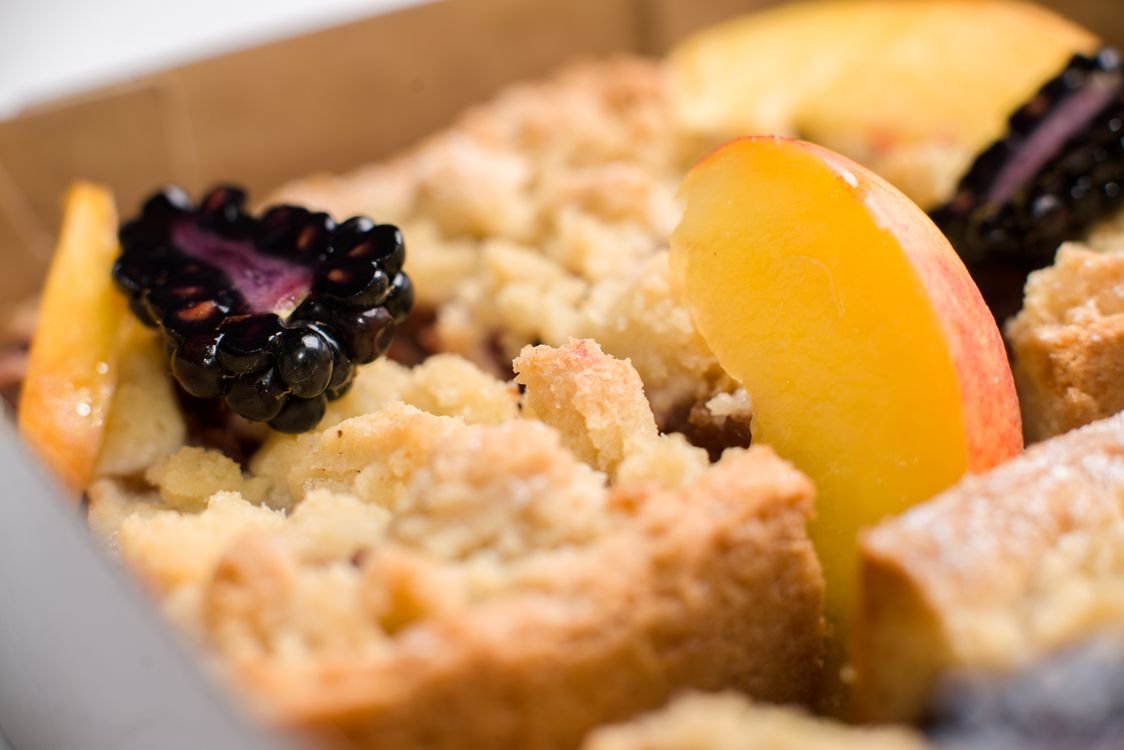
Cobbler is the easy American fruit dessert: juicy peaches baked under a golden, biscuit-like topping that turns crisp at the edges and soft where it meets the fruit. The peaches bubble up around the crust, the sugar caramelises at the corners, and the whole dish smells of butter and summer. Serve it warm with cream or ice cream.
The story behind Cobbler
Cobbler is one of the oldest American desserts, and it was born from making do. Early settlers in the American colonies wanted the fruit pies they knew from Britain, but they had no proper ovens, no pie dishes and often no lard for pastry. So they cooked sweetened fruit in a pot and dropped spoonfuls of biscuit dough on top, or lined the pot with a rough crust. The topping cooked in lumps that were said to look like cobblestones, and the name stuck.
The dish spread across the South and the frontier because it asks so little of the cook. Any fruit works: peaches, apples, blackberries, cherries, whatever is ripe. The filling is just fruit, sugar and a little thickener, and the topping is a simple biscuit dough made from flour, butter and milk. It bakes in one dish, needs no special equipment, and feeds a crowd. Peach cobbler became the best known version, especially in Georgia, where peaches grow in abundance.
What makes cobbler special is the contrast between the fruit and the topping. The peaches soften into a glossy, fragrant sauce, and the topping turns golden and crisp at the edges while staying soft and cakey where it touches the fruit. The juices bubble up through the gaps and caramelise at the corners of the dish. It is not a neat dessert, and that is the charm: it is rustic, generous and best served warm from the dish with a spoon.
Make cobbler when peaches are ripe and you want dessert without a fuss. It suits summer evenings, barbecues, picnics and any meal where the main course was heavy and the dessert should be simple. It takes about an hour from start to finish, and most of that is oven time. Serve it warm with vanilla ice cream melting into the fruit, and let everyone go back for seconds.
- Prep time
- 20 mins
- Cook time
- 45 mins
- Total time
- 1 hr 5 mins
- Servings
- 4 servings
- Calories
- 460
Ingredients
- 800 g ripe peaches, peeled and sliced
- 100 g caster sugar, plus 1 tablespoon for sprinkling
- 2 tablespoons cornflour
- 1 tablespoon lemon juice
- 1 teaspoon vanilla extract
- 200 g plain flour
- 2 teaspoons baking powder
- 100 g cold unsalted butter, cubed
- 80 ml cold whole milk
- 1 large egg, beaten
- 1 pinch fine sea salt
- Demerara sugar, for sprinkling
Instructions
- Heat the oven to 190°C and butter a baking dish about 25 cm across. Put the sliced peaches in a large bowl with the caster sugar, cornflour, lemon juice and vanilla. Toss gently until the slices are coated and the cornflour has disappeared. Leave the bowl for 10 minutes so the peaches release some juice.
- Tip the peach mixture into the buttered dish and spread it out in an even layer. The fruit should fill the dish to about two thirds of its depth, leaving room for the topping to rise. If the peaches are very juicy, pour off a spoonful or two of the liquid so the filling does not overflow in the oven.
- Make the topping: whisk the flour, baking powder and salt in a large bowl. Add the cold cubed butter and rub it in with your fingertips until the mixture looks like coarse breadcrumbs, with a few pea-sized pieces of butter still visible. Those pieces are what make the topping flaky as it bakes.
- Pour in the cold milk and the beaten egg, then stir with a fork until a soft, shaggy dough forms. Stop as soon as it comes together: over-mixing makes the topping tough. The dough should be soft enough to drop from a spoon but firm enough to hold its shape.
- Drop spoonfuls of the dough over the peaches, leaving small gaps between them. The fruit will bubble up through the gaps as it cooks, which is exactly what you want. Do not spread the dough into a solid sheet: a cobbler topping should look rough and homemade, with golden fruit showing between the mounds.
- Sprinkle the top with demerara sugar and the extra tablespoon of caster sugar. The demerara gives a gentle crunch and a caramel note as it bakes. Put the dish on a baking tray to catch any drips, and slide it into the oven for 40 to 45 minutes.
- Bake until the topping is a deep golden brown and the fruit is bubbling thickly around the edges. You should hear a slow, sticky bubbling and smell butter, peach and vanilla. A skewer pushed into the thickest part of the topping should come out clean, with no wet dough clinging to it.
- Take the cobbler out and leave it to rest for 15 minutes. The filling will thicken as it cools slightly, and the topping will firm up at the edges. Serve it warm, spooned into bowls with the golden topping and plenty of the glossy peach sauce.
- If the topping browns before the fruit is bubbling, lay a sheet of foil loosely over the top and keep baking. The foil stops the browning while the heat reaches the centre. Serve with vanilla ice cream, whipped cream or custard, or eat it plain with a spoon straight from the dish.
Pro tips
- Use ripe, fragrant peaches. A peach that smells sweet at the stem will taste sweet in the dish, while a hard, scentless peach stays tart no matter how much sugar you add.
- Keep the butter and milk cold until you use them. Cold fat makes a flaky topping, and warm butter melts into the flour and gives a heavy, greasy crust.
- Do not spread the topping into a solid sheet. Drop it in rough spoonfuls with gaps, so the fruit bubbles up between them and the topping stays crisp at the edges.
- Rest the cobbler for 15 minutes before serving. The filling thickens as it cools slightly, so it spoons out in soft scoops instead of running across the plate.
- Put the dish on a baking tray before it goes in the oven. Fruit juices bubble over more often than you expect, and a tray saves you from scrubbing the oven floor.
Variations & serving ideas
Peach is the classic, but the recipe works with almost any fruit. Apples with a pinch of cinnamon, blackberries with a little lemon zest, cherries with almond extract, or a mix of plums and raspberries all bake well. Keep the fruit weight the same and adjust the sugar to taste: tart fruit needs a little more, ripe fruit needs less. Frozen fruit works too, though you should thaw and drain it first so the filling does not turn watery.
The topping takes well to small changes. A spoonful of oats folded into the dough adds crunch, and a pinch of cinnamon or nutmeg warms the flavour. For a richer topping, replace half the milk with cream. A savoury turn is possible too: use the same biscuit topping over a chicken or vegetable stew, leaving out the sugar, for a quick pot-pie style supper.
Serve cobbler warm, spooned into bowls with the golden topping and plenty of sauce. Vanilla ice cream is the classic partner, and softly whipped cream or custard are both good. For a lighter finish, serve it with Greek yoghurt and a drizzle of honey. A glass of iced tea or a cold lager suits a summer barbecue, while a cup of coffee suits an evening dessert.
For pairing, keep it simple. A sweet wine such as a late-harvest Riesling echoes the peaches, and a cold sparkling wine cuts through the butter. Most of the time, though, cobbler is best with a scoop of ice cream and no fuss at all. Finish the meal with coffee or tea, since the dessert is already rich and sweet.
Getting it right
The key technique is keeping the topping tender, and that comes down to cold butter and a light hand. Rub the butter into the flour until it looks like coarse breadcrumbs, with a few pea-sized pieces still visible. Those pieces melt in the oven and leave little pockets of steam, which is what makes the topping flaky. Then add the milk and egg and stir just until the dough comes together. Over-mixing develops the gluten and turns the topping tough and bready.
The filling needs the right balance too. Ripe peaches release a lot of juice, so the cornflour matters: two tablespoons thickens the juices into a glossy sauce without turning it gluey. Taste the peaches before you add the sugar, since a very ripe batch needs less. The lemon juice is not optional: it brightens the fruit and keeps the sweetness from tasting flat.
The most common mistake is a soggy topping, and it usually means the dough was spread into a solid sheet. Leave gaps between the spoonfuls so steam escapes and the fruit bubbles through. Another common slip is under-baking: the top can look golden while the centre is still doughy, so check with a skewer and bake until the fruit is bubbling thickly all around the edges.
Storing & reheating
Leftover cobbler keeps in the fridge for up to 3 days, covered with cling film or a lid. The topping softens as it absorbs moisture from the fruit, but the flavour stays good. Reheat individual portions in a hot oven at 180°C for 10 minutes, which crisps the topping back up. The microwave works in a pinch, but it makes the topping soft and steamy rather than crisp.
Cobbler also freezes well for up to 3 months. Cool it completely, then wrap the dish tightly in cling film and foil, or freeze portions in sealed containers. Defrost overnight in the fridge and reheat in the oven until hot and bubbling. The fruit filling can be frozen on its own too, which makes a quick dessert: thaw it, top with fresh topping and bake as usual.
Frequently asked questions
What is a cobbler?
A cobbler is an American baked dessert of sweetened fruit topped with a biscuit or cake-like crust. The topping is dropped or spread over the fruit in rough pieces, which is said to look like cobblestones, giving the dish its name. Peach is the classic filling, but almost any fruit works.
Can I use frozen or canned peaches?
Fresh peaches are best when they are ripe and fragrant, but frozen peaches work very well and save peeling. Thaw them and drain off the extra liquid before using. Canned peaches in juice can work in a pinch, though the filling will be softer and sweeter.
How do I stop the filling going runny?
Toss the fruit with a spoonful of cornflour along with the sugar. The cornflour thickens the juices as they bubble, so the filling sets into a soft sauce instead of a puddle. Two tablespoons is enough for this recipe; more makes the filling gluey.
Can I make cobbler ahead of time?
Yes, and it is a good one. Assemble the cobbler in the dish, cover it tightly and refrigerate for up to a day. Add 5 to 10 minutes to the baking time since it goes into the oven cold. Bake it only when you are ready to serve, so the topping stays crisp.
How do I know when the cobbler is done?
The topping should be golden brown at the edges and firm in the centre, and the fruit should be bubbling thickly around the sides. A skewer pushed into the topping should come out clean, and the juices should look glossy rather than watery. If the centre is still pale, give it 5 minutes more.
What do you serve with cobbler?
Vanilla ice cream is the classic partner: the cold cream melts into the warm fruit and topping. Softly whipped cream is lighter, and a spoonful of custard is richer. In the American South it is often served plain, straight from the dish, with a glass of iced tea.